
Kia Rio Maintenance Schedule: The Easy Guide to Keeping Your Rio Running Smoothly

The Kia Rio may be small, simple, and budget-friendly, but let’s not mistake “affordable” for “maintenance-free.” Like any car, the Rio needs a steady rhythm of care. Think of it like a reliable pair of sneakers: if we clean them, lace them properly, and replace them when the soles wear down, they keep carrying us without drama. Ignore them? Suddenly every walk feels like a punishment.
That is exactly how the Kia Rio maintenance schedule works. It is not just a list of boring service items tucked away in an owner’s manual. It is the roadmap that helps us protect the engine, stretch fuel economy, avoid surprise repairs, and keep the car feeling fresh for years.
The exact schedule can vary depending on model year, engine, country, driving conditions, and whether the car uses normal or severe-service intervals. Kia’s official owner resources recommend checking the correct owner’s manual for your specific vehicle, and Kia’s general oil-change guidance notes that oil intervals may be shortened under severe driving conditions.
So, in this guide, we are going to keep things practical. We will walk through what to service, when to service it, why it matters, and how to spot problems before they become expensive headaches.
- Why the Kia Rio Maintenance Schedule Matters
- Understanding Normal vs Severe Driving Conditions
- Kia Rio Maintenance Schedule at a Glance
- Monthly Kia Rio Maintenance Checklist
- Every 5,000 to 7,500 Miles: Basic Service
- Every 15,000 Miles: The First Deeper Check
- Every 30,000 Miles: Filters, Fluids, and Fuel Economy
- Every 45,000 Miles: Mid-Life Maintenance
- Every 60,000 Miles: Major Maintenance Time
- Every 75,000 Miles: Wear Parts Become the Focus
- Every 90,000 Miles: Long-Term Protection
- Kia Rio Maintenance After 100,000 Miles
- Kia Rio Oil Change Schedule
- Kia Rio Tire Maintenance Schedule
- Kia Rio Brake Maintenance Schedule
- Kia Rio Battery Maintenance Schedule
- Kia Rio Transmission Maintenance Schedule
- Kia Rio Coolant and Cooling System Schedule
- Kia Rio Spark Plug Maintenance
- Kia Rio Air Filter and Cabin Filter Schedule
- Kia Rio Maintenance Schedule by Mileage
- Kia Rio Maintenance Cost Expectations
- DIY Kia Rio Maintenance: What We Can Do at Home
- Common Kia Rio Maintenance Mistakes
- How to Keep a Kia Rio Reliable for Years
- Kia Rio Maintenance Schedule for City Drivers
- Kia Rio Maintenance Schedule for Highway Drivers
- Signs Your Kia Rio Needs Service Early
- Best Kia Rio Maintenance Habits
- Conclusion: Treat the Kia Rio Well, and It Pays You Back
- FAQs About the Kia Rio Maintenance Schedule
Why the Kia Rio Maintenance Schedule Matters
A Kia Rio is usually bought for smart reasons. It is compact, economical, easy to park, and generally inexpensive to run. But even the most sensible car can become a money pit if we treat maintenance like an optional hobby.
The maintenance schedule matters because it helps us stay ahead of wear. Oil gets dirty. Tires lose pressure. Brake fluid absorbs moisture. Coolant loses effectiveness. Spark plugs wear down. Belts age. Filters clog. None of these things happen overnight, but they happen quietly, like dust collecting on a shelf.
By following a proper Kia Rio maintenance schedule, we are not just “servicing the car.” We are protecting:
- Engine life
- Fuel economy
- Transmission performance
- Brake safety
- Tire wear
- Resale value
- Warranty coverage
- Daily reliability
A neglected Rio might still start every morning for a while, but that does not mean it is happy. Cars often whisper before they scream. Maintenance helps us listen early.
Understanding Normal vs Severe Driving Conditions
Before we talk about mileage intervals, we need to understand one important thing: not all miles are equal.
A Rio that cruises calmly on open highways has a much easier life than one stuck in stop-and-go traffic every day. Ten miles of city traffic can be harder on the engine than thirty miles of smooth highway driving. The car does not only care about distance; it cares about heat, load, dust, moisture, and repeated short trips.
What Counts as Severe Driving?
Many owners think “severe driving” means racing, towing, or climbing mountains every weekend. Not always. Severe driving can be surprisingly normal.
Your Kia Rio may fall under severe-service maintenance if you often deal with:
- Short trips under 5 miles
- Heavy city traffic
- Very hot or very cold weather
- Dusty roads
- Frequent idling
- Stop-and-go commuting
- Mountain driving
- Rough roads
- Humid conditions
- Frequent high-speed driving
- Delivery or rideshare use
If that sounds like your daily life, we should lean toward shorter service intervals.
Why Severe Conditions Change the Schedule
Under severe driving, engine oil breaks down faster. Brake components work harder. Transmission fluid gets hotter. Filters clog sooner. Tires wear unevenly. The Rio may still look calm from the outside, but underneath, everything is working overtime.
That is why a flexible maintenance mindset is better than blindly waiting for a mileage number.
Kia Rio Maintenance Schedule at a Glance
Here is a simple, practical maintenance schedule for many Kia Rio models. Always compare it with your owner’s manual, but this gives us a strong baseline.
| Mileage / Time | Recommended Maintenance |
|---|---|
| Every month | Check tire pressure, lights, fluid levels, wipers |
| Every 5,000–7,500 miles | Oil and filter change, tire rotation, basic inspection |
| Every 15,000 miles | Inspect brakes, suspension, steering, belts, hoses |
| Every 30,000 miles | Replace engine air filter, inspect fuel system and cooling system |
| Every 45,000 miles | Inspect transmission fluid, brake system, drive belts |
| Every 60,000 miles | Replace spark plugs on many models, coolant service, brake fluid service |
| Every 75,000 miles | Repeat major inspections, check mounts, suspension, wheel bearings |
| Every 90,000 miles | Transmission fluid service if required, deeper drivetrain inspection |
| Every 100,000+ miles | Preventive maintenance becomes more important |
Some dealer maintenance guides list Kia Rio oil and filter changes around every 7,500 miles or 6 months, while certain official Kia manual schedules vary by engine and market. For example, some Kia manual schedules show shorter oil intervals under specific petrol-engine conditions.
Monthly Kia Rio Maintenance Checklist
We do not need to be mechanics to protect our Rio. A quick monthly check can prevent many annoying problems.
Check Tire Pressure
Tire pressure is one of those tiny details that quietly affects everything. Low pressure can reduce fuel economy, increase tire wear, and make the car feel sluggish. Overinflated tires can reduce grip and make the ride harsher.
Once a month, check the pressure when the tires are cold. Use the pressure listed on the driver-side door sticker, not the number printed on the tire sidewall.
Inspect Exterior Lights
Walk around the car and check:
- Headlights
- Brake lights
- Reverse lights
- Turn signals
- Hazard lights
- License plate lights
A burned-out bulb is cheap. A ticket, accident, or failed inspection is not.
Check Fluid Levels
Pop the hood and inspect visible fluid reservoirs. We want to keep an eye on:
- Engine oil
- Coolant
- Brake fluid
- Windshield washer fluid
- Transmission fluid, if the model allows checking
If a fluid level keeps dropping, do not just keep topping it off. That is the car waving a red flag.
Look at the Wiper Blades
Wipers are easy to forget until rain turns the windshield into a blurry movie screen. If the blades streak, chatter, or leave patches, replace them.
Every 5,000 to 7,500 Miles: Basic Service
This is the bread-and-butter interval for Kia Rio maintenance. It is where we handle the basics that keep the car healthy.
You might be interested in this content. Hyundai Palisade Maintenance Schedule: A Practical Owner’s Guide
Engine Oil and Oil Filter Change
Oil is the engine’s lifeblood. It lubricates moving parts, reduces heat, carries away contaminants, and helps prevent internal wear.
When oil gets old, it thickens, burns, and loses protection. Driving with dirty oil is like asking the engine to run a marathon in muddy shoes.
For many Kia Rio owners, oil changes around every 5,000 to 7,500 miles are a practical range. If you drive under severe conditions, shorter intervals are safer.
Tire Rotation
The front tires usually wear faster because they handle steering, braking, and much of the car’s weight transfer. Rotating tires helps them wear more evenly.
Skipping tire rotation may not feel like a big deal today, but over time it can create uneven tread, vibration, road noise, and early tire replacement.
Multi-Point Inspection
At each oil service, we should inspect:
- Brakes
- Tires
- Suspension
- Steering components
- Belts
- Hoses
- Battery terminals
- Exhaust system
- Fluid leaks
This inspection is like a quick health check. We are not waiting for the car to collapse; we are looking for early clues.
Every 15,000 Miles: The First Deeper Check
At around 15,000 miles, we are still dealing with routine care, but the inspection becomes more meaningful.
Brake Inspection
The Kia Rio is light and efficient, but brake wear still depends heavily on driving style. City driving can eat pads faster than highway driving.
We should inspect:
- Brake pad thickness
- Rotor condition
- Brake fluid level
- Brake hoses
- Calipers
- Parking brake operation
If the brakes squeal, grind, pulse, or feel soft, do not wait for the next scheduled service.
Steering and Suspension Inspection
A Rio with worn suspension can feel nervous, noisy, or loose. The steering may wander, the tires may wear unevenly, and the ride may feel rougher than usual.
At this interval, inspect:
- Shock absorbers
- Struts
- Ball joints
- Tie rods
- Control arm bushings
- Wheel bearings
A small suspension issue can become a bigger tire and alignment issue if ignored.
Cabin Air Filter Check
The cabin air filter cleans the air entering the interior. When it clogs, airflow weakens, odors appear, and the air conditioning system works harder.
If you drive in dusty areas or heavy traffic, replace it more often.
Every 30,000 Miles: Filters, Fluids, and Fuel Economy
The 30,000-mile mark is where maintenance gets more interesting. This is when small hidden parts begin to matter more.
Engine Air Filter Replacement
The engine air filter keeps dirt and debris out of the engine. A dirty filter can reduce airflow and hurt performance.
Signs of a clogged air filter may include:
- Reduced acceleration
- Lower fuel economy
- Rough idle
- Dirty filter appearance
- Engine hesitation
Replacing it is usually simple and inexpensive.
Fuel System Inspection
The fuel system does not need constant attention, but it should be inspected periodically. A healthy fuel system helps the Rio start properly, idle smoothly, and deliver consistent power.
Watch for:
- Hard starts
- Poor acceleration
- Engine hesitation
- Reduced MPG
- Fuel smell
- Rough idle
Cooling System Inspection
The cooling system protects the engine from overheating. A small coolant leak can become a major repair if ignored.
Inspect:
- Coolant level
- Radiator condition
- Hoses
- Water pump area
- Thermostat performance
- Cooling fan operation
Overheating is one of those problems we never want to “test.” If the temperature gauge climbs, stop and investigate.
Every 45,000 Miles: Mid-Life Maintenance
At 45,000 miles, the Rio is no longer brand-new. It may still feel young, but wear is becoming more relevant.
You might be interested in this content. Ford F-150 Maintenance Schedule Canada: Complete Service Guide
Drive Belt Inspection
Belts can crack, glaze, stretch, or squeal. If a belt fails, it can leave us stranded or cause accessories to stop working.
Look for:
- Cracks
- Fraying
- Squealing noises
- Shiny glazing
- Loose tension
Transmission Fluid Check
Depending on the model and transmission type, the Rio may have different fluid service requirements. Some automatic transmissions are marketed as low-maintenance, but that does not mean the fluid lasts forever under all conditions.
If the transmission shifts harshly, slips, hesitates, or makes whining noises, get it inspected.
Brake Fluid Condition
Brake fluid absorbs moisture over time. Moisture lowers the boiling point of the fluid and can contribute to corrosion inside the brake system.
Even if the brakes feel normal, old brake fluid can reduce safety when braking hard or driving downhill.
Every 60,000 Miles: Major Maintenance Time
The 60,000-mile service is one of the most important points in the Kia Rio maintenance schedule. This is where we stop thinking only about oil and filters and start focusing on long-term reliability.
Spark Plug Replacement
Spark plugs ignite the air-fuel mixture inside the engine. Worn spark plugs can cause rough idle, misfires, poor fuel economy, and weak acceleration.
Common signs of worn spark plugs include:
- Engine shaking
- Check engine light
- Slow starts
- Poor MPG
- Hesitation
- Misfire codes
Many Kia Rio service guides list spark plug replacement around this stage, though the exact interval can vary by engine and plug type.
Coolant Replacement
Coolant does more than prevent overheating. It also protects internal metal components from corrosion.
Old coolant can become acidic and less effective. Replacing it helps protect:
- Radiator
- Water pump
- Heater core
- Thermostat
- Engine passages
Brake Fluid Replacement
If brake fluid has not already been replaced, this is a smart time to do it. Fresh brake fluid supports firm pedal feel and better braking reliability.
Fuel Filter Service
Some Kia Rio models may have fuel filters integrated into the fuel pump assembly, while others may have serviceable filters depending on market and year. This is why checking the correct manual matters.
Every 75,000 Miles: Wear Parts Become the Focus
At 75,000 miles, the Rio can still have plenty of life left. But now we should be more alert. This is where preventive maintenance can save us from expensive surprises.
Suspension Wear Check
By this mileage, suspension parts may begin showing age, especially if the car has lived on rough roads.
Symptoms may include:
- Clunking over bumps
- Uneven tire wear
- Loose steering
- Excessive bouncing
- Pulling to one side
Engine Mount Inspection
Engine mounts hold the engine in place and absorb vibration. When they wear out, the car may shake more at idle or thump when shifting.
Exhaust System Inspection
Inspect the exhaust for rust, leaks, broken hangers, and unusual noise. A small exhaust leak can affect emissions, noise, and cabin comfort.
Every 90,000 Miles: Long-Term Protection
At 90,000 miles, the Rio deserves a more serious inspection. This does not mean it is old and tired. It means it has earned attention.
Transmission Service
If your Rio’s transmission fluid is serviceable, this is a key time to inspect or replace it based on the manual and driving conditions.
Transmission repairs can be expensive, so fluid care is one of those areas where prevention feels boring until it saves a lot of money.
Timing Chain or Timing Belt Awareness
Many modern Kia Rio engines use timing chains, but this depends on engine generation and market. Timing chains are usually designed to last a long time, but they still rely on clean oil and proper maintenance.
If you hear rattling at startup, experience rough running, or see timing-related trouble codes, do not ignore them.
Deep Diagnostic Scan
Even if there is no check engine light, a scan can reveal pending codes or sensor data that hints at early issues.
Kia Rio Maintenance After 100,000 Miles
Reaching 100,000 miles is not the end. For a well-maintained Kia Rio, it can be the beginning of its second chapter.
You might be interested in this content.Ford F-150 Transmission Fluid Change Cost Canada: Complete Price GuideBut after 100,000 miles, maintenance becomes less about fixed intervals and more about condition-based care.
What to Watch Closely After 100,000 Miles
Pay closer attention to:
- Oil consumption
- Coolant leaks
- Transmission behavior
- Suspension noise
- Brake line condition
- Engine mounts
- Alternator output
- Starter performance
- Battery health
- Exhaust rust
At this stage, we should not panic over every noise, but we should not ignore them either.
Is a High-Mileage Kia Rio Worth Maintaining?
Yes, if the body is solid, the engine is healthy, and repairs remain reasonable. The Rio’s simplicity is one of its strengths. Compared with more complex vehicles, it can be cheaper to keep alive.
However, if repair costs begin stacking up beyond the car’s value, we need to be honest. Maintenance is smart. Throwing money into a sinking ship is not.
Kia Rio Oil Change Schedule
Oil changes are the heart of the Kia Rio maintenance schedule.
How Often Should We Change Kia Rio Oil?
A practical range is every 5,000 to 7,500 miles, or every 6 to 12 months, depending on driving conditions, oil type, and model year.
If we drive mostly in traffic, short trips, heat, dust, or severe conditions, we should stay closer to 5,000 miles or even shorter if the manual recommends it.
What Happens If We Delay Oil Changes?
Delaying oil changes can cause:
- Sludge buildup
- Increased engine wear
- Noisy operation
- Poor fuel economy
- Overheating risk
- Timing chain wear
- Oil consumption
- Engine failure in extreme cases
Oil is cheaper than an engine. That sentence alone should be enough motivation.
Kia Rio Tire Maintenance Schedule
Tires affect safety, comfort, fuel economy, and handling. They are the only part of the car touching the road, so we should treat them like VIPs.
Rotate Tires Regularly
Rotate tires every oil change or around every 5,000 to 7,500 miles. This helps even out wear and extend tire life.
Check Alignment
If the car pulls to one side, the steering wheel sits crooked, or tires wear unevenly, get an alignment check.
Inspect Tread Depth
Do not wait until tires look bald. Low tread reduces wet-road grip and increases stopping distance.
Kia Rio Brake Maintenance Schedule
Brakes do not follow one universal mileage interval because driving style changes everything.
When Should Kia Rio Brakes Be Replaced?
Brake pads may last anywhere from 25,000 to 70,000 miles depending on driving habits. City driving, aggressive braking, hills, and heavy loads wear them faster.
Warning Signs of Brake Problems
Watch for:
- Squealing
- Grinding
- Vibration when braking
- Soft brake pedal
- Burning smell
- Pulling while braking
- Brake warning light
If brakes grind, the pads may already be gone. At that point, rotors may be damaged too.
Kia Rio Battery Maintenance Schedule
A battery usually lasts around 3 to 5 years, but climate and driving habits can shorten its life.
Battery Warning Signs
Look for:
- Slow cranking
- Dim lights
- Clicking sound when starting
- Battery warning light
- Corrosion on terminals
- Random electrical issues
Short trips can be hard on batteries because the alternator may not have enough time to recharge them fully.
Battery Care Tips
Keep terminals clean, test the battery yearly after it reaches three years old, and replace it before it strands you.
Kia Rio Transmission Maintenance Schedule
The transmission is one of the most expensive parts of the car, so we want to treat it gently.
Automatic Transmission Care
For automatic Rio models, follow the owner’s manual closely. If the car is driven under severe conditions, fluid service may be needed sooner.
Signs of trouble include:
- Delayed shifting
- Harsh shifts
- Slipping
- Whining
- Burning smell
- Fluid leaks
Manual Transmission Care
Manual models may require clutch and transmission fluid attention over time. If shifting becomes difficult or the clutch slips, get it checked.
You might be interested in this content. Vehicle Maintenance Schedule Explained
Kia Rio Coolant and Cooling System Schedule
The cooling system is like the car’s bodyguard. It protects the engine from heat, and heat is one of the biggest enemies of longevity.
When to Service Coolant
Coolant service is often recommended around major intervals such as 60,000 miles, but the exact schedule can vary. Always check your model-specific guide.
Cooling System Warning Signs
Watch for:
- Rising temperature gauge
- Sweet smell
- Coolant puddles
- Low coolant warning
- Steam from hood
- Heater not working properly
Never open a hot radiator cap. Hot coolant can spray out and cause serious burns.
Kia Rio Spark Plug Maintenance
Spark plugs are small, but they play a huge role. Bad spark plugs can make the Rio feel tired, shaky, and thirsty.
When to Replace Spark Plugs
Many schedules place spark plug replacement around 60,000 miles, although some modern plugs may last longer depending on material and engine type.
Why Spark Plugs Matter
Fresh spark plugs help with:
- Smooth starting
- Better idle
- Stronger acceleration
- Cleaner combustion
- Improved fuel economy
- Lower misfire risk
Kia Rio Air Filter and Cabin Filter Schedule
Filters are the lungs of the car. One helps the engine breathe; the other helps us breathe.
Engine Air Filter
Replace around every 30,000 miles, or sooner in dusty conditions. A dirty engine air filter can restrict airflow and reduce performance.
Cabin Air Filter
Replace every 12,000 to 15,000 miles, or sooner if airflow is weak or odors appear.
A clean cabin filter makes the interior feel fresher and helps the air conditioning system work better.
Kia Rio Maintenance Schedule by Mileage
Here is a more detailed mileage-based breakdown.
7,500 Miles
- Change engine oil and filter
- Rotate tires
- Inspect brakes
- Check fluid levels
- Inspect lights
- Check tire pressure
- Inspect wipers
15,000 Miles
- Repeat 7,500-mile service
- Inspect suspension
- Inspect steering
- Check cabin air filter
- Inspect exhaust system
- Check brake components
30,000 Miles
- Replace engine air filter
- Inspect fuel system
- Inspect cooling system
- Inspect drive belts
- Check brake fluid condition
- Inspect transmission operation
45,000 Miles
- Repeat previous inspections
- Inspect transmission fluid if applicable
- Inspect belts and hoses
- Check alignment and tire wear
- Inspect engine mounts
60,000 Miles
- Replace spark plugs if required
- Replace coolant if due
- Replace brake fluid if due
- Inspect fuel filter system
- Inspect suspension deeply
- Inspect battery and charging system
90,000 Miles
- Inspect or service transmission fluid
- Inspect timing components if symptoms exist
- Check all major systems
- Inspect exhaust and emissions components
- Evaluate high-mileage wear items
100,000 Miles and Beyond
- Monitor oil consumption
- Inspect cooling system regularly
- Watch transmission behavior
- Replace aging rubber components
- Maintain suspension and brakes
- Keep up with shorter oil intervals
Kia Rio Maintenance Cost Expectations
The Kia Rio is generally affordable to maintain, but costs depend on location, labor rates, parts quality, and whether we use a dealership or independent mechanic.
Common Low-Cost Maintenance Items
These are usually manageable:
- Oil changes
- Air filters
- Cabin filters
- Wiper blades
- Tire rotations
- Bulbs
- Battery replacement
Higher-Cost Maintenance Items
These can cost more:
- Brake pads and rotors
- Tires
- Suspension repairs
- Transmission service
- Coolant system repairs
- Engine mounts
- Diagnostic work
The trick is not to avoid spending money. The trick is to spend small amounts at the right time instead of big amounts after neglect.
DIY Kia Rio Maintenance: What We Can Do at Home
Not every maintenance task requires a shop. With basic tools and patience, we can handle several simple jobs ourselves.
Easy DIY Tasks
Many owners can do:
- Check tire pressure
- Replace wiper blades
- Replace cabin air filter
- Replace engine air filter
- Check fluid levels
- Clean battery terminals
- Replace some bulbs
Tasks Better Left to a Mechanic
Some jobs are better handled professionally:
- Brake repairs
- Transmission service
- Coolant flush
- Suspension work
- Electrical diagnosis
- Air conditioning repair
- Check engine light diagnosis
DIY is great when done correctly. Guesswork is not maintenance; it is gambling with tools.
Common Kia Rio Maintenance Mistakes
Even careful owners make mistakes. Let’s avoid the big ones.
Ignoring the Owner’s Manual
Online schedules are helpful, but the owner’s manual is the boss. Your exact engine, transmission, and market matter.
Using the Wrong Oil
The wrong oil viscosity or quality can affect performance and engine protection. Always use oil that meets the required specification.
Skipping Tire Rotation
Tire rotation is easy to forget, but it helps avoid uneven wear and vibration.
Waiting Too Long on Brake Noise
Brake squeal is a warning. Grinding is a bill getting larger.
Ignoring Small Leaks
A small leak is like a small crack in a dam. It may not look scary today, but it deserves attention.
You might be interested in this content.
How to Keep a Kia Rio Reliable for Years
The Rio rewards consistency. We do not need to baby it, but we should not abuse it either.
Warm It Up Gently
We do not need to idle forever, but we should avoid hard acceleration right after startup. Let the oil circulate and the engine settle.
Drive Smoothly
Smooth driving reduces stress on the engine, transmission, tires, and brakes. Fast starts and hard stops cost money over time.
Use Quality Parts
Cheap parts are not always bad, but poor-quality parts can create repeat problems. Use reliable filters, fluids, brake parts, and spark plugs.
Keep Records
Maintenance records help with resale value and make troubleshooting easier. Keep receipts, dates, mileage, and notes.
Kia Rio Maintenance Schedule for City Drivers
City driving is tough. The Rio may be small and nimble, but traffic creates heat, idling, short trips, and constant braking.
City Driving Tips
If we mostly drive in the city:
- Change oil more often
- Check brakes regularly
- Rotate tires consistently
- Watch battery health
- Replace cabin filter sooner
- Inspect cooling system often
City miles are like heavy reps at the gym. The number may look small, but the effort is high.
Kia Rio Maintenance Schedule for Highway Drivers
Highway driving is usually easier on the car. The engine reaches operating temperature, the brakes work less, and the transmission shifts less often.
Highway Driving Tips
If we mostly drive on highways:
- Follow normal oil intervals if conditions are mild
- Still rotate tires regularly
- Watch for tire wear
- Inspect windshield and wipers
- Keep fluids topped up
- Do not ignore long-distance heat stress
Highway cars can rack up miles gracefully when maintained well.
Signs Your Kia Rio Needs Service Early
Schedules are useful, but symptoms matter too. If the car speaks, we should listen.
Do Not Wait If You Notice These Signs
Get service early if you experience:
- Check engine light
- Rough idle
- Hard starting
- Burning smell
- Fluid leaks
- Overheating
- Brake noise
- Steering vibration
- Poor fuel economy
- Transmission hesitation
- Unusual engine noise
A maintenance schedule is a guide, not a permission slip to ignore warning signs.
Best Kia Rio Maintenance Habits
Small habits can make the biggest difference.
A Simple Routine That Works
Every month:
- Check tire pressure
- Check fluids
- Look for leaks
- Test lights
- Inspect wipers
Every oil change:
- Rotate tires
- Inspect brakes
- Check belts and hoses
- Review upcoming services
Every year:
- Test battery
- Inspect alignment
- Replace cabin filter
- Review maintenance records
This rhythm keeps the Rio from sneaking problems past us.
Conclusion: Treat the Kia Rio Well, and It Pays You Back
The Kia Rio maintenance schedule is not just a checklist. It is the difference between owning a cheap-to-run car and owning a cheap car that becomes expensive. Big difference.
When we keep up with oil changes, tire rotations, brake inspections, fluid services, filters, spark plugs, and cooling system care, the Rio has a much better chance of staying reliable. It does not ask for luxury treatment. It asks for consistency.
The best approach is simple: follow the owner’s manual, shorten intervals under severe driving, fix small problems early, and keep records. Do that, and the Kia Rio can remain the kind of car we wanted in the first place: practical, efficient, simple, and ready for everyday life.
FAQs About the Kia Rio Maintenance Schedule
How often should a Kia Rio be serviced?
Most Kia Rio owners should plan basic service every 5,000 to 7,500 miles or every 6 to 12 months, depending on model year, oil type, and driving conditions. Severe driving may require shorter intervals.
How often does a Kia Rio need an oil change?
A common practical range is every 5,000 to 7,500 miles. If you drive mostly in heavy traffic, short trips, dusty roads, or extreme weather, changing oil sooner is a smart move.
When should Kia Rio spark plugs be replaced?
Many Kia Rio maintenance schedules place spark plug replacement around 60,000 miles, but the exact interval depends on engine type, plug type, and model year.
Does the Kia Rio need transmission fluid changes?
Some Kia Rio transmissions may require fluid inspection or replacement, especially under severe driving. Check the owner’s manual for your exact model because requirements vary.
You might be interested in this content.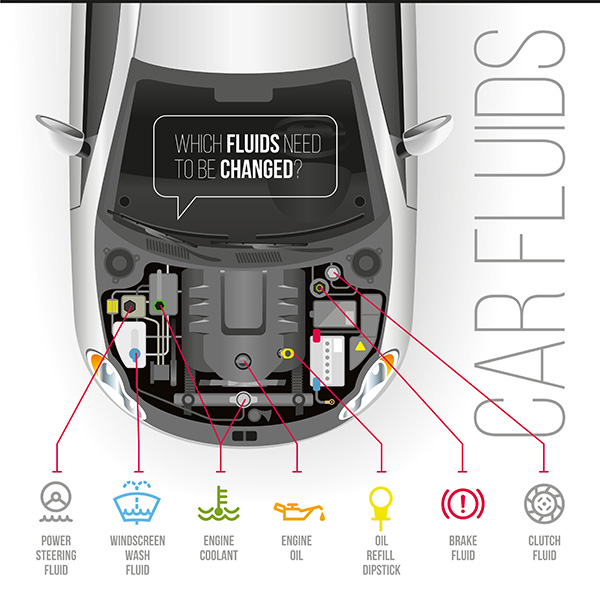 Vehicle Fluids You Should Check Regularly
What is the most important Kia Rio maintenance task?
Oil changes are the most important routine task because clean oil protects the engine. Tire pressure, brake inspections, coolant care, and filter replacements are also essential.
Leave a Reply