
How to Drive on Snow and Ice
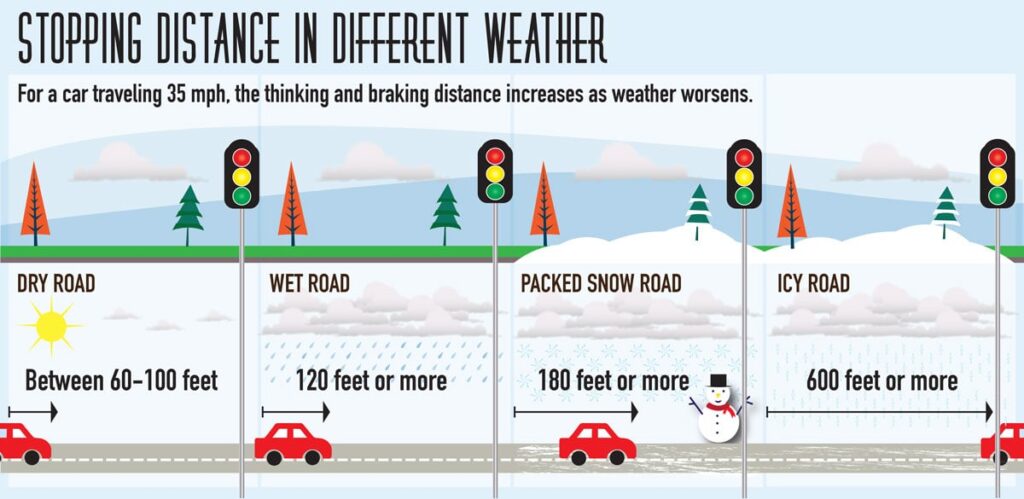
Driving on snow and ice requires a fundamental shift in technique and mindset, as the usual rules of the road become unreliable. Traction is dramatically reduced, making every action—from accelerating to braking to turning—a potential hazard. The key to safe winter driving is not speed, but smoothness and anticipation.
This article explores essential strategies for maintaining control on slick surfaces, offering practical advice on tire selection, safe following distances, and how to handle common emergencies like skidding. Whether you are a seasoned driver or a newcomer to winter conditions, mastering these principles is crucial for navigating icy roads with confidence and caution.
- How to Drive on Snow and Ice
- Essential Techniques for Driving on Snow and Ice
- Preparing Your Vehicle for Ice and Snow Driving
- Techniques for Maintaining Control on Slippery Surfaces
- Strategies for Navigating Hazardous Road Conditions
- How to Accelerate Safely on Ice
- How to Brake Effectively on Ice
- General Tactics for Maintaining Control on Ice
- How to Adjust Speed and Following Distance on Icy Roads
- Techniques for Steering and Braking in Snow and Ice
- Vehicle Preparation and Equipment for Winter Driving
- Frequently Asked Questions
How to Drive on Snow and Ice
Driving on snow and ice requires extreme caution and a completely different approach compared to dry pavement. The key is to prioritize smoothness and anticipation: every action—accelerating, steering, and braking—must be gradual to avoid losing traction. Before you even start the engine, ensure your vehicle is equipped with winter tires or chains, and clear all snow from the windows, roof, and lights for maximum visibility.
On the road, reduce your speed significantly, increase your following distance to at least 8 to 10 seconds, and avoid sudden movements. If you do start to skid, remember to steer into the skid and avoid slamming on the brakes. The ultimate goal is to maintain control and arrive safely by respecting the reduced grip of the road surface.
Essential Vehicle Preparation Before Driving
Proper preparation is your first line of defense; before venturing out, thoroughly clear all snow and ice from your vehicle—including the roof, hood, and all lights—to ensure you have unobstructed visibility and other drivers can see you. Install winter or all-weather tires with sufficient tread depth (at least 6/32 of an inch) and check your tire pressure, as it drops in cold weather.
Equip your car with an emergency kit containing a blanket, ice scraper, flashlight, jumper cables, and sand or kitty litter for traction if you get stuck, and ensure your windshield washer fluid is rated for sub-freezing temperatures.
You might be interested in this content.
Proper Steering and Braking Techniques on Slippery Roads
When navigating ice and snow, your steering and braking must be gentle and deliberate; steer smoothly and avoid sudden turns, as jerking the wheel can cause the tires to lose grip and initiate a skid. For braking, apply the brakes gently and early—if your vehicle has an anti-lock braking system (ABS), maintain firm, continuous pressure and do not pump the pedal, letting the system pulse the brakes for you.
If you start to slide, focus your eyes on where you want to go and steer into the direction of the skid while easing off the accelerator; never slam on the brakes, which can worsen the slide.
Speed Control and Maintaining Safe Following Distance
Speed is the most critical factor on icy roads—drive at substantially lower speeds than usual, even below the posted limit, as traction can vanish at high speeds. Increase your following distance to at least 8 to 10 seconds behind the vehicle ahead to give yourself ample time to react and stop; this is crucial because stopping distances on ice can be 10 times longer than on dry pavement.
Avoid using cruise control on snowy or icy roads as it can cause the vehicle to accelerate unexpectedly when traction is lost, and be especially cautious on bridges, overpasses, and shaded areas where ice forms first and melts last.
| Driving Condition | Recommended Speed Reduction | Following Distance | Key Action |
|---|---|---|---|
| Light Snow or Compacted Snow | Reduce speed by 30-50% | At least 6-8 seconds | Use gentle acceleration and braking |
| Black Ice or Heavy Snow | Reduce speed by 50-70% | At least 10-12 seconds | Steer smoothly; avoid all sudden moves |
| Blizzard Conditions | Reduce speed by 70-90% or stop safely | Maximum possible (over 15 seconds) | Pull over and wait for improved visibility |
Essential Techniques for Driving on Snow and Ice
What are the essential tips for beginners driving on ice and snow?
Essential tips for beginners driving on ice and snow include reducing speed significantly, as braking distance increases dramatically on slippery surfaces. Avoid sudden movements with the steering wheel, accelerator, or brakes to prevent skidding. Increase following distance to at least 8-10 seconds behind the vehicle ahead. Use gentle, steady steering inputs and anticipate stops early by easing off the gas well in advance. Ensure tires have adequate tread depth and consider winter tires for better traction.
Clear all snow and ice from windows, mirrors, and lights before driving. Drive with headlights on for visibility, even during daylight. If you start to skid, steer in the direction you want the front of the car to go without overcorrecting. Practice in an empty, snow-covered parking lot to get a feel for vehicle response.
You might be interested in this content. Highway Driving Tips for Beginners
Preparing Your Vehicle for Ice and Snow Driving
Vehicle checks and equipment necessary for safe winter driving
A well-prepared vehicle is the foundation of safe driving in winter conditions. Start by inspecting tire condition and pressure, as cold weather reduces tire inflation. Winter tires are recommended because their rubber compound stays flexible in low temperatures and their tread patterns provide better grip on snow and ice.
Check all fluids, including antifreeze levels, windshield washer fluid rated for freezing temperatures, and oil viscosity appropriate for cold starts. Ensure the battery is strong, as cold weather reduces its capacity. Keep an emergency kit in the trunk with items such as a snow shovel, ice scraper, blanket, flashlight, jumper cables, sand or cat litter for traction, and extra warm clothing.
- Check tire tread depth using the penny test — insert a penny upside down into the tread; if you see Lincoln's head entirely, replace the tire.
- Test all lights, including brake lights and turn signals, for proper function.
- Replace windshield wipers with winter-specific blades to prevent ice buildup and ensure clear visibility.
- Install winter tires with a tread depth of at least 6/32 inch for optimal snow performance.
- Verify that the defroster and heating system work effectively to keep windows clear.
Techniques for Maintaining Control on Slippery Surfaces
Driving maneuvers that prevent skids and improve traction
Control on ice and snow requires a different approach to acceleration, braking, and steering. Accelerate gently from a stop to avoid spinning the wheels, using the lowest gear possible if you have a manual transmission. When braking, apply the brakes smoothly and gradually; if your vehicle has anti-lock brakes, press firmly and let the system pulse automatically.
Do not pump the brakes. For steering, look far ahead and make small, gradual inputs to avoid upsetting the car's balance. On curves, reduce speed before entering the turn rather than braking while turning. If the road is icy, consider driving in a higher gear to reduce torque. Maintain a steady speed on hills by building momentum before the incline and avoiding gear changes while climbing.
- Accelerate slowly using light pressure on the gas pedal to prevent wheel spin.
- Brake earlier than usual and with gentle pressure, allowing extra space for stopping.
- Steer smoothly by making small corrections rather than sharp turns.
- Use engine braking by downshifting gradually on downhill slopes to reduce reliance on brakes.
- If you begin to skid, take your foot off the gas and steer into the direction of the skid without slamming the brakes.
Decision-making and route planning for winter driving safety
Choosing the right route and adjusting your mindset are critical for beginners. Before driving, check weather reports and road conditions to avoid known trouble spots such as unplowed roads or steep inclines. Plan for extra travel time and inform someone of your intended route. On the road, watch for black ice, which appears as a glossy sheen on the pavement, especially on bridges, overpasses, and shaded areas.
Reduce speed when approaching intersections, as others may also struggle to stop. If visibility drops significantly due to blowing snow, pull over safely away from traffic and turn on hazard lights. Avoid using cruise control on slippery surfaces, as it may cause unintended acceleration on icy patches. Remember that four-wheel drive helps with acceleration but does not improve braking or steering on ice.
You might be interested in this content. How to Improve Fuel Economy While Driving
- Identify and avoid roads known for icing, such as those near rivers, lakes, or shaded forest areas.
- Use lower gears on snowy or icy hills to maintain traction without relying on brakes.
- Keep a safe distance from snowplows and salt trucks, at least 200 feet behind them.
- Stop at rest areas periodically to clear ice from wipers and headlights if conditions cause buildup.
- Familiarize yourself with the location of nearby tow services and emergency call boxes along your route.
What are the optimal actions—accelerating or braking—on icy roads?
On icy roads, the optimal actions are to avoid both accelerating and braking abruptly, and instead prioritize gentle, controlled inputs to maintain traction. Specifically, for accelerating, you should apply minimal throttle to prevent wheel spin, and for braking, you should pump the brakes gently (if using a vehicle without anti-lock brakes, or ABS) or apply steady, light pressure with ABS systems. The key is to reduce speed gradually and avoid sudden movements that could cause loss of control.
How to Accelerate Safely on Ice
Gradual Throttle Input to Prevent Wheel Spin
Accelerating on ice requires a feather-light touch on the accelerator pedal. Abrupt or hard acceleration can cause the drive wheels to spin, reducing traction and leading to skidding or loss of directional control. To start moving, gently press the pedal until you feel the vehicle begin to creep forward without excessive engine revving. The goal is to maintain a steady, low speed while avoiding any sudden bursts of power.
- Start in a higher gear, such as second gear in a manual transmission, to reduce torque and minimize wheel spin.
- Use the vehicle's traction control system if available, as it automatically reduces power to spinning wheels.
- If you feel the wheels starting to spin, ease off the accelerator slightly until traction is regained, then reapply pressure slowly.
How to Brake Effectively on Ice
Applying Gentle Braking to Avoid Skidding
Braking on ice demands cautious technique to prevent the wheels from locking up or the vehicle from sliding. Hard braking can cause the tires to lose grip, resulting in a loss of steering ability and potential accidents. Instead, brake early and gradually, allowing extra distance for the vehicle to stop. If your car lacks ABS, pump the brakes by applying and releasing pressure repeatedly to slow down without locking the wheels.
- Increase following distance to at least 8-10 seconds behind the vehicle ahead to allow for longer stopping times.
- For ABS-equipped vehicles, apply firm, steady pressure to the brake pedal and let the system pulse automatically; avoid pumping the brakes yourself.
- If you begin to skid while braking, take your foot off the brake pedal and steer into the skid to regain vehicle alignment before reapplying brakes gently.
General Tactics for Maintaining Control on Ice
Combining Smooth Inputs and Speed Reduction
Beyond specific accelerating and braking actions, overall driving strategy on ice revolves around anticipation and smoothness. Abrupt steering, rapid gear changes, or sudden speed adjustments can upset the vehicle's balance and induce slides. By reducing your speed well before curves, accelerating only after straightening the wheels, and braking with ample time, you maximize tire grip and minimize the risk of losing control.
- Reduce speed before entering turns by braking while the vehicle is still straight, then coast gently through the corner without accelerating or braking.
- Avoid using cruise control on icy roads, as it may increase throttle unpredictably when traction changes.
- Keep both hands on the steering wheel and make smooth, gradual steering corrections to avoid overcorrecting and causing a spin.
What is the safest method for driving through ice and snow?
The safest method for driving through ice and snow involves reducing speed, increasing following distance, and avoiding sudden maneuvers. Maintaining control requires smooth inputs on the steering wheel, brakes, and accelerator. Equip your vehicle with winter tires for better traction. Before driving, clear all snow and ice from windows, mirrors, lights, and the roof.
On the road, accelerate and decelerate gradually to prevent skidding. If you start to slide, steer in the direction you want the front of the car to go and avoid slamming the brakes. Use lower gears on hills to maintain traction and avoid stopping on inclines. Keep a full tank of gas and an emergency kit in the car.
You might be interested in this content. Safe Driving During Heavy Rain
How to Adjust Speed and Following Distance on Icy Roads
Managing Momentum and Space for Safety
On ice and snow, stopping distances can increase by up to ten times compared to dry pavement. Reduce your speed well below the posted limit, especially on curves, bridges, and shaded areas where ice forms first. Increase your following distance to at least eight to ten seconds behind the vehicle ahead.
This gives you ample time to react if the car in front brakes or slides. Avoid using cruise control, as it can cause unintended acceleration on slippery surfaces. When approaching intersections or traffic lights, begin slowing down much earlier than normal to avoid locking your wheels.
- Drive at a speed that allows you to maintain control and stop safely within your line of sight.
- Keep a following distance of 8 to 10 seconds to account for reduced traction.
- Disable cruise control to maintain full manual control over acceleration and deceleration.
Techniques for Steering and Braking in Snow and Ice
How to Avoid and Correct Skids
Smooth steering and braking are critical to prevent losing traction. When turning, slow down before the curve, then steer gently through it without accelerating hard. If you must brake on ice, apply steady, gentle pressure; if your vehicle has an anti-lock braking system (ABS), press the pedal firmly and let it pulsate.
Do not pump the brakes on a car with ABS. If your rear wheels slide, steer in the direction of the skid to straighten the vehicle. For front-wheel skids, release the accelerator and steer gently in the direction you want to go. Avoid sudden lane changes or jerky wheel movements.
- Brake gently before curves and steer smoothly through them.
- If skidding, look and steer where you want the front of the car to go.
- Do not overcorrect or slam the brakes; ease off the accelerator and countersteer gradually.
Vehicle Preparation and Equipment for Winter Driving
Essential Maintenance and Gear to Minimize Risk
Before venturing onto icy roads, ensure your vehicle is winter-ready. Install winter tires with adequate tread depth for maximum grip. Check antifreeze levels, battery condition, and windshield washer fluid rated for low temperatures. Keep an emergency kit containing a shovel, ice scraper, blankets, flashlight, jumper cables, and sand or cat litter for traction. Maintain clear visibility by using defrosters and keeping windows free of frost. Also, ensure your headlights and taillights are clean and functioning, as snow can obscure them quickly.
- Install snow tires or all-weather tires with the winter rating symbol.
- Carry a winter emergency kit with traction aids, warmth items, and tools.
- Verify all lights, wipers, and defrosters are working before departure.
Frequently Asked Questions
What is the most important rule when driving on snow and ice?
The most important rule is to drive slowly and smoothly. Reduce your speed significantly below the posted limit to maintain traction. Avoid sudden acceleration, braking, or steering inputs, as these can cause skids. Gentle and deliberate actions help your tires grip the slippery surface, giving you more control and reducing the risk of losing control of the vehicle.
You might be interested in this content. Driving Tips for New Drivers
How should I brake on icy roads?
Brake gently and early to prevent skidding. If your vehicle has anti-lock brakes (ABS), apply firm, steady pressure and let the system do the pulsing work. Do not pump the brakes manually. For vehicles without ABS, use a gentle pumping motion to avoid locking the wheels. Always give yourself extra distance to stop, since icy roads dramatically increase stopping times.
What should I do if my car starts to skid?
Stay calm and avoid slamming on the brakes. If your rear wheels skid, steer gently in the direction you want the front of the car to go. If your front wheels lose traction, take your foot off the accelerator and shift to neutral if possible to regain grip. Do not overcorrect the steering; smooth, small adjustments will help stabilize the vehicle without causing a spin.
How can I prepare my car for winter snow driving?
Ensure your tires have adequate tread depth and are properly inflated, as cold weather reduces pressure. Consider using winter tires for better grip on ice and snow. Keep your gas tank at least half full to prevent fuel line freezing, and pack an emergency kit including a scraper, blanket, shovel, and flashlight. Check antifreeze levels and wiper fluid effectiveness for cold temperatures.
Leave a Reply