
Safe Driving During Heavy Rain
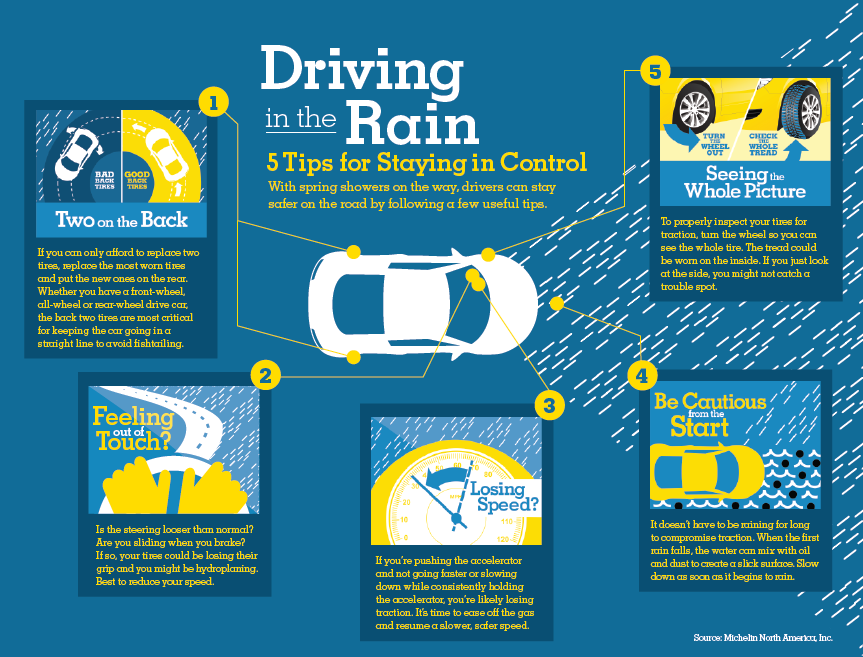
Driving in heavy rain presents significant challenges, transforming familiar roads into hazardous waterways. Reduced visibility, patchy traction, and the risk of hydroplaning demand heightened caution from every motorist. A sudden downpour can turn a routine commute into a nerve-wracking experience, where the difference between a safe arrival and a collision often lies in simple, practiced precautions.
Understanding how to manage your vehicle, adjust your speed, and maintain awareness of other drivers during a deluge is essential. This guide outlines critical techniques for navigating wet roads, from proper tire maintenance and headlight use to defensive maneuvers in standing water.
Essential Strategies for Safe Driving During Heavy Rain
Driving during heavy rain presents significant hazards, including reduced visibility, slippery road surfaces, and an increased risk of hydroplaning. To navigate these conditions safely, drivers must adjust their behavior by slowing down, using headlights, and maintaining a greater following distance.
Your safety depends on proactive preparation and calm, focused driving. Understanding how your vehicle and the road react to water is critical, as even routine maneuvers like braking or turning become more dangerous. By respecting the weather and adopting defensive driving techniques, you can substantially lower the chance of an accident.
You might be interested in this content. Best Driving Habits for Vehicle Longevity
How to Prevent Hydroplaning
Hydroplaning occurs when a layer of water builds between your tires and the road, causing you to lose traction and control. To prevent this, reduce your speed significantly when roads are wet, as higher speeds are the primary cause of hydroplaning.
Ensure your tires have sufficient tread depth (at least 4/32 of an inch) to channel water away, and avoid sudden braking or sharp turns. If you feel the car begin to hydroplane, remain calm, ease off the accelerator, and steer straight until you regain contact with the road.
Maintaining Proper Visibility in Downpours
Heavy rain can instantly obscure your windshield and side windows, making it nearly impossible to see other vehicles or obstacles. Before driving, ensure your windshield wipers are in good condition and replace them if they leave streaks.
Use your vehicle’s defroster and air conditioning to prevent fog from forming inside the glass, and always turn on your low-beam headlights (not high beams, which can reflect off rain and worsen visibility). If the rain becomes so intense that you cannot see the road ahead, pull over to a safe location until the downpour subsides.
You might be interested in this content. Night Driving Safety Tips
Safe Following Distance and Braking Techniques
On wet roads, it takes significantly more distance to bring your vehicle to a complete stop. Increase your following distance to at least five or six seconds behind the car in front of you, instead of the typical two-second rule for dry conditions.
When braking, apply the brakes gently and gradually to avoid locking the wheels or causing a skid; if your car has anti-lock brakes, do not pump the pedal—apply steady, firm pressure. Avoid driving through standing water, as it can hide deep potholes or cause your brakes to become less effective.
| Condition | Recommended Speed | Following Distance |
|---|---|---|
| Light Rain | Reduce by 10 mph | 4 seconds |
| Heavy Rain | Reduce by 15-20 mph | 6 seconds |
| Standing Water | Under 30 mph or avoid | 8 seconds |
Frequently Asked Questions
What is the most important thing to do when driving in heavy rain?
Your top priority is to slow down. Reducing your speed is crucial because heavy rain significantly decreases tire traction and increases stopping distances. Driving slower gives you more reaction time and reduces the risk of hydroplaning. Also, turn on your headlights to improve your visibility and help other drivers see you. Avoid using cruise control, as it can cause you to lose control on slick roads.
How can I maintain safe visibility during a heavy downpour?
To maintain visibility, ensure your windshield wipers are in good condition and set to the appropriate speed. Your defroster should be on to prevent fogging. Most importantly, keep a greater following distance from the vehicle ahead to avoid spray that can blind you. If the rain is so heavy that you cannot see the road or taillights ahead, safely pull over to a rest area and wait for the rain to ease.
You might be interested in this content. Winter Road Trip Driving Guide
What should I do if my car starts to hydroplane?
If you begin to hydroplane, which feels like floating or loss of steering control, it is critical to stay calm. Do not slam on your brakes, as this can cause a spin. Instead, gently take your foot off the accelerator to allow the car to slow down naturally. Keep your steering wheel pointed straight ahead. As your tires regain traction, you will slowly regain control of the vehicle’s direction.
Is it safer to drive in the middle lane during heavy rain?
Yes, generally the middle lane is the safest. Water tends to pool in the outer lanes, especially on curved roads and near shoulders, increasing the hydroplaning risk. The center lane usually has the highest crown, allowing water to run off more effectively. Additionally, driving here keeps you away from standing water that can accumulate at the road's edges, which is often deeper and more hazardous.
Leave a Reply