
Winter Road Trip Driving Guide
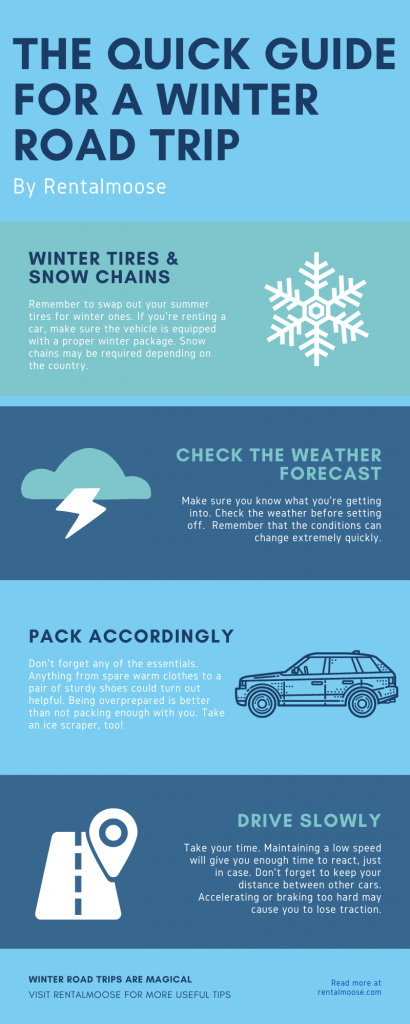
Embarking on a winter road trip offers breathtaking scenery and serene landscapes, but it also presents unique challenges that demand careful preparation. From icy highways to sudden snowstorms, driving in cold conditions requires heightened awareness and specialized strategies to ensure safety.
This guide equips travelers with essential tips on vehicle readiness, including tire checks and emergency kits, alongside techniques for navigating slippery roads and maintaining visibility. Whether you're a seasoned winter driver or a first-time adventurer, mastering these precautions transforms a risky journey into a memorable experience, letting you focus on the beauty of frosty vistas.
- Essential Strategies for a Safe Winter Road Trip Driving Guide
- Pre-Trip Vehicle Inspection and Preparation
- Driving Techniques for Icy and Snowy Roads
- Emergency Kit and On-Road Survival Supplies
- Essential Vehicle Preparation for Winter Driving
- Strategic Route Planning and Real-Time Adjustments
- Emergency Preparedness and On-Road Safety Protocols
- Pre-Trip Vehicle Inspection and Preparation
- Packing an Emergency Kit and Supplies
- Driving Techniques for Snow and Ice
- Frequently Asked Questions
Essential Strategies for a Safe Winter Road Trip Driving Guide
A winter road trip requires meticulous planning and a shift in driving techniques to navigate the unique hazards of snow, ice, and reduced visibility. This guide provides critical information to help you prepare your vehicle, adapt your driving style, and respond to emergencies, ensuring your journey is as safe as it is memorable. The key to a successful winter drive is not just reaching your destination, but doing so with confidence and caution on every mile of the road.
Pre-Trip Vehicle Preparation and Emergency Kit
Before embarking on a winter road trip, your vehicle's readiness is paramount. This starts with ensuring your battery is in good condition and your tires have adequate tread, ideally switching to dedicated winter tires for superior grip on snow and ice. Check all fluids, including antifreeze, windshield washer fluid with a low-freezing point, and oil.
Beyond mechanical checks, assembling a comprehensive emergency kit is non-negotiable; this should include a shovel, ice scraper, jumper cables, a blanket, extra warm clothing, non-perishable food, water, a flashlight, and a first-aid kit. Having these items can be the difference between a minor inconvenience and a dangerous situation if you become stranded.
Mastering Winter Driving Techniques on the Road
Driving on winter roads demands a complete departure from summer driving habits. The golden rule is to drive slowly and smoothly; accelerate gently, brake early and softly, and turn the steering wheel at a gradual pace.
You might be interested in this content. How to Drive in Fog Safely
Increase your following distance to at least eight to ten seconds behind the vehicle ahead to allow for longer stopping distances on slick surfaces. If your car begins to skid, do not slam on the brakes. Instead, look and steer in the direction you want to go and avoid overcorrecting. On hills, build up a small amount of momentum before an incline, but never accelerate on the climb itself to prevent spinning your tires.
Each type of winter weather presents a unique set of challenges. Black ice, a transparent sheet of ice on the road, is particularly dangerous as it is often invisible; be especially cautious on bridges, overpasses, and in shaded areas where it forms frequently.
In heavy snowfall or blizzard conditions, reduce your speed drastically and use your low-beam headlights to improve visibility, as high beams can reflect off the snow and create a blinding glare. If conditions become too severe, do not hesitate to pull over to a safe location, such as a rest stop or a gas station, and wait out the storm. Never stop in a travel lane or on the shoulder if you can avoid it.
| Hazard | Primary Risk | Recommended Action |
|---|---|---|
| Black Ice | Loss of traction without warning | Drive at a reduced speed on bridges and shaded roads; avoid sudden braking. |
| Snowpack | Reduced tire grip and ruts | Maintain steady momentum and gentle steering; stay in plowed tracks if possible. |
| Blizzard | Zero visibility and whiteouts | Pull over to a safe area, turn off your car to avoid carbon monoxide poisoning, and wait. |
Pre-Trip Vehicle Inspection and Preparation
Ensuring Your Car is Winter-Ready
Before embarking on a winter road trip, a thorough inspection of your vehicle is critical to prevent breakdowns and accidents caused by cold weather. Start by checking the battery, as cold temperatures reduce its efficiency, and ensure all connections are clean and tight. Examine the antifreeze levels in the coolant system to confirm they are appropriate for freezing conditions. Finally, test your heating and defrosting systems to maintain clear visibility and comfort during the drive.
- Check the battery charge and condition; replace if it is over three years old or shows signs of weakness.
- Inspect all fluid levels, including windshield washer fluid with a freeze-resistant formula.
- Verify tire tread depth (at least 1/6 inch) and pressure, adjusting for colder temperatures as recommended by the manufacturer.
Driving Techniques for Icy and Snowy Roads
Adjusting Your Behavior Behind the Wheel
Winter roads demand a different approach to driving to maintain control and avoid skids. Reduce your speed significantly below posted limits, as traction is compromised on ice and snow. Increase your following distance to at least eight to ten seconds behind the vehicle ahead to allow for longer stopping distances. Use smooth, gradual inputs for acceleration, braking, and steering to prevent losing grip.
- Accelerate gently from a stop to avoid spinning the wheels, especially on slick surfaces.
- Brake early and lightly, using a pumping motion if your vehicle lacks anti-lock brakes, to avoid locking the wheels.
- Steer into a skid if the rear wheels slide, and avoid overcorrecting to maintain directional control.
Emergency Kit and On-Road Survival Supplies
Packing for Unexpected Winter Weather Events
Even with careful planning, winter road trips can encounter sudden storms or delays, making an emergency kit essential. Keep a well-stocked bag in the trunk with items to provide warmth, visibility, and basic survival if you become stranded. Include a first aid kit, high-energy snacks, and a flashlight with extra batteries. Also, pack de-icing tools like a scraper and a bag of sand or kitty litter for traction if you get stuck.
You might be interested in this content. Tips for Long-Distance Driving
- Carry warm blankets, extra clothing layers, and waterproof boots to protect against hypothermia.
- Include a fully charged portable phone charger and a physical map, as electronic devices may lose battery or signal.
- Add a shovel, jumper cables, and a reflective warning triangle for roadside emergencies and traffic safety.
How to Plan a Safe 5-Day Winter Road Trip: Essential Driving Guide
Planning a safe 5-day winter road trip requires meticulous preparation to handle unpredictable weather, reduced visibility, and slippery roads. The essential driving guide focuses on vehicle readiness, route planning, and emergency supplies.
Begin by checking your car’s battery, tires (consider winter or all-season tires with good tread), antifreeze levels, and windshield wiper fluid rated for low temperatures. Pack a winter emergency kit including a shovel, ice scraper, blankets, flashlights, extra batteries, non-perishable food, water, a first-aid kit, and a portable phone charger. Plan your route by monitoring weather forecasts and road conditions daily, avoiding high-risk areas like mountain passes during storms.
Allow extra travel time, drive slowly (below speed limits if needed), increase following distance to 8-10 seconds, and avoid sudden braking or acceleration. Keep your gas tank at least half full to prevent fuel line freezing and ensure warmth if stranded. Inform a contact of your itinerary and check in regularly. Finally, stay flexible—if conditions worsen, delay travel or seek shelter rather than risking safety.
Essential Vehicle Preparation for Winter Driving
Conducting a Pre-Trip Mechanical Inspection
A thorough vehicle inspection before departure is critical to prevent breakdowns in freezing conditions. Focus on the battery, as cold weather reduces its capacity by up to 50%; test its charge and clean any corrosion. Ensure tires have at least 4/32 inch tread depth for traction on snow and ice, and inflate them to the manufacturer’s recommended pressure, which may need adjustment in cold temperatures. Check the cooling system’s antifreeze concentration with a hydrometer to ensure it withstands -30°F or lower.
Verify that all lights, including headlights, taillights, and turn signals, are clean and functional for reduced visibility. Replace worn windshield wiper blades and top off fluid with a winter-grade solution containing de-icer. Additionally, test the heater and defroster to keep windows clear and the interior warm. Schedule a professional inspection if you lack mechanical expertise, as a small issue like a failing alternator can become dangerous in remote winter environments.
- Inspect battery terminals for corrosion and load test the battery to confirm it holds a full charge.
- Check tire tread depth using a penny test (Lincoln’s head should be partially covered) and adjust tire pressure to cold-weather specifications.
- Test antifreeze concentration with a hydrometer; ensure it provides protection at least 30°F below the lowest expected temperature.
- Verify all exterior lights work and are free of snow or ice buildup for maximum visibility.
- Replace old windshield wiper blades and fill the reservoir with winter-rated fluid containing de-icer.
Strategic Route Planning and Real-Time Adjustments
Analyzing Weather Patterns and Road Conditions
Effective route planning involves continuously evaluating weather forecasts and road reports to avoid hazardous areas. Before departing, study multi-day forecasts for your entire route using reliable sources like NOAA or local transportation agencies, noting potential blizzards, ice storms, or temperature drops below freezing.
You might be interested in this content. How to Drive an AWD Vehicle Properly
Identify alternative roads, such as lower elevation highways or those with frequent maintenance, in case primary routes close. Use real-time apps like Waze or Google Maps to monitor for accidents, black ice warnings, or chain restrictions.
Plan rest stops every 2-3 hours at well-lit, populated areas like rest stops or towns, avoiding remote stretches at night. If a storm is predicted, avoid driving through it by delaying your start or finding accommodation early. For mountain passes, check for chain requirements and practice installing them beforehand. Remember that winter daylight is short, so schedule most driving between 9 a.m. and 4 p.m. when temperatures are slightly warmer and visibility is better.
- Check multi-day forecasts for all regions along your route and identify weather advisory alerts.
- Map out alternative routes that avoid high-altitude roads prone to sudden closures or avalanches.
- Use real-time traffic and weather apps to reroute around accidents or road hazards instantly.
- Schedule mandatory breaks every 2-3 hours at safe, populated locations to reduce fatigue.
- Limit driving hours to daylight periods, with most travel between late morning and early afternoon.
Emergency Preparedness and On-Road Safety Protocols
Building a Comprehensive Survival Kit and Response Plan
Being stranded in winter conditions without supplies can quickly become life-threatening, so a well-stocked emergency kit is non-negotiable. Assemble items in a waterproof container, including two blankets (wool or emergency thermal), a folding shovel, ice scraper, and bag of kitty litter or sand for traction.
Pack high-calorie, non-perishable foods like protein bars, nuts, and canned goods with a manual can opener, plus at least one gallon of water per person per day for three days. Include a first-aid kit with antiseptic, bandages, and any personal medications.
Add a flashlights with extra batteries, a portable power bank for phones, and a battery-operated weather radio. In the vehicle, keep a window-breaking safety hammer and a whistle to signal for help. If stranded, stay in the car to maintain warmth, run the engine for 10 minutes per hour (ensuring the exhaust pipe is clear of snow), and display a brightly colored cloth on the antenna. Never leave the vehicle during a whiteout, as disorientation leads to hypothermia.
- Pack thermal blankets, a folding shovel, an ice scraper, and traction aids like sand or kitty litter in a waterproof container.
- Include three days worth of non-perishable food, water, a manual can opener, and any prescription medications.
- Add a flashlight with spare batteries, a portable charger for devices, and a NOAA weather radio for updates.
- Equip the car with a window-breaking hammer and a whistle for signaling assistance.
- Memorize the stranded protocol: stay in vehicle, run engine intermittently, and signal with a bright cloth.
Pre-Trip Vehicle Inspection and Preparation
Ensuring Your Car is Winter-Ready
Before departing, a comprehensive check of your vehicle is essential to handle cold weather and hazardous roads. This reduces the risk of breakdowns and improves safety. Inspect these areas thoroughly to prepare for the journey.
You might be interested in this content.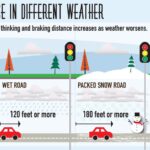 How to Drive on Snow and Ice
- Check the battery charge and terminals for corrosion, as cold reduces cranking power.
- Verify tire tread depth is at least 4/32 inch and inflate to the recommended pressure for snow traction.
- Replace windshield washer fluid with a winter blend rated for temperatures below freezing, and top up antifreeze in the cooling system.
Packing an Emergency Kit and Supplies
Must-Have Items for Unexpected Situations
Winter conditions can lead to sudden delays, whiteouts, or vehicle failures. A well-stocked emergency kit helps you survive until help arrives. Pack items that address warmth, visibility, and basic car repairs.
- Include blankets, extra warm clothing, gloves, and a sleeping bag to stay warm if stranded.
- Carry a shovel, ice scraper, and bag of sand or kitty litter for traction on ice or snow.
- Store non-perishable food, water, a flashlight with extra batteries, and a first-aid kit for extended waits.
Driving Techniques for Snow and Ice
Adjusting Your Behavior Behind the Wheel
Safe driving on winter roads requires reduced speeds, increased following distance, and smooth control inputs. Icy patches and black ice are particularly deceptive, so anticipating risks is critical. Mastering specific techniques can prevent loss of control.
- Accelerate and brake gently to avoid wheel spin and maintain traction on slick surfaces.
- Increase your following distance to at least eight to ten seconds behind other vehicles for longer stopping time.
- If you start to skid, steer in the direction you want the front of the car to go without overcorrecting, and avoid slamming brakes.
Frequently Asked Questions
What is the most important preparation for a winter road trip?
The most critical preparation is ensuring your vehicle is winter-ready. This includes checking your battery, antifreeze, windshield washer fluid, and tires (ideally winter tires with good tread). You should also pack an emergency kit with blankets, a flashlight, extra food and water, jumper cables, and a shovel. Lastly, inform someone of your route and expected arrival time.
How should I drive safely on snow and ice?
Reduce your speed significantly and increase your following distance to at least eight to ten seconds. Accelerate and brake gently to avoid skidding. If you start to skid, steer in the direction you want to go and avoid slamming the brakes. Use lower gears on hills for better control. Avoid using cruise control on slippery roads.
What should I do if I get stuck in a snowstorm?
Stay in your vehicle; it provides shelter and visibility for rescuers. Run the engine sparingly, just enough to keep warm, and ensure the exhaust pipe is clear of snow to prevent carbon monoxide poisoning. Make yourself visible by turning on interior lights, hanging a bright cloth on your antenna, and raising your hood.
What are common winter driving hazards besides snow?
Black ice is a major invisible hazard, often forming on bridges, overpasses, and shaded road sections. Another is reduced visibility from fog, heavy snow, or blowing snow. Also, watch for reduced daylight hours, which increase the risk of encountering wildlife on the road. Always be aware that road surfaces can change abruptly.
You might be interested in this content. Driving Safely in Canadian Winters
Leave a Reply