
Common Suspension Problems
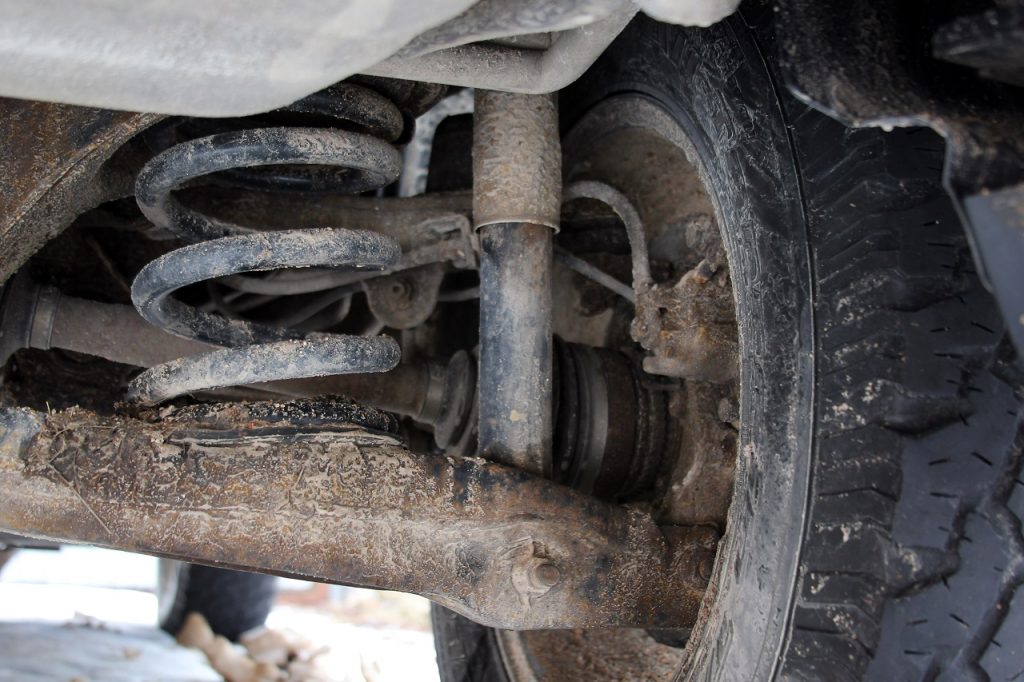
A smoothly functioning suspension system is crucial for vehicle safety, comfort, and control. However, exposure to harsh road conditions, wear and tear, and time can lead to several common issues. Drivers may notice symptoms like excessive bouncing during bumps, the vehicle pulling to one side, uneven tire wear, or a rough and jarring ride.
These signs often point to problems such as worn-out shock absorbers or struts, broken or sagging coil springs, damaged ball joints, or faulty control arm bushings. Neglecting these issues can compromise handling and braking, making early diagnosis and repair essential for maintaining optimal driving dynamics.
- Common Suspension Problems
- Common Suspension Problems: Causes and Solutions
- Common Symptoms of Worn Shock Absorbers and Struts
- Failing Sway Bar Links and Bushings
- Worn Ball Joints and Control Arm Bushings
- Worn Shock Absorbers and Struts
- Damaged or Broken Coil Springs
- Failing Ball Joints and Bushings
- Worn Struts and Shock Absorbers in Toyota Camry and RAV4
- Rear Coil Spring Breakage in Toyota Tacoma and 4Runner
- Noisy or Loose Sway Bar Links and Bushings in Toyota Highlander
- Frequently Asked Questions
Common Suspension Problems
Suspension systems are vital for vehicle stability, ride comfort, and tire longevity, but they are subject to wear and tear over time. Common issues often manifest as unusual noises, uneven tire wear, or a rough driving experience.
Addressing these problems promptly can prevent more severe damage to other vehicle components and ensure safety on the road. Below are three specific and frequent suspension problems every driver should recognize.
Worn Shock Absorbers or Struts
Shock absorbers and struts are designed to dampen the oscillations of the springs, controlling the vehicle's bounce and sway. When these components wear out, you may notice excessive bouncing after hitting a bump, a nosedive during braking, or a swaying sensation when cornering.
You might be interested in this content. Why Is My Car Overheating?
Leaking hydraulic fluid on the outside of the shock is a clear visual indicator of failure. Driving with worn shocks not only reduces ride comfort but also significantly increases stopping distances and compromises steering control, especially in emergency maneuvers.
Broken or Sagging Coil Springs
Coil springs support the vehicle's weight and absorb road impact, but they can crack or sag over time due to metal fatigue or corrosion. A broken spring often causes the vehicle to sit lower on one corner, leading to a noticeable lean.
This condition results in uneven tire wear, as the alignment angles are thrown off, and a harsh, metallic clunking noise when driving over bumps. A sagging spring on one side can also upset the vehicle's balance, making it pull to one side during driving and accelerate wear on other suspension components like ball joints.
Faulty Ball Joints or Control Arm Bushings
Ball joints connect the control arms to the steering knuckles, allowing for smooth steering and suspension movement, while bushings provide a flexible pivot point. When these parts wear out, you will likely hear a clunking or rattling noise from the front or rear suspension, especially when going over dips or turning.
Excessive play in the steering wheel or a wandering feel on the highway are common symptoms. Neglected ball joints can eventually separate, causing the wheel to collapse inward, which results in a complete loss of control and a serious accident.
You might be interested in this content. Common Steering Problems and Fixes
| Problem | Common Symptoms | Primary Cause |
|---|---|---|
| Worn Shocks/Struts | Bouncing, nosedive, fluid leaks | Age and mileage degradation |
| Broken Coil Springs | Vehicle lean, clunking noise | Metal fatigue or corrosion |
| Faulty Ball Joints | Clunking sound, loose steering | Worn internal bearings or seals |
Common Suspension Problems: Causes and Solutions
What are the most frequent suspension issues in cars?
The most frequent suspension issues in cars include worn shock absorbers or struts, broken coil springs, damaged ball joints, worn bushings, failing sway bar links, and leaking air suspension components.
These problems often manifest as symptoms such as uneven tire wear, a bouncy or bumpy ride, pulling to one side, knocking noises, or excessive body roll during cornering. Wear and tear from road conditions, driving habits, and age are primary causes. Regular inspections and timely replacement of components can prevent more extensive damage.
Common Symptoms of Worn Shock Absorbers and Struts
Indicators of degraded damping performance
Worn shock absorbers or struts reduce the vehicle's ability to control spring movement, leading to a harsh or floating ride. Drivers may notice excessive bouncing after hitting bumps, increased stopping distances, or a tendency for the car to nosedive under braking. These components typically degrade over 50,000 to 100,000 miles, depending on usage.
- Vehicle continues to bounce more than once or twice after hitting a bump.
- Uneven tire wear patterns, such as cupping or scalloping on the tread.
- Fluid leaks visible on the outside of the shock or strut housing.
Failing Sway Bar Links and Bushings
Clunking noises and reduced stability in corners
Sway bar links connect the stabilizer bar to the suspension control arms, while bushings allow the bar to pivot. When links wear out or bushings crack, the stabilizer bar becomes loose, causing a metallic clunking sound when driving over uneven surfaces or turning. This compromises the vehicle's resistance to body roll during maneuvers.
- Distinct clunking or rattling noise from one or both front wheels on rough roads.
- Excessive body lean when taking corners at moderate speeds.
- Visible play or movement in the sway bar link when the vehicle is lifted and the wheel is manipulated.
Worn Ball Joints and Control Arm Bushings
Steering wander and vibration under acceleration or braking
Ball joints allow the steering knuckle to pivot and move with the suspension, while control arm bushings absorb road vibrations. As these components loosen, the wheel alignment shifts, causing the vehicle to pull to one side or vibrate at highway speeds. Severe wear can lead to a sudden loss of steering control.
You might be interested in this content. Why Is My Car Making Strange Noises?
- Steering wheel feels loose or has excessive free play before engaging.
- Vibration felt through the floorboard or steering wheel during acceleration or braking.
- Visible rust or torn rubber boots around the ball joint, indicating contamination.
What are the most common causes of car suspension problems?
The most common causes of car suspension problems include worn-out shock absorbers or struts, damaged or broken coil springs, failing ball joints, worn control arm bushings, bad tie rod ends, degraded sway bar links, and issues with the strut mounts. Over time, road debris, potholes, and normal wear affect these components.
Other causes are leaking hydraulic fluids from the shock absorbers, rust corrosion on metal parts, misalignment from accidents, and under-inflated tires exacerbating suspension stress. Regular maintenance helps, but age and mileage inevitably lead to deterioration.
Worn Shock Absorbers and Struts
Impact of Deteriorated Dampers on Vehicle Control
Shock absorbers and struts are hydraulic components that control the bounce and rebound of the suspension. When they wear out, the vehicle may exhibit excessive bouncing after bumps, nose diving during braking, or swaying during cornering. Leaks in the fluid seals allow hydraulic fluid to escape, reducing damping ability.
- Loss of tire contact with the road, leading to reduced traction and longer stopping distances.
- Increased wear on other suspension parts due to uncontrolled movement.
- Uneven tire wear, often cupping or scalloping patterns on the tread surface.
Damaged or Broken Coil Springs
Structural Failures from Stress and Corrosion
Coil springs support the weight of the vehicle and absorb impacts from the road. They can break due to metal fatigue, rust from salt or moisture exposure, or sudden impacts from potholes. A broken spring often results in a noticeable sag on one corner of the car and clunking noises.
- Severe ride height imbalance, causing the vehicle to lean to one side.
- Potential for the broken spring end to puncture tires or damage other components.
- Reduced ability to absorb bumps, making the ride harsh and unstable.
Failing Ball Joints and Bushings
Degraded Pivot Points and Mounts in the Suspension System
Ball joints connect the control arms to the steering knuckles, allowing pivoting movement, while bushings cushion metal-on-metal contact. Wear in ball joints causes play in the front end, leading to wandering steering and clunking over bumps. Deteriorated bushings (cracked, dry-rotted rubber or worn polyurethane) result in sloppy handling and noise.
You might be interested in this content. Why Does My Car Vibrate at Highway Speeds?
- Loose steering feel with excessive play, especially during cornering or braking.
- Abnormal tire wear patterns, such as feathering on the edges.
- Creaking, popping, or knocking sounds when turning the steering wheel or driving over uneven surfaces.
What Are the Most Common Suspension Problems in Toyota Vehicles?
Toyota vehicles are generally known for reliability, but they are not immune to suspension issues. The most common suspension problems in Toyota vehicles include premature wear of struts and shock absorbers, especially in models like the Camry and RAV4; rear coil spring breakage in models such as the Tacoma and 4Runner; and excessive noise or clunking from sway bar links or bushings.
Other frequent issues involve steering rack leaks in the Corolla and Highlander, as well as control arm bushing deterioration that leads to alignment problems and uneven tire wear.
Worn Struts and Shock Absorbers in Toyota Camry and RAV4
Signs and Causes of Strut and Shock Failure
Struts and shock absorbers in Toyota models often begin to leak fluid or lose damping capability after 50,000 to 70,000 miles. This is common in the Camry and RAV4 due to their front-heavy designs and frequent stop-and-go driving. Symptoms include excessive bouncing when going over bumps, nose diving during braking, and a loose steering feel on highways.
- Leaking hydraulic fluid visible on the strut or shock body indicates seal failure.
- Excessive vehicle sway during cornering or lane changes, such as in a Camry at highway speeds.
- Clunking or knocking sounds from the front suspension when traversing speed bumps or potholes.
Rear Coil Spring Breakage in Toyota Tacoma and 4Runner
Common Causes and Symptoms of Broken Coil Springs
Rear coil springs on Toyota trucks and SUVs, particularly the Tacoma and 4Runner, frequently break near the lower coil due to rust or metal fatigue. This is worsened by salt exposure in colder climates or heavy towing loads. A broken spring causes the vehicle to sag on one side, leading to poor handling and uneven tire wear.
- Sagging rear suspension on one side, making the vehicle sit lower than the other.
- Rattling or metal-on-metal noise from the rear over rough roads or when hitting bumps.
- Premature wear on rear tires, especially on the inner edge, due to altered camber angles.
Noisy or Loose Sway Bar Links and Bushings in Toyota Highlander
Identifying Worn Stabilizer Bar Components
Sway bar links and bushings are common wear items on the Toyota Highlander and other models like the Sienna. After 40,000 to 60,000 miles, the plastic or rubber bushings dry out and crack, while metal links develop play from corrosion. This results in a distinct clunking noise when driving over uneven surfaces or making sharp turns.
You might be interested in this content. Why Is My Car Shaking While Driving?
- Loud clunking or popping sounds from the front or rear when driving over speed bumps at low speeds.
- Excessive body roll during cornering, making the vehicle feel less stable than usual.
- Visible play in the sway bar link ends when manually shaking them, indicating worn ball joints.
Frequently Asked Questions
Why does my car bounce excessively after hitting a bump?
Excessive bouncing usually indicates worn shock absorbers or struts. These components are designed to dampen spring movement. When they fail, the vehicle continues oscillating. Inspect for fluid leaks on the shocks. A simple bounce test—pushing down on the hood or trunk—can reveal poor damping. Replace worn shocks in pairs to restore stability and tire contact with the road.
What causes uneven tire wear in the front?
Uneven front tire wear often stems from misaligned suspension components, particularly the steering linkage or control arms. Worn ball joints or tie rod ends allow wheel movement, causing tire edges to scrub. Check for looseness in the steering wheel. A professional alignment is necessary. Also inspect for damaged bushings that alter suspension geometry.
Why do I hear a clunking noise when turning?
A clunking noise during turns typically points to failing CV joints, especially on front-wheel-drive vehicles. The constant velocity joint loses grease and allows metal-to-metal contact. Also check sway bar links—they can snap and produce similar sounds. Inspect all rubber boots for tears. Repair promptly to avoid complete joint failure.
What causes a car to pull to one side while driving?
A persistent pull indicates uneven tire pressure, a stuck brake caliper, or suspension damage. First, verify tire pressures are equal. Then check for a dragging brake by feeling for heat on one wheel. Worn control arm bushings or a bent strut can also cause pulling. Have a technician inspect alignment and suspension parts to identify the root cause.
Leave a Reply