
Vehicle Maintenance Schedule Explained
A well-maintained vehicle is a reliable one, yet many drivers overlook the structured plan that keeps their car running smoothly. A vehicle maintenance schedule is essentially a manufacturer-recommended timeline for inspecting, servicing, and replacing key components like engine oil, brakes, and belts.
This guide breaks down the intervals—from daily checks to major annual overhauls—explaining why each task matters for safety, longevity, and performance. By understanding this roadmap, you can prevent costly breakdowns and extend your car’s life, all while maintaining its warranty coverage. Let’s decode the mileage-driven logic that keeps your engine purring.
- Understanding Your Vehicle Maintenance Schedule Explained
- Complete Guide to Understanding Your Vehicle Maintenance Schedule
- Engine and Fluid Maintenance
- Brake and Tire System Inspections
- Electrical and Ignition System Checks
- How the VIN Decodes Vehicle Specifications for Maintenance
- Accessing Manufacturer-Specific Maintenance Data via VIN Lookup
- Adjusting the Schedule Based on Real-Time Vehicle Data Linked to VIN
- Service Intervals and Mileage Markers
- Fluid Levels and System Inspections
- Component Wear and Tear Checkpoints
- Frequently Asked Questions
Understanding Your Vehicle Maintenance Schedule Explained
A vehicle maintenance schedule is a manufacturer-recommended timeline for performing specific services on your car, such as oil changes, tire rotations, and fluid checks, designed to ensure optimal performance, safety, and longevity. Following this schedule is crucial because it prevents unexpected breakdowns, maintains your vehicle's warranty, and preserves its resale value.
The schedule is typically divided into severe and normal driving conditions, with severe requiring more frequent attention due to factors like stop-and-go traffic or extreme temperatures. By adhering to the outlined intervals, you can catch minor issues before they escalate into costly repairs, making it an essential practice for any responsible vehicle owner.
Why Mileage Intervals Are the Core of the Schedule
The maintenance schedule revolves around mileage intervals, such as every 5,000, 10,000, or 30,000 miles, because vehicle components wear out based on how much they are used. For instance, engine oil degrades over time and distance, requiring a change every 5,000 to 7,500 miles for conventional oil, while synthetic oils may last up to 10,000 miles.
You might be interested in this content. How Often Should You Change Your Oil?
Similarly, tire rotations are needed every 5,000 to 8,000 miles to ensure even tread wear and prolong tire life. Ignoring these mileage-based tasks can lead to overheating, reduced fuel efficiency, or even catastrophic engine failure, highlighting how critical it is to track your odometer reading against the schedule.
Time-Based Maintenance: Why Age Matters Even with Low Mileage
Even if you drive rarely, time-based maintenance is essential because components degrade due to exposure to air, moisture, and temperature fluctuations. For example, brake fluid absorbs moisture over two to three years, reducing its boiling point and compromising braking effectiveness, while tires can develop dry rot after six years of aging, regardless of tread depth.
Additionally, coolant loses its corrosion inhibitors within three to five years, potentially damaging the radiator or heater core. Manufacturers specify time intervals (e.g., every 12 months) to address such non-mileage wear, ensuring your vehicle remains safe and functional even if it stays parked most of the year.
Decoding Severe vs. Normal Driving Conditions
Your vehicle may require severe service more frequently than the standard schedule if you regularly drive in stop-and-go traffic, on dusty roads, or in extreme heat or cold, as these conditions accelerate wear on parts like the engine, transmission, and brakes. Normal driving, such as cruising on highways at moderate speeds, allows longer intervals between services.
For instance, severe conditions might demand oil changes every 3,000 miles instead of 7,500, and spark plugs may need replacement sooner. Many drivers unknowingly fall under severe service, so consulting your owner’s manual for the specific criteria and adjusting your schedule accordingly can prevent premature component failure and costly repairs.
You might be interested in this content.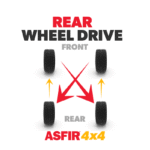 Tire Rotation Guide for Canadian Drivers
| Service Item | Standard Interval (miles or months) | Severe Interval (miles or months) |
|---|---|---|
| Oil and Filter Change | 7,500 miles / 12 months | 3,000 miles / 6 months |
| Tire Rotation | 7,500 miles | 5,000 miles |
| Air Filter Replacement | 30,000 miles / 36 months | 15,000 miles / 18 months |
| Brake Fluid Flush | 45,000 miles / 36 months | 30,000 miles / 24 months |
Complete Guide to Understanding Your Vehicle Maintenance Schedule
What is included in the 2021 vehicle maintenance schedule?
The 2021 vehicle maintenance schedule typically includes a series of inspections, replacements, and fluid changes based on time or mileage intervals. Common intervals are every 5,000 to 10,000 miles for minor services and every 30,000 to 60,000 miles for major services.
The schedule covers engine oil and filter changes, tire rotations, brake inspections, fluid level checks (coolant, transmission, brake, and windshield washer), battery testing, air filter replacements, belt and hose inspections, and spark plug replacements for gasoline engines. For hybrid or electric vehicles, the schedule may include battery cooling system checks and high-voltage cable inspections. The schedule is often divided into severe and normal driving conditions, with severe schedules requiring more frequent changes.
Engine and Fluid Maintenance
Key components of engine and fluid care in the 2021 schedule
Engine oil and filter changes are recommended every 5,000 to 7,500 miles under normal conditions, or as indicated by the vehicle's oil life monitoring system. Coolant (antifreeze) replacement is typically required at 100,000 miles or every five years, with level checks at each service.
Brake fluid should be tested for moisture content and replaced every 20,000 to 30,000 miles. Transmission fluid (automatic or manual) may be changed every 30,000 to 60,000 miles for severe use, though many manufacturers claim lifetime fill for normal conditions. Windshield washer fluid needs regular topping off and seasonal adjustment for freezing temperatures.
- Engine oil and filter change: every 5,000-7,500 miles or 12 months.
- Coolant level inspection and replacement: check monthly, replace at 100,000 miles.
- Brake fluid flush: every 20,000-30,000 miles or when moisture exceeds threshold.
Brake and Tire System Inspections
Routine checks and replacements for braking and tire components
Brake pads and rotors should be inspected at every oil change for wear and thickness, with replacement typically needed between 25,000 and 50,000 miles depending on driving habits. Tire rotation is recommended every 5,000 to 7,500 miles to ensure even tread wear, and tire pressure should be checked monthly. Alignment and balance are checked annually or when steering or vibration issues arise. The 2021 schedule also includes brake hose and line inspection for cracks or leaks, and parking brake adjustment if applicable.
You might be interested in this content. Winter Vehicle Maintenance Checklist
- Brake pad thickness measurement: at each service, replace when below 3mm.
- Tire rotation and pressure adjustment: every 5,000-7,500 miles.
- Brake fluid level and brake line inspection: at every oil change.
Electrical and Ignition System Checks
Maintenance tasks for battery, spark plugs, and lighting
The battery is tested for voltage and cold cranking amps annually, with terminals cleaned if corrosion is present. Spark plugs are typically replaced every 60,000 to 100,000 miles for modern iridium or platinum types, but inspected sooner for misfire symptoms.
Air filters (engine and cabin) are replaced every 15,000 to 30,000 miles, with cabin filters more frequently in dusty environments. The 2021 schedule includes headlight and taillight bulb checks, as well as windshield wiper blade replacement every six to twelve months. For vehicles with start-stop systems, auxiliary battery or battery management system updates may be part of the schedule.
- Battery load test and terminal cleaning: annually or at 20,000 miles.
- Spark plug replacement: every 60,000-100,000 miles.
- Cabin air filter replacement: every 15,000-20,000 miles.
How is a vehicle maintenance schedule determined by VIN?
A vehicle maintenance schedule is determined by the Vehicle Identification Number (VIN) by using the VIN to decode specific vehicle attributes, such as the make, model, year, engine type, and manufacturing plant. This decoding allows access to the manufacturer's recommended maintenance intervals, which are based on mileage and time.
The VIN is entered into a database or service tool, which retrieves the precise schedule from the original equipment manufacturer (OEM). This schedule includes tasks like oil changes, brake inspections, and fluid replacements, tailored to the vehicle's components, such as whether it has a turbocharged engine or all-wheel drive. The schedule is then adjusted based on the vehicle's current mileage, driving conditions, and usage patterns, ensuring optimal performance and safety.
How the VIN Decodes Vehicle Specifications for Maintenance
Understanding the VIN Structure to Identify Key Components
The VIN is a 17-character string that encodes details about the vehicle. The first three characters are the World Manufacturer Identifier (WMI), which indicates the manufacturer and country of origin. The next five characters form the Vehicle Descriptor Section (VDS), revealing the model, body style, engine type, and restraint system.
You might be interested in this content. Long-Term Vehicle Maintenance Strategies
The last nine characters are the Vehicle Identifier Section (VIS), which includes the model year, assembly plant, and serial number. By decoding these sections, a maintenance schedule can be customized to the exact specifications, such as whether the vehicle uses synthetic oil or has a specific transmission type.
- Identify the 10th character of the VIN to determine the model year, which affects emission control and fluid change intervals.
- Check the 4th to 8th characters for engine and transmission codes, specifying whether the vehicle requires diesel or gasoline-based maintenance.
- Use the 11th character to find the assembly plant, which can indicate regional variations in parts and service recommendations.
Accessing Manufacturer-Specific Maintenance Data via VIN Lookup
Using Online Tools and Databases to Retrieve OEM Schedules
Automakers provide maintenance schedules in their official databases, accessible by entering the VIN into portal systems like Nissan's Owner Portal or Ford's Service Schedule tool. These tools match the VIN to the vehicle's original build sheet, which lists all factory-installed options and components.
The retrieved schedule specifies intervals for critical tasks, such as timing belt replacement at 100,000 miles for certain engines or brake fluid changes every two years for ABS-equipped models. This ensures the maintenance aligns with the vehicle's engineering standards, preventing voided warranties or premature wear.
- Enter the full 17-character VIN into a manufacturer's dedicated website or third-party service like Carfax or AutoZone.
- Receive a tailored list of maintenance items, including mileage intervals and severity ratings for tasks like coolant flushes or spark plug replacements.
- Compare the schedule with the vehicle's current odometer reading to prioritize upcoming services, such as differential fluid changes for four-wheel-drive systems.
Adjusting the Schedule Based on Real-Time Vehicle Data Linked to VIN
Integrating VIN with Telematics and Driving History for Customization
Modern vehicles with connected features transmit data via the VIN to cloud systems, which analyze driving patterns, such as frequent short trips or heavy towing. This data modifies the standard schedule, for example, reducing oil change intervals for severe conditions or accelerating air filter replacements in dusty environments.
The VIN also links to service history records from dealerships, allowing the system to factor in previously completed repairs. By combining decoded specs with real-time usage, the schedule becomes dynamic, recommending exact service dates and parts based on the vehicle's condition.
You might be interested in this content.
- Monitor onboard diagnostics via the VIN to detect error codes that trigger maintenance alerts, such as for oxygen sensor or transmission issues.
- Review driving behavior logs, including average speed and idle time, to adjust fluid change frequencies beyond the base schedule.
- Cross-reference warranty expiration dates tied to the VIN to schedule pre-warranty inspections for covered components.
What does a comprehensive vehicle maintenance schedule PDF typically include?
A comprehensive vehicle maintenance schedule PDF typically includes a detailed outline of routine inspections, service intervals, and replacement timelines based on mileage or time. It covers essential components like engine oil and filter changes, tire rotations, brake system checks, fluid levels, belt and hose inspections, and battery testing.
The document often lists recommended actions at specific milestones, such as every 5,000, 15,000, or 30,000 miles, along with notes on manufacturer specifications, warranty requirements, and seasonal adjustments. It may also include blank log sheets for owners to record service dates, mileage, and technician notes, as well as warning signs for common issues like unusual noises, leaks, or dashboard alerts. The PDF is structured to be printer-friendly, often with a table of contents, color-coded sections, and checkboxes for easy tracking.
Service Intervals and Mileage Markers
Mileage-Based Service Categories
This section of a comprehensive vehicle maintenance schedule PDF breaks down service tasks based on odometer readings, typically starting from the first oil change at 5,000 miles and extending to major services at 60,000 or 100,000 miles. Each category groups related tasks to ensure the vehicle runs efficiently and avoids premature wear. The schedule aligns with manufacturer guidelines to maintain the warranty and optimize performance.
- Oil and filter replacement every 5,000 to 7,500 miles to maintain engine lubrication and prevent sludge buildup.
- Tire rotation and pressure check every 6,000 to 8,000 miles to ensure even tread wear and extend tire life.
- Air filter and cabin filter inspection every 15,000 miles to maintain clean airflow into the engine and passenger compartment.
- Spark plug replacement every 30,000 to 60,000 miles to ensure proper ignition and fuel efficiency.
- Timing belt and water pump replacement at 60,000 to 100,000 miles to prevent catastrophic engine failure.
Fluid Levels and System Inspections
Key Fluids to Monitor and Replace
A comprehensive PDF details the types of fluids critical for vehicle operation, including engine oil, transmission fluid, brake fluid, coolant, power steering fluid, and windshield washer fluid. It specifies how to check levels, the recommended intervals for changes, and the importance of using the correct grade or type. This section emphasizes preventive maintenance to avoid overheating, transmission slip, or brake failure.
- Engine oil level check monthly and change according to the owner manual to prevent friction and overheating.
- Transmission fluid level and condition check every 30,000 miles to ensure smooth gear shifting and prevent clutch wear.
- Brake fluid flush every two years or 40,000 miles to maintain hydraulic pressure and avoid corrosion in the brake lines.
- Coolant replacement every 30,000 to 50,000 miles to regulate engine temperature and prevent freezing or boiling.
- Power steering fluid top-up as needed and flush every 60,000 miles to keep steering responsive and free of contaminants.
Component Wear and Tear Checkpoints
Parts That Require Regular Inspection
This part of the PDF focuses on physical components that degrade over time, such as belts, hoses, brakes, batteries, and tires. It provides a checklist for visual inspections and suggests replacement based on signs of wear like cracking, fraying, or thinning. Regular checks help prevent roadside breakdowns and costly repairs.
You might be interested in this content.
- Serpentine belt inspection every 30,000 miles for cracks or glazing to avoid belt snapping and loss of power steering or alternator function.
- Brake pad and rotor thickness check every 10,000 to 15,000 miles to ensure stopping power and prevent rotor damage from metal-on-metal contact.
- Battery terminal cleaning and load testing every six months to avoid starting issues during cold weather.
- Shock absorber and strut inspection for leaks or bouncing at 50,000 miles to maintain ride comfort and tire contact.
- Windshield wiper blade replacement every six to twelve months for clear visibility during rain or snow.
Frequently Asked Questions
What is a vehicle maintenance schedule and why is it important?
A vehicle maintenance schedule is a manufacturer-recommended timeline for servicing key components like oil filters and brakes, based on mileage or time intervals. It is crucial because it ensures safety, extends the car’s lifespan, maintains optimal performance, and prevents costly breakdowns by facilitating early detection of potential issues.
How do I know which maintenance schedule to follow for my car?
You should primarily follow the severe driving schedule if your vehicle often operates in stop-and-go traffic, extreme temperatures, dusty conditions, or hilly terrain. The normal schedule applies for highway cruising. Always check your owner’s manual; it lists specific intervals for both schedules and addresses your car's unique requirements for fluids, belts, and inspections.
What are the key items typically included in a maintenance schedule?
Key items include regular oil and filter changes, tire rotations and pressure checks, brake inspections, and fluid replacements (coolant, transmission, brake fluid). The schedule also covers ser vice for spark plugs, engine air filters, cabin filters, and, at higher mileages, timing belts and coolant flushes. Adhering to these recommendations prevents system failures and maintains reliability.
How often should I check or change the engine oil according to the schedule?
Modern vehicles often recommend oil changes every 5,000 to 7,500 miles for synthetic oil, while conventional oil may require changes every 3,000 to 5,000 miles. However, always consult your owner's manual. Some newer cars have oil life monitors that adapt the interval based on driving habits, but you should still verify it regularly to ensure engine protection.
Leave a Reply