
How to Maintain Your Vehicle Year-Round

Owning a vehicle is a significant investment, and its longevity depends on consistent, year-round care. While many drivers only react to problems as they arise, a proactive maintenance schedule prevents costly repairs and ensures safety in all seasons.
From the blistering heat of summer that taxes your cooling system to winter’s harsh assault on your battery and tires, each season presents unique challenges. Understanding how to shift your maintenance focus as the weather changes is key to avoiding breakdowns and preserving your car's value. This guide outlines a practical, season-by-season approach to keep your vehicle running smoothly every month of the year.
How to Maintain Your Vehicle Year-Round
Proper vehicle maintenance is essential to ensure safety, reliability, and longevity throughout the changing seasons. By following a consistent routine that addresses seasonal challenges, you can prevent costly repairs and keep your car running smoothly in any weather condition.
Seasonal Fluid Checks and Changes
Monitoring your vehicle's fluids throughout the year is critical for engine health and performance. Engine oil should be checked monthly and changed according to your manufacturer's recommendation, often every 5,000 to 7,500 miles, but you may need a different viscosity in winter versus summer.
You might be interested in this content.
Coolant (antifreeze) levels must be inspected before winter to prevent freezing and before summer to avoid overheating. Additionally, check brake fluid, transmission fluid, and windshield washer fluid regularly, as these degrade over time and impact safety and visibility.
Tire Maintenance and Pressure Adjustments
Your tires are the only contact between your vehicle and the road, making their condition vital year-round. Check tire pressure monthly, as it drops in colder weather and increases in heat; under-inflated tires reduce fuel economy and handling.
Rotate your tires every 5,000 to 7,500 miles to ensure even tread wear, and inspect tread depth using the penny test. In winter, consider switching to winter tires for better traction on snow and ice, while summer tires perform best in warm, dry conditions.
Battery and Electrical System Inspection
Extreme temperatures can significantly affect your car battery's performance and lifespan. Test the battery voltage in early winter and late summer, as both hot and cold weather can cause failure.
You might be interested in this content.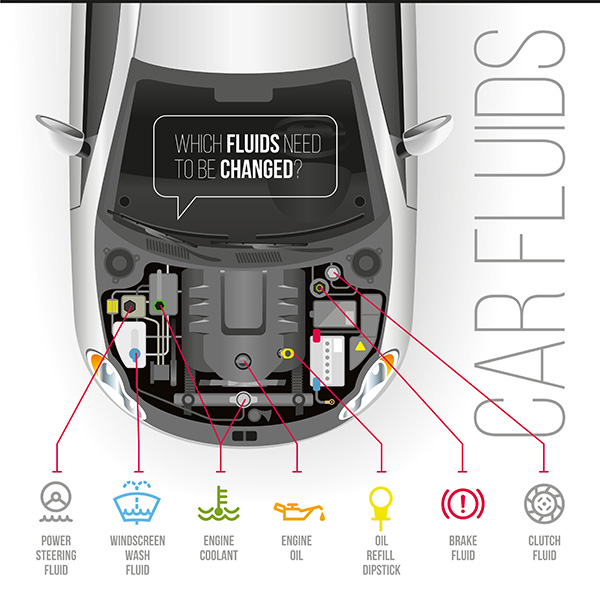 Vehicle Fluids You Should Check Regularly
Clean any corrosion from terminals and ensure the connections are tight. Check the alternator and starter as part of a comprehensive electrical system inspection, especially if you notice dimming headlights or slow engine cranking. Replacing an aging battery proactively can prevent unexpected breakdowns during critical driving periods.
| Season | Primary Maintenance Focus | Key Component to Inspect | Recommended Action |
|---|---|---|---|
| Spring | Post-winter recovery | Wiper blades & fluids | Replace worn blades, top off washer fluid |
| Summer | Heat protection | Coolant system | Flush and refill coolant, check hoses |
| Fall | Winter preparation | Heating & defrosting | Test heater, replace cabin filter |
| Winter | Cold weather resilience | Battery & tires | Load test battery, ensure tread depth |
Engine Oil and Filter Change
Sustaining Lubrication and Engine Health
Changing the engine oil and oil filter annually is critical for preventing excessive wear on internal components. Over time, oil breaks down and accumulates contaminants, losing its ability to lubricate effectively. Performing this task once per year, or according to the manufacturer’s mileage interval, ensures optimal engine performance and longevity.
- Drain the old oil completely from the oil pan while the engine is warm, then replace the oil drain plug.
- Remove the old oil filter and lubricate the gasket of a new filter before installing it.
- Refill the engine with the correct grade and quantity of new oil, then check the dipstick to confirm the level is accurate.
Brake System Inspection and Fluid Replacement
Ensuring Stopping Power and Safety
Brake fluid absorbs moisture over time, which can lower its boiling point and lead to brake fade or corrosion in the system. An annual inspection of brake pads, rotors, and lines, combined with fluid replacement, maintains reliable stopping power. This task prevents costly repairs and enhances driving safety throughout the year.
- Inspect brake pads for thickness and rotors for scoring or warping, replacing components if worn beyond specification.
- Check all brake lines and hoses for cracks, leaks, or bulges that could cause system failure.
- Bleed the brake system by removing old fluid from each caliper or wheel cylinder, and refill the reservoir with fresh, manufacturer-recommended fluid.
Cooling System Flush and Coolant Replacement
Preventing Overheating and Corrosion
Coolant degrades over time, losing its ability to protect against freezing, boiling, and internal engine corrosion. An annual flush and refill of the cooling system ensures consistent temperature regulation and extends the life of the radiator, water pump, and hoses. This is particularly important for avoiding breakdowns in extreme weather conditions.
You might be interested in this content. Signs Your Car Needs Maintenance
- Drain all old coolant from the radiator and engine block by opening the drain valve or removing the lower radiator hose.
- Flush the system with clean water or a chemical flush agent to remove sediment and rust deposits.
- Refill the system with a 50/50 mix of antifreeze and distilled water, then run the engine to circulate and check for leaks.
Frequently Asked Questions
How often should I change my engine oil throughout the year?
You should change your engine oil every 5,000 to 7,500 miles, or as recommended in your owner's manual. In colder months, consider using a winter-grade oil for better flow. Hot summer driving may degrade oil faster, so monitor levels monthly. Regular changes protect your engine from wear and buildup regardless of season.
What tire maintenance is essential for all seasons?
Check tire pressure monthly, as it drops in cold weather and rises in heat. Rotate tires every 6,000 miles to ensure even wear. In winter, switch to snow or all-weather tires if you face snow or ice. Inspect tread depth regularly to maintain traction year-round and prevent blowouts.
How do I prepare my car's battery for extreme temperatures?
Test your battery's charge twice a year, especially before summer heat and winter cold. Clean corrosion from terminals using a baking soda solution. Ensure connections are tight. Extreme temperatures reduce battery life, so consider replacing batteries older than three years to avoid unexpected failures.
What fluid levels should I check year-round?
Check engine oil, coolant, brake fluid, windshield washer fluid, and transmission fluid monthly. Coolant levels are critical in summer to prevent overheating and in winter to avoid freezing. Use the correct type for your vehicle. Low fluids can cause major damage; top them off as needed to keep systems running smoothly.
You might be interested in this content.
Leave a Reply