
Vehicle Fluids You Should Check Regularly
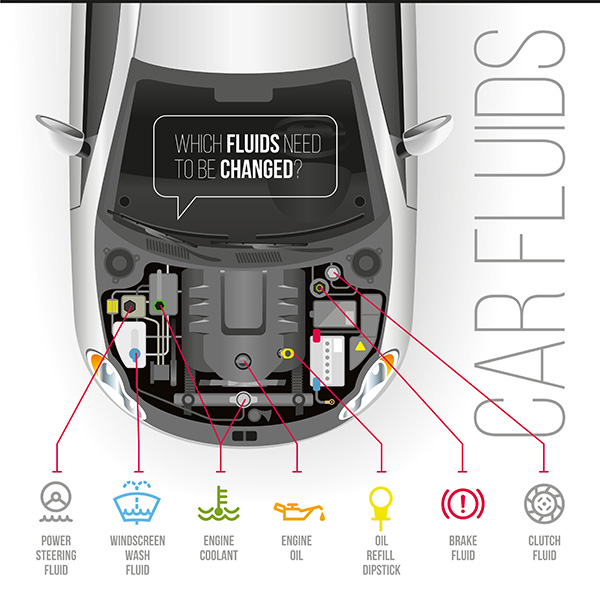
Ensuring your vehicle operates smoothly requires more than just filling the gas tank. Regular checks of essential fluids are critical to engine health, safety, and longevity. Over time, oil degrades, coolant evaporates, and brake fluid absorbs moisture, potentially leading to costly repairs or failures.
By proactively inspecting levels and conditions, you can prevent overheating, poor braking, or transmission issues. From engine oil to power steering fluid, each plays a distinct role in performance. Staying vigilant with these simple checks keeps your car reliable and extends its lifespan on the road.
- Essential Vehicle Fluids You Should Check Regularly
- Essential Vehicle Fluids for Regular Maintenance Checks
- Engine Oil Inspection Procedures
- Coolant and Brake Fluid Checks
- Transmission and Power Steering Fluid Monitoring
- Engine Oil Inspection and Maintenance
- Coolant Level and Condition Verification
- Brake Fluid Maintenance for Safe Stopping
- Frequently Asked Questions
Essential Vehicle Fluids You Should Check Regularly
Maintaining your vehicle’s fluid levels is crucial for ensuring optimal performance, safety, and longevity. These fluids serve as the lifeblood of your car, lubricating moving parts, cooling critical components, and keeping systems clean. Regularly inspecting and topping off these fluids can prevent expensive repairs and breakdowns. Below, we break down the most important fluids to monitor, along with a quick-reference table for your convenience.
Engine Oil: The Heart of Lubrication
Engine oil is the most critical fluid in your vehicle, as it reduces friction between moving parts, helps dissipate heat, and cleans sludge and deposits. Without adequate oil, your engine can suffer from severe wear, overheating, or even catastrophic failure.
To check it, ensure your car is on level ground and the engine is cool, then pull out the dipstick, wipe it clean, reinsert it, and read the level. The oil should be between the MIN and MAX marks, and its color should be a translucent amber or brown, not dark or gritty. Change your oil according to your owner’s manual, typically every 3,000 to 5,000 miles, using the correct viscosity grade recommended by the manufacturer.
Coolant (Antifreeze): Preventing Overheating and Freezing
Coolant, also known as antifreeze, plays a dual role: it regulates engine temperature by absorbing heat and preventing the liquid from freezing in cold climates. A low coolant level can lead to engine overheating, warped cylinder heads, or a blown head gasket. Check the coolant reservoir (a translucent plastic tank near the radiator) when the engine is cold; the fluid should be between the FULL and LOW lines.
Use a 50/50 mixture of distilled water and antifreeze, specifically formulated for your vehicle’s make and model. Additionally, inspect for leaks around hoses and the radiator, and replace coolant every 30,000 to 50,000 miles to maintain its corrosion-inhibiting properties.
Brake Fluid: Ensuring Safe Stopping Power
Brake fluid is essential for transferring the force from your brake pedal to the brake calipers, enabling you to stop effectively. Over time, brake fluid absorbs moisture, which can lower its boiling point and cause brake fade or failure during heavy use.
You might be interested in this content. Signs Your Car Needs Maintenance
To check it, locate the brake fluid reservoir (usually near the firewall or master cylinder) and ensure the level is between the MIN and MAX marks. The fluid should be clear to slightly yellow; if it appears dark or murky, it’s time for a flush. For most vehicles, replace brake fluid every two years or 20,000 to 30,000 miles, and always use the DOT rating specified in your owner’s manual.
| Fluid | Key Function | Check Frequency | Replacement Interval |
|---|---|---|---|
| Engine Oil | Lubricates and cools engine parts | Monthly or every 1,000 miles | Every 3,000–5,000 miles |
| Coolant | Regulates engine temperature | Monthly or before long trips | Every 30,000–50,000 miles |
| Brake Fluid | Transmits braking force | Every oil change | Every 20,000–30,000 miles or 2 years |
Essential Vehicle Fluids for Regular Maintenance Checks
Which vehicle fluids should be inspected regularly for proper maintenance?
Regular inspection of vehicle fluids is essential for optimal performance and longevity. The primary fluids to check are engine oil, coolant, brake fluid, power steering fluid, transmission fluid, and windshield washer fluid.
Engine oil should be inspected monthly by checking the dipstick when the engine is cool and on level ground; it must be within the crosshatched area and not gritty or dark. Coolant level should be checked in the reservoir at least every oil change, ensuring it is between the minimum and maximum marks and not discolored or oily. Brake fluid level in the master cylinder reservoir should be near the MAX line, and the fluid should be clear or light amber; dark or murky fluid indicates contamination.
Power steering fluid, if applicable, should be at the correct level indicated on the reservoir and free of foam or particles. Transmission fluid requires inspection with the engine running and at operating temperature, checking for a clear red color and proper level on the dipstick. Windshield washer fluid should be kept topped up, though it less critically impacts mechanical function.
Engine Oil Inspection Procedures
Detailed Steps for Checking Oil Level and Condition
Engine oil lubricates moving parts, reduces friction, and helps cool the engine. Regular checks prevent wear and overheating. To inspect, park on level ground, turn off the engine, and wait a few minutes for oil to settle. Pull the dipstick, wipe it clean, reinsert fully, then remove to read the level. The oil should be between the two marks; if low, add the recommended viscosity.
Condition is revealed by color and texture—clean oil is amber, while dark or sludgy oil indicates it is dirty. Observe for any metallic particles or a milky appearance, which signals coolant contamination. Frequency of inspection depends on driving conditions, but monthly checks are standard for most vehicles.
- Ensure the engine is cold or has been off for at least five minutes to allow oil drainage into the pan.
- Locate and remove the dipstick, then wipe it clean with a lint-free cloth to avoid debris affecting the reading.
- Reinsert the dipstick fully, remove it again, and confirm the oil film reaches the full mark without exceeding it, while noting any unusual odors or texture.
Coolant and Brake Fluid Checks
Maintaining Proper Levels for Cooling and Safety Systems
Coolant, also known as antifreeze, regulates engine temperature and prevents freezing or boiling. Brake fluid transmits force from the pedal to the brakes. Both require visual inspection of their reservoirs. Coolant should be checked in the overflow tank; the level should be between the MIN and MAX lines when the engine is cold.
If low, a 50/50 mix of coolant and distilled water is typically added. Brake fluid should be at the full mark in the master cylinder, and the container must remain clean and sealed to prevent moisture absorption. Dark or oily brake fluid necessitates system flushing. These inspections directly affect vehicle safety and prevent expensive repairs.
You might be interested in this content. DIY Vehicle Maintenance Tasks
- Inspect the coolant reservoir when the engine is cold to avoid burns and ensure an accurate level reading; top off with the correct mixture if needed.
- Check the brake fluid level through the transparent reservoir; if it is below the minimum line, inspect for leaks and add the specified DOT grade fluid.
- Examine both fluids for discoloration—coolant should not appear rusty or oily, and brake fluid must remain clear or light yellow without sedimentation.
Transmission and Power Steering Fluid Monitoring
Verifying Hydraulic Functions for Smooth Operation
Transmission fluid lubricates gears and facilitates gear changes, while power steering fluid ensures effortless steering response. These fluids are typically checked with the engine running and transmission in park or neutral. The transmission dipstick should indicate a red or pink fluid level within the hot range after the engine reaches operating temperature.
Burnt smell or dark color signals degradation. Power steering fluid is similarly checked under the hood; its level should be between markings, and it must be clear or light in color without foam. Improper levels can cause harsh shifts, slippage, or steering difficulty.
- Warm the engine to normal operating temperature, then park on level ground, leaving the engine running for transmission checks and engaging the parking brake.
- Pull the transmission dipstick, wipe it, reinsert, and remove to read the level; ensure fluid color is bright red and free of particles or burnt odor.
- For power steering fluid, locate the reservoir, check the level with the engine running or off as specified by the manual, and look for a clear or light amber fluid with no air bubbles.
Which four essential vehicle fluids require regular inspection?
The four essential vehicle fluids that require regular inspection are engine oil, coolant (also known as antifreeze), brake fluid, and transmission fluid. These fluids play critical roles in ensuring your vehicle operates safely and efficiently.
Engine oil lubricates moving parts, coolant regulates engine temperature, brake fluid transfers force to stop the vehicle, and transmission fluid facilitates smooth gear shifting. Regular inspection of these fluids helps prevent costly repairs and maintains vehicle reliability.
Engine Oil Inspection and Maintenance
Why Engine Oil Is Crucial and How to Check It
Engine oil is the lifeblood of your vehicle's engine, providing lubrication to reduce friction between moving components and preventing overheating. It also helps clean the engine by carrying away debris and contaminants.
Over time, oil degrades and becomes less effective, leading to increased engine wear. To inspect engine oil, park the vehicle on a level surface, wait for the engine to cool, and use the dipstick to check both the level and condition. The oil should be between the minimum and maximum marks and appear translucent amber or brown, not dark or gritty.
- Locate the oil dipstick, usually capped with a bright handle, and pull it out completely.
- Wipe the dipstick clean with a cloth, reinsert it fully, and then remove it again to read the oil level.
- Check the oil color and consistency; if it is dark, contains particles, or smells burnt, schedule an oil change immediately.
Coolant Level and Condition Verification
Coolant's Role in Engine Temperature Control and Inspection Tips
Coolant, a mixture of water and antifreeze, circulates through the engine and radiator to absorb and dissipate heat, preventing the engine from overheating or freezing. It also protects against corrosion within the cooling system. A low coolant level can lead to engine damage, while contaminated coolant reduces effectiveness.
To inspect coolant, ensure the engine is completely cool, then locate the coolant reservoir, typically a translucent plastic tank near the radiator. The fluid level should be between the low and full marks, and its color should be bright green, orange, pink, or blue, depending on the type, without any oil or rusty particles.
You might be interested in this content. How to Extend the Life of Your Vehicle
- Check the coolant reservoir level when the engine is cold to avoid burns from hot fluid or pressure.
- Observe the coolant color and clarity; a muddy or rusty appearance indicates contamination or a need for flushing.
- If the level is low, top it off with the manufacturer-recommended coolant type, but inspect for leaks if frequent refills are needed.
Brake Fluid Maintenance for Safe Stopping
How Brake Fluid Works and Key Inspection Steps
Brake fluid transmits the force from your foot on the brake pedal to the brake calipers, enabling your vehicle to stop effectively. It must remain free of moisture and contaminants, as water absorption can lower its boiling point, leading to brake fade or failure.
Inspecting brake fluid involves checking both its level in the reservoir and its condition. The reservoir is usually located near the firewall on the driver's side, with a cap labeled brake fluid. The fluid should be clear to light yellow or amber and reach the full line.
- Locate the brake fluid reservoir and check that the fluid level is at or near the maximum mark.
- Examine the fluid color; if it appears dark brown, black, or has a milky hue, it is contaminated and needs replacement.
- If the level is low, it may indicate worn brake pads or a leak, so inspect the brake lines and pads, then refill with the correct DOT specification fluid.
Frequently Asked Questions
Why is it important to check my engine oil regularly?
Engine oil lubricates moving parts, reduces friction, and helps cool the engine. Low or dirty oil can cause severe engine wear, overheating, and eventual failure. Checking it monthly ensures the level is between the dipstick's marks and the oil is not dark or gritty. This simple habit prevents costly repairs and maintains optimal performance, extending your engine's lifespan.
How often should I check my coolant level?
Inspect your coolant level in the reservoir at least once a month. Coolant prevents freezing and overheating, and its level can drop due to leaks or evaporation. Always check when the engine is cool to avoid burns.
If the level is low, top it off with the manufacturer's recommended mixture of antifreeze and distilled water. A proper coolant level ensures the cooling system works effectively.
What do I need to know about checking brake fluid?
Brake fluid should be checked during every oil change or at least every few months. Locate the reservoir under the hood; the fluid should be between the minimum and maximum lines.
Brake fluid absorbs moisture over time, which can lower its boiling point and reduce stopping power. If it feels spongy or looks dark, it's time for a system flush. Keeping clean fluid at the correct level is crucial for safe braking.
Why is transmission fluid condition critical?
Automatic transmission fluid must be checked monthly, typically with the engine running and warm. Use the dipstick to verify the level is full and the fluid is bright red, not brown or burnt-smelling.
You might be interested in this content. Engine Maintenance Tips for Beginners
Low or contaminated fluid leads to hard shifting, slipping, or transmission failure. For manual transmissions, consult your owner's manual; some require periodic level checks. Proper fluid ensures smooth gear changes and prolongs transmission life.
Leave a Reply