
Tire Maintenance Tips for Better Performance
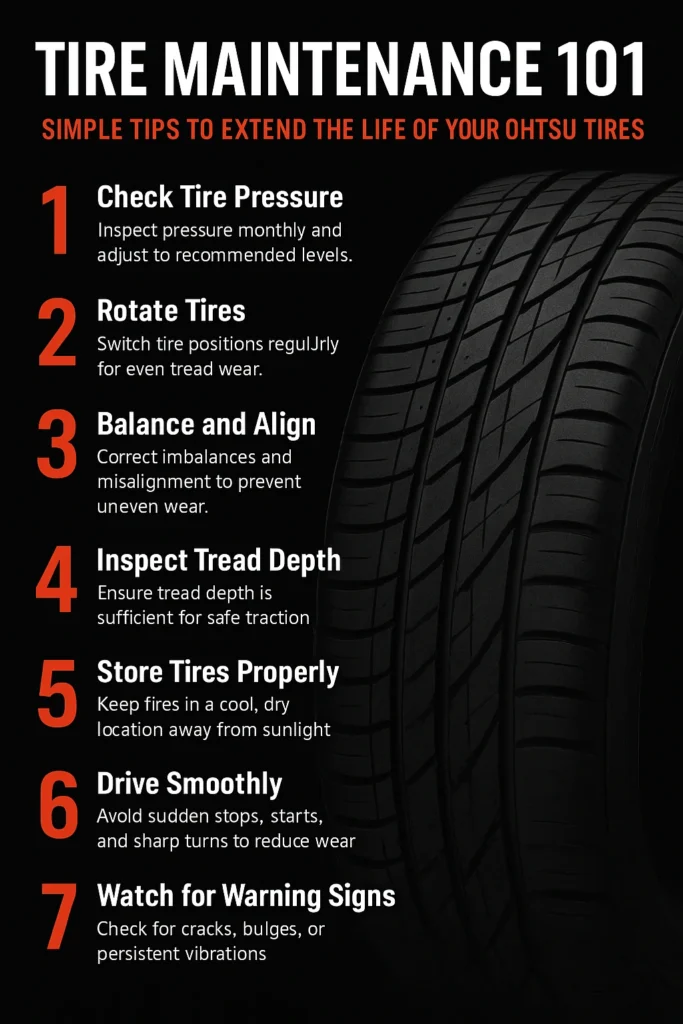
Proper tire maintenance is essential for maximizing vehicle performance, safety, and fuel efficiency. Neglecting tire care can lead to uneven wear, reduced traction, and compromised handling, especially in adverse conditions. Regular checks, including monitoring air pressure, inspecting tread depth, and rotating tires, ensure even distribution of stress and extend tire life.
Underinflated tires increase rolling resistance, wasting fuel, while overinflated ones reduce grip. Alignment and balancing further prevent vibrations and premature degradation. By adopting simple yet consistent practices, drivers can enhance stability, reduce braking distances, and improve overall driving experience. This article explores key tire care strategies to keep your vehicle running smoothly and safely.
- Tire Maintenance Tips for Better Performance
- Effective Tire Maintenance Tips for Enhanced Vehicle Performance
- Impact of Temperature on Tire Pressure and Performance
- Relationship Between the 77 Rule and Tire Wear Patterns
- Practical Application of the 77 Rule for Performance Driving
- Frequently Asked Questions
Tire Maintenance Tips for Better Performance
Proper tire maintenance is crucial for ensuring optimal vehicle performance, safety, and fuel efficiency. By regularly checking tire pressure, inspecting tread depth, and rotating your tires, you can extend their lifespan and improve handling. Neglecting these tasks can lead to uneven wear, reduced traction, and compromised braking ability. This guide provides essential tips to keep your tires in top condition, enhancing both your driving experience and road safety.
You might be interested in this content. Common Maintenance Mistakes to Avoid
Check Tire Pressure Monthly
Maintaining the correct tire pressure is one of the simplest yet most effective ways to boost performance. Under-inflated tires increase rolling resistance, causing poor fuel economy and faster tread wear, while over-inflated tires reduce grip and make the ride harsh. Use a reliable gauge to measure pressure when tires are cold, and adjust according to the manufacturer’s recommendations found in your owner’s manual or on the driver’s door jamb. Monthly checks help catch slow leaks early and ensure consistent contact with the road.
Inspect Tread Depth Regularly
Adequate tread depth is vital for wet traction and braking performance. Use the penny test: insert a penny into the tread grooves with Lincoln’s head down; if you see the top of his head, the tread is too shallow (<2/32 inch) and the tire should be replaced. Uneven wear patterns may indicate alignment or suspension issues. Regular visual inspections for cuts, bulges, or foreign objects also prevent sudden failures. Replacing tires before they reach the legal limit keeps you safe and maximizes handling.
Rotate Tires Every 5,000–7,500 Miles
Tire rotation promotes even wear across all four positions, extending the life of your set. Front tires typically wear faster due to steering and braking forces, while rear tires may wear differently in front-wheel-drive vehicles. Following a rotation pattern recommended by your vehicle’s manufacturer—such as forward-cross or rearward-cross—balances wear. This simple step also improves ride quality and prevents noise from uneven patterns. Combine rotation with a balance check for the best results.
You might be interested in this content. Vehicle Maintenance Costs in Canada
| Maintenance Tip | Recommended Frequency | Key Benefit |
|---|---|---|
| Check Tire Pressure | Monthly | Improves fuel economy and handling |
| Inspect Tread Depth | Monthly | Enhances traction and safety |
| Rotate Tires | Every 5,000–7,500 miles | Extends tire lifespan evenly |
Effective Tire Maintenance Tips for Enhanced Vehicle Performance
What does the 77 rule mean for tire care and performance?
The 77 rule in tire care is a guideline that suggests checking tire pressure when the ambient temperature is around 77 degrees Fahrenheit (25 degrees Celsius). This temperature is considered a standard baseline for accurate pressure readings.
Since tire pressure fluctuates with temperature—typically changing by about 1 psi for every 10 degrees Fahrenheit change—the rule helps drivers compensate for seasonal variations.
For performance, maintaining proper pressure at this baseline ensures optimal contact with the road, reducing rolling resistance, improving fuel efficiency, and extending tire life. Neglecting this can lead to under-inflation in colder months or over-inflation in warmer months, both of which compromise handling, braking, and tread wear.
You might be interested in this content. How to Prepare Your Car for Winter
Impact of Temperature on Tire Pressure and Performance
How Temperature Variations Affect Pressure Readings and Driving Safety
Tire pressure is directly influenced by air temperature due to the ideal gas law, where air expands when heated and contracts when cooled. The 77 rule provides a reference point to account for this.
In cold weather, a tire that reads correctly at 77°F may be under-inflated when temperatures drop, increasing the risk of sidewall flex and heat buildup. In hot weather, the same tire can become over-inflated, reducing traction and causing uneven wear. This directly impacts performance metrics like stopping distance and cornering stability.
- Check and adjust pressure only when tires are cold, ideally after the vehicle has been parked for at least three hours, to mirror the 77°F baseline.
- Use a digital gauge to measure pressure accurately; analog gauges may give imprecise readings that vary with temperature.
- Adjust pressure by 1 psi for every 10°F deviation from 77°F to maintain optimal inflation during seasonal changes.
Relationship Between the 77 Rule and Tire Wear Patterns
How Consistent Pressure at Baseline Extends Tread Life
Adhering to the 77 rule directly influences how evenly tire tread wears over time. When tires are inflated to the manufacturer-recommended pressure at 77°F, the contact patch distributes vehicle weight uniformly across the tread surface.
You might be interested in this content. Tire Rotation Guide for Canadian Drivers
Deviations cause specific wear patterns: under-inflation leads to shoulder wear, while over-inflation causes center wear. These patterns reduce the tire’s effective lifespan and compromise grip. By using the 77 rule as a seasonal calibration tool, drivers can avoid premature replacement and maintain consistent performance across dry, wet, and snowy conditions.
- Inspect tread depth monthly using a penny test; uneven wear indicates pressure issues rooted in temperature mismanagement.
- Rotate tires every 5,000 to 7,500 miles to evenly distribute wear that may arise from slight pressure variances despite using the 77 rule.
- Record pressure readings during each seasonal transition to track how temperature shifts affect wear over the tire’s lifetime.
Practical Application of the 77 Rule for Performance Driving
Fine-Tuning Tire Pressure for Enhanced Handling and Safety
For performance-oriented drivers, the 77 rule serves as a starting point for fine-tuning tire pressure. Racing and spirited driving generate additional heat, raising tire temperatures above 77°F and increasing pressure accordingly.
By basing adjustments on the 77°F baseline, drivers can anticipate how much extra pressure to expect during hard cornering or braking. This prevents under-steer or over-steer caused by uneven inflation. The rule also helps in setting cold pressures slightly lower than recommended if track conditions will significantly raise tire temperature, allowing for optimal grip without overheating.
You might be interested in this content. How to Drive in Extreme Cold Weather
- Start with the manufacturer’s cold pressure at 77°F, then reduce by 1-2 psi for track use to allow for heat-induced pressure rises of 4-6 psi.
- Monitor tire surface temperature with an infrared gauge after each session; if center temperatures exceed edge temperatures by more than 10°F, adjust pressure down per the 77 rule baseline.
- Recheck pressure after cooling down to the 77°F reference to ensure the next session starts from the correct baseline.
Frequently Asked Questions
How often should I check my tire pressure?
Check your tire pressure at least once a month and before long trips. Use a reliable gauge when tires are cold for the most accurate reading. Proper inflation, as specified in your vehicle’s manual, is key to fuel efficiency, even tread wear, and handling. Under-inflation can cause overheating and blowouts, while over-inflation reduces traction. Consistent pressure checks extend tire life and keep you safer.
Why is tire rotation important?
Tire rotation ensures even tread wear across all four tires, which improves handling, traction, and performance. Front tires wear faster due to steering and weight distribution. Rotating them every 5,000 to 7,500 miles balances the wear pattern, extending overall tire life. Skipping this step can lead to premature replacement and reduced road grip. Follow your vehicle manufacturer’s rotation pattern for optimal results.
What does proper tire alignment do?
Proper alignment keeps your vehicle driving straight and prevents uneven tire wear. Misalignment from hitting potholes or curbs causes pulling, vibration, and rapid edge wear. This reduces fuel efficiency and tire lifespan. Regular alignment checks—recommended annually or if symptoms appear—restore handling and maximize performance. Correct alignment ensures your tires contact the road evenly, providing better stability and safety.
You might be interested in this content. Winter Vehicle Maintenance Checklist
When should I replace my tires?
Replace tires when tread depth reaches 2/32 of an inch—test this with a penny: if Lincoln’s head is fully visible, it’s time for new ones. Also look for cracks, bulges, or vibration. Worn tires reduce grip on wet roads, increasing stopping distances and hydroplaning risk. Age matters too—replace tires over six years old, regardless of tread. Timely replacement boosts performance and safety, especially in adverse conditions.
Leave a Reply