
Tire Rotation Guide for Canadian Drivers
Rotating your tires is a crucial yet often overlooked maintenance task for Canadian drivers, who face a unique blend of harsh winters, spring potholes, and varying road conditions. Proper rotation ensures even tread wear, extends tire lifespan, and enhances safety on icy or wet roads.
For front-wheel-drive vehicles common in Canada, front tires wear faster due to steering and braking forces, while all-wheel-drive cars also benefit from balanced distribution. Understanding the optimal rotation pattern and frequency—typically every 8,000 to 10,000 kilometers—can save money and prevent uneven wear issues. This guide provides essential tips and patterns tailored to Canada’s demanding climate.
- The Ultimate Tire Rotation Guide for Canadian Drivers: Why It Matters for Safety and Longevity
- Comprehensive Tire Rotation Guide for Canadian Drivers: Best Practices and Seasonal Tips
- Winter Tire Requirements by Province and Territory
- Safety Limitations of All-Season Tires in Canadian Winter Conditions
- Enforcement and Legal Consequences for Tire Non-Compliance
- Frequently Asked Questions
The Ultimate Tire Rotation Guide for Canadian Drivers: Why It Matters for Safety and Longevity
Tire rotation is a critical yet often overlooked maintenance task for Canadian drivers. Given Canada's diverse climate, from harsh winters and road salt to hot summers and rough pavement, regular tire rotation ensures even tread wear across all four tires.
This practice not only extends the lifespan of your tires but also improves vehicle handling, fuel efficiency, and safety, especially during sudden weather changes. Most manufacturers recommend rotating your tires every 8,000 to 12,000 kilometers, or during every second oil change, to counteract the natural uneven wear caused by front-wheel drive, rear-wheel drive, or all-wheel drive configurations.
Understanding the Correct Rotation Pattern for Your Vehicle's Drivetrain
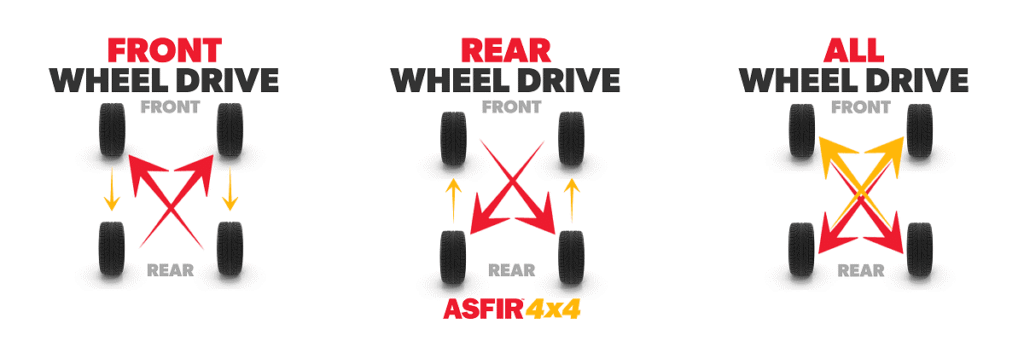
The correct rotation pattern depends entirely on whether your vehicle is front-wheel drive (FWD), rear-wheel drive (RWD), all-wheel drive (AWD), or 4-wheel drive (4WD). For most FWD vehicles, tires wear faster on the front because they handle both steering and acceleration; therefore, the recommended pattern is to move the front tires straight back to the rear axle and cross the rear tires to the front (rear-left to front-right, rear-right to front-left).
You might be interested in this content. Winter Vehicle Maintenance Checklist
For RWD and performance vehicles, the opposite is true: move the rear tires straight to the front and cross the front tires to the back. For AWD or 4WD vehicles, a forward cross pattern (left-front to left-rear, right-front to right-rear, crossing the rears to the front) is often best, but always consult your owner's manual, as some modern AWD systems have specific directional requirements. Never rotate tires that are designed as directional (with arrows on the sidewall) unless you dismount and remount them.
Aligning Tire Rotation with Canada's Seasonal Tire Changes
For Canadian drivers, the ideal time to rotate tires is during the spring and autumn seasonal changeover, when you swap between winter and summer or all-season tires.
If you have a dedicated set of winter tires on separate rims, you should rotate them at least once each season. For example, when you install your winter tires in November, ensure the set is rotated before storage, and again when you reinstall them the following fall.
Similarly, your summer or all-season tires should be rotated each spring. This schedule simplifies maintenance because it coincides with already-needed trips to the shop, and it helps combat Canada's notorious freeze-thaw cycles that cause potholes and uneven wear. Failing to rotate at seasonal changes can lead to vibrations, reduced traction on snow, and premature tire replacement.
Key Benefits of Regular Tire Rotation for Canadian Roads and Climate
Regular rotation directly combats the unique challenges of Canadian driving, such as long highway commutes, gravel roads, and aggressive braking on ice. The primary benefit is extended tire tread life, which saves you hundreds of dollars over the life of your vehicle.
You might be interested in this content. Brake Maintenance Tips
Even wear also maintains consistent traction across all four wheels, crucial for avoiding hydroplaning on wet spring roads or losing grip on black ice in winter. Additionally, a properly rotated set of tires reduces strain on the drivetrain, differential, and suspension components, leading to better fuel economy and a smoother, quieter ride. By preventing uneven wear patterns like feathering or cupping, you also ensure that your vehicle's alignment stays within spec longer, avoiding costly repairs down the line.
| Drivetrain Type | Recommended Rotation Pattern | Frequency (Approximate km) | Additional Notes for Canada |
|---|---|---|---|
| Front-Wheel Drive (FWD) | Front tires move straight back; rear tires cross to the front (RL to FR, RR to FL) | Every 8,000–12,000 km | Most common in Canada; front tires wear twice as fast as rears. |
| Rear-Wheel Drive (RWD) | Rear tires move straight forward; front tires cross to the back (FL to RR, FR to RL) | Every 8,000–12,000 km | Common in trucks and performance cars; balance rear wear. |
| All-Wheel Drive (AWD)/4WD | Left front to left rear; right front to right rear; cross rear tires to front (RL to FR, RR to FL) | Every 8,000–10,000 km | Critical to prevent driveline damage from mismatched tire diameters. |
| Directional Tires | Front to rear (same side) only; never cross | Every 10,000 km | Common on high-performance or some dedicated winter tires; must maintain rotation arrow direction. |
Comprehensive Tire Rotation Guide for Canadian Drivers: Best Practices and Seasonal Tips
Is it legal to drive into Canada using all-season tires under Canadian road safety guidelines?
It is legal to drive into Canada using all-season tires under Canadian road safety guidelines, with specific conditions. All-season tires are considered adequate for most provinces and territories during non-winter months. However, between December 1 and March 31, several provinces and territories require winter tires (marked with the mountain/snowflake symbol) for safe travel, and all-season tires may not meet these legal requirements.
British Columbia, Quebec, and some Northern regions enforce mandatory winter tire laws on specific highways during this period. All-season tires lack the specialized rubber compounds and tread patterns designed for below-7°C temperatures, which can affect traction on snow and ice.
Travelers should verify tire regulations for their exact destination and route, as penalties for non-compliance can include fines and denial of entry. It is advisable to check Transport Canada guidelines and provincial regulations before driving to Canada, especially between fall and spring.
Winter Tire Requirements by Province and Territory
Legislated Mandates and Seasonal Regulations in Canadian Regions
Provincial and territorial governments in Canada enforce distinct winter tire laws that directly impact the legality of using all-season tires during colder months. British Columbia mandates winter tires on most highways from October 1 to March 31, with specific routes extending requirements to April 30, and all-season tires are generally not accepted unless they carry the mountain/snowflake symbol.
You might be interested in this content. Battery Maintenance for Cold Weather
Quebec requires all registered vehicles to be equipped with winter tires from December 1 to March 15, and all-season tires without the snowflake symbol are prohibited during this period.
Other jurisdictions like Ontario, Alberta, and Manitoba do not legally require winter tires, though their use is strongly recommended, meaning all-season tires remain legal but may be unsafe under severe conditions. In Yukon, Northwest Territories, and Nunavut, winter tires are effectively mandatory due to extreme climate, though formal regulations may vary, and all-season tires are not recommended.
- British Columbia: Transport Canada and BC laws require mud and snow tires with mountain/snowflake symbol from October 1 to March 31 on most routes, with fines up to CAD 109 for non-compliance.
- Quebec: Law mandates winter tires between December 1 and March 15; failure to use them can result in fines from CAD 200 to CAD 300, and all-season tires without snowflake symbol violate the regulation.
- Other provinces: Ontario, Manitoba, and Saskatchewan have no legal winter tire mandate during specific dates, so all-season tires are permissible year-round, though insurance incentives often require winter tires for full coverage.
Safety Limitations of All-Season Tires in Canadian Winter Conditions
Performance Deficits and Risk Factors Below Freezing Temperatures
All-season tires are engineered for moderate temperatures above 7 degrees Celsius, and their performance degrades significantly in cold Canadian winters. The rubber compound in all-season tires hardens at lower temperatures, reducing grip on icy or snow-covered roads, which increases stopping distances and risk of skidding.
Canadian road safety guidelines from organizations like the Canada Safety Council emphasize that all-season tires lack the deep tread patterns and siping required for effective snow traction, making them unsuitable for prolonged winter driving.
In regions like the Rocky Mountains or Prairie provinces, where temperatures frequently drop below -20 degrees Celsius, all-season tires can become dangerously rigid, compromising vehicle control. Transport Canada advises that drivers using all-season tires in winter face higher accident rates, particularly on highways with black ice or compact snow, and recommends switching to winter tires for any trip during snowy months.
You might be interested in this content.
- Traction loss: All-season tires typically need a minimum of 4/32-inch tread depth for adequate snow performance, while winter tires provide optimal grip at 6/32-inch; tread wear reduces effectiveness faster in cold conditions.
- Stopping distances: Studies by the Tire and Rubber Association of Canada show that vehicles with all-season tires may require up to 30 percent longer stopping distances on ice compared to winter tires at temperatures below 0 degrees Celsius.
- Handling instability: On slush or packed snow, all-season tires exhibit reduced cornering stability and increased hydroplaning risk, which is documented in Canadian road safety reports for winter weather events.
Enforcement and Legal Consequences for Tire Non-Compliance
Penalties and Entry Denial Risks Under Canadian Traffic Laws
Canadian police and border authorities enforce tire regulations with specific penalties that vary by province, and driving into Canada with all-season tires can result in legal consequences during mandatory winter tire periods.
In Quebec, police conduct random checks on highways from December to March, and using all-season tires without the snowflake symbol leads to fines ranging from CAD 200 to CAD 300 per offense, with repeat violations increasing penalties. In British Columbia, compliance checks on routes like the Trans-Canada Highway or Sea-to-Sky Highway can yield fines of CAD 109 for non-winter tires, and vehicles may be turned back or prohibited from continuing travel on restricted roads.
Beyond fines, insurance implications arise: if an accident occurs without proper winter tires during mandatory periods, coverage under collision or liability policies may be reduced or voided, as Canadian insurers often consider non-compliance a breach of policy terms. For international drivers, including those from the United States, border officers may deny entry if the vehicle lacks tires deemed suitable for the destination region, citing public safety risks under the Motor Vehicle Safety Act.
- Quebec fines: Offenses recorded under the Highway Safety Code result in immediate ticketing, with administrative fees added; out-of-province drivers are not exempt from enforcement.
- British Columbia roadblocks: Police and commercial vehicle inspections are common at select checkpoints between October and April, and vehicles failing to meet tire standards must obtain replacements or face towing costs.
- Insurance voidance: Canadian auto policies in jurisdictions like Ontario or Alberta may decline claims for winter accidents if the vehicle was not equipped with winter tires when legally required, even if the accident is not weather-related.
Frequently Asked Questions
Why is tire rotation important for Canadian drivers?
Tire rotation is crucial for Canadian drivers due to varying road conditions and seasonal tire changes. It ensures even tread wear across all four tires, extending their lifespan and improving vehicle handling. Proper rotation maintains balanced traction, which is essential for safety on icy or wet Canadian roads. Regular rotation also helps detect alignment or suspension issues early, preventing costly repairs.
How often should I rotate my tires in Canada?
It is generally recommended to rotate your tires every 8,000 to 10,000 kilometers in Canada. However, this can vary based on your vehicle type and driving habits. For example, front-wheel-drive cars may need more frequent rotations because front tires wear faster. Always consult your vehicle's owner manual for the specific interval. During seasonal tire changes, such as switching to winter tires, is an ideal time to schedule rotation.
You might be interested in this content.
Can I rotate my tires myself, or should I visit a professional?
While you can rotate your tires yourself with the right tools and knowledge, visiting a professional is often safer and more reliable for Canadian drivers. Professionals have proper equipment and can inspect for hidden issues like uneven wear, damage, or alignment problems. If you lack experience, incorrect rotation can compromise safety. For most drivers, a qualified mechanic ensures the job is done according to manufacturer specifications, especially critical for harsh Canadian driving conditions.
Does tire rotation affect the warranty of my tires?
Yes, tire rotation can affect your tire warranty in Canada. Most manufacturers require regular rotation to maintain warranty coverage, as uneven wear from neglect can invalidate claims. Failing to rotate your tires as recommended may lead to premature wear and void warranty protections. Always keep records of rotations, performed by a professional or yourself, with dates and mileage. Following the schedule in your owner’s manual or tire warranty terms is essential to ensure valid claims.
Leave a Reply