
Winter Vehicle Maintenance Checklist
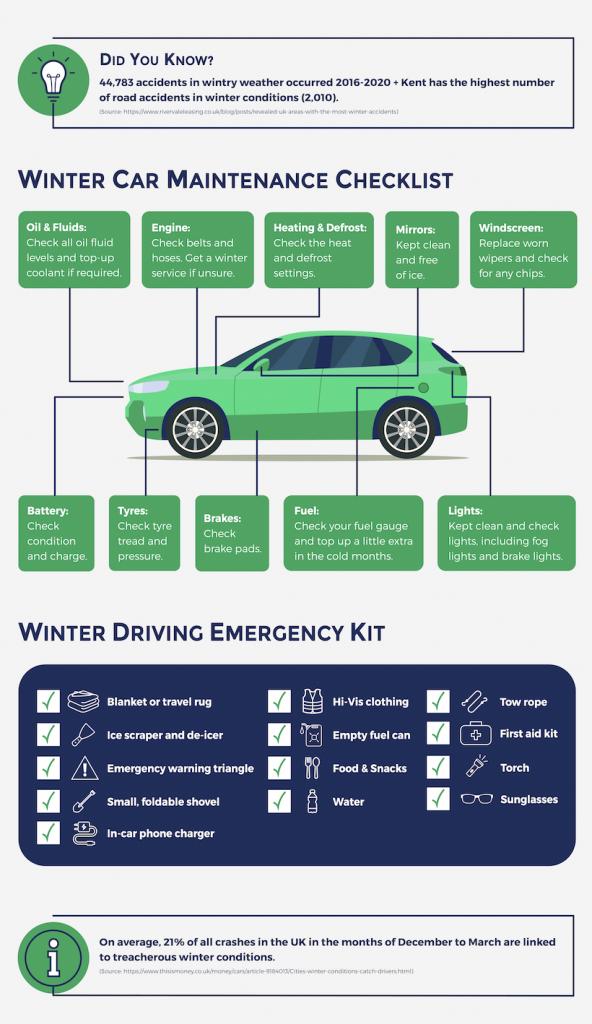
As the mercury drops and frost begins to coat windshields, winter transforms from a scenic season into a challenging one for vehicle owners. Cold temperatures, ice, and snow place exceptional strain on cars, demanding proactive care to ensure safety and reliability.
A well-maintained vehicle not only prevents breakdowns on bitterly cold mornings but also guards against costly repairs. This winter vehicle maintenance checklist serves as an essential guide, emphasizing critical checks from battery health and antifreeze levels to tire tread and wiper blades. By addressing these key areas before the first freeze, drivers can navigate treacherous roads with confidence, ensuring their vehicle remains dependable through the harshest months ahead.
Your Essential Winter Vehicle Maintenance Checklist
Before the temperature drops and the snow begins to fall, preparing your vehicle with a thorough winter maintenance checklist is crucial for safety and reliability. Cold weather places extreme stress on your car's systems, from the battery to the tires. Taking proactive steps now can prevent costly breakdowns and dangerous driving conditions, ensuring your vehicle is ready to face ice, snow, and freezing temperatures.
Battery and Electrical System Check
The battery is the single most common cause of winter breakdowns, as cold temperatures can reduce its starting power by up to 60%. Have a professional test your battery's cold cranking amps (CCA) to ensure it meets your vehicle's requirements.
You might be interested in this content. Brake Maintenance Tips
Clean any corrosion from the terminals, ensure the connections are tight, and inspect the alternator belt for wear. If your battery is over three years old, consider replacing it preemptively to avoid being stranded.
Winter Tires and Tire Pressure Management
Switching to winter tires is the single most effective upgrade for snow and ice traction, as they are made from a softer rubber compound that remains flexible in freezing temperatures.
Check the tread depth, which should be at least 6/32 of an inch for safe winter driving. Critically, remember that tire pressure drops about 1 PSI for every 10°F drop in temperature, so monitor your tire pressure monthly and keep it at the manufacturer’s recommended levels for optimal handling and fuel efficiency.
Fluids, Wipers, and Defroster System
Winter demands specific fluids: use a winter-grade washer fluid with a freezing point of -20°F or lower and ensure your engine coolant (antifreeze) is a proper 50/50 mix to prevent the radiator from freezing.
You might be interested in this content. Battery Maintenance for Cold Weather
Replace worn windshield wiper blades with winter-specific ones that are designed to resist ice buildup. Finally, test your defroster and heater system thoroughly, as a clear windshield and a warm cabin are not just a comfort, but a critical safety requirement for visibility and driver alertness.
| Component | Winter Action Required | Frequency |
|---|---|---|
| Battery | Test CCA; clean terminals; replace if 3+ years old | Annually before winter |
| Winter Tires | Install winter tires; check tread depth & pressure | When temps drop below 45°F (7°C) |
| Coolant | Verify 50/50 antifreeze mix; check freeze point | Annually before winter |
| Washer Fluid | Fill with -20°F rated fluid | At season start & when needed |
| Wiper Blades | Replace with winter-specific blades | Every 6 months or at winter start |
| Tire Pressure | Check and adjust to manufacturer spec | Monthly & before long trips |
Essential Engine and Battery Checks for Winter
Preparing the Core Components for Cold Weather Performance
A vehicle's engine and battery are particularly vulnerable to winter conditions, as cold temperatures thicken oil and reduce battery capacity. To ensure reliable starts and safe operation, begin by testing the battery voltage with a multimeter; a reading below 12.4 volts indicates a need for charging or replacement.
Clean any corrosion from battery terminals and ensure the connections are tight. Additionally, check the engine coolant level and its concentration using a hydrometer, as a 50/50 mix of antifreeze and water protects against freezing down to -34 degrees Fahrenheit. Finally, inspect all drive belts for cracks or wear, as they can become brittle in cold weather.
- Test battery voltage and replace it if it is more than three years old or shows weak cranking power.
- Verify coolant level and ensure the antifreeze mixture is adequate for your local climate.
- Inspect the alternator and starter system for signs of strain or unusual noise during initial cranking.
Tire and Traction Maintenance for Winter Roads
Ensuring Grip and Safety on Snow and Ice
Proper tire care is critical for maintaining control on slippery winter surfaces. Start by checking tire pressure, as it drops approximately one PSI for every 10-degree Fahrenheit decrease in temperature. Inspect the tread depth using the penny test: if you can see the top of Lincoln's head, the tires are too worn for winter use.
You might be interested in this content. How to Maintain Your Vehicle Year-Round
Consider switching to winter or all-season tires with a severe snow rating if you live in an area with frequent snow or ice. Additionally, verify that the spare tire is properly inflated and assess the condition of your tire chains or snow socks, if applicable, by practicing installation before an emergency arises.
- Measure tread depth across all tires and replace any that fall below 4/32 of an inch.
- Adjust tire pressure to manufacturer specifications for cold weather, not the summer setting.
- Inspect tire sidewalls for cracks or bulges that may worsen in freezing temperatures.
Fluid Levels and Lighting Systems for Winter Visibility
Maintaining Clear Vision and Proper Fluid Performance
Winter driving often involves reduced daylight, fog, and heavy precipitation, making lighting and fluid maintenance essential. Begin by examining all exterior lights, including headlights, taillights, turn signals, and brake lights, replacing any burnt-out bulbs and cleaning lens covers for maximum output.
For fluids, check the windshield washer reservoir and fill it with a winter-rated solution that resists freezing down to at least -20 degrees Fahrenheit. Inspect the brake fluid level and condition, as moisture contamination can cause freezing in the brake lines. Finally, review the owner's manual for the recommended viscosity of engine oil, switching to a lower viscosity grade if required for cold starts.
- Test headlights for proper aim and brightness to compensate for reduced daylight hours.
- Top off windshield washer fluid with a winter-specific formula and carry an extra bottle in the trunk.
- Verify brake fluid level and replace it if it appears dark or has not been changed in two years.
Frequently Asked Questions
What should I check under the hood before winter?
Before winter, verify battery health since cold reduces cranking power; test voltage or replace batteries over three years old. Check antifreeze levels and ensure a 50/50 coolant mix to prevent freezing. Inspect belts and hoses for cracks or leaks, as cold weather can worsen weaknesses. Top off wiper fluid with a winter blend to handle ice and snow.
You might be interested in this content. How to Prepare Your Car for Winter
How do I prepare my tires for winter conditions?
Check tire pressure weekly because cold air lowers it, risking poor traction. Ensure tread depth is at least 6/32 inches for snow; consider swapping to winter tires for grip on ice. Inspect for cracks or bulges from temperature shifts. Don’t forget the spare tire—it must be ready for emergencies. Proper inflation and tread prevent slips and blowouts.
Which fluids need attention in winter driving?
Replace engine oil with a winter-grade viscosity, like 5W-30, to flow smoothly in cold starts. Top off transmission, brake, and power steering fluids as low levels worsen in freezing temps. Use de-icer windshield washer fluid, not summer mix, to avoid frozen lines. Check antifreeze concentration—it protects the radiator from cracking in extreme cold.
What exterior maintenance items matter for winter?
Ensure all lights—headlights, brake lights, turn signals—are working; winter's shorter days and snow reduce visibility. Clean off salt, grime, and ice from lights regularly. Replace worn wiper blades with winter ones to clear heavy snow and prevent smearing. Apply a water-repellent coating to windows for better defrosting and add rubber floor mats to trap slush.
Leave a Reply