
Road Safety Tips for Families
Ensuring road safety is a shared responsibility, especially for families who travel together regularly. From daily school runs to weekend road trips, every journey presents unique risks that require proactive measures.
This article provides essential tips to protect your loved ones, covering everything from proper car seat installation and child passenger restraints to distracted driving prevention and pedestrian awareness. By adopting these practices, families can reduce accidents, build safe habits, and create a culture of caution on every ride. Prioritizing these strategies transforms routine travel into a safer, more secure experience for all ages.
- Essential Road Safety Tips for Families: Protecting Your Loved Ones Every Journey
- Comprehensive Road Safety Strategies for Family Travel
- Essential Child Passenger Safety Guidelines
- Strategies for Preventing Distracted Driving
- Teaching Children Safe Road Behavior as Pedestrians and Cyclists
- Establishing Consistent Walking and Biking Rules
- Modeling Safe Passenger and Driver Behavior
- Creating Community-Based Safety Networks
- Ensuring Proper Restraints for All Passengers
- Maintaining Focus and Undistracted Driving
- Implementing Safe Driving Habits and Route Preparation
- Frequently Asked Questions
- What is the most important safety tip for families when walking near roads?
- How can families ensure car seat and seat belt safety for children?
- What should families do to stay safe while biking or scootering on the road?
- How can families teach children about road safety around driveways and parking lots?
Essential Road Safety Tips for Families: Protecting Your Loved Ones Every Journey
Road safety is a critical concern for every family, and adopting proactive measures can significantly reduce the risk of accidents. Whether you are walking, cycling, or driving, instilling safe habits in children and adults alike is essential.
Always use crosswalks and pedestrian signals when on foot, and ensure everyone in the car is properly secured. For families with young children, consistent supervision near driveways and parking lots is non-negotiable. By prioritizing awareness and education, every trip becomes safer for all.
Establishing Car Seat and Seatbelt Rules
The foundation of family road safety begins inside the vehicle. All passengers must wear seatbelts at all times, regardless of trip length. For children under a certain height and weight, age-appropriate car seats or booster seats are legally required and critically important.
Parents should check that the seat is installed correctly and that the harness fits snugly. It is also vital to create a no distractions rule for passengers, especially teens, to keep the driver focus on the road. This simple protocol can prevent the most common cause of injury in car crashes.
Teaching Children Pedestrian Safety
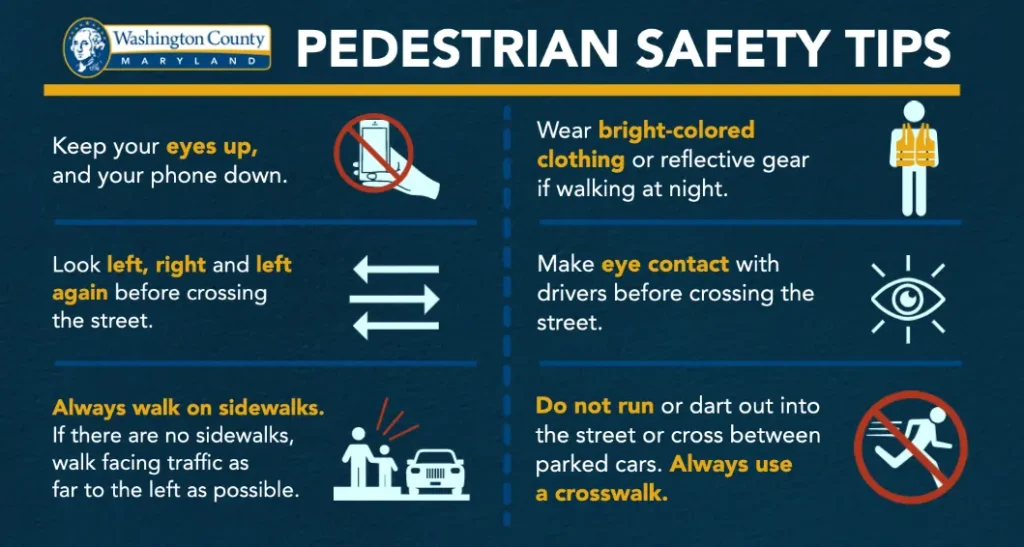
Children are vulnerable road users and need explicit, repeated instruction. Teach them to stop, look, and listen before crossing any street and to make eye contact with drivers. Always hold a child's hand when near traffic until they are at least 10 years old, as their depth perception and impulse control are still developing.
Emphasize the importance of walking on sidewalks or facing traffic if no sidewalk exists, and never running into the street for a ball or toy. These daily habits build lifelong awareness.
You might be interested in this content. How Weather Affects Vehicle Performance
Planning Safe Routes and Avoiding Distractions
Families can proactively reduce risk by planning ahead. Choose routes with lower speed limits, traffic lights, and crosswalks whenever possible, especially when walking children to school.
For teen drivers, set clear rules about no cell phone use and curtail night driving during the first year of licensure. Additionally, supervise children on bikes or scooters by ensuring they wear helmets and ride in safe areas away from heavy traffic. A little pre-trip planning can turn a risky journey into a secure one.
| Safety Zone | Top Tip for Families | Key Action |
|---|---|---|
| In the Car | All occupants must buckle up | Check car seat installation monthly |
| On Foot | Look left, right, left again | Hold hands near driveways |
| On Bikes | Always wear a properly fitted helmet | Ride single file in the same direction as traffic |
Comprehensive Road Safety Strategies for Family Travel
What are the top 10 road safety tips every family should follow?
Here are the top 10 road safety tips every family should follow:
- Always wear seat belts. Every passenger in the vehicle, regardless of seating position, must be properly restrained with a seat belt. This single action is the most effective way to prevent serious injury or death in a crash. Ensure that children under 12 years old are secured in the back seat with appropriate child safety seats or booster seats based on their height and weight.
- Obey all traffic laws and speed limits. Speed limits are set for a reason: they account for road conditions, traffic patterns, and pedestrian safety. Running red lights, rolling through stop signs, and exceeding the speed limit dramatically increase the risk of collisions. Be especially cautious in school zones and residential neighborhoods.
- Avoid distracted driving. Never use a phone to text, call, or browse while driving. Other distractions include eating, adjusting the radio, or talking to passengers excessively. Pull over to a safe location if you need to attend to something that takes your attention away from the road.
- Practice defensive driving. Always anticipate the actions of other drivers, cyclists, and pedestrians. Maintain a safe following distance of at least three to four seconds in good weather, and increase it in rain or fog. Assume that other drivers may make mistakes and be ready to react safely.
- Never drive under the influence. Alcohol, drugs, and even certain prescription medications can impair judgment, reaction time, and coordination. Designate a sober driver or use a ride-sharing service if you plan to consume any substances. This rule applies to all family members who are of legal driving age.
- Ensure proper car seat installation for children. Many car seats are installed incorrectly, which can reduce their effectiveness. Read both the car seat manual and the vehicle owner's manual carefully. Have the installation checked by a certified child passenger safety technician if possible.
- Perform regular vehicle maintenance. Check tire pressure, tread depth, oil levels, brakes, and lights monthly. A well-maintained vehicle is less likely to have a mechanical failure that could cause an accident, such as a blowout or brake failure.
- Be extra cautious at intersections. Intersections are some of the most dangerous areas on the road. Look left, right, and left again before proceeding, even on a green light. Watch for pedestrians and cyclists, and be aware that drivers may run red lights.
- Teach children about pedestrian and bicycle safety. Children must learn to look both ways before crossing, use crosswalks, and obey traffic signals. When biking, they should always wear a properly fitted helmet and follow the same rules as vehicles, including riding with traffic.
- Drive according to weather conditions. Reduce speed and increase following distance in rain, snow, fog, or extreme heat. Use headlights in low visibility conditions, and avoid sudden braking or sharp turns. If conditions are too hazardous, consider delaying your trip.
Essential Child Passenger Safety Guidelines
How to properly secure children of different ages in a vehicle
Child passenger safety requires different restraints as children grow. Infants should ride in rear-facing car seats until they reach the maximum weight or height allowed by the seat's manufacturer, which is often until age two or older.
Once they outgrow the rear-facing seat, they should transition to a forward-facing car seat with a harness. After outgrowing that, booster seats are necessary until the vehicle's seat belt fits properly, which usually occurs when the child is at least 4 feet 9 inches tall and between 8 and 12 years old.
- Use a rear-facing car seat for infants and toddlers until they exceed the seat's weight or height limit.
- Switch to a forward-facing car seat with a harness once the child outgrows the rear-facing seat.
- Transition to a booster seat when the child outgrows the forward-facing seat, until the seat belt fits correctly.
Strategies for Preventing Distracted Driving
Practical steps to keep focus on the road during family trips
Distracted driving is a leading cause of accidents, and families can take concrete steps to minimize it. Before starting the engine, put all mobile devices in the glove compartment or a bag out of reach. Use a hands-free system only for navigation directions if absolutely necessary, but avoid any conversation that requires emotional engagement. If children are in the car, prepare snacks and entertainment beforehand to avoid reaching for items while driving.
- Silence and stow all phones and devices before driving.
- Set up GPS and music playlists before departure to avoid adjusting them while moving.
- Assign a passenger, if available, to handle navigation, music, and child needs.
Teaching Children Safe Road Behavior as Pedestrians and Cyclists
Children learn road safety behaviors from their parents, so it is important to model correct actions consistently. When walking, always use crosswalks and wait for the walk signal. Teach children to stop at the curb, look left, right, and left again before crossing, and continue looking while crossing. For cycling, ensure the bicycle is the right size for the child, and that brakes and tires are in good condition. Children should always wear a helmet and ride on the right side of the road with traffic, not against it.
- Practice crossing streets together, emphasizing the look left-right-left technique.
- Ensure children wear a properly fitted helmet every time they ride a bicycle.
- Teach children to obey all traffic signs and signals, both as pedestrians and cyclists.
How can families implement effective road safety practices for students?
Families can implement effective road safety practices for students by integrating consistent education, modeling safe behaviors, and establishing clear routines. Start by discussing road rules with children at an age-appropriate level, emphasizing the importance of looking both ways, using crosswalks, and recognizing traffic signals. Practice walking routes together repeatedly, pointing out potential hazards like driveways or intersections.
You might be interested in this content. Ford Maverick Fuel Economy L/100km: The Complete Guide to Real-World Efficiency
Establish rules for different modes of travel: for walking, require holding an adult's hand near roads until a certain age; for biking, mandate helmet use and teach hand signals; for car travel, insist on seatbelt use from the moment the vehicle starts. Create a family contract about road safety, reviewing it quarterly. Use technology to reinforce habits, such as apps that simulate street crossing or safe pedestrian games. Finally, involve the school by coordinating drop-off and pick-up zones to minimize chaos, and volunteer for crossing guard duties to demonstrate community commitment.
Establishing Consistent Walking and Biking Rules
Daily routines for pedestrian and cyclist students
Establish daily routines that turn road safety into automatic habits. For walking, create a designated route to and from school that avoids busy roads, alleys, or construction areas. Walk the route with your child until they can navigate it correctly without prompts, and time the walk so they are not rushing.
For biking, require a pre-ride checklist: check brakes, tires, reflectors, and helmet fit. Teach children to dismount and walk bikes across intersections, and to use bike lanes or the right edge of the road when no lane exists. Enforce strict no-phone or no-headphone rules while walking or biking near traffic.
- Choose a specific, practiced walking route with clear crossing points and minimal traffic.
- Create a morning and afternoon routine that includes a five-minute safety review before leaving home.
- Implement a reward system for consistent helmet use and safe crossing behavior, such as a weekly sticker chart.
Modeling Safe Passenger and Driver Behavior
In-car safety practices that teach by example
Children learn road safety by observing adults, so families must demonstrate impeccable behavior in and around vehicles. Always buckle your seatbelt immediately upon sitting, and insist that all passengers do the same before the engine starts. Never use a phone while driving, even at stoplights, and explain aloud why you are waiting to use it:
I am pulling over to respond because driving requires full attention.
Practice safe loading and unloading: stop completely away from moving traffic, use the door nearest the curb, and have children exit on the sidewalk side. Avoid any distractions inside the car, such as loud music or heated arguments, that could divert attention from the road.
- Model the five-second rule where you count down before pulling away from a curb to ensure all seatbelts are clicked.
- Designate a safety spot outside the car where children must stand until you wave them in, preventing door-opening into traffic.
- Conduct monthly driveway drills where children practice waiting for a clear signal before approaching any vehicle.
Creating Community-Based Safety Networks
Engaging neighbors and schools for collective protection
Expand road safety beyond the immediate family by forming a neighborhood walking or biking group, often called a walking school bus or bike train. Parents take turns leading the group along a set route, ensuring every child crosses streets together under supervision.
Coordinate with the school to designate safe drop-off and pick-up areas with clear signage and volunteer crossing guards. Use a shared calendar or messaging app to update each other on road hazards, new construction, or weather-related dangers. Establish a protocol for handling emergencies: designate a nearby safe house with a clearly visible sign for children who feel unsafe on their route.
You might be interested in this content. Kia Rio Fuel Economy: Real-World MPG, Tips, and What to Expect
- Organize a monthly group walk to identify new hazards, such as potholes or blind spots, and report them to local authorities.
- Create a digital map of safe routes, crosswalks, and crossing guards, and share it with all participating families.
- Involve children in a thank a crossing guard program to build positive relationships with safety volunteers.
Ensuring Proper Restraints for All Passengers
Age-Appropriate and Correctly Installed Car Seats and Seatbelts
Proper restraints are the single most effective way to protect family members in a collision. The vehicle should include car seats, booster seats, or seatbelts that are correctly matched to each child's height, weight, and age. Even a correctly used seatbelt can cause injury if worn too high across the abdomen or under the arm, so all family members should review the basic rules.
Infants and toddlers must remain in rear-facing seats until they outgrow the manufacturer's limits, while older children should use booster seats until the vehicle seatbelt fits properly across the lap and shoulder. Ensure that every car seat is tightly installed with less than one inch of movement at the belt path, and check that harness straps lie flat and are snug enough that you cannot pinch any extra webbing at the shoulder.
- Use only car seats that are less than six years old and have not been in a moderate or severe crash.
- Register every new car seat with the manufacturer to receive safety recall alerts promptly.
- For booster seat users, verify that the lap belt rests low on the hips, not on the stomach, and the shoulder belt crosses the center of the chest and collarbone.
Maintaining Focus and Undistracted Driving
Eliminate Distractions and Plan for Routine Breaks
Distracted driving is a leading cause of crashes, and families often face extra distractions from crying children, dropped snacks, or entertainment devices. Before the trip, set up any navigation, music, or passenger entertainment so that the driver does not need to reach for screens or controls while moving.
Assign a co-pilot to handle food, toys, and comfort items for children, and pull over completely—never at a red light or stop sign—to address significant needs such as changing a diaper or searching for a lost item. Fatigue is equally dangerous, so plan to stop every two hours or every 100 miles to stretch, use the bathroom, and refresh your alertness. Drivers should avoid any handheld phone use, including hands-free calls, as even brief conversations can degrade reaction times.
- Pre-load all needed apps, podcasts, or audiobooks on the driver's phone before departure and place the phone in a mount at eye level.
- Schedule stops during naturally alert times of day, such as mid-morning or early afternoon, rather than during typical nap or late-night hours.
- If a child is upset, ask a passenger to handle the issue or pull into a safe rest area instead of turning around or reaching into the back seat.
Implementing Safe Driving Habits and Route Preparation
Defensive Driving Strategies and Vehicle Readiness
Families should adopt a defensive driving mindset by anticipating hazards such as sudden stops, merging vehicles, or changing road conditions. This means maintaining a following distance of at least three seconds in good weather and increasing it to five or six seconds in rain, fog, or heavy traffic. Before any long trip, the driver should inspect tire pressure and tread depth, check fluid levels, and ensure all lights and windshield wipers function correctly.
Pre-plan the route to avoid construction zones, high-traffic corridors during peak hours, and poorly maintained roads, while mapping out fuel stops and overnight accommodations if traveling overnight. All occupants should wear seatbelts at all times, and drivers should keep both hands on the steering wheel at the 9 and 3 o'clock positions to maintain maximum control in an emergency.
- Check weather and traffic conditions along the entire route before pulling out of the driveway and adjust departure time accordingly.
- Never exceed posted speed limits and reduce speed by 10-15% on wet, snowy, or icy roads.
- Teach children to remain seated with their seatbelt fastened even when the vehicle is parked in a rest area or gas station until the engine is fully off and the driver says it is safe.
Frequently Asked Questions
What is the most important safety tip for families when walking near roads?
The most critical tip is to teach children to stop, look, and listen before crossing. Always use designated crosswalks and pedestrian signals. Hold hands with young children at all times, and ensure everyone makes eye contact with drivers before stepping into the street. Avoid distractions like phones or headphones, and walk facing traffic if there's no sidewalk.
How can families ensure car seat and seat belt safety for children?
Always use age-appropriate car seats or boosters that are correctly installed according to manufacturer instructions. Children under 13 should ride in the back seat, and every passenger must buckle up before the car moves. Regularly check that harnesses are snug and straps are not twisted. Replace seats after any significant crash or expiration date.
You might be interested in this content. Highway Driving Tips for Beginners
What should families do to stay safe while biking or scootering on the road?
Everyone should wear a properly fitted helmet and bright, reflective clothing, especially at dusk or night. Use hand signals for turning, ride in the same direction as traffic, and follow all traffic rules. Children under 10 should stick to sidewalks or bike paths. Ensure bikes have working brakes, lights, and reflectors.
How can families teach children about road safety around driveways and parking lots?
Teach children that driveways and parking lots are dangerous zones where cars may move unexpectedly. Always hold hands and watch for reversing vehicles with backup cameras and sensors. Never allow children to run or play near parked cars, and practice looking for headlights or exhaust fumes as signs of a car starting. Designate a safe waiting spot.
Leave a Reply