
How to Drive in Fog Safely
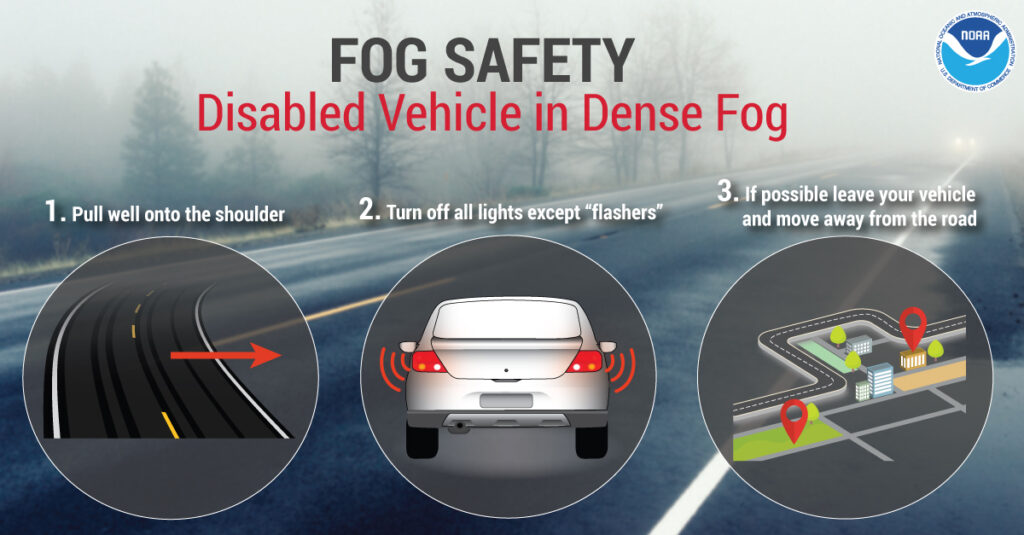
Driving in fog presents unique challenges that test even the most experienced motorists. Reduced visibility, distorted perception of distance, and unpredictable road conditions demand heightened caution and specialized techniques. Mastering the art of navigating through this natural phenomenon is essential for safety, as improper responses can lead to collisions or disorientation.
This guide covers critical strategies: adjusting speed to match visibility, using low-beam headlights and fog lights correctly, maintaining safe following distances, and relying on road markings rather than the vehicles ahead. By understanding how fog alters your environment and adopting proactive measures, you can significantly reduce risks. Whether on highways or rural roads, these principles ensure you remain in control when the world turns gray.
- How to Drive in Fog Safely: Essential Techniques for Low Visibility
- Essential Techniques for Driving Safely in Fog
- Over-Reliance on High-Beam Headlights
- Driving at Normal Speed with Inadequate Following Distance
- Relying Solely on Your Own Vision and Ignoring Other Sensory Inputs
- The Relationship Between Reduced Visibility and Stopping Distance
- How Fog Alters Perception and Increases Reaction Time
- The Impact on Vehicle Control and Road Traction
- Frequently Asked Questions
How to Drive in Fog Safely: Essential Techniques for Low Visibility
Driving in fog requires a significant reduction in speed and increased attention, as thick fog can reduce visibility to near zero. The most crucial rule is to use your low-beam headlights or fog lights, as high beams will reflect off the moisture droplets and actually blind you.
Always increase your following distance to at least 5 to 6 seconds behind the car ahead, and rely on the road's edge lines or reflector markers to guide you. Avoid sudden maneuvers, and if visibility drops below 100 feet, pull over to a safe area off the roadway until conditions improve.
You might be interested in this content. Tips for Long-Distance Driving
Prepare Your Vehicle and Vision Before Entering the Fog
Before you even encounter fog, ensure your vehicle is prepared. Clean your windshield, headlights, and taillights to maximize light output, and check that your defroster and wipers are working correctly to combat interior fogging. Activate your low-beam headlights and fog lights before visibility drops—not after—so other drivers can see you from a distance. For your own vision, reduce dashboard brightness and avoid staring directly into the fog; instead, focus on the right edge of the road to maintain your lane position without glare.
Adjust Your Speed and Following Distance Predictably
Speed is your greatest enemy in fog. You must drive slowly enough to stop within your visible range—this often means traveling at 20 mph or less in dense fog. Maintain a safe following distance of at least 5-6 seconds to give yourself ample time to react to sudden stops. Do not speed up or slow down erratically; use gentle braking to signal your intentions, and never use cruise control as it reduces your ability to instantly react to hazards like a stopped car or an animal on the road.
When you cannot see the road ahead, rely on physical cues like the white line on the right side of the road to keep you on track. Turn off your radio and roll down your driver's side window to listen for oncoming traffic or emergency sirens that you cannot yet see. Avoid passing other vehicles unless absolutely necessary, and if you must stop, pull completely off the pavement and turn off your lights (except for hazard lights) so other drivers do not mistake your taillights for the car ahead and drive into you.
| Fog Condition | Recommended Speed | Following Distance | Light Setting |
|---|---|---|---|
| Light Fog (visibility over 500 ft) | Normal speed minus 10 mph | 4 seconds | Low beams or fog lights |
| Moderate Fog (visibility 200-500 ft) | 30-40 mph maximum | 5 seconds | Low beams + fog lights |
| Dense Fog (visibility under 200 ft) | Under 20 mph | 6+ seconds | Low beams + fog lights only |
| Impassable Fog (visibility under 50 ft) | Stop and pull off road | N/A | Hazard lights on; headlights off |
Essential Techniques for Driving Safely in Fog
What are the key mistakes to avoid when driving in foggy conditions?
Driving in foggy conditions requires heightened caution and a significant adjustment of standard driving habits. The reduced visibility and altered perception of speed and distance inherent to fog lead to a specific set of common errors. Understanding these mistakes is the first step to safer driving in such conditions.
You might be interested in this content. How to Drive an AWD Vehicle Properly
Over-Reliance on High-Beam Headlights
Why High Beams Reduce Your Visibility in Fog
A primary mistake drivers make is switching to high-beam headlights, believing brighter light will cut through the fog. In reality, high beams reflect off the water droplets suspended in the fog, creating a blinding white wall of light directly in front of the vehicle. This glare drastically reduces forward visibility and can momentarily blind the driver.
Low-beam headlights direct light downward and are designed to project a wider, lower beam that is absorbed less by the fog, providing better illumination of the road surface and lane markings directly ahead.
- High beams create a blinding glare as light reflects off fog particles, reducing your ability to see the road.
- The glare from high beams can also momentarily blind oncoming drivers and those ahead of you.
- Using low beams or dedicated fog lights projects light downward and outward, improving visibility of the road and edges without reflecting back into your eyes.
Driving at Normal Speed with Inadequate Following Distance
The Danger of Overestimating Your Stopping Ability
Another critical error is failing to adjust speed and following distance to match the drastically reduced visibility. Drivers often maintain speeds that are appropriate for clear weather, not realizing that fog compresses their perception of speed.
A common consequence is a chain-reaction pile-up because drivers cannot stop within the distance they can see. The correct action is to reduce speed to a level where you can stop safely within the visible stretch of road ahead, and to significantly increase the following distance from the vehicle in front, often to 5 or more seconds.
You might be interested in this content. Common Driving Mistakes to Avoid
- Driving too fast leaves you unable to stop within the distance you can see, making a collision with a stopped vehicle or obstacle likely.
- A short following distance fails to account for the sudden braking of the car ahead, which can be masked by the fog until it is too late.
- Reducing speed and increasing the gap gives you crucial extra time to perceive a hazard and react safely.
Relying Solely on Your Own Vision and Ignoring Other Sensory Inputs
A frequent mistake is focusing exclusively on trying to see through the fog and neglecting other vital sources of information. This includes rolling down windows to listen for traffic, using windshield wipers and defrosters to maintain clear glass, and paying close attention to auditory cues.
For example, simply staring intently forward while the windshield fogs up internally can render you completely blind. Similarly, not using the defroster to combat interior condensation or neglecting to use wipers to clear external moisture leads to severely compromised vision. Actively using all senses and vehicle systems enhances overall situational awareness.
- Failing to use the defroster and air conditioning causes interior fogging, blind spots, and unsafe driving conditions.
- Not rolling down a window to listen for cross-traffic, sirens, or other vehicles deprives you of critical information your eyes cannot provide.
- Ignoring the road's edge, lane markings, and guardrails as tactile references can lead to unintentional lane departures or driving off the road.
Is reducing speed necessary for safe driving in fog?
Yes, reducing speed is necessary for safe driving in fog. Fog significantly reduces visibility, alters perception of distance and speed, and creates hazardous road conditions. Driving at or near the posted speed limit, which is typically designed for clear weather, leaves insufficient time to react to obstacles, stopped vehicles, or sudden changes in the road ahead.
Lowering speed allows a driver to stop within the shorter distance they can see, minimizing the risk of collisions, and provides greater control over the vehicle on potentially slick surfaces.
You might be interested in this content. How to Drive on Snow and Ice
The Relationship Between Reduced Visibility and Stopping Distance
Why Slower Speeds Are Critical When You Cannot See Far
Safe driving relies on the ability to stop within the distance you can see ahead. In dense fog, visibility can drop to under 100 feet, or even less. At a speed of 60 mph, a vehicle travels 88 feet per second, and the total stopping distance (including reaction time and braking) can exceed 250 feet.
This means a driver traveling at 60 mph would need more than twice the visible distance to come to a complete stop. Reducing speed proportionally to visibility range ensures that the vehicle can stop safely before reaching any unseen hazard.
- At 60 mph, a total stopping distance can exceed 250 feet, far beyond typical fog visibility.
- If visibility is 200 feet, a safe speed would be around 30 mph or less, as stopping distance at 30 mph is approximately 75 feet.
- Driver reaction time (about 1.5 seconds) adds significant distance, further emphasizing the need for lower speeds in low visibility.
How Fog Alters Perception and Increases Reaction Time
Compensating for Visual Distortions Through Reduced Speed
Fog does not just obscure objects; it distorts a driver’s perception of speed and distance. Objects appear farther away than they are, leading drivers to underestimate their own speed and overestimate the distance to hazards. This perceptual error can cause drivers to maintain excessive velocity, believing they have more time and space to react than they actually do.
Additionally, the lack of visual reference points, such as distant landmarks or road markings, makes it difficult to judge vehicle movement. Reducing speed directly counteracts these illusions by lowering the margin of error needed for safe decision-making and allowing the driver more time to process sensory information.
You might be interested in this content.
- Drivers often misjudge the closing speed of vehicles ahead, leading to rear-end collisions.
- Limited landmarks in fog impair the ability to sense deceleration or acceleration.
- Lower speeds provide extra seconds for the brain to interpret visual cues and respond appropriately to sudden hazards.
The Impact on Vehicle Control and Road Traction
How Slower Speed Improves Stability and Prevents Skidding
Fog often accompanies damp or wet road surfaces, which reduce tire traction. Moisture from fog can leave a thin film on the pavement, decreasing the coefficient of friction between tires and the road.
At higher speeds, the risk of hydroplaning or losing control during sudden steering adjustments increases significantly. Lower speeds allow the tires to maintain better contact with the road, improving steering response and braking efficiency. Slower travel also minimizes the severity of accidents by reducing the kinetic energy involved in any potential impact.
- Wet roads from fog can double the stopping distance, making high speeds extremely dangerous.
- Sudden movements like hard braking or sharp turns are more likely to cause skids at elevated speeds on slick surfaces.
- Driving at a slower pace allows for smoother, more gradual inputs to the steering and brakes, preserving tire grip and vehicle stability.
Frequently Asked Questions
1. What is the most important rule when driving in fog?
The most critical rule is to slow down significantly. Fog reduces visibility and increases stopping distances. Drive at a speed that allows you to stop within the distance you can see clearly ahead. Use your low-beam headlights, as high beams reflect off fog and worsen visibility. If visibility is near zero, pull completely off the road to a safe location, turn off all lights except hazards, and wait for conditions to improve.
2. Should I use high-beam or low-beam headlights in fog?
Always use low-beam headlights or dedicated fog lights in foggy conditions. High-beam headlights project light straight ahead, causing it to reflect off the dense water droplets in fog, creating a blinding white glare that reduces visibility further. Low beams aim downward and to the side, reducing this reflection. Combined with rear fog lights (if available), this setup helps you see the road and makes your vehicle visible to others.
You might be interested in this content. Safe Driving During Heavy Rain
3. How can I stay oriented and avoid collisions in fog?
Stay oriented by following the right edge of the road using the painted white line or curb as a guide. Avoid relying on the center line, which can lead you into oncoming traffic. Use your windshield defroster and wipers to keep glass clear. Increase your following distance to at least 5 seconds behind the car ahead. Listen for traffic at intersections and avoid passing other vehicles. If you become lost or disoriented, stop safely.
4. What should I do if I have to stop on a road in heavy fog?
If you must stop, pull as far off the roadway as possible, preferably into a parking lot or rest area. Once stopped, turn off all your lights except your hazard warning flashers. This prevents other drivers from mistakenly following your lights and colliding with your stationary vehicle. If you leave your headlights on, they might be mistaken for moving traffic. Set your parking brake and wait until visibility improves significantly before resuming your journey.
Leave a Reply