
Hyundai Tucson Hybrid vs Honda CR-V Hybrid Canada: Which SUV Is Better?

The Hyundai Tucson Hybrid and Honda CR-V Hybrid are two of the most attractive compact hybrid SUVs available in Canada. Both combine excellent fuel efficiency, all-wheel-drive capability, spacious interiors and modern safety technology, making them practical alternatives to conventional gasoline-powered SUVs.
However, there are important differences between these two vehicles. The Hyundai Tucson Hybrid offers more horsepower, a longer comprehensive warranty, greater towing capacity and competitive pricing. Meanwhile, the Honda CR-V Hybrid delivers better combined fuel economy in most trims and a smooth two-motor hybrid system.
So, which hybrid SUV should Canadian drivers choose?
In this comprehensive Hyundai Tucson Hybrid vs Honda CR-V Hybrid comparison, we examine performance, fuel consumption, reliability, maintenance costs, interior space, winter driving and overall value to help you make the right decision.
- Hyundai Tucson Hybrid vs Honda CR-V Hybrid: Specifications
- Hyundai Tucson Hybrid vs Honda CR-V Hybrid Price in Canada
- Engine and Performance Comparison
- Hyundai Tucson Hybrid vs Honda CR-V Hybrid Fuel Economy
- Hyundai Tucson Hybrid vs Honda CR-V Hybrid Driving Range
- Which Hybrid SUV Is Better for Canadian Winters?
- Hyundai Tucson Hybrid vs Honda CR-V Hybrid Interior
- Cargo Space and Family Practicality
- Hyundai Tucson Hybrid vs Honda CR-V Hybrid Towing Capacity
- Technology and Infotainment
- Hyundai Tucson Hybrid vs Honda CR-V Hybrid Safety
- Hyundai Tucson Hybrid vs Honda CR-V Hybrid Reliability
- Warranty Comparison in Canada
- Hyundai Tucson Hybrid vs Honda CR-V Hybrid Maintenance Costs
- Hyundai Tucson Hybrid vs Honda CR-V Hybrid Resale Value
- Does Either Hybrid SUV Require Charging?
- Hyundai Tucson Hybrid vs Honda CR-V Hybrid: Pros and Cons
- Which Hybrid SUV Should You Buy in Canada?
- Frequently Asked Questions
- 1. Is the Hyundai Tucson Hybrid better than the Honda CR-V Hybrid?
- 2. Which is more fuel-efficient, the Tucson Hybrid or CR-V Hybrid?
- 3. Which hybrid SUV is more reliable?
- 4. Is the Hyundai Tucson Hybrid cheaper than the Honda CR-V Hybrid in Canada?
- 5. Are the Hyundai Tucson Hybrid and Honda CR-V Hybrid good in snow?
- Conclusion
Hyundai Tucson Hybrid vs Honda CR-V Hybrid: Specifications
The following table compares the 2026 Canadian AWD versions of both hybrid SUVs.
| Specification | Hyundai Tucson Hybrid | Honda CR-V Hybrid |
|---|---|---|
| Engine | 1.6L turbocharged hybrid | 2.0L hybrid |
| Combined horsepower | 231 hp | 204 hp |
| Transmission | 6-speed automatic | Electronic CVT |
| Drivetrain | AWD | AWD |
| City fuel consumption | 6.7 L/100 km | 6.0 L/100 km |
| Highway fuel consumption | 6.7 L/100 km | 6.9 L/100 km |
| Combined fuel consumption | 6.7 L/100 km | 6.4 L/100 km |
| Fuel tank capacity | 52 L | 53 L |
| Seating capacity | 5 | 5 |
| Cargo space | 1,097 L | 1,028 L |
| Maximum cargo space | 2,108 L | 2,030 L |
| Maximum towing capacity | 2,000 lb | 1,000 lb |
| Comprehensive warranty | 5 years/100,000 km | 3 years/60,000 km |
| Hybrid system warranty | 8 years/160,000 km | 8 years/160,000 km |
The Honda CR-V TrailSport Hybrid has a higher combined consumption rating of 6.7 L/100 km. Equipment and specifications may vary depending on the selected trim.
Hyundai Tucson Hybrid vs Honda CR-V Hybrid Price in Canada
Price is one of the most important considerations when purchasing a hybrid SUV.
Hyundai generally offers a more affordable entry point into hybrid ownership, while Honda positions its hybrid models toward the upper end of the CR-V lineup.
Hyundai Tucson Hybrid Canadian Prices
| 2026 Trim | Published MSRP |
|---|---|
| Night Edition Hybrid AWD | $42,799 |
| N Line Hybrid AWD | $43,799 |
| Ultimate Hybrid AWD | $47,799 |
Honda CR-V Hybrid Canadian Prices
| 2026 Trim | Published MSRP |
|---|---|
| Sport Hybrid AWD | $45,900 |
| TrailSport Hybrid AWD | $47,300 |
| EX-L Hybrid AWD | $48,700 |
| Touring Hybrid AWD | $51,200 |
These are published manufacturer suggested retail prices in Canadian dollars. Freight, dealership fees, taxes, accessories and subsequent price adjustments are not included.
The Hyundai Tucson Hybrid Night Edition has a published starting price approximately $3,100 lower than the Honda CR-V Sport Hybrid.
For buyers looking to reduce their initial purchase cost, the Tucson Hybrid has a clear advantage.
Winner: Hyundai Tucson Hybrid.
Engine and Performance Comparison
Although both SUVs use hybrid technology, their powertrain designs are considerably different.
Hyundai Tucson Hybrid Engine
The Hyundai Tucson Hybrid combines a 1.6-litre turbocharged four-cylinder gasoline engine with an electric motor and a six-speed automatic transmission.
Its combined output of 231 horsepower makes it an attractive option for drivers who frequently travel on highways, carry passengers or encounter steep roads.
The conventional automatic transmission also provides familiar gear changes for drivers transitioning from a traditional gasoline vehicle.
Key advantages include:
- Higher combined horsepower.
- Strong acceleration potential.
- Conventional automatic transmission.
- Standard all-wheel drive on the compared versions.
- Greater towing capacity.
Honda CR-V Hybrid Engine
The Honda CR-V Hybrid uses a naturally aspirated 2.0-litre four-cylinder gasoline engine and a two-motor hybrid system producing 204 horsepower.
Its electric-focused powertrain is particularly well suited to urban driving, where smooth acceleration and frequent regenerative braking can improve efficiency.
You might be interested in this content. Best Cars for Canadian Winters
Unlike a conventional belt-driven CVT, Honda's electronic hybrid transmission operates through a different combination of electric propulsion and direct engine drive under suitable conditions.
The absence of a turbocharger is another attractive feature for buyers who prefer naturally aspirated engines.
Winner: Hyundai Tucson Hybrid for horsepower; Honda CR-V Hybrid for smooth urban driving.
Hyundai Tucson Hybrid vs Honda CR-V Hybrid Fuel Economy
Fuel efficiency is one of the primary reasons Canadians choose hybrid SUVs.
Both models deliver considerably better fuel economy than their conventional gasoline AWD counterparts.
However, the Honda CR-V Hybrid has a slight advantage in combined fuel consumption.
| Driving Conditions | Tucson Hybrid | CR-V Hybrid |
|---|---|---|
| City | 6.7 L/100 km | 6.0 L/100 km |
| Highway | 6.7 L/100 km | 6.9 L/100 km |
| Combined | 6.7 L/100 km | 6.4 L/100 km |
The Honda CR-V Hybrid is particularly efficient in urban environments, including congested cities such as Toronto, Montreal and Vancouver.
Interestingly, the Hyundai Tucson Hybrid has a slightly better official highway consumption rating.
Annual Fuel Cost Comparison
Assuming an annual driving distance of 20,000 kilometres and an illustrative gasoline price of $1.60 per litre, we can estimate the following annual fuel expenses.
| Annual Expenses | Tucson Hybrid | CR-V Hybrid |
|---|---|---|
| Annual distance | 20,000 km | 20,000 km |
| Fuel consumed | 1,340 L | 1,280 L |
| Monthly fuel cost | $178.67 | $170.67 |
| Annual fuel cost | $2,144 | $2,048 |
| Five-year fuel cost | $10,720 | $10,240 |
The Honda CR-V Hybrid could save approximately $96 annually or $480 over five years under these assumptions.
Although Honda wins in combined fuel efficiency, the difference may not be large enough to compensate for a significantly higher purchase price.
Actual consumption depends on weather, driving habits, road conditions and vehicle load.
Winner: Honda CR-V Hybrid.
Hyundai Tucson Hybrid vs Honda CR-V Hybrid Driving Range
Both vehicles offer excellent theoretical driving range without requiring external charging.
| Specification | Tucson Hybrid | CR-V Hybrid |
|---|---|---|
| Fuel tank | 52 L | 53 L |
| Combined consumption | 6.7 L/100 km | 6.4 L/100 km |
| Theoretical driving range | 776 km | 828 km |
The Honda CR-V Hybrid benefits from a slightly larger fuel tank and lower combined consumption.
However, these calculations assume that the entire nominal fuel tank capacity is used. Actual distances between refuelling stops will generally be shorter.
Both SUVs are suitable for long Canadian road trips.
Winner: Honda CR-V Hybrid.
Which Hybrid SUV Is Better for Canadian Winters?
Winter performance is particularly important for Canadian drivers, especially in Alberta, Manitoba, Saskatchewan, Quebec and Ontario.
You might be interested in this content. Most Reliable Vehicles in Canada
Fortunately, both compared vehicles feature all-wheel-drive systems designed to improve traction on slippery surfaces.
Hyundai Tucson Hybrid Winter Performance
The Tucson Hybrid uses Hyundai's HTRAC all-wheel-drive technology, which adjusts power distribution according to driving conditions.
Depending on trim, winter-friendly equipment can include heated seats, a heated steering wheel, heated mirrors and selectable driving modes.
The combination of turbocharged performance and AWD makes the Tucson an appealing option for snowy roads and hilly terrain.
Honda CR-V Hybrid Winter Performance
The Honda CR-V Hybrid features Real Time AWD, snow driving mode and electronic traction management.
The TrailSport Hybrid adds all-terrain tires and rugged styling, making it particularly attractive for drivers who regularly encounter gravel roads and uneven surfaces.
However, all-terrain tires should not automatically be considered a substitute for dedicated winter tires.
Does Cold Weather Affect Hybrid Fuel Economy?
Yes. Both hybrid SUVs can experience higher fuel consumption during Canadian winters because of:
- Increased cabin heating requirements.
- Reduced battery efficiency in cold temperatures.
- Longer engine operating periods.
- Winter tire rolling resistance.
- Snow-covered roads.
- Increased idling and remote starting.
Regardless of which vehicle you choose, dedicated winter tires are one of the most important investments for cold-weather driving.
AWD improves acceleration and traction but does not eliminate the need for appropriate tires or safe braking distances.
Winner: Tie.
Hyundai Tucson Hybrid vs Honda CR-V Hybrid Interior
Both SUVs provide comfortable five-passenger cabins, but their approaches to interior design differ.
Hyundai Tucson Hybrid Interior
The Tucson Hybrid emphasizes contemporary styling and digital technology.
Depending on the trim, available equipment includes a panoramic display arrangement, a 12.3-inch infotainment screen, ventilated front seats, premium audio, ambient lighting and a panoramic sunroof.
The cabin feels modern and offers numerous convenience features, particularly in the Ultimate trim.
Honda CR-V Hybrid Interior
The Honda CR-V Hybrid focuses on practicality, visibility and straightforward controls.
Its dashboard features a cleaner, more traditional layout, while the spacious rear seating area makes it particularly attractive for families.
The Touring Hybrid adds premium equipment, including a Bose audio system and Google built-in functionality.
Drivers who prefer physical controls and uncomplicated ergonomics may appreciate the Honda's interior design.
You might be interested in this content. Best Used Cars to Buy in Canada
Winner: Hyundai Tucson Hybrid for technology; Honda CR-V Hybrid for simplicity.
Cargo Space and Family Practicality
Both models provide generous cargo capacity for grocery shopping, camping equipment, luggage and everyday family activities.
| Cargo Capacity | Tucson Hybrid | CR-V Hybrid |
|---|---|---|
| Rear seats upright | 1,097 L | 1,028 L |
| Rear seats folded | 2,108 L | 2,030 L |
| Seating capacity | 5 | 5 |
The Hyundai Tucson Hybrid provides slightly more published cargo volume in both configurations.
However, cargo area shape, floor height and measurement methods can also influence real-world practicality.
The Honda CR-V Hybrid remains an excellent family SUV, particularly for parents who need comfortable rear seating and easy access to child safety seats.
Neither vehicle offers a third seating row.
Winner: Hyundai Tucson Hybrid.
Hyundai Tucson Hybrid vs Honda CR-V Hybrid Towing Capacity
If you plan to tow a small trailer, the Hyundai Tucson Hybrid has a significant advantage.
| Model | Maximum Towing Capacity |
|---|---|
| Hyundai Tucson Hybrid | 2,000 lb (907 kg) |
| Honda CR-V Hybrid | 1,000 lb (453 kg) |
The Tucson Hybrid offers approximately twice the rated towing capacity of the CR-V Hybrid when properly equipped and operated within manufacturer requirements.
This makes the Hyundai a more flexible choice for transporting small utility trailers, lightweight camping equipment or other recreational gear.
Drivers must always account for trailer weight, payload, tongue weight, braking requirements and vehicle-specific towing limitations.
Winner: Hyundai Tucson Hybrid.
Technology and Infotainment
Modern technology is another important consideration when comparing these two hybrid SUVs.
Hyundai Tucson Hybrid Technology
Depending on the selected trim, the Tucson offers:
- 12.3-inch infotainment touchscreen.
- Digital instrument cluster.
- Wireless Apple CarPlay.
- Wireless Android Auto.
- Wireless smartphone charging.
- Available head-up display.
- Available surround-view camera.
- Available digital key technology.
- Available Bose premium audio.
Honda CR-V Hybrid Technology
The Honda CR-V Hybrid offers a 9-inch infotainment touchscreen, wireless smartphone integration, wireless charging and available premium audio.
Higher trims provide additional digital displays, connected services and convenience features.
The Honda's technology is practical and user-friendly, although the Hyundai offers a larger central display and a more extensive selection of available premium technology.
Winner: Hyundai Tucson Hybrid.
Hyundai Tucson Hybrid vs Honda CR-V Hybrid Safety
Both manufacturers prioritize safety and provide comprehensive driver-assistance technologies.
You might be interested in this content.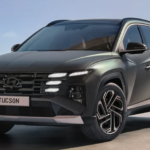 Hyundai Tucson Life Expectancy in Canada: How Long Does It Last?
Hyundai uses its SmartSense safety suite, while Honda offers Honda Sensing.
Depending on the selected model and trim, these systems can include forward collision assistance, adaptive cruise control, lane-keeping assistance, blind-spot monitoring, rear cross-traffic alerts and automatic emergency braking.
Hyundai also offers additional camera-based assistance systems on selected higher trims.
Both vehicles are attractive options for safety-conscious families. Buyers should compare the equipment and independent crash-test results for their specific model year rather than assuming that every version offers identical protection.
Winner: Tie.
Hyundai Tucson Hybrid vs Honda CR-V Hybrid Reliability
Reliability is often a deciding factor for Canadian buyers planning to keep their vehicles for many years.
Is the Hyundai Tucson Hybrid Reliable?
The Tucson Hybrid combines a turbocharged gasoline engine, electric motor, hybrid battery and conventional automatic transmission.
This configuration provides excellent versatility, although the turbocharger and associated components introduce additional mechanical complexity compared with a naturally aspirated engine.
Potential areas to monitor throughout ownership include hybrid system warnings, electronic sensors, software updates, the 12-volt electrical system and transmission operation.
These are inspection considerations rather than problems every Tucson Hybrid owner should expect.
Hyundai's comprehensive warranty provides an important advantage for buyers concerned about unexpected repairs during the first five years of ownership.
Is the Honda CR-V Hybrid Reliable?
Honda has extensive experience developing hybrid powertrains, and the CR-V Hybrid benefits from a naturally aspirated engine and an established two-motor hybrid design.
Potential ownership concerns can include electronic faults, hybrid system warnings, sensor malfunctions and software-related issues.
The Honda's lack of a turbocharger may appeal to drivers who prefer fewer turbo-related mechanical components.
However, no modern hybrid SUV is immune to mechanical or electrical problems.
Which Hybrid SUV Is More Reliable?
We would give the Honda a slight preference for buyers prioritizing a naturally aspirated engine and long-term hybrid ownership.
Nevertheless, there is insufficient long-term evidence to establish a definitive reliability winner between these specific 2026 models.
Both vehicles require regular maintenance, and individual reliability will depend on servicing, driving conditions and vehicle history.
Warranty Comparison in Canada
Hyundai offers a longer comprehensive new vehicle warranty than Honda in Canada.
You might be interested in this content.Hyundai Tucson N Line vs Ultimate Canada: Which Should You Buy?| Warranty Coverage | Hyundai Tucson Hybrid | Honda CR-V Hybrid |
|---|---|---|
| Comprehensive | 5 years/100,000 km | 3 years/60,000 km |
| Powertrain | 5 years/100,000 km | 5 years/100,000 km |
| Hybrid system | 8 years/160,000 km | 8 years/160,000 km |
Warranty coverage is subject to manufacturer terms, exclusions and mileage limits.
While both vehicles provide the same published hybrid system warranty duration, Hyundai offers an additional two years and 40,000 kilometres of comprehensive coverage.
This is especially attractive for Canadian buyers planning to keep their SUV for four or five years.
Winner: Hyundai Tucson Hybrid.
Hyundai Tucson Hybrid vs Honda CR-V Hybrid Maintenance Costs
Both vehicles require scheduled maintenance despite their electrified powertrains.
Common maintenance requirements include engine oil and filter changes, brake fluid replacement, tire rotations, air filter replacement, cooling system maintenance and hybrid system inspections.
Regenerative braking can reduce conventional brake pad wear, although Canadian road salt can still contribute to brake corrosion.
The Hyundai's turbocharged engine makes adherence to the recommended oil specification and maintenance schedule particularly important.
Honda uses its Maintenance Minder system to indicate when specific maintenance services are required.
Neither vehicle can be declared universally cheaper to maintain without comparing local dealership labour rates, service schedules and actual repair history.
Hyundai Tucson Hybrid vs Honda CR-V Hybrid Resale Value
Honda has traditionally maintained a strong reputation for resale value in Canada.
The CR-V's popularity and established presence in the used SUV market may help support future demand for hybrid versions.
The Tucson Hybrid, however, benefits from a lower initial purchase price and longer comprehensive warranty, which can make it attractive to second-hand buyers.
When assessing depreciation, we recommend considering the actual amount of money lost rather than simply comparing resale percentages.
A vehicle purchased at a lower price can sometimes deliver better overall ownership value even if it retains a smaller percentage of its original cost.
Potential advantage: Honda CR-V Hybrid, although future resale values are not guaranteed.
Does Either Hybrid SUV Require Charging?
No. Both the Hyundai Tucson Hybrid and Honda CR-V Hybrid are conventional self-charging hybrid vehicles.
Their high-voltage batteries receive energy through regenerative braking and operation of the gasoline-powered system.
Drivers simply refuel them at conventional gasoline stations.
You might be interested in this content.Hyundai Tucson Hybrid vs Toyota RAV4 Hybrid Canada: Which SUV Is Better?However, Hyundai also offers the Tucson Plug-in Hybrid, which has a larger battery and can be externally charged to provide approximately 51 kilometres of estimated electric-only driving range for the 2026 model.
Honda does not offer a CR-V Plug-in Hybrid in Canada for the compared model year.
For buyers interested in completing daily commutes primarily on electricity, the Tucson PHEV provides an additional option.
Hyundai Tucson Hybrid vs Honda CR-V Hybrid: Pros and Cons
Hyundai Tucson Hybrid Pros
- Lower published starting price.
- More combined horsepower.
- Longer comprehensive warranty.
- Greater towing capacity.
- Larger published cargo capacity.
- Modern interior technology.
- Available plug-in hybrid alternative.
Hyundai Tucson Hybrid Cons
- Slightly higher combined fuel consumption.
- More complex turbocharged engine.
- Potentially higher winter tire costs on larger-wheel trims.
- Future resale value may vary considerably.
Honda CR-V Hybrid Pros
- Excellent combined fuel economy.
- Smooth two-motor hybrid powertrain.
- Naturally aspirated gasoline engine.
- Spacious and practical cabin.
- Strong potential resale value.
- Available TrailSport Hybrid trim.
Honda CR-V Hybrid Cons
- Higher published starting price.
- Lower combined horsepower.
- Shorter comprehensive warranty.
- Lower towing capacity.
- Smaller infotainment screen.
- No plug-in hybrid version in Canada.
Which Hybrid SUV Should You Buy in Canada?
The best choice depends on your priorities and driving habits.
| Category | Winner |
|---|---|
| Purchase price | Hyundai Tucson Hybrid |
| Horsepower | Hyundai Tucson Hybrid |
| City fuel economy | Honda CR-V Hybrid |
| Highway fuel economy | Hyundai Tucson Hybrid |
| Combined fuel economy | Honda CR-V Hybrid |
| Driving range | Honda CR-V Hybrid |
| Winter driving | Tie |
| Interior technology | Hyundai Tucson Hybrid |
| Cargo capacity | Hyundai Tucson Hybrid |
| Towing capacity | Hyundai Tucson Hybrid |
| Comprehensive warranty | Hyundai Tucson Hybrid |
| Hybrid system warranty | Tie |
| Long-term reliability | No definitive winner |
| Potential resale value | Honda CR-V Hybrid |
| Overall equipment for the price | Hyundai Tucson Hybrid |
Choose the Hyundai Tucson Hybrid If:
You want more horsepower, a lower purchase price, advanced technology, greater towing capability and longer comprehensive warranty coverage.
The Tucson Hybrid is particularly attractive for families looking to maximize equipment and versatility without paying the premium associated with some competing hybrid SUVs.
Choose the Honda CR-V Hybrid If:
You prioritize urban fuel economy, smooth hybrid operation, straightforward interior controls and a naturally aspirated gasoline engine.
The CR-V Hybrid is particularly appealing for commuters and drivers who expect to keep their SUV for many years.
Frequently Asked Questions
1. Is the Hyundai Tucson Hybrid better than the Honda CR-V Hybrid?
The Hyundai Tucson Hybrid offers better value in terms of purchase price, horsepower, towing capacity, technology and comprehensive warranty. The Honda CR-V Hybrid is better suited to drivers who prioritize combined fuel economy and naturally aspirated hybrid performance.
2. Which is more fuel-efficient, the Tucson Hybrid or CR-V Hybrid?
The Honda CR-V Hybrid achieves a combined rating of 6.4 L/100 km in most Canadian trims, compared with 6.7 L/100 km for the Hyundai Tucson Hybrid AWD. However, the Tucson has a slightly better official highway consumption rating.
3. Which hybrid SUV is more reliable?
Honda's naturally aspirated hybrid engine may appeal to long-term owners, while Hyundai provides longer comprehensive warranty coverage. Both are competitive options, but there is not enough long-term evidence to identify a definitive reliability winner for the 2026 models.
4. Is the Hyundai Tucson Hybrid cheaper than the Honda CR-V Hybrid in Canada?
Yes. Based on published 2026 Canadian MSRP figures, the Hyundai Tucson Hybrid Night Edition starts at $42,799, while the Honda CR-V Sport Hybrid starts at $45,900. Actual dealership prices may differ.
5. Are the Hyundai Tucson Hybrid and Honda CR-V Hybrid good in snow?
Yes. Both AWD hybrid SUVs offer traction management and winter-friendly features that make them suitable for Canadian winters. However, dedicated winter tires are strongly recommended for driving in snow, ice and freezing temperatures.
Conclusion
The Hyundai Tucson Hybrid vs Honda CR-V Hybrid comparison reveals two excellent SUVs that approach hybrid ownership differently.
The Honda CR-V Hybrid stands out for its fuel efficiency, smooth two-motor hybrid system, spacious cabin and naturally aspirated engine.
Meanwhile, the Hyundai Tucson Hybrid provides more horsepower, greater towing capacity, additional cargo space, advanced technology, a longer comprehensive warranty and a lower published starting price.
For most Canadian buyers seeking the best combination of affordability, equipment and versatility, we consider the Hyundai Tucson Hybrid the better overall value.
However, the Honda CR-V Hybrid remains an excellent alternative for drivers who prioritize urban fuel efficiency, smooth operation and long-term ownership.
Ultimately, both vehicles are among the most compelling compact hybrid SUVs available in Canada.
You might be interested in this content.Hyundai Tucson Hybrid vs Kia Sportage Hybrid Canada: Which SUV Is Better?
Leave a Reply