
Hyundai Tucson Engine Light On: Common Causes, Fixes and Reset Guide

When the check engine light comes on in your Hyundai Tucson, it can be difficult to determine whether you are dealing with a minor issue or a serious mechanical problem. The warning may appear unexpectedly while driving, after refuelling or immediately after starting the vehicle.
Fortunately, an illuminated engine warning light does not automatically mean that your engine is failing. Something as simple as a loose gas cap could trigger the warning. However, faulty ignition coils, engine misfires, damaged sensors and internal engine problems are also possible causes.
In this guide, we explain why your Hyundai Tucson engine light is on, how to identify the underlying problem, when it is safe to drive and what you can do to resolve the issue.
- What Does the Hyundai Tucson Check Engine Light Mean?
- Hyundai Tucson Solid vs Flashing Check Engine Light
- 12 Common Reasons Why Your Hyundai Tucson Engine Light Is On
- 1. Loose or Damaged Gas Cap
- 2. Faulty Oxygen Sensor
- 3. Worn Spark Plugs
- 4. Faulty Ignition Coils
- 5. Catalytic Converter Problems
- 6. Airflow Sensor Problems
- 7. EVAP System Problems
- 8. Fuel Injector Problems
- 9. Engine Oil and Variable Valve Timing Problems
- 10. Camshaft or Crankshaft Position Sensor Failure
- 11. Turbocharger Problems
- 12. Internal Engine Problems and Knock Sensor Warnings
- Common Hyundai Tucson Check Engine Light Codes
- Hyundai Tucson Engine Light On but Running Fine
- Hyundai Tucson Check Engine Light Flashing and Car Shaking
- Hyundai Tucson Engine Light On and Loss of Power
- Hyundai Tucson Engine Light On After Getting Gas
- Hyundai Tucson Engine Light On After an Oil Change
- Hyundai Tucson Hybrid Check Engine Light
- Hyundai Tucson Engine Light On During Cold Weather
- Hyundai Tucson Check Engine Light by Model Year
- How to Diagnose a Hyundai Tucson Check Engine Light
- How to Reset the Hyundai Tucson Check Engine Light
- Can You Drive a Hyundai Tucson With the Engine Light On?
- Hyundai Tucson Check Engine Light Repair Cost in Canada
- Is the Hyundai Tucson Engine Light Covered Under Warranty?
- How to Prevent Hyundai Tucson Check Engine Light Problems
- Frequently Asked Questions
- 1. Why is my Hyundai Tucson check engine light on for no reason?
- 2. Can low engine oil cause the check engine light to come on?
- 3. Why is my Hyundai Tucson engine light flashing?
- 4. How long does it take for the Hyundai Tucson check engine light to go off?
- 5. Is the Hyundai Tucson check engine light a serious problem?
- Conclusion
What Does the Hyundai Tucson Check Engine Light Mean?
The check engine light, officially known as the Malfunction Indicator Lamp (MIL), is part of the Hyundai Tucson's onboard diagnostic system.
This system continuously monitors various components responsible for engine performance, fuel delivery and emissions control.
When the vehicle's engine control module detects an abnormal condition, it may activate the warning light and store a diagnostic trouble code.
The check engine light typically appears as a yellow or amber engine-shaped symbol on the dashboard.
It can indicate problems involving:
- Engine ignition systems.
- Fuel injection.
- Oxygen sensors.
- Emissions control systems.
- Catalytic converters.
- Engine timing.
- Air intake systems.
- Engine monitoring sensors.
It is normal for the warning light to illuminate briefly when switching on the ignition. However, it should normally disappear after the engine starts or the vehicle completes its startup checks.
Hyundai Tucson Solid vs Flashing Check Engine Light
Understanding how the engine warning light behaves can help determine the urgency of the problem.
| Warning light behaviour | Possible meaning | Recommended action |
|---|---|---|
| Solid yellow light | Engine or emissions fault | Arrange a diagnostic inspection |
| Flashing engine light | Serious misfire or engine protection warning | Stop safely and arrange towing |
| Light appears intermittently | Intermittent mechanical or electrical fault | Scan for stored fault codes |
| Engine light with reduced power | Engine protection mode or performance fault | Stop safely and seek assistance |
| Engine light with unusual knocking | Potential internal engine damage | Turn off the engine |
| Light appears after refuelling | Gas cap or EVAP system problem | Inspect the fuel cap |
A flashing check engine light generally requires more immediate attention than a solid warning light.
12 Common Reasons Why Your Hyundai Tucson Engine Light Is On
1. Loose or Damaged Gas Cap
A loose gas cap is one of the simplest potential causes of an illuminated check engine light.
The gas cap helps seal the fuel system and prevents fuel vapours from escaping. If it is damaged, missing or incorrectly tightened, the vehicle may detect an evaporative emissions leak.
Common symptoms include an engine warning light appearing after refuelling, normal engine performance and no unusual noises.
Check that the gas cap is securely tightened and that its rubber seal is not damaged.
The warning light may disappear after several successful driving cycles if the gas cap was the only problem.
2. Faulty Oxygen Sensor
The oxygen sensor measures the oxygen content in the exhaust gases, helping the engine computer adjust the air-fuel mixture.
A faulty oxygen sensor can trigger the check engine light and negatively affect fuel efficiency.
Potential symptoms include increased fuel consumption, rough idling, poor acceleration and excessive exhaust emissions.
However, an oxygen sensor fault code does not necessarily mean the sensor itself needs replacing. Exhaust leaks and incorrect fuel mixtures can produce similar codes.
3. Worn Spark Plugs
Spark plugs ignite the air-fuel mixture inside the engine cylinders.
Over time, they can become worn, contaminated or damaged, resulting in incomplete combustion.
Common symptoms of worn spark plugs include:
- Difficulty starting the engine.
- Rough idling.
- Engine hesitation.
- Reduced acceleration.
- Increased fuel consumption.
- Engine misfires.
Replacing spark plugs according to the maintenance schedule for your specific Hyundai Tucson engine can help prevent ignition-related problems.
4. Faulty Ignition Coils
Ignition coils provide the electrical energy required by the spark plugs.
When an ignition coil fails, the affected cylinder may stop operating correctly, causing the engine to shake or lose power.
A defective ignition coil may also trigger a flashing check engine light.
Continuing to drive with a severe misfire can damage the catalytic converter, potentially resulting in a much more expensive repair.
5. Catalytic Converter Problems
The catalytic converter reduces harmful exhaust emissions.
When it becomes damaged, contaminated or restricted, the engine computer may detect insufficient catalytic efficiency.
Symptoms can include poor acceleration, reduced engine performance, unusual exhaust smells and increased fuel consumption.
Before replacing the catalytic converter, a mechanic should investigate whether an engine misfire, excessive oil consumption or another underlying fault caused the damage.
6. Airflow Sensor Problems
Depending on the engine configuration, the Hyundai Tucson uses various sensors to calculate the amount of air entering the engine.
A malfunctioning airflow or manifold pressure sensor can disrupt the air-fuel mixture.
This may cause rough idling, hesitation, poor fuel economy or difficulty starting.
Loose electrical connections and air intake leaks should also be considered during diagnosis.
7. EVAP System Problems
The evaporative emissions control system, commonly called the EVAP system, prevents fuel vapours from escaping into the atmosphere.
Potential EVAP system problems include a defective purge valve, damaged hoses, a faulty vent valve or a leaking fuel cap.
Many EVAP faults illuminate the check engine light without producing noticeable changes in driving performance.
8. Fuel Injector Problems
Fuel injectors deliver a controlled amount of gasoline into the engine.
A clogged, leaking or defective fuel injector can affect combustion and trigger diagnostic trouble codes.
Drivers may experience rough running, engine misfires, hesitation or increased fuel consumption.
Professional testing can determine whether cleaning, electrical repairs or injector replacement is necessary.
9. Engine Oil and Variable Valve Timing Problems
Low engine oil levels, contaminated oil or insufficient oil pressure can interfere with variable valve timing components.
These problems may trigger engine performance codes and illuminate the check engine light.
Possible symptoms include:
- Engine rattling.
- Reduced power.
- Rough idling.
- Increased oil consumption.
- Poor acceleration.
Checking the engine oil regularly is particularly important if your Hyundai Tucson consumes oil between scheduled services.
If the red oil pressure warning light appears, stop the engine immediately when it is safe to do so.
10. Camshaft or Crankshaft Position Sensor Failure
Camshaft and crankshaft position sensors help the engine computer control ignition and fuel injection timing.
A malfunctioning sensor can cause intermittent starting problems, engine stalling, reduced performance and an illuminated check engine light.
Electrical wiring and connectors should be inspected before replacing these sensors.
11. Turbocharger Problems
Turbocharged Hyundai Tucson models may experience engine warning lights related to boost pressure, air leaks or turbocharger control systems.
Possible causes include damaged intake hoses, faulty pressure sensors, wastegate problems or turbocharger wear.
A common symptom is reduced acceleration, particularly when driving uphill or accelerating onto a highway.
12. Internal Engine Problems and Knock Sensor Warnings
Certain Hyundai Tucson engines have been included in engine monitoring software campaigns designed to detect abnormal engine bearing noise.
If the system identifies a potential problem, it may activate the check engine light and restrict engine performance.
A P1326 diagnostic code can be associated with this condition on affected vehicles.
However, the code can also require investigation of sensor wiring, electrical connections and other possible faults.
Engine knocking, significant power loss or a continuously flashing warning light should never be ignored.
Common Hyundai Tucson Check Engine Light Codes
An OBD-II diagnostic scanner can help identify why the engine warning light has appeared.
The following table shows diagnostic trouble codes that may be relevant to the Hyundai Tucson.
| Diagnostic code | Meaning |
|---|---|
| P0300 | Random or multiple cylinder misfires |
| P0301 | Cylinder 1 misfire |
| P0302 | Cylinder 2 misfire |
| P0303 | Cylinder 3 misfire |
| P0304 | Cylinder 4 misfire |
| P0171 | Fuel mixture too lean |
| P0172 | Fuel mixture too rich |
| P0420 | Catalytic converter efficiency below threshold |
| P0440 | EVAP system malfunction |
| P0441 | Incorrect EVAP purge flow |
| P0455 | Large EVAP system leak |
| P0456 | Small EVAP system leak |
| P0130 | Oxygen sensor circuit malfunction |
| P0299 | Turbocharger underboost |
| P0011 | Camshaft timing over-advanced |
| P0335 | Crankshaft position sensor circuit malfunction |
| P0340 | Camshaft position sensor circuit malfunction |
| P1326 | Hyundai knock detection system warning on applicable engines |
A diagnostic code provides a starting point for troubleshooting. It does not automatically identify which component needs replacing.
Hyundai Tucson Engine Light On but Running Fine
It is relatively common for a vehicle to continue running normally even when the check engine light is illuminated.
This can happen because certain faults primarily affect emissions rather than immediate engine performance.
Possible causes include a loose gas cap, a small EVAP leak, an oxygen sensor fault, an intermittent electrical connection or a catalytic converter efficiency problem.
Although the vehicle may appear to operate normally, we recommend having the diagnostic codes checked as soon as possible.
Ignoring the warning could allow a minor issue to develop into a more expensive problem.
Hyundai Tucson Check Engine Light Flashing and Car Shaking
A flashing engine warning light accompanied by shaking is often associated with an active engine misfire.
When one or more cylinders fail to produce power correctly, the engine may vibrate noticeably.
Potential causes include defective ignition coils, worn spark plugs, faulty fuel injectors, low cylinder compression and internal engine damage.
You might be interested in this content. Ford Fiesta Check Engine Light: Causes, Diagnosis, and Fixes
If your Hyundai Tucson is shaking and the engine warning light is flashing, stop in a safe location and switch off the engine.
Arrange roadside assistance or towing rather than continuing to drive.
Hyundai Tucson Engine Light On and Loss of Power
If the engine warning light appears alongside significant power loss, the vehicle may have entered a protective operating mode commonly known as limp mode.
This mode can limit engine speed and acceleration to help reduce the risk of further damage.
Possible triggers include:
- Turbocharger faults.
- Serious engine misfires.
- Electronic throttle problems.
- Engine timing faults.
- Knock detection system warnings.
- Fuel delivery problems.
Restarting the vehicle may temporarily restore performance in some situations, but it does not necessarily resolve the underlying fault.
Hyundai Tucson Engine Light On After Getting Gas
If the check engine light appears shortly after refuelling, start by inspecting the gas cap.
Ensure that the cap is correctly installed and that the rubber seal is in good condition.
Other potential causes include a faulty EVAP purge valve, a fuel vapour leak or contaminated fuel.
Avoid repeatedly adding gasoline after the fuel pump automatically stops. Overfilling the fuel tank can allow liquid fuel to enter components designed to handle fuel vapours.
If the warning remains illuminated after several driving cycles, have the vehicle scanned.
Hyundai Tucson Engine Light On After an Oil Change
An engine warning light appearing immediately after an oil change may indicate that something was disturbed during servicing.
Possible causes include an incorrect oil level, an incorrect oil specification, a disconnected electrical connector, a loose oil filler cap or a disturbed air intake hose.
Check the engine oil level according to the owner's manual.
The check engine light is different from the routine service reminder. Resetting the service interval will not repair an engine-related fault.
Hyundai Tucson Hybrid Check Engine Light
Hybrid and plug-in hybrid Hyundai Tucson models can also display the check engine light.
Although their powertrains are more complex, many conventional gasoline engine problems still apply.
Potential causes include ignition system faults, emissions problems, engine sensors, fuel injection issues and powertrain control faults.
Hybrid models may also display separate warning messages relating to their electrified powertrain.
If a hybrid system warning instructs you to stop the vehicle, follow the dashboard instructions and arrange professional assistance.
Do not attempt to inspect or repair high-voltage electrical components yourself.
Hyundai Tucson Engine Light On During Cold Weather
Cold weather can make existing mechanical and electrical problems more noticeable, particularly during Canadian winters.
Low temperatures may contribute to starting difficulties, ignition problems, weak 12-volt batteries and intermittent sensor faults.
A warning light that repeatedly appears during cold starts should be investigated, even if it disappears once the vehicle warms up.
Recording the outside temperature and the circumstances under which the warning appears can help a mechanic diagnose intermittent problems.
Hyundai Tucson Check Engine Light by Model Year
Different Hyundai Tucson generations use different engines and powertrain technologies.
| Model years | Potential areas to investigate |
|---|---|
| 2010–2015 | Ignition components, emissions sensors and applicable engine bearing issues |
| 2016–2018 | Ignition systems, turbocharger faults and applicable engine monitoring warnings |
| 2019–2021 | EVAP systems, engine misfires, oil consumption and applicable P1326 warnings |
| 2022–2024 | Engine sensors, emissions systems, ignition faults and hybrid powertrain warnings |
| 2025–2026 | Electronic engine management, emissions control and powertrain diagnostics |
These are possible diagnostic areas rather than confirmed failure rates for every model year.
The exact cause depends on the engine configuration, maintenance history, mileage and stored trouble codes.
How to Diagnose a Hyundai Tucson Check Engine Light
Step 1: Check the Warning Light Behaviour
Determine whether the light is solid or flashing.
Also check for additional dashboard warnings, unusual engine noises, vibrations or reduced performance.
Step 2: Inspect the Gas Cap
Switch off the engine and ensure that the gas cap is properly installed.
Look for visible damage to the cap and its rubber seal.
Step 3: Check the Engine Oil Level
Park the vehicle on a level surface and check the engine oil according to the owner's manual.
If the oil level is low, use the correct manufacturer-approved oil specification.
Step 4: Connect an OBD-II Scanner
The diagnostic port is generally located underneath the dashboard near the driver's side.
Connect a compatible scanner and follow its instructions to retrieve stored diagnostic trouble codes.
Step 5: Record the Diagnostic Information
Save any stored codes, pending codes and available freeze-frame data.
This information can help identify the conditions under which the fault occurred.
Step 6: Identify and Repair the Underlying Problem
Use the diagnostic results to determine which system requires further testing.
Avoid replacing expensive components based solely on a fault code.
How to Reset the Hyundai Tucson Check Engine Light
The correct way to reset the check engine light is to repair the problem that triggered it.
Reset Using an OBD-II Scanner
Once the underlying fault has been repaired, follow these steps:
- Park the Hyundai Tucson safely.
- Connect the OBD-II scanner to the diagnostic port.
- Switch on the ignition as directed by the scanner.
- Retrieve and save the diagnostic codes.
- Select the option to clear the fault codes.
- Disconnect the scanner.
- Restart the vehicle.
- Monitor the dashboard for returning warnings.
If the engine light comes back, the underlying problem may still be present.
Will the Check Engine Light Reset Itself?
Yes. In some circumstances, the engine computer will automatically switch off the warning light after confirming that the fault is no longer present.
This may happen after tightening a loose gas cap or repairing an intermittent fault.
The number of driving cycles required varies according to the diagnostic system and the type of problem.
Can Disconnecting the Battery Reset the Engine Light?
Disconnecting the battery may temporarily clear certain warning lights on some vehicles.
However, this method is not recommended as a substitute for proper diagnosis.
It can erase useful diagnostic information, reset vehicle settings and affect emissions readiness monitors. Permanent diagnostic codes may also remain stored until the vehicle confirms that the fault has been resolved.
Can You Drive a Hyundai Tucson With the Engine Light On?
Whether you can continue driving depends on the warning light and the vehicle's behaviour.
| Situation | Is driving recommended? |
|---|---|
| Solid engine light with normal performance | Only a short, cautious trip for diagnosis |
| Flashing engine light | No |
| Engine light and severe shaking | No |
| Engine light and significant power loss | No |
| Engine light and overheating | No |
| Engine light and red oil pressure warning | No |
| Engine light after refuelling with no other symptoms | Limited driving while arranging diagnosis may be reasonable |
| Engine light and loud knocking | No |
Avoid long journeys, towing and aggressive acceleration until the cause has been identified.
Hyundai Tucson Check Engine Light Repair Cost in Canada
Repair costs vary significantly depending on the underlying problem, model year, engine type and local labour rates.
The following figures are approximate budgeting estimates in Canadian dollars, not verified dealer quotations.
| Repair | Estimated cost (CAD) |
|---|---|
| Diagnostic inspection | $100–$250 |
| Gas cap replacement | $25–$90 |
| Spark plug replacement | $150–$400 |
| Ignition coil replacement, each | $120–$350 |
| Oxygen sensor replacement | $250–$600 |
| EVAP purge valve replacement | $150–$450 |
| Camshaft position sensor | $150–$450 |
| Fuel injector replacement, each | $300–$800 |
| Catalytic converter replacement | $1,000–$3,500+ |
| Turbocharger replacement | $1,500–$4,000+ |
| Engine replacement | $5,000–$12,000+ |
Taxes, dealership labour rates and original equipment parts can increase the final repair bill.
Is the Hyundai Tucson Engine Light Covered Under Warranty?
Depending on the vehicle's age, mileage and the cause of the warning, certain repairs may qualify for manufacturer warranty coverage.
Some Hyundai Tucson vehicles may also qualify for engine-related recalls, product improvement campaigns or extended warranty programs.
Canadian owners should check their Vehicle Identification Number (VIN) with Hyundai Canada or an authorized Hyundai dealership.
If your vehicle displays a P1326 code, ask the dealership whether any engine monitoring campaigns or applicable warranty extensions are available for your specific vehicle.
How to Prevent Hyundai Tucson Check Engine Light Problems
While not every engine fault can be prevented, regular maintenance can reduce the likelihood of avoidable problems.
We recommend following the manufacturer's oil change schedule, checking engine oil levels regularly, replacing spark plugs at the recommended intervals, using the correct fuel grade, maintaining the air intake system and addressing unusual engine noises promptly.
It is also important to keep maintenance records, complete applicable manufacturer service campaigns and avoid ignoring intermittent warning lights.
Preventive maintenance is generally less expensive than repairing damage caused by prolonged engine faults.
Frequently Asked Questions
1. Why is my Hyundai Tucson check engine light on for no reason?
The warning light normally indicates that the engine computer has detected an abnormal condition. Even if the vehicle drives normally, a minor emissions fault, loose gas cap or intermittent sensor problem could be responsible.
2. Can low engine oil cause the check engine light to come on?
Yes. Low oil levels can indirectly trigger the check engine light by interfering with variable valve timing and other engine functions. However, the red oil pressure warning light is a separate indicator that requires immediate attention.
3. Why is my Hyundai Tucson engine light flashing?
A flashing check engine light may indicate a serious engine misfire or an engine protection system warning. Stop driving safely and arrange a professional inspection.
4. How long does it take for the Hyundai Tucson check engine light to go off?
The warning may disappear after several successful driving cycles once the underlying fault has been resolved. The exact time depends on the fault and the vehicle's diagnostic monitoring requirements.
5. Is the Hyundai Tucson check engine light a serious problem?
It can be. Some causes are relatively inexpensive, such as a loose gas cap, while others involve significant engine damage. Reading the diagnostic trouble codes is the best starting point for determining the severity of the problem.
Conclusion
A Hyundai Tucson engine light can appear for numerous reasons, ranging from minor fuel system leaks to serious ignition and internal engine problems.
The most important step is to determine whether the warning light is solid or flashing and identify any additional symptoms.
If your Tucson runs normally with a solid yellow engine light, arrange a diagnostic inspection promptly. However, if the warning is flashing or accompanied by shaking, knocking, overheating or significant power loss, stop driving as soon as it is safe.
You might be interested in this content.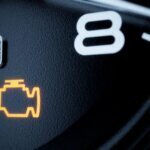 Why Does My Check Engine Light Come On?
Identifying and repairing the underlying fault early can help protect your Hyundai Tucson, maintain fuel efficiency and avoid unnecessary repair expenses.
Leave a Reply