
Ford Fiesta Check Engine Light: Causes, Diagnosis, and Fixes

The Ford Fiesta check engine light can turn an ordinary drive into a tense guessing game. One moment, the car feels normal. The next, a small amber engine symbol appears on the dashboard and starts whispering expensive possibilities into our minds.
Is the engine about to fail? Can we keep driving? Did the fuel cap simply come loose?
The reassuring truth is that a check engine light does not automatically mean the engine is ruined. It means the Fiesta’s onboard diagnostic system has detected something outside its expected operating range. The underlying issue could be as minor as a loose electrical connector or as serious as repeated engine misfires that may damage the catalytic converter.
Rather than panic or ignore the warning, we need to interpret it correctly. The way the light behaves, the symptoms accompanying it, and the diagnostic trouble codes stored in the vehicle all help us separate a small inconvenience from an urgent mechanical problem.
This guide explains the most common Ford Fiesta check engine light causes, what a flashing light means, how to diagnose the warning, which repairs may be required, and when it is safer to stop driving.
- What Does the Ford Fiesta Check Engine Light Mean?
- Steady vs. Flashing Ford Fiesta Check Engine Light
- Most Common Ford Fiesta Check Engine Light Causes
- 1. Loose or Damaged Fuel Cap
- 2. Ignition Coil Failure
- 3. Worn or Fouled Spark Plugs
- 4. Faulty Oxygen Sensor
- 5. Catalytic Converter Problems
- 6. Mass Airflow Sensor Contamination
- 7. Vacuum or Intake Leak
- 8. Throttle Body Problems
- 9. Fuel Injector Faults
- 10. Low or Irregular Fuel Pressure
- 11. Turbocharger or Boost-Control Faults
- 12. Exhaust Gas Recirculation Problems
- 13. Diesel Particulate Filter Issues
- 14. Coolant-Temperature Sensor or Thermostat Fault
- 15. Wiring, Battery, or Ground Connection Problems
- Common Ford Fiesta Check Engine Light Symptoms
- How to Diagnose a Ford Fiesta Check Engine Light
- Step 1: Observe the Warning Light
- Step 2: Check for Obvious Problems
- Step 3: Read the Diagnostic Trouble Codes
- Step 4: Inspect Live Data
- Step 5: Test Before Replacing Parts
- Can We Drive With the Ford Fiesta Check Engine Light On?
- Why the Check Engine Light May Turn On and Off
- How to Reset the Ford Fiesta Check Engine Light
- Approximate Ford Fiesta Check Engine Light Repair Costs
- How to Prevent the Check Engine Light From Returning
- Ford Fiesta Check Engine Light After Refuelling
- Ford Fiesta Check Engine Light After Battery Replacement
- Ford Fiesta Check Engine Light After an Oil Change
- Ford Fiesta Check Engine Light With No Stored Code
- Common Mistakes to Avoid
- When Should We Visit a Ford Specialist?
- Final Thoughts on the Ford Fiesta Check Engine Light
- Frequently Asked Questions
- 1. Why is my Ford Fiesta check engine light on but the car runs fine?
- 2. What does a flashing check engine light mean on a Ford Fiesta?
- 3. Can low oil cause the Ford Fiesta check engine light to appear?
- 4. Will the Ford Fiesta check engine light reset itself?
- 5. Can I reset the Ford Fiesta check engine light without a scanner?
What Does the Ford Fiesta Check Engine Light Mean?
The check engine light is part of the Fiesta’s onboard diagnostics system, commonly known as OBD-II. The engine control module continuously monitors systems related to combustion, emissions, fuel delivery, ignition, airflow, and exhaust performance.
When one of the monitored readings falls outside its programmed limits, the computer records a diagnostic trouble code and switches on the warning light.
The dashboard symbol may look like:
- A small engine outline
- An engine icon containing the word “Check”
- A message such as “Engine Malfunction”
- A notification telling us to service the engine
The exact display depends on the Fiesta’s year, trim level, and regional specification.
The warning does not identify the failed component by itself. Think of it like a smoke alarm. It tells us something requires investigation, but it does not explain whether the smoke came from burnt toast or an electrical fire.
Why the Car’s Computer Activates the Light
Modern Ford Fiesta engines rely on sensors to constantly adjust:
- Air and fuel mixture
- Ignition timing
- Turbocharger operation
- Exhaust emissions
- Idle speed
- Engine temperature
- Fuel pressure
- Throttle response
When a sensor detects an abnormal condition, the engine control module may adjust performance to protect the engine. In some cases, the Fiesta enters a reduced-power or “limp” mode.
Amber Does Not Always Mean Immediate Engine Failure
An amber or yellow check engine light generally means the car requires attention, but the urgency depends on whether the light is steady or flashing.
A steady light often allows us to drive cautiously for a short distance while arranging a diagnostic inspection. A flashing light is much more serious and normally indicates a condition that could cause rapid damage.
Steady vs. Flashing Ford Fiesta Check Engine Light
The behavior of the warning light is one of the most important clues we have.
What a Solid Check Engine Light Means
A solid or continuously illuminated check engine light usually means the computer has detected a persistent fault that is not immediately catastrophic.
Possible causes include:
- A faulty oxygen sensor
- A minor evaporative emissions leak
- A contaminated mass airflow sensor
- A thermostat performance issue
- An inefficient catalytic converter
- An intermittent ignition fault
- A sensor circuit problem
The Fiesta may still start, idle, and drive normally. However, continuing to ignore the warning can lead to poor fuel economy, higher emissions, harder starting, or more expensive damage.
What a Flashing Check Engine Light Means
A flashing Ford Fiesta check engine light normally indicates an active and potentially severe engine misfire.
During a misfire, one or more cylinders fail to burn the air-fuel mixture properly. Unburned fuel can then enter the exhaust system and overheat the catalytic converter.
A flashing light may be accompanied by:
- Violent shaking
- Jerking during acceleration
- Loss of power
- Rough idling
- A strong fuel smell
- Popping from the exhaust
- Difficulty climbing hills
When the light flashes, we should reduce speed, avoid hard acceleration, and stop somewhere safe. Driving for an extended period may transform a relatively affordable ignition repair into a costly catalytic converter replacement.
When We Should Switch the Engine Off Immediately
Stop driving and shut the engine down when the check engine light appears together with:
- Heavy engine knocking
- Severe shaking
- Red oil-pressure warning
- Overheating warning
- Thick smoke
- A strong burning smell
- Sudden major power loss
- Coolant pouring from the engine bay
These symptoms suggest that the problem extends beyond a routine emissions fault.
Most Common Ford Fiesta Check Engine Light Causes
The Fiesta has been produced with several petrol and diesel engines, so the exact fault pattern varies by model year and engine type. Nevertheless, several problems appear more frequently than others.
1. Loose or Damaged Fuel Cap
A loose fuel cap is one of the simplest possible causes.
The cap helps seal the fuel system. If it is missing, loose, cracked, or fitted incorrectly, fuel vapour can escape. The evaporative emissions system may detect the pressure loss and store a leak-related trouble code.
How to Check the Fuel Cap
Park safely, switch off the engine, and inspect the cap.
We should:
You might be interested in this content. Ford Fiesta Gearbox Replacement Cost Canada: Complete Price Guide
- Remove the fuel cap.
- Check its seal for cracks or deformation.
- Refit it carefully.
- Tighten it until it clicks, where applicable.
- Inspect the filler neck for dirt or corrosion.
The warning light may not switch off immediately. The computer often needs several successful driving cycles before confirming that the leak has disappeared.
A loose cap is more relevant on models with a conventional cap. Some Ford Fiestas use a capless fuel-filler design, in which case the flap, seal, or filler mechanism may require inspection instead.
2. Ignition Coil Failure
Faulty ignition coils are a common reason for misfires in petrol-powered Fiestas.
Each coil supplies the high voltage needed for a spark plug to ignite the mixture inside a cylinder. When a coil becomes weak or fails, that cylinder may misfire.
Typical symptoms include:
- Rough idling
- Hesitation
- Poor acceleration
- Engine vibration
- Increased fuel consumption
- A flashing check engine light
- Trouble codes such as P0301, P0302, P0303, or P0304
A failed coil can sometimes feel like the engine has suddenly lost one of its legs. The car may still move, but every acceleration feels uneven and strained.
Why Ignition Coils Fail
Coils can fail because of:
- Age and heat exposure
- Moisture entering the coil area
- Worn spark plugs
- Damaged electrical connectors
- Excessive plug gaps
- Oil contamination around the spark plugs
Replacing a coil without checking the spark plugs can lead to another failure later. A worn plug forces the coil to work harder, much like asking someone to sprint uphill while carrying a suitcase.
3. Worn or Fouled Spark Plugs
Spark plugs are small, but their role is central to engine performance.
As plugs wear, the gap between their electrodes increases. The ignition system then needs more voltage to create a spark. Eventually, the spark becomes weak or inconsistent, causing misfires.
A Fiesta with worn spark plugs may display:
- Difficult cold starting
- Rough idle
- Reduced fuel economy
- Sluggish acceleration
- Misfire codes
- A flashing engine light under load
Spark plugs can also reveal useful clues. A plug coated in oil, fuel, or heavy carbon may point toward a deeper mechanical or mixture-related problem.
4. Faulty Oxygen Sensor
Oxygen sensors measure the amount of oxygen in the exhaust gases. The engine computer uses this information to adjust fuel delivery and monitor catalytic converter efficiency.
A failing oxygen sensor may cause:
- Higher fuel consumption
- Uneven performance
- Increased exhaust emissions
- A rich or lean fuel mixture
- Failed emissions testing
- A steady check engine light
The car may appear to drive normally, which makes this fault easy to postpone. Unfortunately, an inaccurate sensor can encourage the engine to use too much fuel, potentially damaging the catalytic converter over time.
Upstream and Downstream Oxygen Sensors
Many Fiesta models use more than one oxygen sensor.
The upstream sensor helps regulate the fuel mixture. The downstream sensor monitors the catalytic converter’s performance.
A code involving an oxygen sensor circuit does not always prove the sensor itself has failed. Wiring damage, exhaust leaks, poor fuel pressure, or vacuum leaks can produce similar readings.
5. Catalytic Converter Problems
The catalytic converter reduces harmful exhaust emissions by converting pollutants into less harmful gases.
When it becomes blocked, contaminated, overheated, or inefficient, the engine computer may store a code such as P0420.
Symptoms can include:
- Reduced acceleration
- Poor fuel economy
- Sulphur-like exhaust smell
- Excessive heat beneath the vehicle
- Difficulty revving
- A steady check engine light
- Failed emissions inspection
Catalytic converters rarely fail without a reason. Replacing one without correcting the original cause can be like fitting a new carpet beneath a leaking roof.
Common causes of converter damage include:
- Persistent engine misfires
- Excessive oil consumption
- Rich fuel mixture
- Coolant entering the combustion chamber
- Contaminated fuel
- Failed oxygen sensors
6. Mass Airflow Sensor Contamination
The mass airflow sensor measures how much air enters the engine. This allows the computer to calculate the correct amount of fuel.
When the sensor becomes dirty or inaccurate, the Fiesta may run too rich or too lean.
Possible symptoms include:
- Hesitation
- Stalling
- Uneven idle
- Poor throttle response
- Black exhaust smoke
- Hard starting
- Reduced fuel efficiency
Air-filter problems, intake leaks, and incorrect aftermarket filters may contribute to airflow sensor issues.
Cleaning Is Not Always the Cure
A contaminated sensor can sometimes be cleaned using a product specifically designed for mass airflow sensors. However, aggressive solvents or physical contact may permanently damage its delicate sensing element.
We should never assume cleaning will solve every airflow-related code. Split hoses or wiring faults may be the true cause.
You might be interested in this content.Ford Fiesta Key Fob Battery Replacement: Complete DIY Guide7. Vacuum or Intake Leak
The engine expects all incoming air to pass through its monitored intake system. A cracked hose, loose clamp, damaged gasket, or split intake pipe allows unmetered air to enter.
This can produce a lean mixture and trigger codes such as P0171.
A vacuum leak may cause:
- High or unstable idle
- Whistling noises
- Hesitation
- Stalling
- Rough running when cold
- Weak acceleration
- A check engine light
Small leaks can be surprisingly difficult to find. A hose may look healthy from above while hiding a split on its underside.
8. Throttle Body Problems
The throttle body controls the volume of air entering the engine. Carbon deposits, electrical faults, or throttle-position sensor issues may disrupt its operation.
Symptoms may include:
- Delayed throttle response
- Unstable idle
- Reduced-power mode
- Stalling
- Surging
- Difficulty accelerating
- A wrench or engine warning light
Some electronic throttle faults require a diagnostic scan and calibration rather than simple cleaning.
9. Fuel Injector Faults
Fuel injectors spray a carefully measured amount of fuel into the engine. If an injector becomes clogged, stuck, electrically open, or internally damaged, the affected cylinder may run lean, rich, or not at all.
Potential symptoms include:
- Misfiring
- Rough idle
- Fuel smell
- Hard starting
- Poor fuel economy
- Black smoke
- Loss of power
An injector code may result from damaged wiring rather than the injector itself, so electrical testing matters.
10. Low or Irregular Fuel Pressure
The Fiesta’s fuel-delivery system must maintain the correct pressure under different loads.
A weak pump, clogged filter, faulty regulator, leaking line, or pressure-sensor problem may trigger the check engine light.
The engine may:
- Crank for longer than normal
- Stall unexpectedly
- Lose power at high speed
- Hesitate during acceleration
- Refuse to start
- Enter limp mode
Fuel-pressure diagnosis should be handled carefully because petrol and diesel systems can operate at dangerous pressures.
11. Turbocharger or Boost-Control Faults
Turbocharged Fiesta engines, including EcoBoost variants, depend on precise boost control.
A split intercooler hose, sticking wastegate, faulty boost sensor, vacuum problem, or turbocharger issue may trigger underboost or overboost codes.
Symptoms can include:
- Sudden loss of power
- Whistling or hissing
- Smoke from the exhaust
- Limp mode
- Poor acceleration
- Higher fuel consumption
- A check engine light under load
Underboost Does Not Automatically Mean a Failed Turbo
An underboost code may sound dramatic, but the turbo itself is not always responsible.
Before replacing it, technicians should inspect:
- Boost hoses
- Intercooler connections
- Vacuum lines
- Wastegate operation
- Boost-control solenoid
- Intake sensors
- Exhaust restrictions
A loose hose clamp can mimic a far more expensive turbocharger failure.
12. Exhaust Gas Recirculation Problems
Diesel Ford Fiestas may experience exhaust gas recirculation, or EGR, faults.
The EGR system redirects a controlled amount of exhaust gas back into the engine to reduce certain emissions. Soot can gradually restrict the valve and its passages.
Common symptoms include:
- Rough idle
- Hesitation
- Excessive smoke
- Reduced power
- Poor fuel economy
- Limp mode
- Difficult starting
Short urban journeys can encourage soot accumulation because the engine spends less time at full operating temperature.
13. Diesel Particulate Filter Issues
Diesel particulate filters trap soot from the exhaust. Under suitable conditions, the vehicle burns off this soot during regeneration.
Repeated short journeys may prevent complete regeneration, allowing the filter to become overloaded.
Warning signs include:
- Check engine light
- DPF warning
- Reduced engine power
- Cooling fan running frequently
- Increased fuel consumption
- High idle speed
- Hot or unusual exhaust smell
A forced regeneration is not appropriate in every situation. If a sensor has failed or the filter is excessively blocked, attempting regeneration may be ineffective or unsafe.
14. Coolant-Temperature Sensor or Thermostat Fault
The engine computer relies on accurate temperature information.
You might be interested in this content.Ford Fiesta Winter Tires Canada: Complete Buying GuideA faulty coolant-temperature sensor or thermostat may cause the engine to run too rich, take too long to warm up, overheat, or behave inconsistently.
We may notice:
- Poor heater performance
- Temperature gauge irregularities
- Increased fuel consumption
- Hard cold starts
- Cooling fan running unexpectedly
- A check engine light
An engine that runs too cold can waste fuel. An engine that runs too hot can suffer major mechanical damage, so temperature-related symptoms should never be dismissed.
15. Wiring, Battery, or Ground Connection Problems
Not every check engine light begins with a failed mechanical component.
Modern cars depend on stable voltage and clean electrical signals. A weak battery, corroded ground connection, damaged harness, loose plug, or water-contaminated connector may create misleading fault codes.
Electrical problems may cause:
- Multiple unrelated warning lights
- Intermittent starting issues
- Random sensor codes
- Warning lights after heavy rain
- Limp mode that disappears after restarting
- Communication errors between modules
If several codes appear at the same time, we should consider a shared electrical or voltage problem before replacing multiple sensors.
Common Ford Fiesta Check Engine Light Symptoms
The warning light is only one part of the story. The way the car behaves can narrow the search considerably.
Check Engine Light With Rough Idle
A rough idle may point toward:
- Ignition-coil failure
- Worn spark plugs
- Vacuum leak
- Injector fault
- Dirty throttle body
- Low compression
Check Engine Light With Loss of Power
Power loss may be associated with:
- Turbo underboost
- Fuel-pressure problems
- Exhaust restriction
- Severe misfire
- Throttle-control fault
- Limp mode
- DPF blockage
Check Engine Light With Jerking
Jerking during acceleration often suggests:
- Ignition misfire
- Fuel-delivery interruption
- Boost leak
- Sensor signal dropout
- Transmission-related hesitation
We should pay attention to whether the jerking occurs when cold, under heavy acceleration, at a certain engine speed, or only after the engine warms up.
Check Engine Light but Car Runs Normally
This situation is common with:
- Minor emissions leaks
- Oxygen-sensor faults
- Thermostat efficiency codes
- Intermittent sensor problems
- Historical faults stored in memory
Even when the Fiesta feels normal, the code should be read. A silent problem can still increase fuel use or damage another component.
How to Diagnose a Ford Fiesta Check Engine Light
Guessing is rarely an efficient repair strategy. A structured diagnosis saves time, money, and unnecessary parts replacement.
Step 1: Observe the Warning Light
Determine whether the light is:
- Solid
- Flashing
- Intermittent
- Accompanied by another warning
- Appearing only during acceleration
- Appearing after refuelling
- Appearing when the engine is cold
These details provide valuable context.
Step 2: Check for Obvious Problems
Before using diagnostic equipment, inspect the basics:
- Fuel cap or capless filler
- Engine oil level
- Coolant level
- Visible loose connectors
- Disconnected intake hoses
- Damaged wiring
- Unusual smells
- Fluid leaks
- Smoke
We should never open the cooling system while the engine is hot.
Step 3: Read the Diagnostic Trouble Codes
An OBD-II scanner plugs into the vehicle’s diagnostic port, typically located beneath the dashboard.
The scanner may show codes such as:
- P0300: Random or multiple-cylinder misfire
- P0301–P0304: Misfire detected on a specific cylinder
- P0171: System too lean
- P0420: Catalytic converter efficiency below threshold
- P0101: Mass airflow sensor range or performance issue
- P0299: Turbocharger underboost
- P0401: Insufficient EGR flow
A code is a starting point, not a final verdict.
For example, P0171 tells us the mixture is lean. It does not prove that a particular sensor is defective. The real cause could be an intake leak, weak fuel pressure, inaccurate airflow reading, or exhaust leak.
Freeze-Frame Data Matters
Many scanners display freeze-frame data recorded when the fault occurred.
This may include:
- Engine speed
- Vehicle speed
- Coolant temperature
- Throttle position
- Fuel trims
- Engine load
Freeze-frame information helps recreate the conditions under which the warning appeared.
Step 4: Inspect Live Data
A more capable scanner allows us to view sensor readings in real time.
Live data can reveal:
- Abnormal oxygen-sensor switching
- Excessive fuel-trim corrections
- Incorrect coolant temperature
- Unstable airflow readings
- Boost-pressure discrepancies
- Throttle-position errors
This is often where diagnosis moves beyond code reading and into actual fault finding.
You might be interested in this content.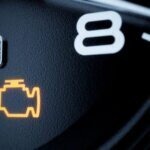 Why Does My Check Engine Light Come On?
Step 5: Test Before Replacing Parts
Parts should be tested whenever possible.
Depending on the code, testing may involve:
- Swapping ignition coils between cylinders
- Measuring fuel pressure
- Performing a smoke test for intake leaks
- Checking electrical continuity
- Inspecting spark plug condition
- Testing compression
- Monitoring oxygen-sensor response
- Pressure-testing the intake system
Replacing parts based solely on code descriptions can become an expensive game of mechanical roulette.
Can We Drive With the Ford Fiesta Check Engine Light On?
The answer depends on the light’s behaviour and the car’s symptoms.
Driving May Be Acceptable for a Short Distance When:
- The light is steady
- The engine runs smoothly
- There is no overheating
- Oil pressure is normal
- No strong fuel smell is present
- The car has not lost significant power
- No red warning lights are illuminated
Even then, we should drive gently and arrange diagnosis promptly.
We Should Stop Driving When:
- The light flashes
- The engine shakes heavily
- Power drops suddenly
- The engine overheats
- Oil-pressure warning appears
- Smoke becomes visible
- Loud knocking develops
- The exhaust or catalytic converter glows
- A strong fuel or burning smell enters the cabin
A tow bill is inconvenient. An engine or catalytic converter replacement is usually far worse.
Why the Check Engine Light May Turn On and Off
An intermittent warning often indicates a fault that appears only under certain conditions.
Examples include:
- A loose electrical connection
- Moisture in a connector
- A small emissions leak
- A coil beginning to fail
- A temperature-sensitive sensor
- A boost leak that opens under pressure
- A fault occurring only during cold starts
Even if the light switches off, the diagnostic code may remain stored as pending or historical data.
Does the Problem Fix Itself When the Light Goes Out?
Not necessarily.
The computer may switch off the light after several journeys without detecting the fault again. However, the original problem may still be developing.
An intermittent ignition coil, for example, can behave perfectly during gentle driving and misfire again during hard acceleration.
How to Reset the Ford Fiesta Check Engine Light
The correct way to reset the warning is to repair the cause and clear the code with a diagnostic scanner.
A scanner usually allows us to:
- Read stored and pending codes.
- Record relevant data.
- Complete the repair.
- Clear the codes.
- Test-drive the vehicle.
- Scan again to confirm the fault does not return.
Will Disconnecting the Battery Reset the Light?
Disconnecting the battery may clear some stored data on certain models, but it is not a proper repair.
It may also:
- Reset learned engine settings
- Reset the clock
- Affect radio or window settings
- Erase useful diagnostic information
- Cause temporary idle irregularities
- Leave permanent faults unresolved
The check engine light will return if the problem remains.
Why We Should Not Clear Codes Before Diagnosis
Clearing codes too early removes useful evidence, including freeze-frame information and readiness-monitor status.
It is similar to wiping footprints away before investigating where they lead.
Approximate Ford Fiesta Check Engine Light Repair Costs
Repair costs vary widely by country, engine, model year, labour rate, and part quality. The code itself does not determine the final bill.
Relatively inexpensive repairs may include:
- Tightening or replacing a fuel cap
- Repairing a loose hose
- Replacing spark plugs
- Cleaning a throttle body
- Repairing a damaged connector
Moderate repairs may include:
- Replacing an ignition coil
- Installing an oxygen sensor
- Replacing an airflow or pressure sensor
- Repairing an intake leak
- Replacing an EGR valve
Higher-cost repairs may include:
- Catalytic converter replacement
- Turbocharger repair
- DPF replacement
- High-pressure fuel-system work
- Internal engine repair
- Extensive wiring-harness repair
The cheapest diagnosis is not always the fastest guess. Paying for accurate testing can prevent us from buying several perfectly good parts.
How to Prevent the Check Engine Light From Returning
No maintenance plan can eliminate every warning, but good habits reduce the risk.
Follow the Correct Service Schedule
Regular maintenance should include:
- Engine oil and filter changes
- Correct-specification oil
- Air-filter inspection
- Spark plug replacement
- Fuel-filter servicing where applicable
- Coolant checks
- Belt inspections
- Diagnostic scans when symptoms develop
Avoid Ignoring Small Running Problems
A slight hesitation today may become a flashing check engine light next month.
Early warning signs include:
- Longer starting time
- Falling fuel economy
- Occasional misfires
- Unusual exhaust smells
- Unstable idle
- New whistling noises
- Small coolant losses
Use the Correct Fuel and Fluids
Poor-quality or incorrect fluids may contribute to:
You might be interested in this content. Kia Rio Check Engine Light: What It Means, Causes, and Fixes
- Injector deposits
- Combustion problems
- Emissions-system contamination
- Turbocharger wear
- Oil-pressure issues
We should follow the specification listed in the owner’s manual rather than choosing solely by price.
Give Diesel Models Suitable Journeys
Diesel Fiestas used almost exclusively for short urban trips may struggle to complete DPF regeneration.
Where safe and appropriate, longer journeys at normal operating temperature can help the emissions system function as designed. However, driving longer will not repair a failed sensor or severely blocked filter.
Ford Fiesta Check Engine Light After Refuelling
When the light appears shortly after filling the tank, possible causes include:
- An improperly sealed fuel cap
- A capless filler flap not closing correctly
- Contaminated fuel
- Incorrect fuel
- An evaporative emissions fault
- Coincidental failure of an unrelated component
If the wrong fuel was added, we should avoid starting the engine and seek professional assistance immediately.
Ford Fiesta Check Engine Light After Battery Replacement
A warning light after battery replacement may result from:
- Low voltage during installation
- A loose battery terminal
- A poor ground connection
- A disturbed sensor connector
- Lost adaptive settings
- An unrelated pre-existing fault
The first step is to confirm that the battery is correctly specified, fully charged, and securely connected.
If multiple warning lights appear together, voltage should be checked before assuming several systems failed simultaneously.
Ford Fiesta Check Engine Light After an Oil Change
An oil change should not normally activate the check engine light, but issues can arise if:
- The oil filler cap was left loose
- An intake hose was disturbed
- An electrical connector was disconnected
- Too much or too little oil was added
- Incorrect oil was used
- The warning is actually an oil-service reminder
The check engine light and oil-service indicator are not the same warning. Reading the displayed message and scanning the car prevents confusion.
Ford Fiesta Check Engine Light With No Stored Code
Occasionally, a basic scanner may display no code even though a warning is present.
Possible explanations include:
- The light belongs to another system
- The scanner cannot access manufacturer-specific codes
- A communication problem exists
- The code was recently cleared
- The warning is intermittent
- The scan tool is incompatible
A professional diagnostic system may access modules and manufacturer-specific data that a basic reader cannot see.
Common Mistakes to Avoid
Replacing the Sensor Named in the Code
A sensor-related code may describe an abnormal signal rather than a failed sensor.
The signal could be affected by:
- Wiring
- Air leaks
- Fuel pressure
- Exhaust leaks
- Mechanical problems
- Computer reference voltage
Driving for Weeks With a Flashing Light
A flashing light is not a gentle maintenance reminder. It often represents a misfire capable of overheating the catalytic converter.
Using Cheap Parts Without Confirming Compatibility
Low-quality ignition and emissions components may produce inaccurate signals or fail prematurely.
Clearing the Light Before Recording the Code
We lose valuable evidence when codes and freeze-frame data are erased too soon.
Assuming Limp Mode Is the Actual Fault
Limp mode is a protective response. It is not the root cause.
The real issue might involve boost control, fuel pressure, throttle operation, emissions equipment, or another monitored system.
When Should We Visit a Ford Specialist?
A general repair shop can handle many Fiesta faults, but specialist equipment or experience becomes especially useful when dealing with:
- Intermittent electrical problems
- EcoBoost boost-control faults
- DPF regeneration failures
- High-pressure diesel fuel systems
- Multiple communication codes
- Repeated catalytic converter codes
- Timing-related faults
- Software updates or module programming
We should also seek specialist help when the same code returns after parts have already been replaced.
Final Thoughts on the Ford Fiesta Check Engine Light
The Ford Fiesta check engine light is not a repair diagnosis. It is an invitation to investigate.
A steady light with no symptoms may indicate a relatively minor emissions or sensor issue, but it should still be scanned promptly. A flashing light, severe shaking, overheating, oil-pressure warning, smoke, or sudden power loss demands immediate caution.
The best approach is simple: observe the symptoms, read the codes, preserve the diagnostic data, inspect the basics, and test the suspected system before replacing anything.
Cars communicate through vibrations, smells, noises, warning lights, and data. When we listen early, a small fault may remain small. When we ignore it, the problem can snowball downhill like a loose tyre.
Frequently Asked Questions
1. Why is my Ford Fiesta check engine light on but the car runs fine?
The computer may have detected an emissions, sensor, thermostat, or intermittent electrical fault that has not yet affected noticeable performance. The car should still be scanned because a hidden fault may increase fuel consumption or damage another component over time.
2. What does a flashing check engine light mean on a Ford Fiesta?
A flashing light usually indicates an active engine misfire. Unburned fuel may enter the exhaust and overheat the catalytic converter. Reduce speed, avoid hard acceleration, and stop driving if the engine shakes, loses power, smells strongly of fuel, or runs poorly.
3. Can low oil cause the Ford Fiesta check engine light to appear?
Low oil more commonly activates the oil-pressure or oil-level warning rather than the check engine light. However, very low oil may affect variable valve timing or engine operation and indirectly trigger fault codes. Check the oil level safely and investigate any warning immediately.
You might be interested in this content. Mazda CX-5 Yellow Warning Light: Meanings, Causes, and What to Do
4. Will the Ford Fiesta check engine light reset itself?
It may switch off after several successful driving cycles if the fault no longer occurs. However, the code may remain stored in the computer. A light that resets itself does not guarantee that the underlying problem has permanently disappeared.
5. Can I reset the Ford Fiesta check engine light without a scanner?
Disconnecting the battery may clear the light on some models, but it can erase useful diagnostic information and reset vehicle settings. The proper method is to diagnose and repair the fault, then clear the code using a compatible scan tool.
Leave a Reply