
Signs Your Car Needs Maintenance
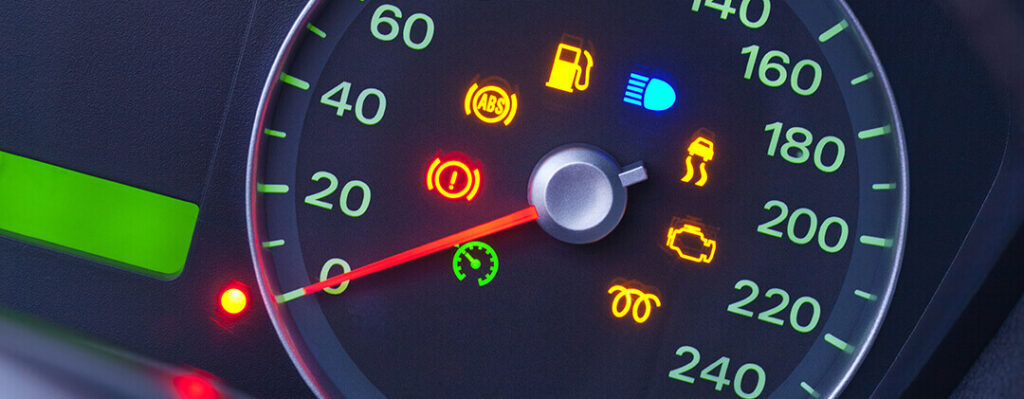
Your car is a complex machine, and ignoring subtle warnings can lead to costly repairs or dangerous situations. Recognizing early signs of needed maintenance is crucial for safety and longevity. From unusual noises and dashboard warning lights to changes in performance, fluid leaks, or strange smells, your vehicle communicates its health.
This article explores the key indicators that your car requires professional attention, helping you address minor issues before they escalate. Understanding these signs ensures you stay proactive, maintain peak efficiency, and avoid unexpected breakdowns on the road.
- Top 5 Signs Your Car Needs Immediate Maintenance
- Key Indicators That Your Vehicle Requires Maintenance
- How the ,000 Rule Applies to Different Vehicle Ages
- Exceptions to the ,000 Car Maintenance Rule
- Steps to Apply the ,000 Rule to Your Repair Decisions
- Unusual Noises and Vibrations
- Warning Lights on the Dashboard
- Fluid Leaks and Performance Changes
- Frequently Asked Questions
Top 5 Signs Your Car Needs Immediate Maintenance
Recognizing when your vehicle requires maintenance is critical to avoid costly repairs and ensure your safety on the road. Many drivers overlook early warning signs, which can lead to sudden breakdowns or dangerous driving conditions.
Paying attention to changes in performance, unusual sounds, or dashboard alerts can save you time, money, and stress. Here are three key indicators that your car may be crying out for professional attention.
Unusual Noises While Driving
One of the most common signs that your car needs maintenance is the appearance of strange sounds, such as squealing, grinding, or knocking. A squealing noise when braking often indicates worn brake pads that need immediate replacement.
You might be interested in this content. DIY Vehicle Maintenance Tasks
Grinding sounds during turns could point to low power steering fluid or a failing CV joint, while a persistent knocking from the engine may signal a serious internal problem like worn bearings or fuel system issues. Ignoring these auditory clues can quickly turn a minor fix into a major engine or transmission repair.
Warning Lights on the Dashboard
Modern vehicles are equipped with sophisticated diagnostic systems that illuminate warning lights to alert you of potential problems. The Check Engine Light is the most obvious indicator, but it should never be ignored even if the car seems to drive normally.
It could point to anything from a loose gas cap to a failing oxygen sensor or catalytic converter. Similarly, the battery or oil pressure warning lights require immediate action, as they often indicate electrical system failures or dangerously low oil levels that can seize the engine if left unaddressed.
Changes in Vehicle Performance or Fluid Leaks
A noticeable decline in how your car accelerates, handles, or stops is a clear sign that maintenance is overdue. If you experience vibrations while braking or a steering wheel that pulls to one side, your brakes or alignment may need inspection.
Additionally, fluid leaks under the car, such as oil, coolant, or transmission fluid, should never be dismissed. Pools of green, red, or brown liquid under your parking spot can indicate a broken gasket, radiator leak, or failing transmission seal, all of which require professional diagnosis before they escalate.
You might be interested in this content. How to Extend the Life of Your Vehicle
| Warning Sign | Possible Cause | Recommended Action |
|---|---|---|
| Dashboard Warning Light | Engine sensor failure or low fluid | Run a diagnostic scan immediately |
| Squealing Brakes | Worn brake pads or rotors | Inspect and replace brake components |
| Engine Knocking | Low oil level or faulty fuel system | Check oil and visit a mechanic |
| Fluid Leak Under Car | Broken gasket, hose, or seal | Identify fluid type and repair leak |
| Vibrating Steering Wheel | Unbalanced tires or warped rotors | Align tires and inspect brakes |
Key Indicators That Your Vehicle Requires Maintenance
What is the $3,000 car maintenance rule and how does it relate to repair decisions?
The $3,000 car maintenance rule is a guideline used to decide whether to repair or replace a vehicle. It suggests that if a single repair or the cumulative cost of multiple repairs in a given year exceeds $3,000, it may be more financially prudent to buy a new or used car rather than continue investing in the current one.
This threshold is based on average repair costs compared to vehicle value, considering that older cars often require frequent, expensive fixes that can quickly surpass the car's market worth. The rule helps drivers avoid pouring money into a vehicle with declining reliability, encouraging a cost-benefit analysis: if repair costs exceed the car's value or the cost of a reliable replacement, replacing it is likely the better decision.
How the $3,000 Rule Applies to Different Vehicle Ages
Understanding when repairs become uneconomical based on a car's age and mileage
The $3,000 rule is particularly relevant for vehicles over eight years old or with more than 100,000 miles, as these cars are more prone to major component failures.
For example, a 2012 sedan with 120,000 miles may need a transmission replacement costing $3,500, which exceeds the rule's threshold. In contrast, a newer car under warranty might still justify repairs below $1,000. The rule acts as a quick financial filter, helping owners decide if a single repair makes economic sense or signals the end of the vehicle's useful life.
- Assess your car's current market value; if below $6,000, a $3,000 repair represents half its worth, often tipping the scale toward replacement.
- Compare recent repair history; if total maintenance over the past 12 months exceeds $3,000, the rule suggests selling or trading the car.
- Factor in future expected repairs; older models often require additional work soon after a major fix, making the $3,000 threshold a conservative warning.
Exceptions to the $3,000 Car Maintenance Rule
Scenarios where exceeding the threshold may still be a wise repair decision
While the $3,000 rule provides a solid baseline, certain exceptions make repairs beyond that point worthwhile. For instance, if your vehicle has sentimental value, low mileage, or is a rare model with high resale potential, exceeding $3,000 may be justified.
You might be interested in this content. Engine Maintenance Tips for Beginners
Additionally, if a single repair like an engine overhaul adds several years of reliable service at a cost lower than a new car's down payment, it can be a sound financial move. Lastly, geographic needs like living in an area with rough terrain may demand maintaining a specific vehicle despite higher costs.
- Consider your financial flexibility; if you lack cash for a new car, spending $4,000 on a repair may be cheaper than financing a $30,000 vehicle.
- Evaluate alternative transportation availability; if you rely on the car for essential commutes, a costly fix might be unavoidable.
- Review local used car prices; in markets where even high-mileage vehicles sell for $10,000, a $3,500 repair could still be less than a replacement.
Steps to Apply the $3,000 Rule to Your Repair Decisions
A practical checklist for comparing repair costs against replacement options
Applying the $3,000 rule involves more than just comparing a repair estimate to the threshold. Start by obtaining a detailed repair quote from a trusted mechanic, including parts and labor.
Then, estimate your vehicle's current trade-in or private-party value using online tools. Finally, calculate the cost of a reliable replacement, factoring in potential financing, taxes, and insurance differences. The rule serves as a starting point for a broader analysis, not an absolute cutoff.
- Get a written estimate and identify if the repair is for a critical system like the engine, transmission, or hybrid battery; these often trigger the $3,000 rule.
- Determine your car's annual depreciation; if it loses more than $3,000 in value each year, repairing a $4,000 issue may stabilize value relative to buying new.
- Check for recall or warranty coverage; some repairs may be partially covered, reducing your out-of-pocket cost below the $3,000 threshold.
What are the most common signs that indicate your car requires maintenance?
The most common signs that indicate your car requires maintenance include unusual noises, warning lights on the dashboard, fluid leaks, changes in performance, and visible wear on components like tires or brake pads. These indicators suggest issues ranging from low oil levels to failing brakes or engine problems. Ignoring these signs can lead to more severe damage or safety hazards.
Unusual Noises and Vibrations
Types of Sounds and When They Occur
Unusual noises such as squealing, grinding, knocking, or hissing often point to specific mechanical failures. Vibrations felt through the steering wheel, pedals, or seat can indicate problems with wheel balance, suspension, or drivetrain components. Identifying the type and timing of these noises is crucial for diagnosis.
You might be interested in this content. Why Is My Car Making Strange Noises?
- Squealing when braking often means worn brake pads or low brake fluid.
- Grinding from the engine or transmission may indicate low oil levels or gear damage.
- Vibrations at high speeds typically suggest unbalanced tires or misalignment.
Warning Lights on the Dashboard
Key Alerts and Their Meanings
Dashboard warning lights, such as the check engine light, oil pressure light, or brake system light, are direct signals from the car’s computer about malfunctions. These lights may stay on constantly or flash, requiring immediate attention to prevent further damage or safety risks.
- The check engine light can indicate issues with emissions, fuel system, or engine sensors.
- The oil pressure light warns of low oil pressure, which can cause engine failure if ignored.
- The battery or charging system light suggests alternator or battery problems.
Fluid Leaks and Performance Changes
Visible Leaks and Driving Symptoms
Fluid leaks under the car, such as oil, coolant, or transmission fluid, are clear signs of maintenance needs. Performance changes like reduced acceleration, rough idling, or difficulty starting the engine also indicate underlying issues like blocked filters or fuel system faults.
- Oil leaks often appear as dark puddles and require seal replacement or gasket repair.
- Coolant leaks lead to overheating and may be caused by a damaged radiator or hose.
- Performance drops like stalling or poor fuel economy can result from dirty air filters or faulty spark plugs.
Frequently Asked Questions
Why is my car vibrating more than usual?
Excessive vibration often indicates tire imbalance, worn suspension components, or engine mount issues. If you feel shaking in the steering wheel or seat, have tires balanced and rotated. Persistent vibration may signal deeper problems like damaged drive shafts or misaligned wheels, requiring professional inspection to prevent further damage.
What does a high-pitched squealing sound when braking mean?
Squealing brakes typically mean your brake pads are wearing thin and the wear indicators are contacting the rotor. Immediate inspection is crucial: thin pads reduce stopping power and can damage rotors, leading to costlier repairs. Have your brake system checked to replace pads or resurface rotors as needed.
How do I know if my check engine light requires urgent attention?
A steady check engine light suggests a non-critical issue like a loose gas cap, but a flashing light indicates a severe problem like engine misfire causing catalytic converter damage. If flashing, pull over safely and get towed to a mechanic. For a steady light, schedule diagnosis within a week to avoid performance loss.
You might be interested in this content. Common Steering Problems and Fixes
Why is my car consuming more fuel than normal?
Decreased fuel efficiency often results from clogged air filters, underinflated tires, or faulty oxygen sensors. Dirty filters restrict airflow, while bad sensors misadjust the fuel mixture. Check tire pressure monthly and replace filters per your owner’s manual. If consumption remains high, have a mechanic test sensors and ignition components.
Leave a Reply