
Best Cars for Canadian Winters
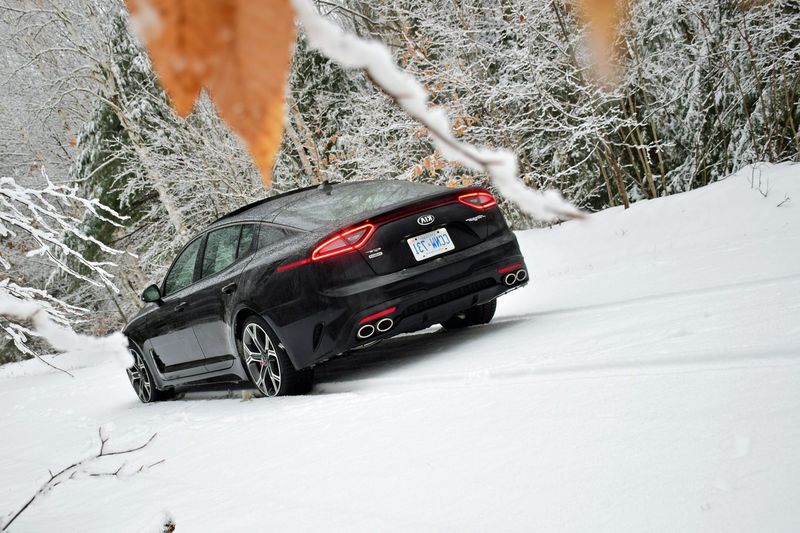
When temperatures plummet and snow blankets the roads, having a reliable vehicle is not just a convenience—it’s a necessity for Canadians. Navigating icy highways, unplowed streets, and biting winds demands a car equipped with superior traction, robust heating systems, and durable engineering.
From all-wheel-drive SUVs to nimble sedans with winter-ready features, the right choice can mean the difference between a safe commute and a hazardous ordeal. This article explores top picks that excel in harsh conditions, balancing performance, comfort, and affordability. Whether you’re a city driver or rural adventurer, discover which models stand up to Canada’s unforgiving winters.
- Top Features That Define the Best Cars for Canadian Winters
- Top Criteria for Winter-Ready Vehicles in Canada
- Most Reliable SUVs for Canadian Winters
- Reliable Trucks and Sedans for Harsh Winters
- Key Features That Make a Car Ideal for Canadian Winters
- Common Challenges Vehicles Face During Harsh Canadian Winters
- Balancing Winter Performance with Fuel Economy and Budget
- Key Features for Snow Performance in Affordable Cars
- Most Reliable and Affordable Models for Canadian Winters
- Cost-Saving Strategies for Winter Car Ownership in Canada
- Frequently Asked Questions
Top Features That Define the Best Cars for Canadian Winters
When selecting a vehicle to withstand Canada’s harsh winters, key features like all-wheel drive (AWD), high ground clearance, and robust heating systems are essential. The best cars for Canadian winters prioritize traction control, advanced safety features, and cold-weather reliability to handle icy roads, deep snow, and extreme temperatures.
Models such as the Subaru Outback and Toyota RAV4 excel due to their symmetrical AWD systems and winter-ready tires, while luxury options like the Audi Q5 offer heated steering wheels and remote start. Additionally, battery performance and engine block heaters become critical in provinces like Manitoba or Quebec, where temperatures drop below -30°C. Ultimately, durability and all-season capability define the ideal winter vehicle for Canadian drivers.
Why All-Wheel Drive and Tires Are Non-Negotiable
In Canadian winters, AWD systems provide superior grip on slippery surfaces, but they must be paired with winter tires for optimal performance. Vehicles like the Honda CR-V and Mazda CX-5 offer intelligent AWD that adjusts torque to each wheel, reducing skids on black ice.
However, even the best AWD cannot compensate for worn all-season tires, so investing in dedicated winter tires—such as Michelin X-Ice or Bridgestone Blizzak—is crucial. These tires remain flexible in freezing temperatures and enhance braking on snow-packed roads, making them a lifesaver in sudden whiteout conditions.
Essential Cold-Weather Comfort and Convenience Features
Cars designed for Canadian winters often include heated seats, steering wheels, and remote start systems to combat subzero temperatures. The Hyundai Tucson and Ford Escape stand out with fast-defrosting windshields and heated side mirrors that prevent ice buildup.
Remote starters allow drivers to warm the cabin and defrost windows before entering, while dual-zone climate control ensures passengers stay comfortable. Additionally, battery warmers and block heaters (common in the Kia Seltos) reduce strain on the engine during cold starts, extending vehicle lifespan in frigid climates.
You might be interested in this content. Most Reliable Vehicles in Canada
Best Models for Deep Snow and Icy Highway Driving
For deep snow and icy highways, vehicles like the Subaru Forester and Toyota 4Runner offer high ground clearance (220mm or more) and rugged suspension to navigate unplowed roads. The Forester’s X-Mode optimizes traction on steep, slippery inclines, while the 4Runner’s part-time 4WD with locking differential excels in off-road winter conditions.
For city drivers, the compact Nissan Rogue provides ample cargo space and stability control for icy intersections, proving that even smaller SUVs can handle Canada’s toughest winter routes.
| Model | Key Winter Feature | Starting Price (CAD) |
|---|---|---|
| Subaru Outback | Symmetrical AWD with X-Mode | $34,000 |
| Toyota RAV4 | Torque-vectoring AWD | $34,850 |
| Honda CR-V | Intelligent AWD with Snow Mode | $35,600 |
| Ford Escape | Remote start and heated steering wheel | $33,500 |
Top Criteria for Winter-Ready Vehicles in Canada
Essential Features for Canadian Winter Conditions
Canadian winters demand vehicles that can handle extreme cold, ice, snow, and variable road conditions. The most reliable models prioritize all-wheel drive or four-wheel drive systems with advanced traction control, high ground clearance for deep snow, and robust heating systems to combat subzero temperatures.
Additionally, battery performance in cold climates and availability of winter tire compatibility are crucial factors. Vehicles with proven durability in northern regions often include features like heated seats, remote start, and block heater readiness. Below are the key attributes that define a dependable winter vehicle in Canada.
- All-wheel drive or four-wheel drive with low-range gearing for severe snow and ice.
- High ground clearance, typically above 8 inches, to prevent undercarriage damage from snow mounds.
- Advanced cold-weather packages including heated steering wheels, defrosting systems, and insulated batteries.
Most Reliable SUVs for Canadian Winters
Top SUV Models Known for Winter Performance
SUVs are widely preferred in Canada due to their balance of space, traction, and durability. Models like the Subaru Outback and Toyota RAV4 are celebrated for their standard all-wheel drive and exceptional reliability in snow. The Subaru Outback offers symmetrical all-wheel drive with X-Mode for off-road snow handling, while the RAV4 Hybrid provides fuel efficiency and consistent traction control.
Larger SUVs such as the Honda Pilot and Ford Explorer also rank highly, with features like intelligent 4WD systems and snow mode settings that optimize throttle response on slippery roads. These vehicles undergo rigorous testing in Canadian climates, often outperforming others in terms of engine warm-up speed and cabin insulation.
- Subaru Outback: Standard all-wheel drive and high ground clearance for deep snow.
- Toyota RAV4 Hybrid: Fuel-efficient with electronic on-demand AWD and cold-weather hybrid battery management.
- Honda Pilot: Intelligent Variable Torque Management (i-VTM4) for superior ice traction.
Reliable Trucks and Sedans for Harsh Winters
Best Pickup Trucks and Sedans for Snow and Ice
Pickup trucks like the Toyota Tundra and Ford F-150 are popular in rural Canada for their off-road capabilities and heavy-duty towing. The Tundra features a part-time 4WD system with low-range gears, while the F-150 offers an available FX4 package with skid plates and off-road suspension.
Among sedans, the Subaru Legacy and Honda Civic are notable for their winter reliability, with the Legacy providing standard all-wheel drive and the Civic offering winter tire-friendly designs and robust anti-lock braking systems. These vehicles maintain traction through advanced stability controls and heated components that prevent freezing of critical parts like door locks and mirrors.
You might be interested in this content. Best Used Cars to Buy in Canada
- Toyota Tundra: Durable 4WD system with locking rear differential for deep snow.
- Ford F-150: Selectable Terrain Management System with Snow/Wet Mud mode.
- Subaru Legacy: Standard all-wheel drive and low center of gravity for icy highways.
What are the best cars for Canadian winters?
The best cars for Canadian winters are those that combine robust all-wheel drive or four-wheel drive systems, excellent ground clearance, reliable cold-weather starting, and advanced safety features like heated seats, remote start, and winter tire compatibility. Models such as the Subaru Outback, Toyota RAV4, and Audi Q5 consistently rank highly due to their proven performance in snow and ice, durability in subzero temperatures, and practical cargo space for winter gear.
Additionally, vehicles with high-quality cabin insulation and efficient heating systems, like the Volvo XC60 or Mazda CX-5, provide comfort during extreme cold snaps. For trucks, the Ford F-150 and RAM 1500 offer superior traction with optional locking differentials and snow modes. Ultimately, the best choice depends on budget, daily driving needs, and specific regional conditions, such as heavy snowfall in Quebec or icy roads in Ontario.
Key Features That Make a Car Ideal for Canadian Winters
Drivetrain and Traction Systems
All-wheel drive and four-wheel drive systems are critical for maintaining control on snow-covered highways and icy city streets. Vehicles equipped with dedicated winter modes, hill descent control, and electronic stability programs enhance grip and prevent sliding.
For example, Subaru’s symmetrical all-wheel drive provides constant power distribution to all wheels, while Hyundai’s HTRAC system in the Santa Fe can adapt torque to maximize traction in real time. These systems reduce the risk of getting stuck in deep snow or on unplowed roads.
- Subaru Outback with standard symmetrical all-wheel drive and 8.7 inches of ground clearance
- Toyota RAV4 with dynamic torque vectoring and snow mode setting
- RAM 1500 with automatic four-wheel drive and rear locking differential
Common Challenges Vehicles Face During Harsh Canadian Winters
Cold-Weather Starting and Battery Performance
Extreme cold can drain batteries quickly and thicken engine oil, making startup difficult. Cars with block heaters, high-capacity batteries, or auxiliary power sources perform better in temperatures below -30°C. Diesel engines, like those in the Volkswagen Jetta TDI, may require glow plugs and winter-grade fuel to avoid gelling. Hybrid models, such as the Toyota RAV4 Hybrid, rely on lithium-ion batteries that maintain efficiency in cold, but still benefit from garage storage or battery warmers.
- Volvo XC60 with lithium-ion battery and remote start compatibility
- Ford F-150 with engine block heater as standard in Canada
- Mazda CX-5 with SkyActiv engine technology for easier cold starts
Balancing Winter Performance with Fuel Economy and Budget
Cost-Effective Winter-Ready Models
Canadian winters often require trade-offs between performance and operating costs. Smaller SUVs like the Honda CR-V offer excellent fuel economy with all-wheel drive, while sedans like the Subaru Impreza provide affordability and traction without sacrificing fuel efficiency. Electric vehicles, such as the Nissan Ariya, have efficient heating systems but may see reduced range in extreme cold, making them better suited for shorter commutes or urban areas with charging infrastructure.
- Honda CR-V with real-time all-wheel drive and 7.8 liters per 100 km fuel rating
- Subaru Impreza with 8.7 inches of ground clearance and 7.2 L/100 km combined
- Nissan Ariya e-4ORCE with heat pump system and 450 km range in mild cold
What are the most reliable and affordable cars for driving in heavy snow during Canadian winters?
When evaluating cars for heavy snow in Canadian winters, the most reliable and affordable options typically include AWD-equipped hatchbacks, small crossovers, and sedans with high ground clearance and winter tire compatibility. Models like the Subaru Impreza, Toyota RAV4, and Mazda CX-5 stand out for their durable all-wheel-drive systems, robust heating, and reasonable pricing, while used examples of the Honda CR-V or Suzuki SX4 can also offer value.
Key factors include ground clearance of at least 6.5 inches, a full-size spare tire, remote start availability, and a proven track record in cold climates. Owners should budget for quality winter tires, as factory all-seasons often fail on ice, and prioritize vehicles with heated seats and defrosters for comfort and visibility.
You might be interested in this content. Cheapest Cars to Maintain in Canada
Key Features for Snow Performance in Affordable Cars
All-Wheel Drive, Ground Clearance, and Tire Compatibility
For driving in deep Canadian snow, the most critical mechanical features are all-wheel drive (AWD) or four-wheel drive, at least 6.5 inches of ground clearance to avoid bottoming out on packed snow, and compatibility with dedicated winter tires. AWD provides traction on slippery starts and corners, but low ground clearance can leave a car stuck even with AWD.
Affordable models like the Subaru Impreza offer 5.9 inches of clearance, which is marginal, while the Honda CR-V has 7.8 inches, making it more capable in deeper drifts. Winter tires with severe-snow-service ratings (e.g., the three-peak mountain snowflake symbol) are non-negotiable, as they outperform all-season tires on ice below 7 degrees Celsius. Remote start and heated windshields are also beneficial for clearing frost without manual scraping.
- All-wheel drive should be paired with snow tires for maximum grip on ice and slush.
- Ground clearance above 6.5 inches reduces the risk of snow buildup under the chassis.
- Winter tires must be replaced once the tread depth falls below 5/32 inch to maintain biting edges.
Most Reliable and Affordable Models for Canadian Winters
Subaru Impreza, Toyota RAV4, and Mazda CX-5 Analysis
The Subaru Impreza is a top affordable choice, starting around CAD 20,000 new, with standard symmetrical AWD, a boxer engine that lowers the center of gravity, and high safety ratings. Its ground clearance of 5.9 inches is lower than some competitors, but its weight distribution aids stability. The Toyota RAV4, often available used for CAD 15,000 to 25,000, offers 8.4 inches of clearance, a durable AWD system, and a reputation for longevity, though early 2019 models had fuel pump recalls.
The Mazda CX-5 provides a premium interior, responsive handling, and 7.5 inches of clearance, with an AWD system that reacts quickly to wheel slip, at a price slightly above the Impreza. All three models offer heated seats, steering wheels, and mirrors, which are essential for cold starts.
- Subaru Impreza: lowest new price but requires careful snow driving due to lower clearance.
- Toyota RAV4: best resale value and high reliability, but use pre-purchase inspection for recalls.
- Mazda CX-5: superior driving dynamics and cabin comfort, with slightly higher maintenance costs.
Cost-Saving Strategies for Winter Car Ownership in Canada
Used Market Tips, Maintenance, and Insurance Considerations
To minimize costs while ensuring reliability in heavy snow, buy a certified pre-owned model with AWD from a reputable dealer, avoiding luxury brands that have expensive parts. Older models like the 2015-2017 Subaru Outback or the Suzuki SX4, which has discontinued parts, can be found for under CAD 10,000 but require thorough scrutineering for rust and timing chain issues.
Budget CAD 800 to 1,200 for a set of winter tires and steel rims. Insurance rates for AWD vehicles are typically higher than FWD, so compare quotes for models like the Hyundai Tucson, which has affordable coverage. Regular rustproofing, undercarriage washing to remove salt, and checking coolant antifreeze concentration (50/50 mix) are cheap preventive measures that extend vehicle life.
- Search for vehicles with a comprehensive maintenance history, especially for timing belt replacements.
- Invest in winter tires immediately after purchase, even if the car comes with all-season tires.
- Set aside CAD 500 yearly for rustproofing and fluid checks to avoid costly repairs from corrosion.
Frequently Asked Questions
What features make a car ideal for Canadian winters?
An ideal car for Canadian winters should have all-wheel drive (AWD) for enhanced traction on snow, heated seats and steering wheel for comfort, and a reliable engine heater for cold starts. High ground clearance helps navigate deep snow, while advanced winter tires amplify grip. Strong heating systems and remote start features are practical, ensuring the cabin warms quickly and you avoid prolonged exposure to freezing temperatures.
Which SUVs are best suited for harsh Canadian winter conditions?
The Subaru Outback and Toyota RAV4 are top choices for Canadian winters due to their standard AWD, robust ground clearance, and proven durability. The Subaru Outback offers excellent stability and symmetrical AWD, while the RAV4 provides reliable all-weather performance, especially with its hybrid variant increasing traction. These SUVs also feature strong heating systems and can handle heavy snow and icy roads effectively.
You might be interested in this content. Best Vehicles for Canadian Roads
Are electric vehicles reliable for Canadian winter driving?
Yes, electric vehicles (EVs) like the Tesla Model Y and Hyundai Ioniq 5 can be reliable, but their range drops by up to 30-40% in extreme cold. They excel with instant torque, low center of gravity for ice stability, and pre-heating features for comfort. However, ensuring access to rapid chargers and using winter tires are critical. Battery thermal management systems help, but planning longer trips requires caution.
What compact cars perform well in snowy Canadian conditions?
The Subaru Impreza and Mazda3 are compact cars that perform admirably in snow. The Impreza comes standard with symmetrical AWD and a low price point, offering exceptional traction. The Mazda3, with available AWD and a refined suspension, provides confident handling on slippery roads. Both models feature good ground clearance for compacts and efficient heating systems, making them practical for urban winter commuting and light off-road conditions.
Leave a Reply