
Hyundai Tucson Best and Worst Years in Canada: Complete Reliability Guide

The Hyundai Tucson is a popular compact SUV in Canada thanks to its comfortable interior, practical design, competitive equipment and available all-wheel drive. However, not every model year offers the same level of reliability.
Some Hyundai Tucson models have experienced serious engine and transmission problems, while newer versions benefit from redesigned powertrains, improved technology and more modern safety features.
The best Hyundai Tucson years to consider in Canada are 2024 and 2025, followed by carefully inspected 2020 and 2021 models for buyers with a smaller budget. Meanwhile, the 2016 and 2017 Hyundai Tucson are among the years we would approach with the most caution.
In this guide, we examine the best and worst Hyundai Tucson model years, common mechanical problems, Canadian recalls and the most important factors to consider before purchasing a used Tucson.
- Hyundai Tucson Best and Worst Years in Canada
- What Are the Best Hyundai Tucson Years to Buy in Canada?
- What Are the Worst Hyundai Tucson Years?
- Is the 2019 Hyundai Tucson Reliable?
- Is the 2022 Hyundai Tucson a Good Year?
- Hyundai Tucson Reliability by Generation
- Most Common Hyundai Tucson Problems in Canada
- Hyundai Tucson Engine Reliability Comparison
- Is the Hyundai Tucson Hybrid More Reliable?
- Hyundai Tucson Reliability in Canadian Winters
- How Long Does a Hyundai Tucson Last?
- Hyundai Tucson Warranty in Canada
- What to Check Before Buying a Used Hyundai Tucson
- Which Hyundai Tucson Year Offers the Best Value in Canada?
- Is a Used Hyundai Tucson Worth Buying in Canada?
- Conclusion
- Frequently Asked Questions
Hyundai Tucson Best and Worst Years in Canada
The following table summarizes our assessment of Hyundai Tucson model years based on documented mechanical concerns, Canadian recalls, vehicle age and powertrain design.
| Model year | Reliability assessment | Recommendation |
|---|---|---|
| 2010 | Mixed | Inspect carefully |
| 2011 | Mixed | Inspect carefully |
| 2012 | Mixed | Inspect carefully |
| 2013 | Mixed | Inspect carefully |
| 2014 | Higher risk | Avoid if possible |
| 2015 | Higher risk | Avoid if possible |
| 2016 | Higher risk | Avoid if possible |
| 2017 | Higher risk | Avoid if possible |
| 2018 | Higher risk | Extra caution |
| 2019 | Mixed | Extra caution |
| 2020 | Mixed | Conditional budget option |
| 2021 | Mixed | Conditional budget option |
| 2022 | Mixed | Extra caution |
| 2023 | Mixed | Inspect carefully |
| 2024 | Promising | Recommended shortlist |
| 2025 | Promising | Recommended shortlist |
| 2026 | Too early to assess | Consider with warranty |
These assessments are buying recommendations rather than statistically verified Canadian failure rates. Maintenance history, engine selection, mileage and previous repairs can significantly influence reliability.
What Are the Best Hyundai Tucson Years to Buy in Canada?
Canadian drivers looking for a dependable used Hyundai Tucson should generally prioritize newer models with documented maintenance and completed recall repairs.
2024 Hyundai Tucson
The 2024 Hyundai Tucson is one of our preferred used models for Canadian buyers looking for a modern compact SUV.
It belongs to the fourth generation, which introduced a redesigned platform, improved interior space and different powertrain options compared with previous generations.
The conventional gasoline version uses a 2.5-litre four-cylinder engine paired with an eight-speed automatic transmission.
Advantages of the 2024 Tucson include:
- Spacious passenger compartment.
- Modern driver-assistance technology.
- Available all-wheel drive.
- Conventional automatic transmission.
- Available hybrid and plug-in hybrid powertrains.
- Potential remaining factory warranty.
- Comfortable highway driving.
Although the 2024 Tucson is an attractive option, buyers should still verify recall status and service history before purchasing.
2025 Hyundai Tucson
The 2025 Hyundai Tucson received a mid-generation refresh that introduced updated styling, interior improvements and revised technology.
It is particularly attractive for drivers who want a relatively new SUV without necessarily paying the full price of a brand-new vehicle.
Depending on the Canadian trim, buyers can choose between gasoline, hybrid and plug-in hybrid powertrains.
The 2025 model is also likely to have remaining factory warranty coverage, depending on its original registration date and mileage.
You might be interested in this content.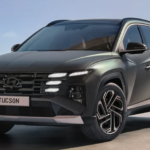 Hyundai Tucson Hybrid vs Honda CR-V Hybrid Canada: Which SUV Is Better?
However, certain vehicles have been subject to instrument cluster-related Canadian recalls, so newer does not automatically mean problem-free. Automobile Protection Association+2
2021 Hyundai Tucson
The 2021 Hyundai Tucson was the final model year of the third generation.
It offers a more traditional interior layout and generally lower purchase prices than fourth-generation models.
The 2021 Tucson may appeal to buyers who prioritize affordability over the latest technology.
Nevertheless, its 2.0-litre and 2.4-litre gasoline engines have documented durability concerns. We would only recommend purchasing one after a thorough mechanical inspection and verification of any applicable engine warranty extensions.
2020 Hyundai Tucson
The 2020 Hyundai Tucson is another potential budget-friendly alternative.
It uses a conventional six-speed automatic transmission, avoiding the seven-speed dual-clutch transmission found in certain earlier third-generation models.
Its main advantages include reasonable practicality, comfortable seating and potentially lower acquisition costs.
However, engine condition remains an important consideration. A poorly maintained 2020 Tucson could become significantly more expensive to own than a newer alternative.
What Are the Worst Hyundai Tucson Years?
Several Hyundai Tucson model years deserve extra attention because of documented engine failures, transmission concerns and safety recalls.
2016 Hyundai Tucson
The 2016 Hyundai Tucson is among the model years we would be most cautious about purchasing.
It marked the beginning of the third generation and introduced major mechanical and technological changes.
Certain versions equipped with the 1.6-litre turbocharged engine used a seven-speed dual-clutch transmission.
Reported concerns associated with this transmission include:
- Hesitation when accelerating.
- Jerky low-speed driving.
- Delayed engagement.
- Transmission overheating.
- Clutch wear.
- Inconsistent acceleration from a complete stop.
Transport Canada recall 2016-436 addressed delayed clutch engagement under certain operating conditions in affected vehicles. Canada.ca
Other 2016 Tucson versions equipped with the 2.0-litre GDI engine also have documented engine-related concerns.
You might be interested in this content. Best Cars for Canadian Winters
2017 Hyundai Tucson
The 2017 Hyundai Tucson is another model year that requires careful consideration.
Some vehicles continued to experience transmission-related complaints, while certain 2.0-litre GDI engines were affected by premature connecting rod bearing wear.
Potential problems include engine knocking, excessive oil consumption, unexpected stalling and expensive engine repairs.
Transport Canada issued recall 2021-573 covering certain affected vehicles with the 2.0-litre Nu GDI engine. Canada.ca
We would generally prioritize a newer Tucson rather than purchasing a 2017 model without extensive maintenance records.
2018 Hyundai Tucson
The 2018 Hyundai Tucson offered competitive equipment and attractive styling, but mechanical concerns continued to affect certain versions.
Buyers should pay particular attention to engine condition and the operation of the dual-clutch transmission where equipped.
A low purchase price might appear attractive, but potential engine or transmission repairs can quickly eliminate the savings.
2014 Hyundai Tucson
The 2014 Hyundai Tucson belongs to the second generation.
Certain engines from this period have been associated with internal engine problems, while affected vehicles have also been included in Canadian ABS-related safety recalls.
Given the vehicle's age, corrosion and general mechanical wear are additional considerations.
2015 Hyundai Tucson
The 2015 Tucson was the final model year of the second generation.
Although it can be relatively inexpensive on the used market, buyers should be aware of possible engine deterioration, oil consumption and age-related suspension problems.
Without a complete service history, we would generally recommend looking for a different model year.
Is the 2019 Hyundai Tucson Reliable?
The 2019 Hyundai Tucson received a mid-generation update and replaced the earlier turbocharged dual-clutch combination in its Canadian lineup with conventional gasoline engines and automatic transmissions.
However, the available 2.0-litre and 2.4-litre engines remain important areas of concern.
You might be interested in this content. Most Reliable Vehicles in Canada
Certain 2.4-litre models were included in Canadian engine monitoring-related recalls. Canada.ca
The 2019 Tucson is not necessarily a bad vehicle, but we would avoid examples with unexplained engine noise, frequent oil top-ups or incomplete service records.
Is the 2022 Hyundai Tucson a Good Year?
The 2022 Hyundai Tucson introduced the fourth generation in Canada.
It represented a substantial improvement in cabin space, technology, styling and available electrified powertrains.
However, purchasing the first model year of a redesigned vehicle can involve additional uncertainty.
Transport Canada has listed an investigation involving certain 2022 and 2023 Tucson models equipped with the 2.5-litre gasoline engine, concerning potential fuel injector failure and engine stalling. An investigation does not establish that every affected vehicle has a defect. tc.canada.ca
The 2022 model remains worth considering, but we would generally prioritize a similarly priced 2024 Tucson.
Hyundai Tucson Reliability by Generation
| Generation | Canadian model years | Main considerations |
|---|---|---|
| First generation | 2005–2009 | Age, corrosion and mechanical wear |
| Second generation | 2010–2015 | Engine durability and age-related problems |
| Third generation | 2016–2021 | Engine failures and transmission concerns |
| Fourth generation | 2022–2026 | Newer powertrains, electronics and limited long-term data |
First-Generation Hyundai Tucson
The original Hyundai Tucson featured relatively straightforward mechanical systems.
However, these vehicles are now old enough that rust, suspension wear, fluid leaks and electrical deterioration can become more important than their original reliability reputation.
Second-Generation Hyundai Tucson
The second generation introduced more modern styling and improved fuel economy.
Certain gasoline engines from this period require careful inspection, particularly when purchasing higher-mileage examples.
Third-Generation Hyundai Tucson
The third generation offers a modern appearance at increasingly affordable used-car prices.
Unfortunately, documented engine durability issues and complaints involving certain dual-clutch transmissions make powertrain selection particularly important.
Fourth-Generation Hyundai Tucson
The fourth generation introduced the 2.5-litre gasoline engine alongside turbocharged hybrid and plug-in hybrid options.
It is our preferred generation for buyers with sufficient budgets, although long-term reliability is still developing.
Most Common Hyundai Tucson Problems in Canada
Engine Failure
Engine failure is one of the most significant concerns associated with certain older Hyundai Tucson models.
You might be interested in this content.Hyundai Tucson Life Expectancy in Canada: How Long Does It Last?Potential warning signs include:
- Metallic knocking sounds.
- Excessive engine oil consumption.
- Reduced engine power.
- Engine warning lights.
- Unexpected engine stalling.
- Difficulty starting the vehicle.
Certain 2014–2021 Tucson vehicles equipped with the 2.0-litre Nu GDI engine are included in Canadian engine-related settlement provisions, subject to specific eligibility requirements. hyundaicanada-e2settlement.ca+1
Transmission Problems
Certain 2016–2018 Hyundai Tucson models equipped with the seven-speed dual-clutch transmission have experienced drivability concerns.
The conventional six-speed and eight-speed automatic transmissions found in other versions use a different design and may be preferable for drivers who regularly encounter heavy urban traffic.
Excessive Oil Consumption
Some older Tucson engines may consume more oil than expected.
Driving with insufficient engine oil can cause accelerated internal wear and potentially catastrophic engine damage.
We recommend checking the oil level regularly between scheduled maintenance visits.
ABS and Electrical Problems
Certain Hyundai Tucson models have been included in Canadian recalls involving ABS components and potential electrical short circuits.
Before purchasing a used vehicle, confirm that all outstanding safety recalls have been completed.
Rust and Corrosion
Rust is particularly important when purchasing a used SUV in Canada.
Winter road salt, moisture and repeated temperature changes can accelerate corrosion underneath the vehicle.
We recommend inspecting the subframe, brake lines, suspension mounting points, rocker panels and wheel arches.
Hyundai Tucson Engine Reliability Comparison
| Engine | Commonly available model years | Buying recommendation |
|---|---|---|
| 2.0L GDI | 2014–2021 | Extra caution |
| 2.4L gasoline | 2010–2015, 2019–2021 | Inspect carefully |
| 1.6L Turbo GDI | 2016–2018 | Check DCT operation |
| 2.5L gasoline | 2022 onward | Promising, verify campaigns |
| 1.6L Turbo Hybrid | 2022 onward | Promising |
| 1.6L Plug-in Hybrid | 2022 onward | Check battery and charging system |
Engine availability varies according to model year and Canadian trim level.
Which Hyundai Tucson Engine Is the Most Reliable?
The newer 2.5-litre gasoline engine paired with an eight-speed automatic transmission is an attractive option for buyers who prefer a conventional, non-hybrid SUV.
However, it is not yet possible to establish that this engine will be the most reliable Tucson engine over the long term.
The newer hybrid powertrain is also worth considering, particularly for drivers who spend considerable time commuting in Canadian cities.
You might be interested in this content.Hyundai Tucson N Line vs Ultimate Canada: Which Should You Buy?Is the Hyundai Tucson Hybrid More Reliable?
The Hyundai Tucson Hybrid became available in Canada for the 2022 model year.
It combines a 1.6-litre turbocharged gasoline engine with an electric motor and a six-speed automatic transmission.
Unlike the older non-hybrid 1.6-litre turbo Tucson, it does not use the problematic seven-speed dual-clutch transmission.
Potential advantages include lower urban fuel consumption, smooth acceleration and reduced fuel expenses.
However, the hybrid system introduces additional components, including a high-voltage battery, inverter and electric motor.
We recommend checking the remaining hybrid warranty and requesting a diagnostic inspection before purchasing a used hybrid Tucson.
Hyundai Tucson Reliability in Canadian Winters
The Hyundai Tucson can be a practical SUV for Canadian winter conditions, particularly when equipped with all-wheel drive and dedicated winter tires.
Nevertheless, cold weather can place additional stress on batteries, engine lubrication, cooling systems and other mechanical components.
Regular maintenance is particularly important for vehicles frequently used for short journeys during winter.
Drivers should also follow the severe operating conditions maintenance schedule when their driving habits meet Hyundai's criteria.
How Long Does a Hyundai Tucson Last?
A properly maintained Hyundai Tucson can potentially reach 200,000 to 250,000 kilometres or more.
However, actual vehicle lifespan depends heavily on engine condition, maintenance frequency, driving habits and environmental exposure.
A Tucson with 150,000 kilometres and comprehensive maintenance records may be a better purchase than a lower-mileage example with an undocumented service history.
Mileage alone should never determine whether a used Tucson is a good investment.
Hyundai Tucson Warranty in Canada
Hyundai Canada generally provides the following original new-vehicle warranty coverage:
| Warranty type | Coverage |
|---|---|
| Comprehensive warranty | 5 years/100,000 km |
| Powertrain warranty | 5 years/100,000 km |
| Hybrid and EV system warranty | 8 years/160,000 km |
Coverage is subject to applicable warranty terms, exclusions and the vehicle's original in-service date.
You might be interested in this content.Hyundai Tucson Years to Avoid in Canada: Best and Worst ModelsCertain older engines may qualify for additional coverage under specific campaigns or settlement agreements.
Canadian buyers should not assume that the longer warranties advertised in the United States apply to Canadian vehicles.
What to Check Before Buying a Used Hyundai Tucson
Before purchasing a used Hyundai Tucson in Canada, we recommend completing the following inspection checklist.
- Verify the vehicle identification number and recall history.
- Request complete maintenance records.
- Check the engine oil level and condition.
- Listen for unusual noises during a cold start.
- Inspect the transmission for hesitation or jerking.
- Check for excessive underbody corrosion.
- Scan the vehicle for diagnostic trouble codes.
- Inspect the all-wheel-drive system.
- Verify remaining warranty coverage.
- Arrange an independent pre-purchase inspection.
If the engine has previously been replaced, request documentation confirming the reason for replacement, the parts installed and any remaining warranty.
Which Hyundai Tucson Year Offers the Best Value in Canada?
The 2024 Hyundai Tucson is our preferred starting point for buyers seeking a balance between modern features, vehicle age and potential remaining warranty coverage.
The 2025 model is an excellent alternative for drivers with a larger budget.
Meanwhile, a properly maintained 2021 Tucson may appeal to buyers seeking a more affordable SUV, provided its engine condition and service history have been thoroughly verified.
| Buyer priority | Suggested model year |
|---|---|
| Best overall used option | 2024 |
| Modern technology | 2025 |
| Lower purchase price | 2020–2021 |
| Used hybrid SUV | 2024–2025 |
| Maximum potential warranty remaining | 2026 |
| Years to approach with the most caution | 2016–2017 |
Is a Used Hyundai Tucson Worth Buying in Canada?
Yes, a used Hyundai Tucson can be worth buying in Canada, especially when choosing a newer model with a documented maintenance history.
It offers a comfortable cabin, practical cargo space, competitive equipment and available all-wheel drive.
However, we would not recommend purchasing one based solely on its price or appearance.
Choosing the right model year and powertrain can substantially reduce the risk of unexpected repair expenses.
Conclusion
The best Hyundai Tucson years to consider in Canada are 2024 and 2025, with 2020 and 2021 representing conditional alternatives for buyers with smaller budgets.
The worst Hyundai Tucson years are generally 2016 and 2017, followed by several older models with documented engine durability concerns.
We would also exercise additional caution when purchasing a 2022 or 2023 Tucson equipped with the 2.5-litre gasoline engine.
Ultimately, a well-maintained Hyundai Tucson with completed recalls, verified service records and a successful independent inspection can be a practical and comfortable SUV for Canadian driving conditions.
Frequently Asked Questions
What is the best year for a Hyundai Tucson in Canada?
The 2024 Hyundai Tucson is one of our preferred used options because of its modern platform, practical features and potential remaining warranty coverage. The 2025 model is also worth considering.
You might be interested in this content.Hyundai Tucson Reliability in Canada: Is It a Dependable SUV?What Hyundai Tucson years should I avoid?
The 2016 and 2017 models deserve particular caution because of documented engine and transmission concerns. Certain 2014, 2015 and 2018 models also require thorough mechanical inspections.
Is the 2021 Hyundai Tucson reliable?
The 2021 Tucson can be a reasonable used SUV, but its gasoline engines have documented durability concerns. Maintenance records and engine condition should be carefully reviewed.
Which Hyundai Tucson years have engine problems?
Engine-related concerns have affected certain Hyundai Tucson models from 2014 through 2021. Newer 2022 and 2023 gasoline models have also been subject to investigation regarding potential fuel injector problems.
Is the Hyundai Tucson reliable after 150,000 kilometres?
A well-maintained Hyundai Tucson can remain dependable beyond 150,000 kilometres. However, its reliability at higher mileage depends on the powertrain, maintenance history, previous repairs and overall mechanical condition.
Leave a Reply