
Nissan Rogue Smells Like Gas: Common Causes, Solutions, and Safety Concerns

If your Nissan Rogue smells like gas, you should never ignore the problem. A gasoline odor can indicate something relatively straightforward, such as a loose fuel cap, but it can also signal a fuel leak, malfunctioning evaporative emissions system, or another issue that requires immediate attention.
Some Nissan Rogue owners notice a gasoline smell inside the cabin, while others experience it outside the vehicle, near the engine, or after parking. The odor may be particularly noticeable after refueling, during cold starts, or when the vehicle has been running for several minutes.
Interestingly, fuel odor complaints have also been documented in certain newer Nissan Rogue models. Nissan has issued a technical service bulletin addressing fuel odors in specific 2021–2023 Rogue vehicles, even when the Check Engine Light is not illuminated.
In this guide, we'll explain why your Nissan Rogue smells like gasoline, the most likely causes, how to recognize different symptoms, and what you can do to resolve the issue safely.
- Is It Normal for a Nissan Rogue to Smell Like Gas?
- 9 Common Reasons Your Nissan Rogue Smells Like Gas
- Nissan Rogue Smells Like Gas Inside the Cabin
- Nissan Rogue Smells Like Gas After Driving
- Nissan Rogue Smells Like Gas When Starting
- Nissan Rogue Gas Smell With No Check Engine Light
- Nissan Rogue Gas Smell Recalls and Technical Service Bulletins
- How to Diagnose a Nissan Rogue Gasoline Smell
- How Much Does It Cost to Fix a Nissan Rogue Gas Smell?
- Can You Drive a Nissan Rogue That Smells Like Gas?
- How to Prevent Gas Smells in Your Nissan Rogue
- Nissan Rogue Gas Smell: Older vs Newer Models
- Frequently Asked Questions About Nissan Rogue Gas Smells
- 1. Why does my Nissan Rogue smell like gas inside?
- 2. Why does my Nissan Rogue smell like gas after filling up?
- 3. Is there a Nissan Rogue recall for gasoline smells?
- 4. Why does my Nissan Rogue smell like gas but have no Check Engine Light?
- 5. Is it expensive to repair a Nissan Rogue gasoline smell?
- Conclusion: What Should You Do If Your Nissan Rogue Smells Like Gas?
Is It Normal for a Nissan Rogue to Smell Like Gas?
Generally, no. A properly functioning Nissan Rogue should not produce a persistent gasoline smell inside or around the vehicle.
A brief odor immediately after refueling can sometimes come from fuel vapors around the pump or a small accidental spill. However, the smell should disappear quickly once the source is gone.
If the odor continues, becomes stronger, or occurs repeatedly, there may be a problem with the vehicle's fuel delivery or vapor-control systems.
Gasoline is highly flammable, and its vapors can create a significant fire hazard.
If the gasoline smell is strong, persistent, or accompanied by visible fuel, stop the engine as soon as it is safe, move everyone away from the vehicle, and arrange professional assistance. Do not restart or drive the vehicle until it has been assessed.
9 Common Reasons Your Nissan Rogue Smells Like Gas
Several mechanical and fuel-system problems can produce gasoline odors. Understanding the circumstances surrounding the smell can help narrow down the possible causes.
1. Loose or Damaged Gas Cap
One of the simplest explanations for a Nissan Rogue gasoline smell is an improperly secured fuel cap.
The fuel cap helps prevent gasoline vapors from escaping the fuel tank. If it becomes loose, cracked, or damaged, vapors may escape into the surrounding air.
Common symptoms include:
- Gasoline smell near the rear of the vehicle.
- Odor appearing shortly after refueling.
- Check Engine Light turning on.
- Evaporative emissions system fault codes.
If your Rogue has a conventional fuel cap, make sure it is correctly installed and the seal is undamaged. Follow the instructions in your owner's manual.
However, a loose fuel cap should not automatically be assumed to be the problem, particularly if the smell is strong.
2. Fuel Injector Leak
Fuel injectors deliver precisely controlled quantities of gasoline into the engine.
When an injector seal or fuel connection develops a leak, gasoline may escape around the engine.
Possible symptoms include:
- Strong gasoline smell under the hood.
- Rough engine idling.
- Difficulty starting.
- Increased fuel consumption.
- Engine hesitation or misfires.
Because the fuel delivery system operates under pressure, a leak may become more noticeable while the engine is running.
A leaking fuel injector or fuel connection requires professional inspection. Do not attempt to tighten fuel-system components while the engine is operating.
3. Faulty EVAP System
The evaporative emission control system, commonly called the EVAP system, captures and manages gasoline vapors that would otherwise escape into the atmosphere.
Your Nissan Rogue uses several components to perform this function, including vapor hoses, valves, and a charcoal canister.
You might be interested in this content. Hyundai Kona Key Fob Not Working: Causes, Fixes, and Troubleshooting Guide
If one of these components fails, gasoline vapors may escape.
Typical warning signs include:
- Gas smell without visible liquid gasoline.
- Check Engine Light illuminated.
- Difficulty starting after refueling.
- Fuel odor near the rear of the vehicle.
- Intermittent gasoline smells.
Common EVAP-related diagnostic trouble codes include P0442, P0455, P0456, and P0441, although the exact codes and their applicability depend on the model year and fault.
A mechanic can inspect the system using a diagnostic scanner and appropriate leak-detection equipment.
4. Damaged Fuel Lines or Connections
Fuel lines transport gasoline from the fuel tank to the engine.
Over time, fuel lines and their connections can deteriorate, become damaged, or develop leaks.
Potential causes include corrosion, accidental underbody damage, loose fittings, or deterioration of seals.
Signs of a possible fuel-line leak include:
- Strong smell underneath the vehicle.
- Visible wet areas or gasoline puddles.
- Unexplained fuel loss.
- Gasoline smell while driving or parking.
This is one of the more serious possibilities.
If you suspect a fuel-line leak, do not continue driving. A professional should inspect the vehicle before it is operated again.
5. Fuel Pump or Fuel Tank Seal Problems
The fuel pump assembly and fuel tank connections must be properly sealed to prevent gasoline and vapors from escaping.
A damaged gasket, improperly seated retaining ring, or loose connection can cause a persistent fuel odor.
The smell may be more noticeable near the rear seats or fuel tank area.
Certain 2021 Nissan Rogue vehicles were included in a recall involving fuel pump installation. In affected vehicles, an improperly secured fuel line or fuel tank lock ring could result in fuel odors, fuel leakage, or engine stalling.
However, this recall applies only to specifically identified vehicles, not every 2021 Rogue.
If your vehicle has a persistent gas smell near the tank, checking its recall status is especially important.
6. Problems With the PCV Hose
This is a particularly relevant possibility for some newer Nissan Rogue vehicles.
Nissan issued technical service bulletin NTB23-055B, dated March 12, 2024, covering certain 2021–2023 Rogue models equipped with the KR15DDT engine and manufactured on or before July 28, 2023.
The bulletin addresses complaints of fuel odor when there is no illuminated malfunction indicator light and no stored diagnostic trouble codes.
Nissan's diagnostic procedure directs technicians to inspect for actual fuel leaks and defective fuel or EVAP system components first.
If those checks reveal no problems, the procedure specifies replacing the positive crankcase ventilation (PCV) hose with the designated replacement part.
This matters because a Nissan Rogue can develop a fuel odor without triggering the Check Engine Light.
You might be interested in this content. Nissan Rogue vs Volkswagen Tiguan Canada: Which Compact SUV Should You Buy?
The bulletin does not mean every fuel smell is caused by the PCV hose, and it does not replace the need to rule out dangerous fuel leaks.
A Nissan technician can determine whether the bulletin applies to your specific vehicle.
7. Cracked or Damaged Charcoal Canister
The charcoal canister is an important component of the EVAP system.
Its job is to temporarily store gasoline vapors until the engine can process them.
If the canister becomes cracked, saturated, or otherwise damaged, gasoline vapors may escape.
You might notice the smell:
- After filling the fuel tank.
- Around the rear of the SUV.
- When the vehicle is parked.
- During warmer weather.
Repeatedly overfilling the fuel tank beyond the pump's automatic shutoff can also contribute to EVAP system problems.
A technician can inspect the canister, associated valves, and vapor lines.
8. Engine Running Too Rich
A gasoline smell does not always mean liquid fuel is leaking.
Sometimes, the engine may be burning more fuel than necessary because of an excessively rich air-fuel mixture.
Possible reasons include:
- Faulty engine sensors.
- Fuel injector problems.
- Incorrect fuel delivery.
- Ignition system faults.
- Engine management problems.
An overly rich mixture may produce a noticeable fuel-like smell from the exhaust.
Other symptoms can include poor fuel economy, rough idling, hesitation, or black exhaust smoke.
Because exhaust fumes can contain dangerous carbon monoxide, any suspected exhaust intrusion into the cabin requires immediate attention.
9. Fuel Spillage During Refueling
Sometimes, a gasoline smell is caused by fuel spilled during refueling rather than a mechanical failure.
A small amount of gasoline spilled near the fuel filler opening can create a noticeable odor.
However, if the smell continues long after refueling, or appears every time the tank is filled, there could be an issue with the filler neck, fuel tank, or vapor recovery system.
Do not assume repeated gasoline odors after filling up are harmless.
Nissan Rogue Smells Like Gas Inside the Cabin
A gasoline smell inside your Nissan Rogue is particularly concerning because occupants may be exposed to potentially harmful fumes.
There are several possible explanations.
Gas Smell Through the Air Conditioning Vents
If you notice gasoline fumes when using the air conditioning or heating system, vapors from outside the cabin may be entering through the ventilation system.
Possible causes include an engine-compartment fuel leak, vapor leak, or another source near the vehicle's fresh-air intake.
You might be interested in this content. Why Is My Car Shaking While Driving?
The smell may become more noticeable when the ventilation system draws outside air into the cabin.
Switching to recirculation might temporarily change the odor, but it does not correct the underlying problem.
Avoid driving the vehicle until the source has been identified.
Gas Smell Near the Rear Seats
If the smell appears strongest near the rear seating area, the fuel tank, pump assembly, and associated connections should be considered.
Potential problems include a defective fuel pump seal or vapor leak.
However, the odor's location alone cannot confirm the source.
Fuel vapors can travel through and around the vehicle, so a professional inspection remains necessary.
Gas Smell When the Windows Are Closed
If the odor becomes more noticeable when the windows are closed, gasoline vapors may be accumulating inside the passenger compartment.
Do not attempt to solve this simply by opening the windows or using an air freshener.
Stop safely, shut down the engine, and have the problem diagnosed.
Nissan Rogue Smells Like Gas After Driving
Some owners notice a strong gasoline smell immediately after parking their Rogue.
There are several reasons this can happen.
Fuel Vapors Escaping After Shutdown
The fuel tank and EVAP system manage vapor pressure as temperatures change.
A malfunctioning vapor-control component can allow gasoline fumes to escape when the vehicle is parked.
The problem might be especially noticeable in an enclosed garage, where vapors can accumulate.
If the smell is persistent, do not park the vehicle in an attached garage until the problem has been assessed.
Heat Making a Fuel Leak More Noticeable
Engine heat can make gasoline evaporate quickly.
A small amount of leaking fuel may therefore produce a strong odor after the engine reaches operating temperature.
If you notice a strong gasoline smell after driving, avoid restarting the engine and arrange an inspection.
Fuel System Pressure Problems
The fuel system operates under pressure, and certain leaks may be more noticeable during engine operation or shortly after shutdown.
A technician may need to inspect the system under controlled conditions to identify the source.
Nissan Rogue Smells Like Gas When Starting
A gasoline odor during startup can result from several different conditions.
You might be interested in this content.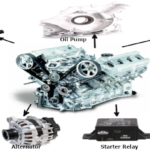 Common Engine Problems and Their Causes
A malfunctioning injector may deliver too much fuel, while ignition problems can allow unburned fuel to enter the exhaust.
On cold mornings, fuel enrichment during startup can also affect exhaust odor. However, a strong or persistent raw gasoline smell is not something we should dismiss as normal.
If the smell is accompanied by rough idling, hard starting, misfires, or an illuminated warning light, the vehicle needs professional diagnosis.
Nissan Rogue Gas Smell With No Check Engine Light
One of the more confusing situations occurs when your Nissan Rogue smells like gas but the Check Engine Light remains off.
It is important to understand that the Check Engine Light does not detect every possible fuel-system problem.
For example, a small external fuel leak may not trigger an emissions-related diagnostic code.
Similarly, certain vapor-related odors may occur without stored trouble codes.
As mentioned earlier, Nissan's technical bulletin NTB23-055B specifically addresses a fuel odor condition in certain 2021–2023 Rogue vehicles without an illuminated malfunction indicator light or stored codes.
Therefore, the absence of a Check Engine Light does not mean the gasoline smell is safe or normal.
A physical inspection is often necessary.
Nissan Rogue Gas Smell Recalls and Technical Service Bulletins
Some Nissan Rogue fuel odor problems have been addressed through official recalls or service bulletins.
It is important to distinguish between these two categories.
A safety recall identifies a defect or compliance issue in affected vehicles and generally provides a remedy at no charge.
A technical service bulletin provides diagnostic and repair instructions to technicians. It does not automatically mean that a repair is free or that every vehicle of a listed model year is affected.
2021 Nissan Rogue Fuel Pump Recall
Certain 2021 Nissan Rogue vehicles were included in a recall involving the fuel pump installation.
The problem involved potentially unsecured fuel connections or an incorrectly seated lock ring.
Possible consequences included gasoline odors, fuel leaks, and, in rare cases, engine stalling.
The campaign is identified as PC791 and is associated with NHTSA recall 21V068.
2022 Nissan Rogue Fuel Tank Recall
A limited number of 2022 Rogue vehicles were included in fuel tank inspection campaign PC912, associated with recall 22V660.
This campaign involved potential fuel tank damage associated with third-party equipment installation on certain commercial fleet vehicles.
Possible symptoms included a gasoline smell, an EVAP-related warning light, or fuel spilling during refueling.
This was a narrowly targeted recall, not a recall of all 2022 Nissan Rogue SUVs.
You might be interested in this content. Why Does My Check Engine Light Come On?
2021–2023 Nissan Rogue Fuel Odor Bulletin
Technical service bulletin NTB23-055B addresses certain 2021–2023 Rogue vehicles equipped with the KR15DDT engine and built by July 28, 2023.
It outlines inspection steps and a potential PCV hose replacement if other fuel or EVAP system problems are ruled out.
If you own a Rogue from these years, ask your Nissan dealership to check whether this bulletin applies.
Important: Recall eligibility is determined by your vehicle identification number (VIN), not simply its model year. Owners in the United States can check their VIN through the official NHTSA recall lookup system or contact a Nissan dealership. Availability and campaign applicability in other countries may differ.
How to Diagnose a Nissan Rogue Gasoline Smell
Diagnosing a fuel odor starts with identifying when and where it occurs.
Here is a useful comparison of symptoms and potential explanations.
| Symptom | Possible cause | Recommended response |
|---|---|---|
| Gas smell after refueling | Fuel cap, spill, EVAP leak | Check for a spill and arrange service if odor persists |
| Gas smell inside the cabin | Fuel or vapor leak | Stop driving and seek inspection |
| Gas smell under the hood | Fuel injector or line leak | Shut off engine and arrange towing |
| Gas smell near rear seats | Fuel tank or pump connection | Professional fuel-system inspection |
| Gas smell after driving | Fuel leak or vapor issue | Avoid restarting until assessed |
| Gas smell with Check Engine Light | EVAP or engine-management fault | Professional diagnosis |
| Gas smell without warning lights | Fuel leak, vapor issue, PCV hose condition | Inspect promptly; ask about applicable bulletins |
These are possibilities, not definitive diagnoses.
Step 1: Identify When the Smell Appears
Consider whether the gasoline smell occurs during cold starts, after refueling, while driving, or when the vehicle is parked.
This information can help a mechanic reproduce the problem.
Step 2: Look for Visible Fuel From a Safe Distance
With the engine off, observe whether gasoline is visibly collecting underneath the vehicle.
Do not crawl underneath the car, touch suspected leaks, or use electrical equipment near gasoline fumes.
If you see leaking fuel, keep clear and request roadside assistance.
Step 3: Check the Fuel Cap if Conditions Are Safe
If the odor was brief, appeared immediately after refueling, and there is no indication of leakage, you can check that the fuel cap is properly secured.
Do not approach or manipulate the fuel system if the odor is strong or persistent.
Step 4: Check for Warning Lights
An illuminated Check Engine Light may provide useful diagnostic information.
However, remember that a fuel leak may exist without any warning lights.
Step 5: Request a Professional Inspection
If the smell persists, have the Rogue inspected by a qualified technician.
Depending on the symptoms, the inspection may involve:
- Fuel line and connector checks.
- Fuel tank and pump seal inspection.
- EVAP system leak testing.
- Engine diagnostic code scanning.
- Fuel injector inspection.
- PCV hose evaluation when applicable.
Fuel-system repairs should be performed with the proper tools and safety procedures.
How Much Does It Cost to Fix a Nissan Rogue Gas Smell?
The cost depends on which component is causing the smell.
A fuel cap issue will generally be less expensive to correct than a damaged fuel tank, leaking fuel line, or injector problem.
EVAP repairs can vary considerably because the system contains multiple valves, hoses, and other components.
You might be interested in this content.Nissan Rogue Engine Malfunction Power Reduced Service Now: Causes, Fixes, and What to DoThe following table provides a general comparison rather than an exact repair quote.
| Potential problem | Relative repair cost | Repair complexity |
|---|---|---|
| Loose fuel cap | Very low | Simple |
| Damaged fuel cap | Low | Simple |
| EVAP hose leak | Low to moderate | Varies |
| Faulty purge valve | Moderate | Moderate |
| PCV hose replacement | Low to moderate | Moderate |
| Fuel injector seal leak | Moderate to high | Professional repair |
| Fuel line damage | Moderate to high | Professional repair |
| Fuel tank damage | High | Complex |
Labour costs, replacement part prices, and vehicle configuration can significantly change the final estimate.
Before paying for repairs, verify whether your Nissan Rogue has an applicable recall, warranty provision, or manufacturer service campaign.
Can You Drive a Nissan Rogue That Smells Like Gas?
Driving a vehicle with a suspected gasoline leak is unsafe.
Gasoline vapors are highly flammable, and leaking fuel may contact hot engine or exhaust components.
If you experience a strong or persistent gasoline smell, particularly inside the cabin, the safest response is to stop driving and arrange professional assistance.
You should be especially cautious if you notice any of the following:
- Visible gasoline underneath the vehicle.
- Strong fumes inside the passenger compartment.
- Fuel odor combined with engine misfiring or stalling.
- Rapid or unexplained fuel loss.
- Smoke, unusual engine behavior, or a worsening odor.
Do not attempt to drive to a repair shop simply because the Check Engine Light is off.
Contact roadside assistance or a Nissan service centre for guidance on safe vehicle transportation.
How to Prevent Gas Smells in Your Nissan Rogue
Although not every fuel-system problem can be prevented, regular maintenance helps reduce the likelihood of certain issues.
Follow Nissan's Maintenance Schedule
Routine inspections help identify deteriorating fuel hoses, connections, and other components before they cause larger problems.
Follow the maintenance requirements for your specific Rogue model year.
Avoid Overfilling the Fuel Tank
Stop refueling when the fuel pump automatically shuts off.
Repeatedly topping off the tank can introduce liquid gasoline into components designed primarily to handle vapors.
Address Check Engine Lights Promptly
An illuminated Check Engine Light can indicate emissions or fuel-system problems.
Diagnosing the fault early may help prevent further damage.
Pay Attention to Changes in Fuel Consumption
Unexpectedly poor fuel economy may indicate an engine-management or fuel-delivery problem.
Although higher fuel consumption does not necessarily mean gasoline is leaking, it can provide additional diagnostic information.
Inspect After Underbody Damage
If your Rogue has struck road debris or suffered underbody damage, a technician should check the relevant fuel-system components.
Damage to the fuel tank or fuel lines can create dangerous leaks.
Nissan Rogue Gas Smell: Older vs Newer Models
The possible causes of a gasoline smell can vary depending on the generation and condition of your Nissan Rogue.
2014–2020 Nissan Rogue
On these models, possible causes include aging fuel-system connections, defective EVAP components, deteriorating seals, and fuel injector problems.
You might be interested in this content. Ford Fiesta Check Engine Light: Causes, Diagnosis, and Fixes
Higher-mileage vehicles may be more likely to have wear-related issues, although the actual condition depends on maintenance and usage.
A Check Engine Light may accompany some EVAP faults, but it is not guaranteed.
2021–2023 Nissan Rogue
These model years deserve particular attention because of documented manufacturer information concerning fuel odors.
Depending on the vehicle, relevant issues may include fuel-system problems, applicable recalls, or the fuel odor condition addressed by bulletin NTB23-055B.
Owners should provide the dealership with their VIN and ask about applicable recalls and technical service information.
2024 and Newer Nissan Rogue
A newer Rogue is not automatically immune to gasoline odors.
Potential causes still include fuel leaks, damaged connections, EVAP system problems, and refueling-related issues.
However, the specific 2021–2023 fuel odor bulletin should not automatically be applied to later vehicles.
Newer models should be diagnosed according to their particular engine, production date, and applicable manufacturer procedures.
Frequently Asked Questions About Nissan Rogue Gas Smells
1. Why does my Nissan Rogue smell like gas inside?
A gasoline smell inside your Nissan Rogue may be caused by leaking fuel connections, an EVAP system problem, or vapors entering through the ventilation system.
Because gasoline vapors can be hazardous, a persistent cabin odor requires immediate attention. Stop driving and have the vehicle professionally inspected.
2. Why does my Nissan Rogue smell like gas after filling up?
Possible explanations include a loose fuel cap, spilled gasoline, damaged filler components, or an EVAP system malfunction.
If the smell disappears quickly after a minor spill, it may not indicate a vehicle defect. However, repeated or persistent gasoline odors after refueling should be investigated.
3. Is there a Nissan Rogue recall for gasoline smells?
Yes. Certain 2021 Rogue vehicles were included in a fuel pump installation recall, and a limited group of 2022 Rogue vehicles was included in a fuel tank inspection recall.
There is also a technical service bulletin covering a fuel odor condition in certain 2021–2023 models.
Not every Rogue from these years is affected. Check your vehicle's VIN to determine recall eligibility.
4. Why does my Nissan Rogue smell like gas but have no Check Engine Light?
Some fuel and vapor leaks do not activate the Check Engine Light.
Additionally, Nissan's technical bulletin NTB23-055B describes a fuel odor condition in certain Rogue vehicles without stored diagnostic codes or an illuminated malfunction indicator light.
A professional inspection is still necessary to exclude dangerous fuel leaks.
5. Is it expensive to repair a Nissan Rogue gasoline smell?
Repair costs depend on the cause.
A damaged fuel cap or simple hose issue may be relatively inexpensive, while replacing a fuel injector, fuel line, or fuel tank can cost significantly more.
If the vehicle qualifies for a safety recall, the prescribed recall repair is generally performed without charge.
You might be interested in this content.Does Nissan Rogue Have Transmission Problems? Common CVT Issues, Years to Avoid, and ReliabilityConclusion: What Should You Do If Your Nissan Rogue Smells Like Gas?
If your Nissan Rogue smells like gas, the most important step is to identify the source rather than ignore the odor.
Some problems, such as a poorly secured gas cap, may be relatively simple. Others, including leaking fuel injectors, defective fuel connections, damaged fuel tanks, and EVAP system failures, can present serious safety concerns.
Owners of certain 2021–2023 Rogue models should also be aware of Nissan's documented fuel odor bulletin, which addresses a condition that can occur without an illuminated Check Engine Light.
However, a technical service bulletin should never be treated as proof that a gasoline smell is harmless.
Our recommendation is simple: if the odor is strong, persistent, or noticeable inside the cabin, stop driving, avoid restarting the engine, and arrange a professional inspection.
Addressing the problem promptly can help protect your vehicle, prevent more expensive repairs, and, most importantly, keep you and your passengers safe.
Leave a Reply