
Common Engine Problems and Their Causes
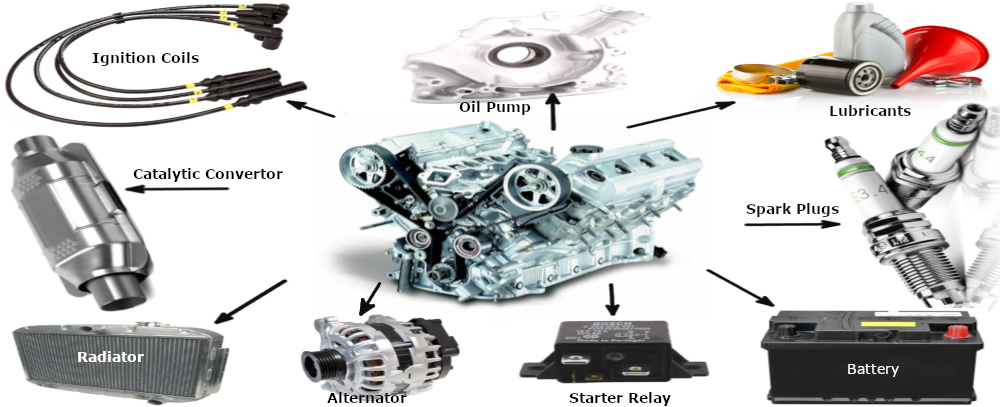
Engines are complex machines reliant on precise interactions between fuel, air, and mechanical components. Despite their durability, common issues such as rough idling, overheating, or excessive smoke are frequent concerns. These problems often stem from identifiable causes, including worn spark plugs, clogged fuel injectors, or low coolant levels.
Poor maintenance practices, like infrequent oil changes or using low-quality fuel, accelerate wear on internal parts. Understanding these root causes—from ignition system failures to cooling system leaks—enables car owners to address symptoms early, preventing costly repairs. By recognizing warning signs and their origins, drivers can maintain engine health and ensure reliable performance.
- Common Engine Problems and Their Causes
- Common Engine Problems and Their Causes
- Overheating: Causes and Prevention Strategies
- Failure to Start: Diagnosing the Root Causes
- Routine Maintenance to Mitigate Common Engine Issues
- Ignition System Malfunctions Mimicking Engine Failure
- Fuel Delivery Problems That Simulate Engine Trouble
- Exhaust System Restrictions That Feel Like Internal Damage
- Frequently Asked Questions
Common Engine Problems and Their Causes
Engine problems can arise from a variety of factors, ranging from wear and tear to fuel system failures. Understanding the root causes of these issues is essential for diagnosing performance drops, unusual noises, or warning lights early.
Common problems include overheating, misfires, oil leaks, and poor compression, each linked to specific components like the cooling system, ignition, or seals.
You might be interested in this content. Why Does My Check Engine Light Come On?
Overheating and Its Causes
Overheating is one of the most frequent engine problems, often caused by a failed thermostat that remains closed, preventing coolant flow, or a blown head gasket that allows combustion gases to enter the cooling system.
A low coolant level due to leaks or a malfunctioning water pump can also lead to rapid temperature spikes, damaging internal components if not addressed promptly.
Engine Misfires and Ignition Faults
Engine misfires typically stem from worn spark plugs or faulty ignition coils, which fail to ignite the air-fuel mixture correctly. Additionally, clogged fuel injectors or a weak fuel pump can disrupt the fuel delivery, causing uneven combustion. A vacuum leak in the intake manifold may also introduce excess air, leaning out the mixture and triggering misfires.
Oil Leaks and Lubrication Failures
Oil leaks are commonly traced to worn valve cover gaskets or degraded oil pan seals, which allow oil to escape and reduce lubrication. A failed crankshaft seal or a loose oil filter can also cause significant fluid loss. Without proper oil pressure, internal friction increases, leading to accelerated wear on bearings and pistons.
You might be interested in this content. Most Common Transmission Problems
| Problem | Primary Cause | Common Symptoms |
|---|---|---|
| Overheating | Failed thermostat or coolant leak | Steam from hood, high temp gauge |
| Misfire | Worn spark plugs or injector clog | Rough idle, loss of power, check engine light |
| Oil Leak | Worn valve cover gasket | Puddles under car, burning smell |
| Low Compression | Blown head gasket | Poor acceleration, engine knocking |
Common Engine Problems and Their Causes
What are the top two most frequent engine issues and what causes them?
The top two most frequent engine issues are overheating and failure to start. These problems are commonly caused by coolant leaks, thermostat malfunctions, or a faulty cooling fan in the case of overheating, and by dead batteries, faulty starters, or fuel system problems in the case of failure to start.
Overheating: Causes and Prevention Strategies
Primary Causes of Engine Overheating
Overheating occurs when the engine's cooling system fails to regulate temperature, often due to a lack of coolant or a broken cooling fan. This can lead to warped cylinder heads and significant internal damage if not addressed promptly.
- Low coolant level due to leaks in hoses, radiator, or water pump.
- Malfunctioning thermostat that fails to open and allow coolant flow.
- Faulty cooling fan that does not engage to draw air through the radiator.
Failure to Start: Diagnosing the Root Causes
Common Reasons for a No-Start Condition
A failure to start is often linked to electrical or fuel delivery issues, preventing the engine from turning over or receiving the necessary combustion mixture. This can leave you stranded and requires systematic troubleshooting.
- Dead or weak battery due to age, parasitic drain, or faulty alternator.
- Faulty starter motor or solenoid that fails to engage the flywheel.
- Clogged fuel filter or malfunctioning fuel pump that restricts fuel supply.
Routine Maintenance to Mitigate Common Engine Issues
Key Practices for Long-Term Engine Reliability
Regular maintenance plays a critical role in preventing the top two engine issues by addressing wear and tear before failures occur. Simple checks and timely replacements can reduce the frequency of overheating and no-start problems.
You might be interested in this content. Why Won't My Car Start?
- Inspect and replace coolant according to manufacturer intervals to prevent sludge and leaks.
- Test battery voltage and clean terminals regularly to ensure strong electrical connections.
- Replace fuel filters and spark plugs as specified to maintain proper ignition and fuel flow.
What Are Common Conditions That Mimic a Failing Engine?
Several mechanical and electrical issues can produce symptoms that closely resemble those of a failing engine. These conditions often cause hesitation, rough running, unusual noises, or warning lights, leading drivers to suspect engine damage when the actual problem lies elsewhere.
Ignition System Malfunctions Mimicking Engine Failure
Misfires Due to Faulty Spark Plugs or Coils
A single misfiring cylinder can feel exactly like engine failure, causing vibrations, loss of power, and a flashing check engine light. Worn spark plugs, damaged ignition coils, or cracked spark plug wires prevent proper combustion. This may worsen under acceleration or when the engine is cold. The primary symptoms include:
- Rough idling that shakes the entire vehicle, often mistaken for internal engine damage like a bent rod or broken piston ring.
- Sudden hesitation or stumbling during acceleration, particularly at highway speeds or under load.
- Increased fuel consumption and a strong smell of unburned gasoline from the exhaust, indicating incomplete combustion.
Fuel Delivery Problems That Simulate Engine Trouble
Restricted or Failing Fuel Pump and Injectors
A compromised fuel system can cause stalling, sputtering, and lack of power that drivers immediately equate with engine failure. A clogged fuel filter, weak fuel pump, or dirty injectors restrict the proper amount of fuel reaching the cylinders. The engine may start fine but struggle under demand. Key indicators include:
- Engine cranks but takes abnormally long to start, or refuses to start at all after sitting for several hours.
- Loss of power when climbing hills or overtaking, with the engine feeling like it is starving for fuel.
- Sudden stalling at low speeds or when coming to a stop, often followed by difficulty restarting.
Exhaust System Restrictions That Feel Like Internal Damage
Clogged Catalytic Converter or Muffler Collapse
A blocked exhaust system creates backpressure that makes the engine feel severely restricted or unable to rev, mimicking a seized or heavily damaged engine. This often results from a melted catalytic converter due to previous misfires or a collapsed internal muffler baffle. Typical symptoms include:
You might be interested in this content. Why Is My Car Overheating?
- Noticeable loss of engine power and inability to exceed moderate RPMs, as if the engine is running out of breath.
- Unusual exhaust odor, often described as rotten eggs from a sulfur smell, or excessive heat around the undercarriage.
- Rattling noises underneath the vehicle, especially during acceleration or deceleration, caused by broken internal converter material.
Frequently Asked Questions
Why is my engine misfiring?
An engine misfire occurs when the air-fuel mixture fails to ignite properly in a cylinder. Common causes include faulty spark plugs or worn ignition coils that cannot create a strong spark.
Additionally, fuel delivery issues like a clogged injector or low fuel pressure can prevent proper combustion. Vacuum leaks from cracked hoses or a failing intake gasket may also disrupt the mixture. Prompt diagnosis is essential as misfires waste fuel and can damage the catalytic converter over time.
What causes the engine to overheat?
Engine overheating typically stems from cooling system failures. A low coolant level due to external leaks or internal head gasket issues reduces heat absorption.
A stuck thermostat that remains closed blocks coolant circulation, while a failing water pump cannot move fluid effectively. A clogged radiator or broken cooling fan also impairs heat dissipation. If the temperature gauge rises, immediately stop the engine to prevent severe internal damage like warped cylinder heads or a seized engine.
You might be interested in this content.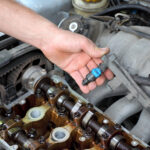 Common Fuel System Problems
Why does my engine make a knocking noise?
Engine knocking sounds arise from uncontrolled combustion. Pre-ignition ignites the fuel before the spark, often from carbon deposits or low-octane fuel. Detonation causes pressure waves that hammer pistons and bearings, frequently due to over-advanced ignition timing.
Worn main or rod bearings create a deeper rhythmic knock from excessive clearance. Low oil pressure or inadequate viscosity accelerates bearing wear. Continued driving with knocking risks catastrophic engine failure requiring a full rebuild.
What causes the engine to lose power?
Power loss results from restricted airflow, fuel starvation, or ignition weakness. A clogged air filter denies the engine oxygen for combustion, while a dirty fuel filter limits delivery. Malfunctioning mass airflow or oxygen sensors cause improper fuel mixture control. Exhaust restrictions from a blocked catalytic converter increase backpressure.
Compression loss from worn piston rings or burnt valves reduces cylinder pressure. A failing fuel pump cannot maintain required pressure under load, demanding diagnostics.
Leave a Reply