
Driving Tips for New Drivers
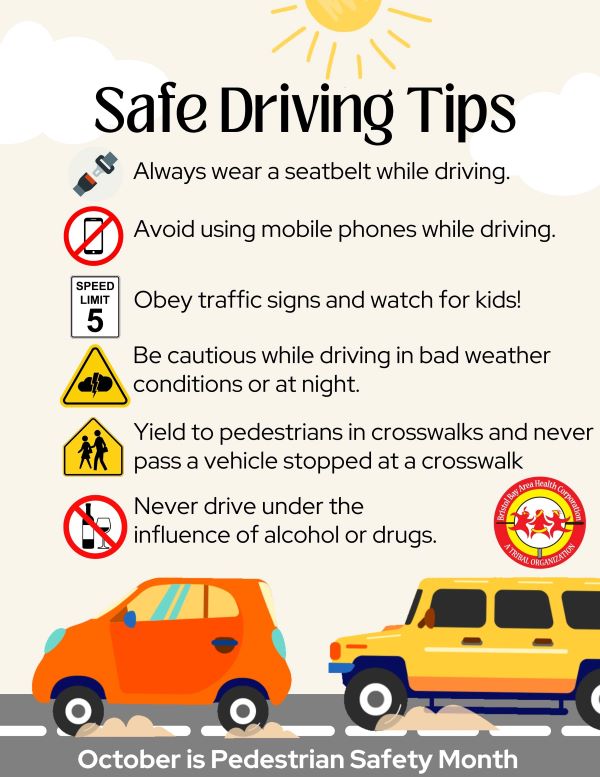
Embarking on the journey of driving is both exhilarating and daunting for new drivers. Mastering the wheel requires patience, preparation, and a keen understanding of safety fundamentals. From adjusting mirrors before ignition to maintaining calm in unpredictable traffic, these essential tips aim to build confidence behind the wheel. Whether navigating busy intersections or reacting to sudden weather changes, prioritizing caution over haste is key.
By embracing defensive driving techniques and avoiding distractions, newcomers can transform anxiety into competence. This guide offers practical insights to help beginners navigate roads smoothly, ensuring every trip becomes a stepping stone toward becoming a responsible, skilled driver.
Essential Driving Tips for New Drivers to Build Confidence and Safety
Gaining your driver's license is an exciting milestone, but it also comes with significant responsibility. As a new driver, focusing on core safety habits and defensive driving techniques is crucial. By mastering these foundational skills early, you can dramatically reduce your risk of accidents and become a more assured driver. The most important thing to remember is that safe driving is a continuous learning process that requires patience and constant awareness of your surroundings.
Master the Art of Defensive Driving
Defensive driving is the single most important skill for any new driver. It means being aware of potential hazards before they become emergencies. Instead of just focusing on your own car, you should constantly scan the road ahead, check your mirrors every 5-8 seconds, and anticipate what other drivers might do.
This includes maintaining a proper following distance (at least 3-4 seconds behind the car in front) and always having an escape route in mind. By assuming that other drivers will make mistakes, you can react proactively rather than panicking, making your driving experiences much safer and less stressful.
You might be interested in this content. How to Drive in Extreme Cold Weather
Minimize Distractions and Focus on the Road
For new drivers, distractions are the number one enemy of safe driving. The urge to check a phone, adjust the radio, or talk to passengers can lead to a split-second lapse in attention with devastating consequences. As a novice, you should commit to a no-phone policy while driving, including using hands-free devices, as even a brief conversation can take your mind off the road.
Before you start the engine, preset your music, GPS, and climate controls. If you need to do something else, pull over safely. Remember, your full attention must always be on the complex task of operating a vehicle.
Practice in a Variety of Conditions
While driving in perfect daylight is pleasant, you must gain experience in different environments to become a truly competent driver. Start by practicing in low-traffic areas and gradually work your way up to highways and busy city streets. You should also schedule practice sessions in adverse conditions like rain or at night (once you have more experience).
Driving in the rain requires slower speeds and gentler braking, while night driving demands you use your high beams appropriately and watch for pedestrians. The goal is to build your muscle memory and hazard perception in a controlled way, so no road situation catches you completely off guard.
| Driving Tip | Primary Benefit | Key Action for New Driver |
|---|---|---|
| Defensive Driving | Prevents accidents by anticipating hazards | Scan mirrors every 5-8 seconds and maintain 3-4 second following distance |
| Minimizing Distractions | Keeps reaction time at a maximum | Set all devices before driving; never use your phone while moving |
| Practicing in Varied Conditions | Builds real-world experience and confidence | Start in empty parking lots, then progress to rain and night driving |
Essential Driving Tips for New Drivers: A Comprehensive Guide
What essential driving tips should new drivers follow to stay safe on the road?
First and foremost, new drivers should master the art of defensive driving. This means being constantly aware of your surroundings and anticipating the actions of other road users, rather than merely reacting to them. Essential tips include always scanning the road ahead, checking mirrors every few seconds, and keeping a safe following distance of at least three to four seconds behind the car in front.
You might be interested in this content. Mountain Driving Tips for Canadians
Avoiding distractions like mobile phones is critical, as is never driving under the influence of alcohol or drugs. Additionally, new drivers must adhere to speed limits, adjust driving for weather conditions, and always use turn signals to communicate intentions. Practicing in various conditions and gradually building experience on highways, in traffic, and at night will also build confidence and safety.
Mastering Vehicle Control and Basic Maneuvers
Foundational Skills for Smooth and Safe Driving
Gaining full control of the vehicle is a top priority for any new driver. This involves understanding the vehicle's dimensions and how it responds to inputs like steering, braking, and acceleration. The most crucial skill is smooth braking to avoid jerky stops and to maintain traction.
New drivers should practice both gradual and emergency stops in a safe, empty space. Steering control requires a steady grip and using the push-pull technique for turning corners, which helps maintain lane position. Additionally, understanding the vehicle's blind spots is essential before changing lanes or merging.
- Practice smooth and progressive braking by applying pressure gradually, especially before turns and stops.
- Use the push-pull steering method, keeping both hands on the wheel at the 9 and 3 o'clock positions to maintain optimal control.
- Adjust side and rearview mirrors before driving to minimize blind spots and check them physically by turning your head when changing lanes.
Handling High-Risk Areas with Caution
Intersections are among the most dangerous locations on the road, requiring heightened attention from new drivers. The key is to approach every intersection with caution, whether it has a stop sign, a yield sign, or a traffic light. Drivers should reduce speed as they approach and cover the brake pedal to be ready to stop.
When turning left, it is critical to yield to oncoming traffic and pedestrians. At four-way stops, the rule of first-come, first-served applies, but when in doubt, yield to the vehicle on the right. New drivers must also be vigilant for cyclists and pedestrians, who may be less visible.
You might be interested in this content. How to Drive More Efficiently
- Slow down significantly when approaching an intersection, regardless of the signal, and look left, right, and left again before proceeding.
- When turning, signal your intention at least 100 feet before the turn and check for pedestrians in the crosswalk.
- At uncontrolled intersections, always yield to traffic already in the intersection and proceed only when it is completely clear and safe.
Managing Adverse Weather and Night Driving
Adapting Techniques for Reduced Visibility and Traction
New drivers must learn to adapt their driving style to weather conditions such as rain, snow, fog, or ice. The most fundamental rule is to reduce speed significantly, as stopping distances double on wet roads and increase even more on icy surfaces. Headlights should be turned on during rain or fog, not just at night, to increase visibility to others. In fog, use low-beam headlights and avoid high beams, as they reflect back and cause glare. For night driving, new drivers should be extra cautious, as depth perception and peripheral vision are reduced, making it harder to judge distances and spot hazards.
- Reduce speed by at least half in rain or snow and increase following distance to at least six seconds to allow for longer stopping times.
- Use headlights in any condition where visibility is low, such as rain, fog, dusk, or dawn, and always use low beams in fog.
- If you start to skid on ice or snow, steer gently in the direction you want the car to go and avoid slamming on the brakes; instead, pump brakes gently or use the vehicle's anti-lock braking system correctly.
Frequently Asked Questions
What is the most important thing to remember when driving as a new driver?
The most critical thing is to avoid distractions entirely. This means putting your phone away, not eating, and limiting conversations. Your full attention must be on the road, mirrors, and surroundings. Distractions are a leading cause of accidents for new drivers, so maintaining constant focus is your primary safety tool.
How can I best prepare for my first time driving on a highway?
Begin by driving in the right lane at a moderate speed to get comfortable with faster traffic flow. Practice merging and maintaining a safe following distance, ideally at least three seconds behind the car ahead. Check your mirrors frequently, signal your lane changes well in advance, and avoid sudden braking or swerving.
What should I do if I start to feel nervous or overwhelmed while driving?
If you feel anxious, find a safe place to pull over, such as a parking lot, and take a few deep breaths to calm down. It is perfectly okay to take a short break. Never force yourself to continue driving if you are panicked. Once you feel calmer, continue at a slower pace until you regain your confidence.
How do I properly adjust my mirrors and seat before driving?
First, adjust your seat so you can easily reach the pedals and steering wheel and have a clear view of the road. Then, set your rearview mirror to see the entire rear window. For side mirrors, lean your head to the left window and adjust the left mirror so you barely see the side of your car; do the same for the right mirror to minimize blind spots.
You might be interested in this content.
Leave a Reply