
Highway Driving Tips for Beginners
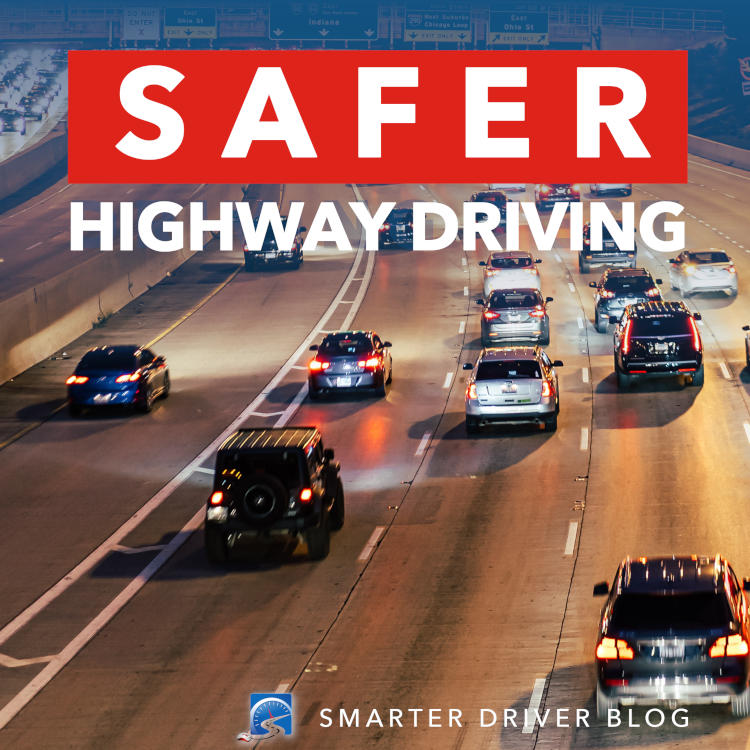
Embarking on your first solo highway journey can be both thrilling and daunting. Unlike city driving, highways demand higher speeds, sharper focus, and an understanding of unique traffic flow. For beginners, mastering this environment is crucial for safety and confidence. Key strategies include proper merging techniques, maintaining a safe following distance, and anticipating the actions of other drivers.
Environmental factors like weather and heavy traffic add layers of complexity. This guide provides essential, practical tips to help you navigate highways smoothly. From reducing anxiety to handling lane changes effectively, these insights will transform your driving experience. Preparedness and calmness are your greatest tools on the open road.
- Essential Highway Driving Tips for Beginners
- Essential Highway Driving Tips for Beginners: A Comprehensive Guide
- Managing Speed and Lane Discipline on Highways
- Maintaining Safe Following Distance and Anticipating Hazards
- Preparing Your Vehicle and Yourself for Highway Trips
- Frequently Asked Questions
Essential Highway Driving Tips for Beginners
Driving on the highway for the first time can be daunting, but mastering a few key techniques will ensure a safe and confident experience. Unlike city streets, highways require sustained higher speeds, constant awareness of merging traffic, and precise lane discipline. Beginners should always start in the right lane, maintain a safe following distance, and check mirrors frequently to anticipate the actions of other drivers.
Before entering the highway, it is crucial to accelerate on the on-ramp to match the flow of traffic, while using your turn signal to merge smoothly. Once on the road, avoid sudden braking or erratic steering, as these behaviors increase the risk of collisions. Practicing in light traffic conditions, such as early weekend mornings, can help build muscle memory and reduce anxiety. Always stay focused, avoid distractions like your phone, and remember that defensive driving is your best tool on long, fast-paced journeys.
You might be interested in this content.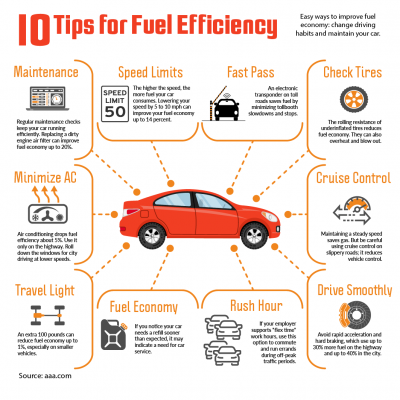 How to Improve Fuel Economy While Driving
Mastering the Merge: How to Enter the Highway Safely
The most critical moment for a beginner is the merge onto the highway. As you drive on the on-ramp, use it as an acceleration lane to match the speed of existing traffic, ideally reaching the posted speed limit before the merge point. Check your mirrors and turn your head to look over your shoulder for your blind spot, a step many new drivers neglect.
Activate your turn signal early to communicate your intention, and avoid coming to a full stop at the end of the ramp unless traffic is completely backed up. If traffic is heavy, look for a gap at least four seconds ahead of you, adjust your speed to fit into that gap, and steer smoothly into the lane. Remember, merging requires cooperation with other drivers, so never force your way in; patience and timing are your allies for a seamless entry.
Lane Discipline and Safe Following Distances
Once on the highway, maintaining proper lane discipline is vital. The right lane is generally for slower traffic and entering/exiting vehicles, while the left lanes are for passing. Beginners should stick to the right lane until they are comfortable with the speed. A common beginner mistake is driving too close to the car ahead, which gives you little time to react.
Apply the three-second rule: pick a fixed object like a sign or a bridge, and when the car in front passes it, count one-thousand-one, one-thousand-two, one-thousand-three. If you reach the object before finishing, you are following too closely. In bad weather, double this gap. Also, avoid traveling alongside large trucks in their blind spots; either pass them decisively or drop back so the driver can see you in their side mirror.
You might be interested in this content. Safe Driving During Heavy Rain
Managing Speed, Night Driving, and Fatigue
Speed management goes beyond simply staying under the limit; it means adjusting to road conditions. On the highway, maintain a steady pace using cruise control on long, empty stretches, but never use it in heavy rain, snow, or on winding roads. For night driving, reduce your speed by 5-10 mph because visibility is limited, and use your high beams only when no traffic is within 500 feet ahead of you.
Fatigue is a major hazard for beginners; long drives can be monotonous, so plan to take a break every two hours or every 100 miles. Signs of drowsiness include drifting between lanes or frequent yawning. If you feel tired, pull over at a rest stop for a 15-minute power nap or switch drivers. Staying hydrated and avoiding heavy meals before driving can also help maintain your focus.
| Tip Category | Key Action | Common Beginner Mistake |
|---|---|---|
| Merging | Use on-ramp to match traffic speed | Slowing down or stopping on the ramp |
| Following Distance | Apply the 3-second rule | Tailgating the car ahead |
| Lane Choice | Stay in the right lane initially | Driving too slowly in the left lane |
| Night Driving | Reduce speed and use high beams safely | Overdriving headlights |
| Fatigue | Take breaks every 2 hours | Ignoring signs of drowsiness |
Essential Highway Driving Tips for Beginners: A Comprehensive Guide
What are essential highway driving tips for beginners?
Essential highway driving tips for beginners focus on preparation, awareness, and smooth vehicle control. Before merging onto a highway, check your mirrors, signal your intention, and accelerate to match the flow of traffic in the merge lane. Maintain a safe following distance of at least three to four seconds behind the vehicle ahead, which gives you enough time to react to sudden stops. Stay in the right lane unless passing, as the left lane is reserved for faster traffic.
Avoid sudden lane changes by always using your turn signal and checking blind spots. Reduce speed gradually when exiting by signaling early and decelerating in the exit lane. Keep your eyes scanning far ahead to anticipate traffic patterns, and minimize distractions such as phone use or eating. Ensure your vehicle is in good condition by checking tire pressure, fuel levels, and fluid levels before long trips.
You might be interested in this content. Best Driving Habits for Vehicle Longevity
Managing Speed and Lane Discipline on Highways
Understanding Speed Limits and Lane Rules
Adhering to posted speed limits is crucial, but beginners should also adjust speed based on weather, traffic density, and road conditions. The right lane is for entering and exiting traffic, as well as for slower vehicles, while the left lane is for passing or faster travel.
Improper lane use, such as lingering in the left lane, can cause congestion and accidents. Always signal lane changes and check mirrors and blind spots twice before moving. Use cruise control on long, straight stretches to maintain a steady speed, but disengage it in heavy traffic or rain.
- Read speed limit signs and adjust your speed accordingly, reducing speed in rain, fog, or construction zones.
- Stay in the right lane unless overtaking a slower vehicle, then return to the right lane after passing.
- Signal at least three seconds before a lane change, and check your side mirror and blind spot each time.
Maintaining Safe Following Distance and Anticipating Hazards
The Three-Second Rule and Hazard Recognition
A safe following distance is your best defense against rear-end collisions. Use a fixed point on the road, like a sign or tree, and when the vehicle ahead passes it, count “one thousand one, one thousand two, one thousand three.”
If you reach the point before finishing the count, you are too close. Increase this gap to five or six seconds in poor weather or when towing a trailer. Additionally, scan the road ahead for brake lights, merging vehicles, or debris. Avoid driving in another vehicle’s blind spot, especially large trucks.
You might be interested in this content.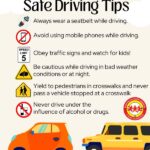 Driving Tips for New Drivers
- Apply the three-second rule in good conditions and extend it to five seconds during rain, snow, or night driving.
- Identify potential hazards early, such as cars slowing suddenly, animals on the shoulder, or construction signs.
- Position your vehicle so you can see the road ahead of the car in front, and avoid pacing alongside other vehicles.
Preparing Your Vehicle and Yourself for Highway Trips
Pre-Drive Checks and Mental Readiness
Before setting out, perform a basic vehicle inspection: check tire pressure and tread depth, ensure all lights work, and verify fluid levels including oil, coolant, and windshield washer fluid.
Plan your route in advance to know which exits and merges to expect, reducing last-minute decisions. Eliminate distractions by putting your phone on silent, setting your GPS before driving, and adjusting mirrors and seat position while parked. Fatigue is a major risk on highways, so take breaks every two hours or share driving duties if possible.
- Inspect tires for proper inflation and visible damage, and check that brake lights and turn signals function.
- Plan your route using a navigation app or map, and familiarize yourself with major junctions and interchanges.
- Ensure you are well-rested, avoid heavy meals before driving, and schedule rest stops every 100 miles or two hours.
Frequently Asked Questions
1. What is the most important thing to remember when merging onto a highway?
The most important rule is to match the speed of highway traffic before merging. Use the acceleration lane to reach the flow speed, typically around 55-70 mph. Check your mirrors and blind spot for a safe gap, then signal and merge smoothly. Never stop or slow down too early on the ramp, as this makes merging dangerous for you and others.
2. How do I maintain a safe following distance on the highway?
Use the three-second rule: pick a fixed object ahead, like a sign, and count seconds after the car in front passes it. If you reach the object before three seconds, you are following too closely. Increase this to four or more seconds in bad weather, at night, or behind large trucks. This gives you reaction time to brake or swerve safely.
You might be interested in this content. Mountain Driving Tips for Canadians
3. What should I do if I miss my highway exit?
Never stop, reverse, or make a sudden lane change to catch the exit. Continue driving to the next exit and safely turn around. Highways are designed with multiple exits, and missing one is common for beginners. Plan your route in advance and stay in the correct lane early. Panicking or risky moves can cause serious accidents.
4. How can I stay alert and avoid fatigue on long highway drives?
Take breaks every two hours or 100 miles to stretch and refresh. Keep the cabin cool and avoid heavy meals before driving. Stay hydrated but avoid sugary drinks that cause energy crashes. If you feel drowsy, pull over at a rest stop for a 15-20 minute nap. Your safety and others depend on staying fully awake and focused.
Leave a Reply