
Tips for Long-Distance Driving
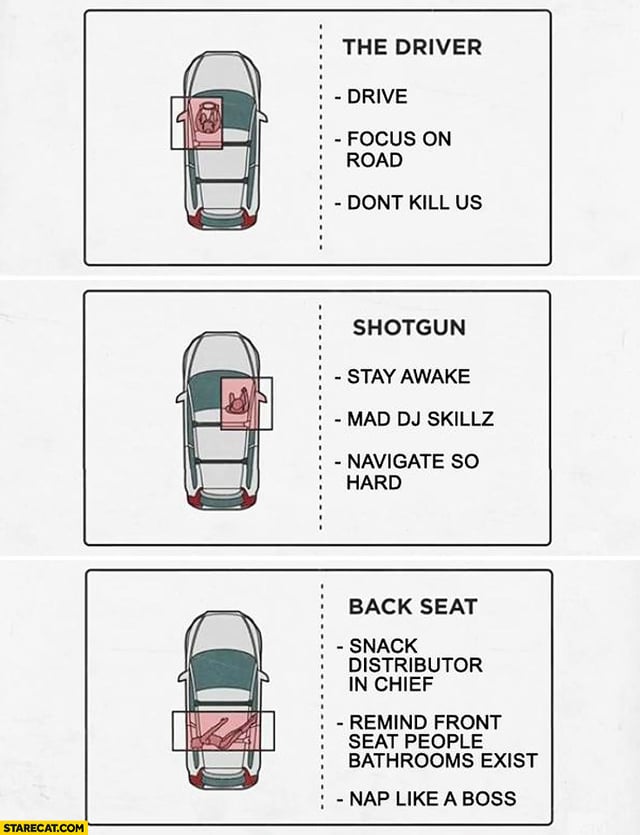
Long-distance driving can be both an adventure and a challenge. Whether you’re planning a cross-country trip or a lengthy commute, preparation is key to ensuring safety, comfort, and enjoyment. Fatigue, monotony, and unexpected road conditions can quickly turn a pleasant journey into a stressful ordeal.
It’s not just about getting from point A to point B; it’s about arriving refreshed and alert. With the right strategies, you can enhance your focus, manage your energy, and handle emergencies effectively. From vehicle checks to mental breaks, these practical tips will help you navigate the miles with confidence and ease.
- Essential Tips for Long-Distance Driving
- Essential Tips for Safe and Efficient Long-Distance Driving
- Pre-Trip Vehicle Preparation and Safety Checks
- Managing Driver Fatigue and Maintaining Alertness
- Optimizing In-Car Comfort and Ergonomics
- What are the best tips for staying alert during long-distance driving?
- Effective In-Car Strategies
- Recognizing and Responding to Danger Signs
- Pre-Trip Preparation and Planning
- In-Car Techniques for Sustained Focus
- Recognizing and Responding to Fatigue
- Frequently Asked Questions
Essential Tips for Long-Distance Driving
Long-distance driving requires careful planning and physical preparation to ensure safety and comfort. Key factors include vehicle maintenance, rest management, and navigation strategies to handle fatigue and unexpected road conditions. Proper hydration and avoiding heavy meals also help maintain alertness during extended trips.
Pre-Trip Vehicle Inspection
Before embarking on a long journey, perform a thorough check of your vehicle. This includes verifying tire pressure and tread depth, checking all fluids (oil, coolant, brake fluid), ensuring brakes and lights function properly, and testing the battery. A pre-trip inspection can prevent breakdowns and keep you safe on remote highways.
Managing Driver Fatigue
Fatigue is a major risk on long drives. To stay alert, take regular breaks every two hours or 100 miles, switch drivers when possible, and avoid driving during your natural sleep hours. Drinking water, listening to engaging audio, and keeping the cabin cool can also help maintain focus.
Plan your route in advance using GPS or maps, noting fuel stations, rest areas, and potential construction zones. Share your itinerary with someone and have backup paper maps. Check traffic updates periodically to avoid delays, especially in unfamiliar areas.
You might be interested in this content. How to Drive an AWD Vehicle Properly
| Tip Category | Key Action | Frequency |
|---|---|---|
| Vehicle Check | Inspect tires, fluids, brakes, and lights | Before each trip |
| Rest Management | Take a 15-minute break or switch drivers | Every 2 hours |
| Route Planning | Check weather, traffic, and fuel stops | Before departure and during breaks |
Essential Tips for Safe and Efficient Long-Distance Driving
What are the most effective tips for safe and comfortable long-distance driving?
Effective long-distance driving requires a combination of vehicle preparation, physical readiness, and mental focus. The most critical tip is to prioritize rest by scheduling breaks every two hours or 100 miles, which prevents fatigue and maintains alertness.
Additionally, adjusting your seat and mirrors for optimal posture reduces strain, while staying hydrated and avoiding heavy meals keeps energy levels stable. It is also vital to plan your route in advance, checking for traffic, weather, and construction delays, and to ensure your vehicle is in top condition with a pre-trip inspection of tires, fluids, and lights.
Pre-Trip Vehicle Preparation and Safety Checks
Essential inspections to ensure your car is road-ready for a long journey
Before departing, a thorough vehicle check is non-negotiable for both safety and comfort. Begin by examining the tire pressure and tread depth, including the spare tire, as underinflated or worn tires increase the risk of blowouts and reduce fuel efficiency. Next, verify all fluid levels, including engine oil, coolant, brake fluid, and windshield washer fluid, topping off as needed.
Check that all lights, such as headlights, taillights, brake lights, and turn signals, are functioning properly. Finally, ensure your windshield wipers are in good condition and that your air conditioning and heating systems work to maintain a comfortable cabin temperature.
- Inspect tire pressure, tread wear, and spare tire condition before every trip.
- Check and top off all vehicle fluids, including oil, coolant, brake, and washer fluid.
- Test all exterior lights and signals, replacing any burnt-out bulbs immediately.
- Confirm that wiper blades, climate control, and seat adjustments are fully operational.
Managing Driver Fatigue and Maintaining Alertness
Strategies to stay awake and focused during extended hours behind the wheel
Driver fatigue is one of the leading causes of long-distance accidents, so combating it is essential. The most effective approach is to adhere to the 20-20-20 rule: every 20 minutes, look at something 20 feet away for 20 seconds to reduce eye strain.
Schedule a mandatory 15-minute break every two hours to stretch, walk around, and get fresh air, which re-energizes the body and mind. Avoid relying solely on caffeine, as it can lead to a crash later; instead, pair it with a light snack like nuts or fruit. If you feel drowsy, pull over immediately at a rest stop for a 20-minute power nap, as no destination is worth the risk of driving while impaired.
You might be interested in this content. Common Driving Mistakes to Avoid
- Take a 15-minute break every two hours or 100 miles to stretch and rest your eyes.
- Use the 20-20-20 rule to reduce eye fatigue by looking away from the road periodically.
- Consume light, healthy snacks and stay hydrated, but avoid heavy, greasy meals.
- Power nap for 20 minutes at a safe rest area if drowsiness occurs, never fight it.
Optimizing In-Car Comfort and Ergonomics
Adjustments and accessories that reduce physical strain and enhance the driving experience
Comfort directly impacts safety, as discomfort can lead to distraction and muscle fatigue. Start by adjusting your seat so that your knees are slightly bent when pressing the pedals and your wrists can rest on top of the steering wheel when arms are extended.
Position your lumbar support to maintain the natural curve of your lower back, and set the steering wheel tilt to allow relaxed shoulders. Use cruise control on highways to give your right leg a break, but remain attentive. Wear comfortable, non-restrictive clothing and supportive shoes, and use a cushioned seat pad or a neck pillow for additional support on long stretches. Keeping the cabin at a moderate temperature between 68 and 72 degrees Fahrenheit helps prevent drowsiness.
- Adjust the seat so your legs are slightly bent and wrists touch the top of the steering wheel.
- Set lumbar support and steering wheel position to maintain relaxed, neutral posture.
- Use cruise control on open roads to reduce leg fatigue, but stay fully engaged.
- Wear soft clothing and supportive shoes, and adjust cabin temperature to avoid drowsiness.
What are the best tips for staying alert during long-distance driving?
Essential Physical Preparation for Long Drives
Pre-Drive Rest and Nutrition
The foundation of staying alert on a long journey is laid before you even start the engine. Fatigue is a primary cause of reduced alertness, and it can be significantly mitigated by starting your trip well-rested. Consuming a heavy, greasy meal immediately before driving can divert blood flow to your digestive system, making you feel sluggish. Instead, focus on light, balanced nutrition and ensure you have had adequate sleep in the preceding 24 hours, ideally 7 to 8 hours.
- Aim for at least 7 hours of quality sleep the night before your drive.
- Eat a light meal high in protein and low in simple carbohydrates, such as eggs, nuts, or yogurt, before departing.
- Avoid alcohol entirely for at least 12 hours before driving, as even trace amounts can amplify fatigue.
Effective In-Car Strategies
Structuring Breaks and Introducing Stimuli
Once on the road, your environment and behavior inside the vehicle play a crucial role in maintaining wakefulness. The monotony of a long, straight highway can induce a hypnotic state. To combat this, plan to stop every two hours or every 100 miles, even if you do not feel tired. Use these breaks to get out of the car, stretch your legs, and change your physical position. Additionally, introducing varying stimuli inside the cabin can help keep your brain engaged.
- Schedule a 15-minute break every two hours; use this time for light physical activity like walking or stretching.
- Adjust your car's temperature to be cool, between 65 and 70 degrees Fahrenheit, as warmth promotes drowsiness.
- Listen to engaging audio like podcasts, audiobooks, or talk radio, rather than monotonous music that can have a lulling effect.
Recognizing and Responding to Danger Signs
Identifying Microsleeps and Fatigue Symptoms
The most dangerous state for a long-distance driver is when they begin to experience microsleeps—brief, involuntary lapses in consciousness that can last for a few seconds. These are a clear indication that your body is overriding your will to stay awake. It is critical to recognize the early warning signs before this point, such as persistent yawning, drifting between lanes, missing exits, or having trouble keeping your head upright. Attempting to push through these symptoms is extremely risky.
- If you find yourself yawning repeatedly or rubbing your eyes frequently, take it as a strong signal to stop immediately.
- If you struggle to remember the last few miles you have driven, you have likely experienced a dangerous attention lapse.
- Upon noticing any fatigue symptom, find a safe rest stop or service area immediately; a 20-minute power nap is far safer than continuing to drive.
What are the best strategies for staying alert and safe during long-distance solo driving?
The best strategies for staying alert and safe during long-distance solo driving focus on proactive planning, physical well-being, and environmental management to reduce fatigue and maintain concentration.
You might be interested in this content. Driving Tips for New Drivers
Pre-Trip Preparation and Planning
Optimizing your journey before you start
This strategy involves scheduling your departure time to align with your natural peak alertness periods, such as early morning after a full night's sleep. It also includes mapping out rest stops at regular intervals, typically every two hours or 100 miles. Proper vehicle preparation, such as checking tire pressure, fluid levels, and ensuring the cabin is clutter-free, minimizes distractions and mechanical concerns.
- Plan your route to include designated rest areas, truck stops, or service stations at least every two hours.
- Inform a trusted contact of your route, estimated arrival time, and check-in points.
- Ensure your vehicle's interior is clean, with easily accessible snacks, water, and phone charger within arm's reach.
In-Car Techniques for Sustained Focus
Managing alertness while driving
Structuring breaks and using audio tools
Once on the road, use techniques to combat monotony and fatigue. This includes varying your speed slightly within legal limits, adjusting seat position periodically, and opening a window for fresh air. Listening to engaging, non-sleep-inducing audio such as podcasts, talk radio, or audiobooks can keep your mind active. However, avoid overly complex or hypnotic content.
- Take a 15-minute break every two hours to walk, stretch, and expose yourself to daylight.
- Use a caffeine nap strategy: drink a caffeinated beverage and immediately nap for no more than 20 minutes before starting to drive again.
- Engage in mental activities like naming road signs in reverse order or reciting the alphabet backwards to maintain cognitive engagement.
Recognizing and Responding to Fatigue
Identifying warning signs and taking decisive action
Corrective measures when drowsiness occurs
Knowing the early signs of driver fatigue, such as repeated yawning, drifting between lanes, or difficulty focusing, is critical. The only safe response to significant drowsiness is to stop driving immediately at a safe location, not on the shoulder. Short-term tactics like slapping your own face or turning up the music are insufficient and dangerous.
- At the first sign of significant drowsiness, pull into a rest area, truck stop, or hotel parking lot, not onto the shoulder of the highway.
- If unable to safely reach a rest stop, activate hazard lights, pull onto a wide shoulder away from traffic, and call for assistance if needed.
- If time permits, take a 30-minute nap in a locked vehicle, then walk around for 15 minutes before resuming driving.
Frequently Asked Questions
How can I prevent fatigue during a long-distance drive?
To combat fatigue, schedule breaks every two hours or 100 miles to stretch and refresh. Avoid driving during your natural sleep hours, and stay hydrated by drinking water instead of sugary drinks. Caffeine can offer a short-term boost but plan for a 15-20 minute nap if drowsy. Keep the cabin cool and well-ventilated, and consider listening to engaging podcasts or audiobooks to stay alert without distraction.
What essential items should I pack for a long road trip?
Pack an emergency kit including jumper cables, a flashlight with extra batteries, a first-aid kit, and basic tools. Bring water, non-perishable snacks, and a charged power bank for devices. Include a physical map or GPS backup in case of signal loss, along with a blanket and warm layers for unexpected weather. Don't forget sunglasses, sunscreen, and any necessary medications to ensure comfort during extended hours on the road.
How do I maintain focus and safety on monotonous highways?
Break long stretches by changing lanes occasionally or taking different routes to reset concentration. Use cruise control at a steady speed but stay engaged by scanning mirrors and checking blind spots regularly. Avoid multitasking like eating while driving; instead, take full breaks for meals. Keep eyes moving between the road ahead, side mirrors, and the dashboard, and shift body position periodically to prevent stiffness.
You might be interested in this content. Highway Driving Tips for Beginners
What should I do if I encounter severe weather while driving?
Reduce speed gradually and turn on headlights or fog lights for visibility. If rain is heavy, pull over safely to a rest area or parking lot until it passes—never stop on a highway shoulder. In snow or ice, avoid sudden braking or sharp turns; pump brakes gently if not equipped with anti-lock brakes. Check weather forecasts before the trip, and consider delaying if conditions are extreme, as safety always takes priority over schedule.
Leave a Reply