
Why Does My Car Leak Fluids?
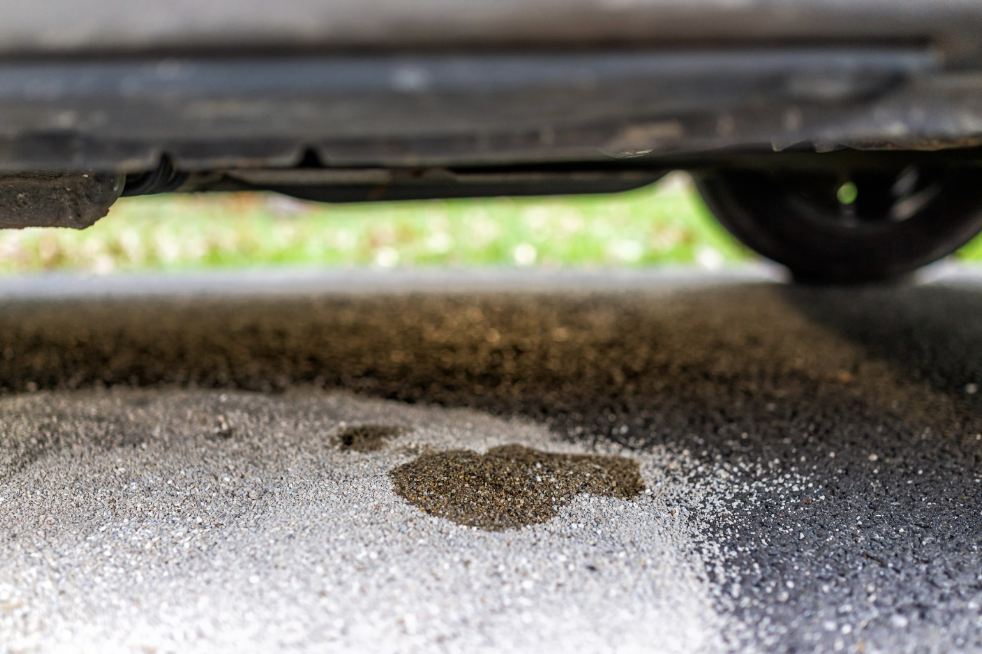
Noticing a puddle of fluid under your car can be alarming, but it’s often a clue pointing to a specific mechanical issue. Vehicles rely on several essential fluids—engine oil, coolant, brake fluid, transmission fluid, power steering fluid, and even windshield washer fluid—each housed in separate systems with unique seals and hoses.
Leaks occur when these components wear out, crack, or become loose over time, causing fluids to escape. By identifying the color, consistency, and location of the leak, you can often pinpoint the problem before it leads to costly damage or safety risks. Understanding these signs helps maintain your car’s health and your peace of mind.
Why Does My Car Leak Fluids?
Your car relies on several essential fluids to operate smoothly, and a leak is often the first sign that something is wrong. These leaks can stem from worn seals, loose connections, damaged hoses, or corrosion in the system.
Identifying the fluid’s color, consistency, and location helps pinpoint the problem—whether it’s engine oil, coolant, brake fluid, power steering fluid, or transmission fluid. Ignoring a leak can lead to serious mechanical damage, reduced performance, or even safety hazards, so it’s crucial to address them promptly.
You might be interested in this content. Most Common SUV Problems
1. Common Causes of Oil Leaks
Oil leaks are among the most frequent fluid issues, typically resulting from a worn-out oil pan gasket, a damaged oil filter, or a loose drain plug. Over time, high engine heat can cause seals to harden and crack, allowing oil to seep out.
You may notice dark brown or black puddles under the front of your car, often accompanied by a burning smell. Check for leaks around the valve cover gasket or oil filler cap, as these are common failure points. If left unchecked, low oil levels can lead to engine overheating or catastrophic failure.
2. Coolant Leaks and Their Origins
Coolant leaks, visible as bright green, orange, or pink puddles under the radiator area, often indicate a problem with the radiator, hoses, water pump, or thermostat housing. A cracked radiator or loose hose clamp can allow coolant to escape, while a failing water pump may drip from the weep hole.
Overheating is the primary risk, as inadequate coolant reduces the engine’s ability to regulate temperature. Signs include a sweet smell, steam from the hood, or a low coolant warning light. Inspecting hoses for cracks and tightening connections can catch leaks early.
You might be interested in this content. Kia Rio Check Engine Light: What It Means, Causes, and Fixes
3. Brake and Transmission Fluid Leaks
Brake fluid leaks are safety-critical and appear as clear to light-brown puddles near the wheels or under the master cylinder. Worn brake lines, a leaking caliper, or a failing master cylinder gasket are typical causes, leading to a spongy brake pedal or reduced stopping power.
Transmission fluid leaks, usually red or brown, often stem from a damaged pan gasket, loose drain plug, or worn transmission cooler lines. These leaks can cause slipping gears or delayed shifting. Both require immediate attention to prevent brake failure or transmission damage.
| Fluid Type | Color | Common Leak Location | Primary Cause |
|---|---|---|---|
| Engine Oil | Dark brown/black | Under engine (front/middle) | Worn gasket or loose drain plug |
| Coolant | Green, orange, or pink | Radiator or front of engine | Cracked radiator or hose |
| Brake Fluid | Clear to light brown | Near wheels or master cylinder | Leaking caliper or brake line |
| Transmission Fluid | Red or brown | Under car center/front | Damaged pan gasket or cooler line |
| Power Steering Fluid | Clear, amber, or red | Near steering rack or pump | Worn hose or pump seal |
Common Causes of Car Fluid Leaks and How to Identify Them
Is a yellow fluid leak from your car safe to drive with?
A yellow fluid leak from your car is not safe to drive with. Yellow fluid typically indicates a coolant leak (antifreeze), which is toxic to humans and animals, often has a sweet smell, and can cause your engine to overheat rapidly, leading to severe damage or fire.
Driving with low coolant levels can result in engine failure, so you should stop the vehicle, check the fluid level, and call for roadside assistance or tow the car to a mechanic immediately.
You might be interested in this content.Kia Rio Engine Problems: What We Should Know Before Buying, Driving, or Repairing OneWhat Does a Yellow Fluid Leak Mean for Your Engine
Identifying the Source of the Yellow Leak
Yellow fluid leaks are most commonly coolant (antifreeze) from the radiator, hoses, or water pump, but they can also be windshield washer fluid. Coolant is critical for regulating engine temperature. A leak reduces coolant volume, causing the engine to run hot, potentially warping components or blowing the head gasket. Driving even a short distance with low coolant can cause irreversible engine damage.
- Check the color and consistency: Coolant is often bright yellow, green, or orange and feels oily or slippery, while washer fluid is thinner and water-like.
- Inspect for drips under the front of the car, especially after it has cooled, to locate the source.
- Do not drive if the coolant level is significantly low; instead, have the vehicle inspected for hose cracks, radiator leaks, or a faulty water pump.
Health and Environmental Risks of Driving with a Yellow Leak
Toxicity of Antifreeze and Safety Concerns
Coolant contains ethylene glycol, which is highly toxic if ingested by pets or humans. A yellow leak on the ground poses a poisoning risk. Additionally, coolant vapors can be inhaled inside the cabin. Driving with such a leak also risks a sudden loss of engine cooling, leading to steam or smoke, and potential exposure to hazardous fumes if the coolant contacts hot engine parts.
- Keep pets and children away from the leak; clean it immediately with absorbent materials.
- If you smell a sweet odor inside the car or see steam, stop and turn off the engine to avoid inhaling toxic vapors.
- Do not operate the vehicle in an enclosed space, such as a garage, as fumes can accumulate.
Immediate Steps to Take When You Notice a Yellow Leak
How to Safely Respond and Seek Help
When you detect a yellow fluid leak, do not assume it is minor. First, park on a level surface, let the engine cool for 30 minutes, and locate the fluid. Check the radiator coolant reservoir level visually.
If it is below the minimum mark or empty, you cannot safely drive. Call a tow truck or roadside assistance. Driving may cause overheating, which can lead to a cracked engine block or fire.
You might be interested in this content. Tips for Long-Distance Driving
- Turn off the engine and avoid opening the radiator cap while hot—it can cause serious burns from pressurized steam.
- If you must move the car a short distance, refill with the appropriate coolant type from a bottle, but only as a temporary measure.
- Inform the mechanic about the leak location and color so they can diagnose and fix the issue promptly.
Frequently Asked Questions
What are the most common reasons for a car leaking fluid?
The most common cause is an oil leak, often from a worn valve cover gasket, oil pan gasket, or drain plug. Coolant leaks, usually due to a failing radiator, water pump, or loose hose clamp, are also frequent.
Transmission fluid leaks often come from a damaged pan gasket or worn seals. Power steering fluid and brake fluid leaks typically occur from compromised hoses or connections. Each fluid has a distinct color and consistency, helping identify the specific problem quickly.
How can I identify which fluid is leaking from my car?
To identify the fluid, place a clean piece of cardboard under the leak overnight. Check the color, consistency, and smell. Clear or light yellow is usually water from AC condensation.
Brown or black is oil. Red or pink is transmission or power steering fluid. Green, orange, or yellow is coolant. Clear or amber with an oily feel is brake fluid. Each requires different repair approaches to prevent serious damage.
You might be interested in this content. Common Steering Problems and Fixes
Is it safe to drive if my car is leaking fluid?
Driving with a fluid leak is risky unless you've identified it as harmless condensation. Brake fluid or power steering leaks reduce control and are unsafe. Oil or coolant leaks can quickly damage the engine.
If you see a puddle, check the fluid levels and drive only to a nearby mechanic. For transmission or brake leaks, have the car towed immediately. Delaying repairs can lead to costly breakdowns or dangerous accidents on the road.
Can small fluid leaks eventually become major problems?
Yes, small leaks rarely fix themselves. A minor oil seep can become a significant gasket failure, leading to low oil pressure and engine seizure. A tiny coolant drip from a hose crack may cause overheating and head gasket damage.
Even a slow transmission leak can burn out the transmission. Catching leaks early saves money on repairs and prevents stranded situations. Regular inspections under the car help detect these issues before they escalate.
You might be interested in this content. Most Common Transmission Problems
Leave a Reply