
Nissan Kicks Maintenance Schedule Canada: Complete Service Guide

Owning a Nissan Kicks in Canada is refreshingly straightforward. It is compact enough for crowded city streets, economical enough for long commutes, and practical enough to deal with grocery runs, weekend escapes, and the occasional snow-covered morning. Still, even a dependable crossover needs regular attention. Following the right Nissan Kicks maintenance schedule in Canada can mean the difference between years of predictable driving and a surprise repair bill arriving like an unwelcome guest.
The tricky part is that there is no single maintenance interval that applies perfectly to every Kicks ever sold in Canada. Service requirements can vary by model year, drivetrain, driving conditions, and even whether you own a regular Kicks or a Kicks Play. Nissan Canada therefore recommends checking the maintenance schedule specific to your model, configuration, mileage, and driving conditions.
As a useful modern reference point, Nissan Canada's schedule for the 2025 Nissan Kicks calls for engine oil and filter replacement every 16,000 km or 12 months, while tire rotation is recommended every 8,000 km or six months. Other services arrive at different mileage and time intervals.
Let's break everything down in plain English.
- Why the Nissan Kicks Maintenance Schedule Matters in Canada
- Nissan Kicks Maintenance Schedule Canada at a Glance
- Every 8,000 KM or Six Months
- Every 16,000 KM or 12 Months
- Every 24,000 KM or 18 Months
- Every 32,000 KM or 24 Months
- Around 48,000 KM
- Around 64,000 KM
- Around 80,000 KM
- 96,000 KM or 72 Months
- What Counts as Severe Driving in Canada?
- Nissan Kicks Winter Maintenance Schedule
- Nissan Kicks Oil Change Interval in Canada
- Nissan Kicks Tire Rotation Schedule
- Nissan Kicks Brake Maintenance
- Nissan Kicks CVT Maintenance Schedule
- How Much Does Nissan Kicks Maintenance Cost in Canada?
- Dealer Service vs Independent Mechanic
- How to Find the Exact Nissan Kicks Maintenance Schedule
- Maintenance Mistakes Nissan Kicks Owners Should Avoid
- A Simple Nissan Kicks Maintenance Routine for Canadian Owners
- Can Regular Maintenance Make a Nissan Kicks Last Longer?
- Is the Nissan Kicks Expensive to Maintain?
- Final Thoughts on the Nissan Kicks Maintenance Schedule Canada
- Frequently Asked Questions
Why the Nissan Kicks Maintenance Schedule Matters in Canada
We sometimes think of maintenance as something we do simply because the owner's manual tells us to. In reality, preventative maintenance protects several things at once: reliability, fuel efficiency, safety, resale value, and potentially warranty coverage.
Canadian driving can also be demanding. A Kicks travelling through Vancouver's rain experiences a very different life from one facing January mornings in Winnipeg or stop-and-go commuting through Toronto.
Cold temperatures can stress the battery. Road salt attacks exposed metal. Potholes punish suspension components. Winter tires create seasonal rotation needs. Short trips may prevent the engine from reaching full operating temperature.
In other words, Canada can turn ordinary driving into something closer to an endurance test.
Nissan Canada notes that preventative maintenance helps vehicles continue performing properly and can also be important for meeting applicable warranty requirements.
Nissan Kicks Maintenance Schedule Canada at a Glance
For a 2025 Nissan Kicks, several key Nissan Canada intervals provide a practical framework:
| Maintenance Item | Typical 2025 Kicks Interval |
|---|---|
| Tire rotation | Every 8,000 km or 6 months |
| Engine oil and filter | Every 16,000 km or 12 months |
| Brake inspection | Every 16,000 km or 12 months under standard use |
| Cabin air filter | Every 24,000 km or 18 months |
| Brake fluid | Every 32,000 km or 24 months under standard use |
| CVT fluid replacement | Every 96,000 km or 72 months |
| AWD coupling oil | Inspect every 16,000 km; severe-use replacement may apply at 32,000 km |
These figures should not be blindly applied to every Kicks model year. Nissan's online maintenance system allows owners to choose the year and trim or enter a VIN because requirements can differ between versions.
A Special Note About the Nissan Kicks Play
This distinction matters more than many owners realize.
For example, Nissan Canada's published schedule for the 2025 Kicks Play lists engine oil and filter replacement at 12,000 km or six months under standard driving and 8,000 km or six months under severe driving. That differs substantially from the regular 2025 Kicks interval of 16,000 km or 12 months.
So when somebody tells us, "Every Nissan Kicks needs an oil change at exactly X kilometres," we should be cautious.
The model year and exact vehicle matter.
Every 8,000 KM or Six Months
The 8,000-km point is a useful checkpoint even when the engine oil itself does not yet require replacement on certain newer Kicks models.
Rotate the Tires
Nissan Canada's 2025 Kicks schedule specifies tire rotation every 8,000 km or six months under both standard and severe driving conditions.
Why so frequently?
Front tires and rear tires don't necessarily wear at the same rate. Steering, braking and drivetrain forces distribute wear unevenly. Regular rotation moves each tire through different positions so the tread wears more consistently.
Think of it like rotating shoes rather than wearing the same pair every day. Spread the workload and everything lasts longer.
Check the Tires While They're Off
A rotation appointment gives us an ideal opportunity to inspect:
- Tread depth and uneven wear
- Nails or embedded debris
- Sidewall cracking or bulges
- Tire pressure
- Wheel damage
- Alignment-related wear
Canadian potholes make this particularly worthwhile.
Check Fluid Levels
Even if nothing requires replacement at 8,000 km, periodically inspecting fluid levels remains sensible.
That includes engine oil, coolant, windshield washer fluid and brake fluid.
Canadian drivers may empty windshield washer reservoirs surprisingly quickly during a salty, slushy winter.
Every 16,000 KM or 12 Months
For the regular 2025 Nissan Kicks, 16,000 km or one year is a major recurring maintenance milestone.
Change Engine Oil and Filter
Nissan Canada's schedule calls for engine oil and filter replacement every 16,000 km or 12 months on the 2025 Kicks under both standard and severe driving classifications.
Oil is the bloodstream of the engine.
It lubricates moving components, carries heat away and suspends contaminants. Meanwhile, the oil filter captures debris before it can endlessly circulate through the engine.
Over time, oil loses some of its protective properties. Waiting too long is a little like trying to run a marathon while wearing yesterday's muddy socks: technically possible for a while, but hardly ideal.
Nissan Canada also recommends checking engine oil levels regularly rather than simply waiting until the next service appointment.
Inspect Brakes
For the 2025 Kicks, Nissan lists inspection of the brake pads and rotors every 16,000 km or 12 months under standard conditions and every 8,000 km or six months under severe conditions.
A brake inspection may examine:
You might be interested in this content. Vehicle Maintenance Schedule Explained
- Brake pad thickness
- Rotor condition
- Uneven wear
- Calipers
- Fluid leaks
- Brake hoses
- Unusual noise or vibration
Winter corrosion makes brake inspection especially relevant in provinces where road salt is heavily used.
Inspect the CVT Fluid
The Nissan Kicks uses a continuously variable transmission on relevant Canadian gasoline models, and transmission care should never be treated as an afterthought.
For the 2025 Kicks, Nissan lists CVT fluid inspection every 16,000 km or 12 months.
An inspection can help identify leaks or deterioration before they develop into something considerably more expensive.
Every 24,000 KM or 18 Months
Replace the Cabin Air Filter
Nissan Canada's published interval for the 2025 Kicks cabin microfilter is 24,000 km or 18 months. Nissan also notes that dusty operation may justify more frequent replacement.
The cabin filter catches airborne contaminants before air enters the interior through the climate-control system.
When it becomes clogged, we may notice:
- Weak airflow
- More dust inside the cabin
- Musty smells
- Reduced defrosting effectiveness
- A blower fan working harder than normal
A cabin filter is small and relatively inexpensive, yet it can make a noticeable difference in everyday comfort.
Every 32,000 KM or 24 Months
Once the odometer moves into the 30,000-km range, maintenance starts involving more than routine oil changes and tire rotations.
Replace Brake Fluid
For the 2025 Nissan Kicks under normal driving conditions, Nissan Canada lists brake-fluid replacement every 32,000 km or 24 months. Under severe conditions, the published interval is 16,000 km or 12 months.
Brake fluid gradually absorbs moisture.
That moisture can reduce the fluid's performance and contribute to internal corrosion. Because brakes depend on hydraulic pressure, clean fluid matters more than many owners assume.
We cannot judge brake fluid reliably simply by glancing at the reservoir and saying, "Looks fine."
Age matters too.
AWD Owners Need an Additional Check
The newer Kicks can be equipped with all-wheel drive, adding drivetrain hardware that front-wheel-drive models do not have.
For the AWD 2025 Kicks, Nissan's maintenance information lists coupling-oil inspection every 16,000 km or 12 months, with replacement every 32,000 km or 24 months under severe driving conditions.
That is an important difference when comparing FWD and AWD maintenance costs.
Around 48,000 KM
By 48,000 km, we have likely completed several tire rotations and multiple annual inspections.
This is a good stage to pay closer attention to wear-related components.
Inspect the Suspension and Steering
Canadian roads are not always kind.
Repeated pothole impacts can affect:
- Ball joints
- Tie rods
- Bushings
- Struts
- Shock absorbers
- Wheel alignment
Warning signs include clunking noises, uneven tire wear, wandering steering or excessive bouncing.
Examine the Engine Air Filter
Unlike fluid changes that may follow a strict mileage interval, air-filter life can depend heavily on environment.
Driving frequently through construction zones, dusty rural roads or wildfire-smoke conditions can accelerate contamination.
A restricted engine air filter can reduce airflow and eventually affect engine performance.
Around 64,000 KM
At roughly 64,000 km, the vehicle has moved well beyond its early-life phase.
This is where consistency starts paying dividends.
A Kicks that has received routine oil changes, brake checks, tire rotations and fluid inspections should generally be much easier to evaluate than one with a blank service history.
Inspect the Battery Carefully
Canadian winters expose marginal batteries quickly.
Even if the engine starts normally during summer, a weakened 12-volt battery can struggle as temperatures fall.
Watch for:
- Slow cranking
- Flickering lights during startup
- Electrical glitches
- Repeated jump starts
- Corrosion around terminals
Battery testing before winter is inexpensive insurance against standing beside a silent Kicks on a freezing January morning.
Around 80,000 KM
At this point, wear items may begin demanding more attention depending on driving habits.
You might be interested in this content. How Often Should You Change Your Oil?
Check Brake Wear Rather Than Assuming a Fixed Replacement Mileage
Brake pads do not have a universal replacement interval.
A driver who spends every morning creeping through Toronto traffic may wear brakes faster than someone cruising long stretches of highway in Saskatchewan.
Instead of replacing them at an arbitrary number, let inspections guide the decision.
Look at Tire Age as Well as Tread
A tire can still have tread and be aging.
Check the manufacturing date and inspect for cracking, hardening or damage.
Canadian winter tires are especially important because cold-weather grip depends not only on tread depth but also on rubber condition.
96,000 KM or 72 Months
Here we reach one of the bigger drivetrain milestones.
Replace the CVT Fluid
Nissan Canada lists CVT fluid replacement every 96,000 km or 72 months for the 2025 Kicks, alongside the recurring 16,000-km inspections.
CVT fluid performs several jobs at once. It transfers hydraulic pressure, lubricates components and helps manage heat and friction inside the transmission.
Ignoring it because "the transmission still feels fine" is poor logic.
Maintenance is supposed to happen before failure announces itself.
Why CVT Maintenance Deserves Attention
Transmission repairs can be expensive. Fluid servicing is much cheaper than replacing major internal components.
If the vehicle regularly sees severe use, mountain driving, extreme temperatures or heavy urban congestion, following inspection requirements carefully becomes even more important.
What Counts as Severe Driving in Canada?
This question matters because "severe use" sounds dramatic.
We imagine towing through the Rockies during a snowstorm.
In reality, everyday habits can create demanding operating conditions.
Frequent short trips, stop-and-go traffic, dusty roads, prolonged idling and harsh climates may all place additional stress on vehicle components.
Canadian owners should therefore consider their real usage rather than assuming that "normal driving" automatically describes them.
Short Trips Can Be Surprisingly Hard on a Car
Suppose we drive five kilometres to work every morning.
The mileage seems low, so we assume the vehicle is living an easy life.
Not necessarily.
Short trips may involve repeated cold starts without enough running time for the engine and fluids to remain fully warmed for long periods.
Low mileage does not always mean low stress.
Nissan Kicks Winter Maintenance Schedule
Winter deserves its own maintenance strategy in Canada.
Before Winter
A sensible pre-winter check should cover:
- Battery health
- Winter tire installation
- Tire pressure
- Coolant protection
- Heater operation
- Wiper blades
- Windshield washer fluid
- Exterior lighting
- Brake condition
Cold weather tends to expose marginal components rapidly.
During Winter
Wash the vehicle periodically, particularly underneath.
Road salt behaves like an invisible tax collector. It may not demand payment today, but corrosion eventually sends the bill.
Keeping wheel wells and the underbody reasonably clean can help limit salt accumulation.
After Winter
Spring is the ideal time for:
- Changing from winter tires
- Checking alignment
- Inspecting suspension
- Looking for corrosion
- Inspecting brakes
- Repairing paint chips
Pothole season can turn February into a suspension durability experiment.
Nissan Kicks Oil Change Interval in Canada
Oil-change questions generate more confusion than almost any other part of the schedule.
For the regular 2025 Kicks, Nissan Canada specifies 16,000 km or 12 months.
You might be interested in this content.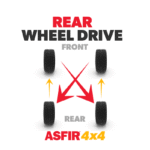 Tire Rotation Guide for Canadian Drivers
But the 2025 Kicks Play uses different intervals, including 12,000 km/six months under standard use and 8,000 km/six months under severe use.
Older model years may also differ.
Therefore, the smartest answer to "How often should we change the oil in a Nissan Kicks?" is:
Follow the schedule for the exact model year, trim and Canadian-market vehicle you own.
Should We Change Oil Earlier Than Nissan Recommends?
There is generally no harm in performing maintenance somewhat earlier, but unnecessarily frequent oil changes add cost and waste.
Drivers operating under unusually harsh conditions may choose a conservative interval. What matters most is avoiding intervals longer than the applicable manufacturer requirement.
Nissan Kicks Tire Rotation Schedule
For the 2025 Kicks, Nissan Canada recommends rotating tires every 8,000 km or six months.
Conveniently, this often lines up reasonably well with seasonal tire changes in Canada.
We can use each winter/summer tire swap as an opportunity to:
- Inspect tread wear
- Check pressure
- Look for damage
- Inspect brakes
- Confirm wheel torque
- Evaluate alignment
It turns a simple tire swap into a quick health check.
Nissan Kicks Brake Maintenance
Brakes require inspection rather than a fixed pad-replacement schedule.
The 2025 Kicks schedule calls for brake pad and rotor inspection every 16,000 km under standard conditions, or 8,000 km under severe conditions.
Brake fluid follows a separate schedule.
Warning Signs That Brakes Need Attention Early
Do not wait for the next scheduled service if you notice:
- Grinding
- Squealing
- Pulsation
- Steering-wheel vibration when braking
- A soft pedal
- Vehicle pulling under braking
- Brake warning lights
Maintenance schedules are a baseline, not permission to ignore symptoms.
Nissan Kicks CVT Maintenance Schedule
The CVT is one of the components owners frequently misunderstand.
For the 2025 Canadian Kicks schedule, Nissan indicates inspection every 16,000 km or 12 months and replacement at 96,000 km or 72 months.
Using the correct transmission fluid is critical. CVTs rely on specific friction and hydraulic characteristics.
This is not the place to experiment with whichever bottle happens to be on sale.
How Much Does Nissan Kicks Maintenance Cost in Canada?
There is no single annual figure because labour rates, province, dealer pricing and replacement parts vary.
Routine maintenance generally consists of predictable items such as:
- Oil and filter
- Tire rotation
- Cabin filter
- Brake-fluid service
- Brake inspection
- Transmission service
- Wiper blades
- Tires
- Battery
Costs usually rise as the vehicle ages because wear components begin joining the routine service list.
A basic oil service during the first few years is one thing. A later appointment involving brakes, tires, fluids and suspension work can be quite another.
The best strategy is to budget gradually rather than treating maintenance bills as emergencies.
Dealer Service vs Independent Mechanic
Do we need to visit a Nissan dealership for every service?
Many owners use independent repair shops for routine work, while others prefer dealership service for convenience, brand-specific expertise, software-related work and warranty documentation.
Whichever route we choose, accurate records matter.
Keep:
- Invoices
- Dates
- Mileage
- Parts used
- Oil specifications
- Inspection reports
A thick folder of maintenance receipts may look boring, but when selling the vehicle it suddenly becomes persuasive evidence that the Kicks was cared for properly.
How to Find the Exact Nissan Kicks Maintenance Schedule
Nissan Canada provides a maintenance schedule finder that can personalize service requirements according to model, configuration, mileage and driving conditions. Owners can also access manuals by selecting their model and model year.
For newer vehicles, entering the VIN is particularly useful because it removes ambiguity about configuration.
Why the VIN-Based Schedule Is Better Than a Generic Chart
A generic article—including this one—can explain the maintenance pattern.
Your VIN can identify the exact vehicle.
You might be interested in this content. Mazda CX-5 Maintenance Schedule Canada: The Complete Service Guide
That distinction becomes important when drivetrain, model year or trim affects service requirements.
Maintenance Mistakes Nissan Kicks Owners Should Avoid
Several mistakes can quietly shorten the useful life of a vehicle.
The biggest ones are delaying oil changes, ignoring CVT servicing, driving with low tire pressure, skipping brake-fluid changes and assuming low mileage eliminates the need for time-based maintenance.
Another mistake is waiting until something "feels wrong."
Cars are extremely good at hiding developing problems.
A fluid may degrade without producing a dashboard warning. Brake pads can become thin without changing pedal feel. Alignment can drift gradually enough that we adapt to it.
Preventative maintenance catches boring problems while they are still boring.
That is exactly what we want.
A Simple Nissan Kicks Maintenance Routine for Canadian Owners
We do not need to memorize a massive service chart.
Instead, build a simple rhythm:
- Every month: Check tire pressure, fluids, lights and visible tire condition.
- Every 8,000 km or six months: Rotate tires and inspect wear-related components.
- At the applicable oil interval: Replace engine oil and filter according to the exact model-year schedule.
- Every year: Perform a broader inspection of brakes, drivetrain, steering and suspension.
- Every two years: Pay special attention to scheduled fluid replacements such as brake fluid where applicable.
- At higher mileage: Follow the specified CVT and drivetrain fluid requirements rather than postponing them indefinitely.
- Before every Canadian winter: Test the battery, inspect tires, check coolant and prepare the washer/wiper system.
This rhythm makes maintenance feel less like a complicated spreadsheet and more like brushing our teeth: small, routine actions prevent bigger headaches.
Can Regular Maintenance Make a Nissan Kicks Last Longer?
Absolutely—although maintenance cannot guarantee a specific lifespan.
Vehicles deteriorate through heat, friction, corrosion, contamination and simple mechanical wear. Maintenance attacks those problems one by one.
Fresh engine oil manages friction and contaminants.
Correct tire pressure reduces wear.
Fluid changes maintain hydraulic and lubrication properties.
Inspections identify leaks and worn components early.
Rust prevention helps protect the body.
Each action seems small. Together they form a shield.
Is the Nissan Kicks Expensive to Maintain?
The Kicks is designed as a mainstream compact crossover rather than a luxury vehicle loaded with exotic mechanical hardware. Routine items are therefore generally conventional.
However, "inexpensive vehicle" should never be interpreted as "maintenance-free vehicle."
CVT servicing, tires, brakes, batteries and suspension components still cost money.
The owners who usually face the fewest unpleasant surprises are not necessarily those who spend the least. They are the ones who spend predictably.
Final Thoughts on the Nissan Kicks Maintenance Schedule Canada
Following a Nissan Kicks maintenance schedule in Canada does not need to be complicated.
For a modern Kicks, we can think in recurring checkpoints: rotate tires regularly, change engine oil at the model-specific interval, inspect brakes and fluids every year, replace age-sensitive fluids when required, and give the CVT the attention Nissan specifies.
Most importantly, do not assume every Kicks follows the same chart.
Nissan Canada's published information illustrates the point perfectly. The regular 2025 Kicks lists engine oil and filter replacement every 16,000 km or 12 months, while the 2025 Kicks Play uses shorter oil-service intervals.
Use the schedule for your exact model year and VIN as the final authority.
Maintenance rarely feels exciting. There is no dramatic moment when we rotate tires or change brake fluid. Yet those ordinary appointments quietly determine whether the Kicks remains an easygoing companion or eventually becomes a rolling collection of overdue repairs.
A little attention today is almost always cheaper than a warning light tomorrow.
Frequently Asked Questions
1. How often should a Nissan Kicks be serviced in Canada?
Service frequency depends on model year and driving conditions. For the 2025 Kicks, tire rotation is specified every 8,000 km or six months, while engine oil and filter replacement is listed every 16,000 km or 12 months. Always confirm the interval for your exact vehicle.
2. How often should I change the oil in a Nissan Kicks?
For the regular 2025 Kicks sold in Canada, Nissan specifies oil and filter replacement every 16,000 km or 12 months. The 2025 Kicks Play has shorter intervals, demonstrating why owners should check their specific model-year schedule.
3. When should Nissan Kicks CVT fluid be changed?
For the 2025 Kicks, Nissan Canada lists CVT fluid replacement every 96,000 km or 72 months and inspection every 16,000 km or 12 months.
You might be interested in this content. Hyundai Kona Maintenance Schedule Canada: Complete Owner’s Guide
4. How often should brake fluid be changed in a Nissan Kicks?
Nissan Canada's 2025 Kicks schedule lists brake-fluid replacement every 32,000 km or 24 months under standard driving conditions and every 16,000 km or 12 months under severe conditions.
5. Does an AWD Nissan Kicks require extra maintenance?
Yes. AWD models have additional drivetrain components. For the 2025 Kicks AWD, Nissan lists coupling-oil inspections every 16,000 km or 12 months, with a 32,000-km/24-month replacement interval specified for severe operation.
Leave a Reply