Hyundai Kona Dashboard Symbols and Meanings: Complete Warning Light Guide
Hyundai Kona Dashboard Symbols and Meanings: Complete Warning Light Guide
A light appears on the dashboard, and the first question is usually simple: can we keep driving? With the Hyundai Kona, the answer depends on the symbol, its colour, the accompanying message and the powertrain fitted to the vehicle.
This guide explains the main Hyundai Kona dashboard symbols and meanings with representative images, urgency levels and practical next steps. We cover petrol-engine warnings, braking and stability systems, driver assistance, and the additional indicators used by the Kona Hybrid and Kona Electric.
The Kona has been sold with different engines, transmissions and equipment across countries and generations. Not every symbol appears on every version, and older diesel models have additional engine-specific warnings. Use the illustrations as recognition aids and match the message to the handbook supplied with your exact vehicle.
Colour provides a useful first clue, but we should never judge a warning by colour alone. A red seat-belt reminder differs from red oil pressure, while green READY means an electrified Kona can move even when it is silent.
Display
Typical meaning
What to do
Red
Urgent condition or safety reminder
Identify immediately and stop safely for serious mechanical or braking warnings.
Amber or yellow
Fault, disabled function or reduced performance
Read the message and assess the specific system.
Green or white
Normal status, availability or operation
Confirm what the function is doing.
Blue
Usually high-beam headlights
Dip the lights when necessary.
Flashing
Active intervention, transition or malfunction
Interpret the individual symbol and message.
Why Warning Lights Appear at Start-Up
Several lamps illuminate briefly when the ignition or power switch is turned on. This checks their operation. On combustion-engine versions, oil-pressure and charging lamps can remain on until the engine starts because it is not yet producing oil pressure or charging the battery.
A light that remains on after the normal starting sequence, appears while driving or fails its specified check needs attention. On hybrid and electric versions, use READY rather than engine noise to determine whether the propulsion system is active.
Urgent Engine, Charging and Safety Warnings
Engine Oil Pressure Warning
Urgency: Stop safely and switch off the engine or hybrid system.The oil-can symbol indicates low engine oil pressure on versions with a combustion engine. It is not a scheduled oil-change reminder. The Kona Electric does not have an engine-oil system to which this warning applies.Stop and switch off. Check the level on level ground after the specified settling time and add the correct oil only if needed. A normal level does not prove pressure is adequate. If the warning persists, arrange recovery instead of continuing or repeatedly restarting. Serious engine damage can occur quickly.
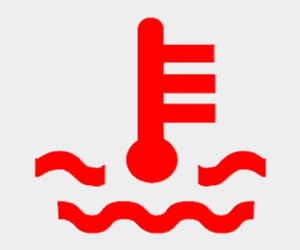
Engine Coolant Temperature Warning
Urgency: Stop safely if overheating is indicated.A thermometer warning, high temperature gauge or coolant-temperature message requires prompt action on applicable engine versions. A coolant leak, cooling-system fault or severe operating conditions may be involved.Find a safe stopping place. If steam or coolant is escaping, switch off and keep clear until the system cools. Never remove a hot cooling-system cap. Follow the exact overheating procedure and arrange help if leakage is visible or the warning returns. Electric-drive cooling warnings require their own instructions rather than an assumed engine procedure.
Parking Brake and Brake Fluid Warning
Urgency: Check the parking brake; stop if the light persists.The red brake symbol normally appears when the parking brake is applied. If it stays on after release, low brake fluid or a braking problem may be responsible.Stop safely and assess pedal feel. If the warning remains, fluid is leaking or braking is abnormal, do not continue driving. Arrange inspection or recovery as appropriate. Adding brake fluid without investigating why the level fell can leave the underlying problem unresolved.
ABS and Brake Lights Together: EBD Warning
Urgency: Stop safely and arrange urgent assessment.Simultaneous ABS and red brake warnings can indicate that brake-force distribution or another part of the braking system is not working normally. The image illustrates a combination of lamps, not a separate EBD button.Avoid high speed and abrupt braking while reaching a safe stopping place. Braking behaviour can change unexpectedly. Recovery is appropriate when the red warning persists or there is any doubt about stopping performance. Do not treat this combination like an isolated amber ABS warning.
12-Volt Charging System Warning
Urgency: Stop safely and arrange inspection.The battery-shaped lamp refers to the low-voltage electrical supply. In a petrol Kona, the alternator, drive belt or charging circuitry may be involved. Hybrid and electric models use different charging arrangements, so an alternator diagnosis should not be assumed.This warning is separate from a low traction-battery charge indication. Electrical supply can deteriorate and affect multiple systems. Stop safely and seek help, particularly with additional warnings or a power-supply message. A replacement 12-volt battery will not resolve every charging fault.
Power Steering Warning
Urgency: Assess steering effort immediately.The steering-wheel symbol or EPS/MDPS warning identifies a problem with electric power steering. Assistance may be reduced and the wheel can become noticeably heavier, especially at parking speeds.Maintain control and stop safely if steering becomes difficult or unpredictable. Have a continuing warning checked even if the wheel feels normal. Low voltage or another system fault can contribute, but the lamp alone cannot identify which component has failed.
Airbag and Restraint System Warning
Urgency: Arrange prompt diagnosis.The seated-person-and-airbag symbol belongs to the supplemental restraint system. A persistent or abnormal warning can indicate a problem involving airbags, pretensioners, sensors or related wiring.The vehicle may still drive normally while occupant protection is reduced. Have the system checked rather than probing restraint connectors or attempting electrical repairs yourself. A passenger-airbag OFF status indicator is a different display and should be interpreted using the seating instructions.
Seat Belt Reminder
Urgency: Secure occupants before continuing.The seat-belt lamp and chime remind us that a monitored occupant may not be properly restrained. Check occupied seats and any rear-seat status information shown by the vehicle.A heavy bag may affect passenger-seat detection. Secure loose items elsewhere, but never bypass the warning with a buckle insert. If correctly fastened belts do not clear the reminder, the buckle or occupancy system may need inspection.
Engine, Tyre and Stability Warning Lights
Check Engine Light or Malfunction Indicator Lamp
Urgency: Arrange diagnosis; stop for serious symptoms.The engine-shaped lamp indicates a detected engine, emissions or powertrain fault on applicable combustion-engine versions. Possible causes range from sensor problems to ignition, fuel-delivery or emissions-system faults. The symbol does not name the defective part.A steady lamp with smooth running and normal temperature may allow gentle travel to a nearby workshop. Avoid heavy acceleration and demanding loads. A flashing lamp, shaking engine, strong fuel smell or major power loss calls for stopping safely and seeking assistance because continued operation can cause further damage.
Tyre Pressure Warning and TPMS Fault
Urgency: Check tyre condition and pressures promptly.The horseshoe-shaped warning generally means one or more tyres are significantly underinflated. If the Kona pulls, vibrates or has a visibly flat tyre, stop safely before travelling farther.Check all road tyres cold with a gauge and use the pressures on the vehicle label for the specified load. Flashing followed by steady illumination, or another specified flashing pattern, can indicate a TPMS malfunction. A sensor fault does not remove the need to check pressure manually. Never use a reset to accept incorrect tyre pressures.
Anti-Lock Braking System Warning
Urgency: Arrange inspection and allow more stopping margin.An amber ABS lamp that remains on indicates that anti-lock braking is not operating normally. Hydraulic braking may remain available, but wheel locking can occur during hard braking.Continue cautiously only if braking otherwise feels normal and no serious accompanying warning is present. Red brake and ABS warnings together require a more urgent response. Do not test the system by braking aggressively on a public road.
Master Warning Triangle
Urgency: Read the accompanying message.The triangle with an exclamation mark is a general alert. Depending on the version, it can accompany driver-assistance faults, blocked sensors, exterior-lighting problems, low washer fluid or other conditions.The message determines the action. A triangle does not automatically mean engine failure or overdue servicing. If several messages are stored, review them when safely parked and address the most urgent condition first. Clearing the display does not resolve the cause.
Electronic Stability Control Indicator
Urgency: Ease off if flashing; inspect if steadily illuminated.The skidding-car symbol can flash while stability or traction control intervenes. That usually means grip is limited or wheel slip is being controlled. Reduce speed smoothly and avoid abrupt steering or accelerator inputs.A steady light after the normal check can indicate a fault. Assistance may be unavailable even when the Kona feels normal to drive. Have the system inspected and leave extra margin in poor conditions. ESC cannot overcome worn tyres or excessive speed.
ESC OFF Indicator
Urgency: Check the selected assistance setting.ESC OFF indicates that stability or traction-control assistance has been switched off or reduced. The exact effect depends on the version and how the control was operated.Restore the appropriate assistance for ordinary driving. If the indicator remains on unexpectedly or appears with other faults, arrange diagnosis. Disabling ESC is not a repair for a persistent stability warning.
Electronic Parking Brake Warning
Urgency: Have a persistent fault checked.The amber EPB warning relates to the electronic parking-brake system where fitted. It is different from the normal red indication that the parking brake is applied.Read any message and make sure the vehicle is securely stopped. Do not force it to move against a brake that will not release. On some versions, an ESC fault can also cause an EPB warning without proving that the parking-brake hardware itself has failed. Diagnose the combination rather than replacing parts from the lamp alone.
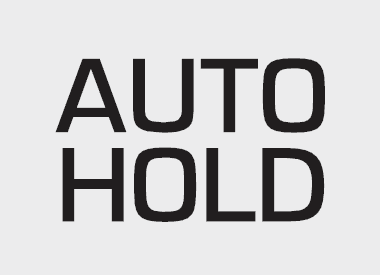
AUTO HOLD Indicator
Urgency: Confirm whether braking is actively maintained.On applicable Konas, white typically indicates standby, green indicates active holding and yellow indicates a malfunction. Check the exact display description for your version.An enabled feature is not always holding the vehicle at that moment. Keep control with the brake pedal if uncertain and follow any instruction to apply it. AUTO HOLD is not a substitute for selecting the correct transmission position and applying the parking brake before leaving the vehicle.
Immobilizer and Smart Key Indicator
Urgency: Read key-recognition or starting messages.The key-related indicator may illuminate during normal recognition, but unexpected flashing or a key-not-detected message needs attention. A weak fob battery, key location or immobilizer fault may be involved.Keep the correct key inside the cabin and use the handbook's backup starting procedure if required. Trying the spare key can help distinguish a key-specific problem. Do not assume replacing the coin battery will cure every starting or security-system warning.
Low Fuel Warning
Urgency: Refuel as soon as practical.The fuel-pump symbol indicates that the tank is nearly empty on petrol, diesel or hybrid versions. Remaining distance varies with traffic, hills, temperature and driving style.Do not count on a fixed range after the lamp appears. A hybrid still requires fuel even if its battery display shows charge. Use the specified fuel and secure the filler cap correctly. The Kona Electric instead has a traction-battery charge display and related warnings.
Driver-Assistance and Visibility Symbols
Forward Collision or Forward Safety Warning
Urgency: Read the message and maintain full control of braking.This warning can identify a disabled function, blocked sensor or malfunction, depending on the generation. An actual collision alert is a separate event requiring immediate attention to the road.Maintain a safe following distance and assume automatic assistance may be limited. When parked, check accessible camera and radar areas for dirt or ice as instructed. Persistent warnings require inspection. Do not test automatic braking by approaching a vehicle or obstacle deliberately.
Lane Keeping or Lane Safety Indicator
Urgency: Check system status and steer normally.Lane graphics show whether the relevant function is available, detecting markings, intervening or reporting a limitation. Colour meanings vary, and a yellow indication on newer versions can reflect a deselected or disabled function as well as a fault.Rain, glare, poor markings and camera obstruction can reduce performance. Keep hands on the wheel and maintain steering control. Read the message before deciding whether the system needs repair or simply cannot operate in the current conditions.
Driver Attention Warning
Urgency: Take a break if tired; check persistent fault indications.A coffee-cup symbol or rest suggestion can mean the system recommends a break. On some newer clusters, a steady yellow indication can instead identify a disabled or malfunctioning attention function.Read the message and do not use the system as a measure of whether you are safe to continue. Stop for a rest whenever needed, even without a warning. A continuing check-system message requires inspection.
LED Headlight Warning
Urgency: Check exterior lighting and arrange repair.The lighting warning identifies a headlamp or related control problem. A lamp can still produce some light even when the system reports a fault.Check the exterior lights while parked, particularly before night driving. Do not assume a sealed LED assembly can be repaired with a conventional replacement bulb. Persistent warnings need diagnosis to restore proper visibility and avoid additional damage.
Icy Road Warning
Urgency: Reduce speed and allow extra braking distance.The snowflake or low-outside-temperature symbol warns that ice may be possible. It is an advisory, not an engine or electrical fault.Actual road grip can differ from the displayed air temperature. Bridges, exposed areas and shaded bends can freeze before nearby surfaces. An absent warning does not guarantee an ice-free road, so drive according to conditions.
AWD and Hill-Descent Indicators
All-Wheel Drive Warning Light
Urgency: Arrange diagnosis and avoid demanding conditions.An AWD warning on an equipped Kona indicates a problem with that system. It is different from an AWD LOCK selection indicator and does not apply to every Kona powertrain.Read the message and do not assume all-wheel-drive assistance remains available. Reduce demands on the vehicle and have it inspected. Stop safely if the message instructs you to do so, abnormal noises develop or normal control is affected.
AWD LOCK Indicator
Urgency: Usually normal status when intentionally selected.The AWD LOCK indication identifies a selected traction function on applicable versions. Its permitted conditions and speed-dependent behaviour are model-specific.Use it as instructed for suitable low-traction conditions and return to the appropriate setting for ordinary road use. Do not interpret a normal lock indicator as an AWD malfunction, or assume the same instructions apply to front-wheel-drive or electric models.
Downhill Brake Control Indicator
Urgency: Confirm status and remain ready to control speed.The vehicle-on-a-slope symbol belongs to downhill brake control where equipped. Steady, flashing and fault states can describe different operating conditions.Engagement does not make every steep descent safe. Choose a suitable speed and keep control of steering and braking. A persistent warning or unavailable message needs attention; use the exact handbook instructions for the selected terrain and function.
Kona Hybrid and Kona Electric Symbols
READY Indicator
Urgency: Normal indication that the vehicle can move.READY means the propulsion system is active on an electrified Kona. The vehicle can move even when the petrol engine is silent or there is no engine at all.Before leaving, select P, apply the parking brake and switch the system off correctly. Confirm READY has gone out. If READY fails to appear after the proper starting sequence, or behaves abnormally with a warning message, have the condition investigated instead of relying on engine noise.
Hybrid or Electric Vehicle Service Warning
Urgency: Read the message and arrange inspection.The electrified-system service symbol identifies a fault involving the hybrid or electric control system or related hardware. The exact artwork can vary. It is not simply a reminder that scheduled servicing is due.Follow any stop or do-not-restart instruction immediately. If the vehicle will not enter READY or has severe power loss, arrange assistance. Do not open high-voltage components or touch orange cables. A generic scan that only reads an engine module may not identify the relevant fault.
Power Down Indicator: Turtle Symbol
Urgency: Expect reduced acceleration and read the message.On the Kona Electric, the turtle indicates that available power is being limited to protect the system. Low battery charge or battery-temperature conditions can cause limitation without proving a component has failed.Reduce demands and plan a safe response to the displayed cause. If acceleration is inadequate for traffic, pull over safely. A simultaneous service warning requires inspection. Do not assume every turtle warning can be resolved by charging, or continue a demanding journey simply because the car still moves.
High-Voltage Battery Low-Charge Warning
Urgency: Reach a suitable charger before the charge becomes critical.This warning refers to the Kona Electric's traction battery, which supplies propulsion. It is separate from the 12-volt charging-system lamp.Reduce unnecessary energy use without compromising visibility or comfort needed for safe driving, and choose a reachable charger. Temperature, hills and road speed can change the remaining range. If power is already severely limited, arrange assistance rather than attempting an unrealistic distance.
Charging Connector or Charging Indicator
Urgency: Usually normal charging status; read any interruption message.The plug or charging indication describes the connection or charging state on the Kona Electric. Different cluster and charge-port lights can have different meanings, so one colour rule should not be applied to every lamp.A connected cable does not always mean energy is flowing: a schedule, charge limit or interrupted session may explain it. Read the displayed status, check the permitted user-level connections and disconnect correctly before driving. Do not handle damaged charging equipment or dismantle electrical components.
Hybrid EV Mode and Regenerative Braking Messages
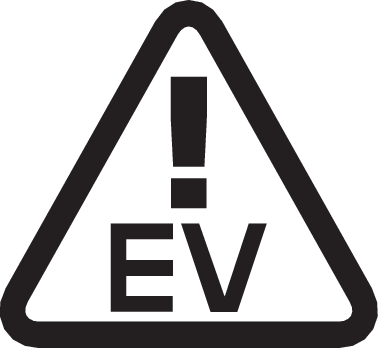
On the Kona Hybrid, an EV indication can identify electric propulsion under suitable conditions. The engine may start for power, temperature or battery-management reasons without a malfunction. A hybrid's automatic engine cycling is different from the petrol model's idle stop-start feature.
Hybrid and electric Konas also use regenerative braking. A brake-system warning or a request to check regenerative brakes needs prompt assessment because deceleration or pedal response can change. Use the brake pedal and stop safely if stopping performance is abnormal. Never assume regeneration replaces the need for working friction brakes.
Normal Lighting and Stop-Start Indicators
Auto Stop Indicator
Urgency: Usually normal status on equipped engine versions.The circular-arrow A symbol relates to automatic engine stopping. Battery condition, temperature and climate-control demand can prevent a stop without indicating a fault.Read any message requesting a manual restart. A persistent malfunction indication needs inspection. Before leaving the vehicle, switch it off properly; an automatically stopped engine can restart while the system remains active.
High-Beam Indicator
Urgency: Normal lighting status.The blue headlamp symbol means high beams are illuminated, including when the headlamp flasher is used.Dip the lights to avoid dazzling approaching or nearby traffic. Automatic lighting assistance does not remove the responsibility to monitor the actual beam and intervene when necessary.
High Beam Assist Indicator
Urgency: Check that automatic lighting suits the road.The headlamp symbol with an A or automatic marking identifies High Beam Assist status. The separate blue lamp confirms whether the high beams are actually illuminated.Fog, rain, dirt and unusual lighting can limit detection. Use manual control when required and have a persistent check-system message inspected.
Rear Fog Light Indicator
Urgency: Switch off when visibility improves.The rear-fog symbol confirms operation of the bright rear fog lamp where fitted. It is normally a status indication rather than a fault.Use it only when conditions and local rules justify it. Rear fog lamps can dazzle following drivers when visibility improves, so check the switch if an unfamiliar amber lighting symbol appears.
Turn Signals and Hazard Indicators
Urgency: Normal flashing; inspect an abnormal pattern.The green arrows flash with the direction indicators and normally flash together with the hazard lights.An unusually fast flash, continuous illumination or a missing indication can signal a lamp or circuit problem. Check the exterior lamps when parked. Hazard lights warn others but do not make an unsafe stopping place safe.
What to Do About Messages Without a Familiar Symbol
Transmission Temperature and Filter Warnings
Some engine versions use a dual-clutch transmission. If a temperature warning appears, stop safely and follow its exact cooling instructions; do not substitute a generic engine-overheating routine. Avoid holding the vehicle on an incline with the accelerator, which can create unnecessary clutch heat.
Older diesel and certain petrol versions can have particulate-filter messages. Follow the engine-specific handbook procedure only when the message permits it and no overriding stop warning is present. Do not assume every filter warning can be cleared by a high-speed drive or an improvised stationary regeneration.
A single voltage, sensor or communication problem can affect multiple systems. Once safely parked, photograph the warnings and record changes in braking, steering or performance. Diagnose the combination rather than assuming every illuminated lamp means a separate failed part.
A maintenance reminder is distinct from low oil pressure, a check-engine fault or an electrified-system service warning. Reset it only after the required maintenance. Disconnecting the battery or clearing fault codes can erase useful evidence without repairing the problem.
Conclusion: Match the Warning to Your Kona
Understanding Hyundai Kona dashboard symbols helps us separate normal operation from a condition that needs immediate action. Oil pressure, overheating, serious brake faults and power-supply warnings require a prompt response. Other lamps identify faults needing inspection or functions that are simply active.
The key is to combine the symbol with the message, driving symptoms and exact powertrain. Use the correct handbook and arrange professional help whenever safe operation is uncertain.
Frequently Asked Questions
1. Can we drive a Hyundai Kona with the check engine light on?
A steady lamp with normal running may allow gentle travel to a nearby workshop. Flashing, severe power loss, shaking, overheating or a strong fuel smell requires urgent attention. Stop safely and seek assistance if the vehicle is running badly.
2. What does the triangle with an exclamation mark mean?
It is a master warning directing attention to another message. The cause can involve driver assistance, lighting, tyre monitoring or another system. Read the display rather than assuming the triangle identifies a particular defective part.
3. What does the turtle symbol mean on a Kona Electric?
It indicates limited available power. Low traction-battery charge or temperature conditions can trigger it, while a simultaneous service warning can indicate a fault requiring inspection. Respond to the specific message and stop safely if acceleration is inadequate for traffic.
4. Why does the tyre pressure light remain on after inflation?
A tyre may still be underinflated, there may be a continuing leak or the TPMS may have a fault. Check all road tyres cold against the vehicle label. A flashing-then-steady pattern can indicate a system issue that adding air will not repair.
5. How do we reset Hyundai Kona warning lights?
Correct the underlying condition first. Closing a door or fastening a seat belt clears ordinary reminders, while mechanical and electronic faults need diagnosis and repair. Scheduled-maintenance reminders have separate reset procedures. Clearing a fault code does not fix its cause.


 Hyundai Kona Trunk Dimensions: Complete Cargo Space Guide












 Ford F-150 Dashboard Symbols and Meanings: Complete Warning Light Guide
Leave a Reply