
City Driving Tips to Save Fuel
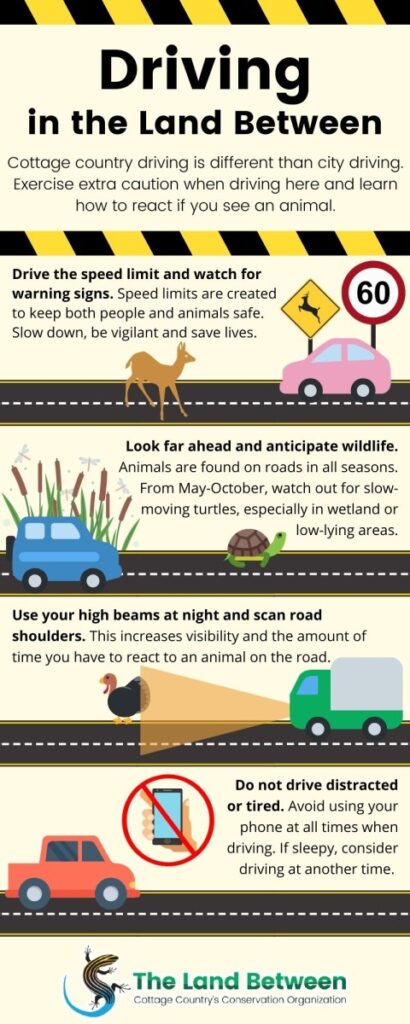
Urban driving often presents unique challenges that lead to increased fuel consumption, from frequent stops and starts to idling in traffic. However, with the right strategies, you can transform your city commute into a more efficient journey. Understanding how to minimize acceleration bursts, maintain optimal tire pressure, and plan routes to avoid congestion can significantly reduce fuel usage.
By adopting smooth driving habits and leveraging your vehicle’s features, such as cruise control where applicable, you can save money and reduce emissions. This article explores practical tips tailored for navigating busy streets while preserving every drop of fuel.
- Mastering City Driving: Essential Tips to Maximize Fuel Efficiency
- Effective City Driving Techniques for Fuel Efficiency
- Smooth Acceleration and Deceleration Techniques
- Minimizing Idling and Optimizing Stop-Start Situations
- Vehicle Maintenance and Load Management for City Driving
- Mastering Anticipatory Driving Techniques
- Optimizing Vehicle Maintenance and Load
- Strategic Use of Accessories and Idle Management
- Optimizing Acceleration and Braking for Efficiency
- Smart Route and Timing Strategies
- Reducing Accessory and Shedding Weight Demands
- Frequently Asked Questions
Mastering City Driving: Essential Tips to Maximize Fuel Efficiency
Navigating urban environments often leads to higher fuel consumption due to frequent stops, traffic congestion, and idling. To save fuel while driving in the city, focus on smooth acceleration and anticipation. Avoid sudden starts by pressing the gas pedal gently, and coast toward red lights or stop signs instead of braking hard.
This technique allows your vehicle to maintain momentum, reducing the workload on the engine. Additionally, plan your routes to avoid peak traffic hours or heavy congestion. Using navigation apps to find less crowded streets can minimize stop-and-go driving, which drastically improves your miles per gallon (MPG). Finally, ensure your tires are properly inflated, as under-inflated tires increase rolling resistance and force the engine to work harder, burning more fuel.
Maintain a Steady Speed and Anticipate Traffic Flow
One of the most effective ways to save fuel in city driving is to maintain a steady speed by anticipating the flow of traffic ahead. Instead of accelerating toward a red light, take your foot off the gas early and let the car coast. This reduces the need for heavy braking and re-acceleration, which are major fuel wasters.
When traffic is moving, use cruise control if your vehicle supports it, even in stop-and-go conditions, as it can help regulate throttle input. By reading the road and adjusting your speed gradually, you can keep the engine running in its most efficient range, resulting in noticeable fuel savings over each trip.
You might be interested in this content.
Minimize Idling Time and Turn Off the Engine
Idling for extended periods in city traffic or at long traffic lights consumes fuel without moving your vehicle. To save fuel, turn off the engine if you expect to be stopped for more than 30 seconds. Modern cars do not need to warm up for long; a brief idle of 20 seconds is sufficient, and restarting uses less fuel than idling for a minute or more.
In heavy parking lots or while waiting for passengers, avoid keeping the engine running. This simple habit not only conserves fuel but also reduces emissions and engine wear, making it a key practice for urban drivers aiming to improve efficiency.
Reduce Vehicle Weight and Air Conditioning Use
Every extra pound of weight forces your engine to work harder, especially in city driving with frequent stops. Clear out unnecessary items from your trunk and back seat, such as sports equipment or heavy tools, to reduce your vehicle's load.
Additionally, using air conditioning in city traffic can increase fuel consumption by up to 20%. At lower speeds, roll down the windows to stay cool instead of running the A/C. However, on highways, close windows to reduce drag. By managing both weight and climate control, you can achieve optimal fuel efficiency during your daily commute.
| Tip Category | Action | Fuel Savings Benefit |
|---|---|---|
| Driving Style | Smooth acceleration and coasting | Improves MPG by up to 10-15% |
| Idling Management | Turn off engine for stops >30 seconds | Eliminates wasted fuel |
| Vehicle Maintenance | Properly inflate tires | Reduces rolling resistance |
| Load Reduction | Remove heavy items from trunk | Enhances overall efficiency |
Effective City Driving Techniques for Fuel Efficiency
What are the most effective city driving techniques to maximize fuel efficiency?
The most effective city driving techniques to maximize fuel efficiency involve smooth, anticipatory driving that minimizes unnecessary acceleration, braking, and idling. Key practices include maintaining a steady speed by reading traffic flow ahead, avoiding sudden stops and starts, and accelerating gently.
Reducing the use of air conditioning, removing excess weight from the vehicle, and ensuring proper tire inflation also contribute significantly. Additionally, coasting to decelerate rather than braking, and turning off the engine during long stops—such as at railroad crossings or extended traffic lights—can improve mileage. Planning routes to avoid congestion and stop-and-go traffic further enhances efficiency.
You might be interested in this content. How Weather Affects Vehicle Performance
Smooth Acceleration and Deceleration Techniques
How gentle inputs and anticipation improve fuel economy
Smooth acceleration and deceleration are critical for fuel efficiency in city driving, where frequent speed changes occur. Harsh acceleration forces the engine to burn more fuel quickly, while heavy braking wastes the kinetic energy built up. By anticipating traffic lights, stop signs, and the flow of vehicles ahead, you can reduce the need for sudden inputs. This approach allows you to maintain momentum and use fuel more sparingly.
- Accelerate gently from a stop, aiming to reach cruising speed over several seconds rather than flooring the gas pedal.
- Look far ahead and coast to decelerate by releasing the accelerator early when approaching a red light or slowing traffic, avoiding last-second braking.
- Use the vehicle's momentum to roll through turns and downhill sections without pressing the gas or brake unnecessarily.
Minimizing Idling and Optimizing Stop-Start Situations
Why turning off the engine and planning stops saves fuel
Idling consumes fuel without moving the vehicle, making it one of the biggest inefficiencies in city driving. Many modern cars have automatic stop-start systems, but if yours does not, manually turning off the engine during extended waits can help. Furthermore, avoiding unnecessary stops by timing your arrival at traffic signals—such as slowing early to avoid coming to a complete halt—reduces the need to re-accelerate from zero, which uses more fuel than maintaining low-speed rolling.
- Turn off the engine if you expect to stop for more than 30 seconds, such as at long traffic lights, construction zones, or picking up passengers.
- Approach stop signs and red lights with gradual deceleration, aiming to catch a green light or arrive when it turns green, rather than stopping fully.
- Avoid waiting in drive-through lanes; park and walk inside instead to prevent idling and reduce fuel waste.
Vehicle Maintenance and Load Management for City Driving
How tire pressure, weight, and accessories affect fuel use
Fuel efficiency in city traffic is directly influenced by the condition and load of your vehicle. Underinflated tires increase rolling resistance, forcing the engine to work harder, while excess weight—whether from cargo or roof racks—adds drag and requires more energy to accelerate. Additionally, using power-draining accessories like air conditioning at low speeds can significantly lower mileage. Proper maintenance ensures the engine runs efficiently, even in stop-and-go conditions.
- Check tire pressure monthly and keep it at the manufacturer-recommended level to reduce rolling resistance and improve fuel economy.
- Remove unnecessary items from the trunk and interior, and avoid carrying roof racks or cargo boxes when not in use to decrease aerodynamic drag.
- Use air conditioning sparingly at low speeds; instead, open windows for ventilation, but close them at higher speeds to reduce drag, though city driving typically involves lower speeds.
What are the most effective fuel-saving techniques for city driving?
The most effective fuel-saving techniques for city driving revolve around smooth, predictable driving behaviors and proactive vehicle management. In stop-and-go traffic, aggressive acceleration and braking are the primary culprits of poor fuel economy.
The single most impactful technique is to anticipate traffic flow. By looking ahead and coasting to a stop instead of braking hard, you keep the engine running without consuming fuel for acceleration that is immediately wasted.
Maintaining a steady, moderate speed, typically between 30 and 40 mph (48-64 km/h) in city zones, is often the sweet spot for fuel efficiency, as aerodynamic drag and engine load are minimized. Additionally, reducing unnecessary weight and avoiding prolonged idling are critical, as city driving involves frequent stops where every saved watt converts to saved fuel.
You might be interested in this content. Ford Maverick Fuel Economy L/100km: The Complete Guide to Real-World Efficiency
Mastering Anticipatory Driving Techniques
The practice of reading traffic patterns to minimize braking and acceleration.
Anticipatory driving is the most efficient single fuel-saving skill for city environments. It involves looking as far ahead as possible—at least 12 to 15 seconds in front of your vehicle—to predict changes in traffic flow, such as red lights, stop signs, or slowing vehicles.
By easing off the accelerator early when you see a red light ahead, you can coast (in gear) to the stop, using engine braking to slow the car without consuming any fuel. This eliminates the need for hard braking, which wastes the kinetic energy you paid for with fuel. When a light turns green, accelerate gently and smoothly, as rapid acceleration forces the engine to run richer and less efficiently.
- Look 12-15 seconds ahead to anticipate stops and slowing traffic.
- Coast in gear to a stop when you see a red light or stopped vehicle ahead.
- Accelerate gently after a complete stop, avoiding heavy throttle inputs.
Optimizing Vehicle Maintenance and Load
Key mechanical and physical factors that directly impact city fuel consumption.
In city driving, where the engine operates under frequent load changes, vehicle condition and weight play outsized roles in fuel efficiency. Underinflated tires increase rolling resistance, requiring more energy (fuel) to move the car, especially at low city speeds. A tire pressure drop of just a few psi can reduce fuel economy by 2-3%.
Similarly, unnecessary weight, such as a roof rack, heavy cargo, or filled trunk, directly increases the energy needed for every acceleration cycle. In stop-and-go traffic, every extra 100 pounds can reduce fuel economy by about 1%. Regular engine maintenance, like replacing a dirty air filter or using the recommended oil viscosity, ensures the engine operates at peak combustion efficiency.
- Maintain tire pressure at the manufacturer’s recommended level, checking it monthly.
- Remove roof racks, bike carriers, and heavy items from the trunk when not in use.
- Follow the vehicle’s maintenance schedule, especially for air filters and spark plugs.
Strategic Use of Accessories and Idle Management
Controlling secondary systems to reduce unnecessary engine load and fuel waste.
City driving often involves extended periods at idle, such as at long traffic lights, drive-thrus, or waiting in traffic jams. Modern engines consume about 0.2 to 0.5 gallons of fuel per hour just idling, with no progress made. Turning off the engine during stops longer than 10 seconds (if safe) can yield significant savings.
Additionally, accessories like air conditioning (A/C) and defrosters place a heavy load on the engine, increasing fuel consumption by up to 20% in city driving. On cooler days, using the vehicle’s fan without A/C or opening windows at lower speeds can reduce this load. At higher city speeds (above 45 mph), closed windows and A/C are more aerodynamic, but for typical urban crawl, minimizing A/C use is more beneficial.
You might be interested in this content. Best Driving Habits for Vehicle Longevity
- Turn off the engine if you anticipate being stopped for more than 10 seconds (e.g., at long traffic lights or railroad crossings).
- Use the air conditioning sparingly; consider using the fan only or opening windows at low speeds (under 45 mph).
- Avoid using high-power electrical accessories like rear window defrosters or heated seats unless necessary.
How to save fuel with smart city driving techniques?
Here are detailed smart city driving techniques for saving fuel, followed by three related subsections. To save fuel with smart city driving techniques, adopt an anticipatory driving style.
Avoid aggressive acceleration and hard braking by scanning the road ahead for traffic lights, pedestrian crossings, and stop signs. Use the vehicle's momentum to coast to a stop when you see a red light ahead, instead of accelerating and then braking. Maintain a steady speed by using cruise control on flat roads where possible, but deactivate it on hilly terrain.
Minimize unnecessary idling by turning off the engine if you expect to be stopped for more than 30 seconds, such as at long traffic lights or level crossings. Plan your route to avoid congestion, construction zones, and hills, using real-time traffic apps to find the most efficient path. Additionally, remove excess weight from the trunk and roof racks, as aerodynamic drag increases fuel consumption at city speeds.
Optimizing Acceleration and Braking for Efficiency
Kinetic energy management in stop-and-go traffic
The key to saving fuel in urban environments lies in preserving the vehicle's kinetic energy. Instead of quickly accelerating from a stop, gently press the gas pedal to reach the desired speed.
This allows the engine to operate in a more efficient load range. Similarly, when approaching a stopping point, start decelerating early by taking your foot off the accelerator, allowing the vehicle to coast. This technique uses engine braking to slow down without consuming additional fuel. Hard braking wastes the energy you just spent accelerating.
- Accelerate smoothly and gradually, taking 20-30 seconds to reach city speed limits.
- Anticipate stops by looking at least three car lengths ahead.
- Use coasting to decelerate rather than using the brakes, whenever safe.
Smart Route and Timing Strategies
Leveraging technology and traffic patterns
In a smart city, navigation tools provide real-time data to avoid idling in traffic. Plan your trips during off-peak hours to reduce the frequency of stops. Use apps that suggest routes with synchronized traffic lights that minimize red-light stops.
You might be interested in this content.
When possible, choose one longer, steady-speed route over a shorter one with many turns intersections, as steady driving is more fuel-efficient than constant acceleration after turns. Arriving later but with lower fuel consumption is often better than a faster, less efficient trip.
- Check traffic apps for congestion before leaving and choose alternative routes.
- Time your drive to avoid rush hour when stop-and-go traffic peaks.
- Group multiple errands into one trip to avoid cold starts, which are fuel-inefficient.
Reducing Accessory and Shedding Weight Demands
Practical in-car adjustments for fuel savings
Even in a smart city, vehicle maintenance and in-car habits significantly impact fuel efficiency. Underinflated tires increase rolling resistance, requiring more fuel to maintain speed. Remove any unnecessary weight, such as sports equipment or tools, from the trunk.
Avoid using roof racks or cargo boxes when not needed, as they create aerodynamic drag even at low speeds. Minimize the use of air conditioning whenever possible; at city speeds, rolling down the windows uses less fuel than running the compressor.
- Check tire pressure monthly and inflate to the manufacturer's recommended level.
- Clear out the trunk and interior of all non-essential items.
- Use recirculation mode with the A/C off for basic ventilation, or open windows below 40 mph.
Frequently Asked Questions
How does accelerating smoothly save fuel in city driving?
Aggressive acceleration forces the engine to burn extra fuel to quickly increase speed. By pressing the gas pedal gently and gradually, you allow the engine to operate more efficiently, reducing fuel consumption. Aim to reach cruising speed steadily and avoid sudden bursts, which can lower your city gas mileage by up to 20% in stop-and-go traffic.
Why should I avoid unnecessary idling to conserve fuel?
Idling gets zero miles per gallon, wasting fuel while your engine runs needlessly. In city traffic, turning off your engine during extended stops—over 30 seconds—saves more fuel than restarting it. Modern cars use minimal fuel to restart, so park, shut off, and restart only when ready to go, cutting urban fuel waste significantly.
What is the benefit of maintaining a steady speed in traffic?
Consistent speed prevents frequent acceleration and deceleration, which drain fuel rapidly. Using cruise control on open roads helps, but in city traffic, anticipating red lights and traffic flow allows you to coast rather than brake suddenly. This smooth driving style improves efficiency by up to 15% in dense urban conditions.
You might be interested in this content. Night Driving Safety Tips
How does reducing air conditioning use improve city fuel economy?
Running the AC in stop-and-go city driving forces the engine to work harder, burning more fuel. At lower speeds, opening windows provides effective ventilation without the efficiency loss. However, at high speeds, closed windows reduce drag; so for city trips, minimize AC use to boost fuel savings easily.
Leave a Reply