
Night Driving Safety Tips
Driving at night presents unique challenges that require heightened awareness and preparation. Reduced visibility, glare from oncoming headlights, and increased fatigue can compromise safety on the road.
Whether you’re commuting home or embarking on a long journey, understanding key strategies—such as proper headlight use, maintaining a safe speed, and avoiding distractions—is essential. These tips help drivers navigate darkness effectively, reduce accident risks, and ensure a secure travel experience for everyone. Prioritizing night driving safety not only protects you but also other road users.
- Essential Night Driving Safety Tips for Every Driver
- Essential Night Driving Safety Tips for Safer Road Navigation
- Managing Glare and Adjusting to Darkness
- Enhancing Vehicle Visibility and Lighting
- Preventing Fatigue and Maintaining Alertness
- Impaired Night Vision and Glare
- Driver Fatigue and Drowsiness
- Increased Prevalence of Impaired Drivers
- Frequently Asked Questions
Essential Night Driving Safety Tips for Every Driver
Driving at night presents unique challenges, including reduced visibility, increased glare from oncoming headlights, and a higher likelihood of encountering drowsy or impaired drivers.
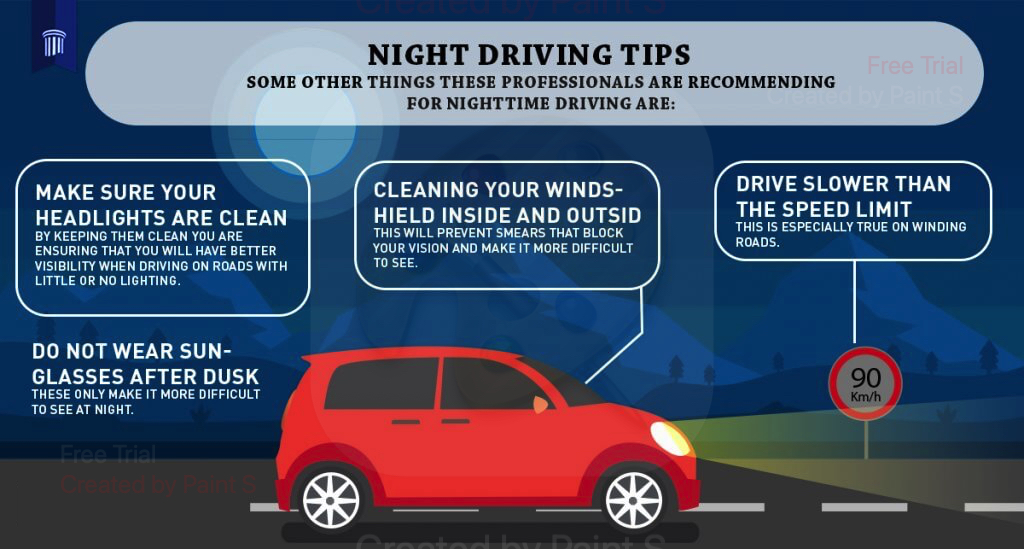
To navigate safely after dark, it is crucial to adjust your speed to match your reduced field of vision, keep your headlights clean and properly aimed, and avoid looking directly at oncoming headlights by shifting your gaze to the right edge of your lane. Additionally, always watch for pedestrians, cyclists, and animals that are harder to see at night, and ensure your windshield and mirrors are free of streaks or fog. By staying alert and proactive, you can significantly reduce the risks associated with night driving.
Combat Glare and Shield Your Eyes
Glare from oncoming traffic or reflectors can temporarily blind you, making it dangerous to continue at normal speed. To minimize this, aim your eyes slightly down and to the right of your lane to follow the white line on the road rather than staring directly at lights.
It is also vital to keep your windshield clean both inside and out, as smudges can amplify glare, and ensure your own headlights are properly adjusted to avoid blinding other drivers. If glare becomes overwhelming, slow down gradually and use your interior rearview mirror’s night setting to reduce the intensity of headlights from behind.
You might be interested in this content. Winter Road Trip Driving Guide
Prioritize Physical Alertness and Rest
Driving at night often coincides with your body’s natural sleep cycle, so it is essential to recognize the signs of fatigue before they become dangerous. Never drive while drowsy; if you feel your eyelids getting heavy or struggle to focus, pull over at a safe rest area or well-lit parking lot to take a 20-minute nap or get a caffeinated drink.
Also, avoid heavy meals and alcohol before driving at night, as both can increase drowsiness and impair judgment. Staying hydrated and taking regular breaks every two hours can help maintain your concentration during longer nighttime trips.
Optimize Your Vehicle for Night Driving
A well-maintained vehicle is your best defense against night-driving hazards. Regularly check and clean all exterior lights—including headlights, taillights, turn signals, and fog lights—to ensure they are functioning at maximum brightness and clarity.
Furthermore, adjust your dashboard lights to a dimmer setting to reduce internal glare that can hinder your outside vision, and ensure your tires are properly inflated for better handling on dark, winding roads. For added safety, consider upgrading to high-quality halogen or LED headlights, which provide a wider and clearer beam pattern than standard bulbs.
| Night Driving Hazard | Effective Prevention |
|---|---|
| Glare from oncoming lights | Look to the right road edge; clean windshield |
| Driver drowsiness | Take 20-min naps; avoid heavy meals; stay hydrated |
| Poor road visibility | Use high beams when safe; slow down; aim headlights |
| Unclear vehicle lights | Regularly clean & check all lights; dim dashboard |
What are the most effective safety rules for driving at night?
The most effective safety rules for driving at night involve a combination of proactive vehicle preparation, defensive driving techniques, and physiological management. Reduced visibility, increased glare from oncoming headlights, and higher risks of driver fatigue make night driving significantly more dangerous. Key rules include ensuring all headlights, taillights, and brake lights are clean and functioning properly to maximize your ability to see and be seen.
Drivers should adjust their speed to match the reduced range of their headlights, allowing for a longer stopping distance. Frequent scanning of the road edges for animals or pedestrians, avoiding looking directly at oncoming headlights by focusing on the right lane line, and keeping the windshield and mirrors clean to reduce glare are critical. Additionally, never driving while drowsy, taking regular breaks on long trips, and using high beams in unlit areas when no other vehicles are nearby are fundamental for maintaining safety.
You might be interested in this content. How to Drive in Fog Safely
Managing Glare and Adjusting to Darkness
Techniques to Reduce Headlight Glare and Improve Night Vision
Glare from oncoming headlights is a primary hazard at night, as it can temporarily blind a driver and reduce reaction time. To manage this, avoid staring directly at the lights of approaching vehicles. Instead, shift your gaze to the right edge of your lane or the white line marking the side of the road. This allows you to maintain your trajectory while minimizing the direct impact of the glare.
Another effective method is to adjust your rearview mirror to its night setting, which dims the reflection from the headlights of vehicles behind you. It is also vital to keep your windshield and mirrors clean, as dirt and smudges scatter light and intensify glare. To help your eyes adjust to darkness, reduce the brightness of your dashboard lights and avoid looking at your phone or other bright screens before driving.
- Direct your gaze to the right side of the road when facing oncoming vehicles.
- Always use the night setting on your interior rearview mirror.
- Clean your windshield, headlights, and side mirrors frequently to minimize light scatter.
- Dim your dashboard lights to prevent reflection and aid dark adaptation.
Enhancing Vehicle Visibility and Lighting
Proper Use of Headlights and Equipment for Night Driving
Your vehicle's lighting system is your primary tool for night driving. The most effective rule is to use your headlights correctly: turn them on one hour before sunset and keep them on for one hour after sunrise to ensure you are visible during transitional light periods. Always use your high beams on rural, dark roads where there is no oncoming traffic, but remember to dim them within 500 feet of an oncoming vehicle to avoid blinding other drivers.
Regularly check that all lights, including fog lights if available, are functioning properly. Furthermore, aim your headlights according to your vehicle manufacturer's instructions, as misaligned lights can reduce visibility or directly shine into the eyes of other drivers. Replace any cloudy or yellowed headlight lenses, as they significantly reduce light output.
- Turn on headlights during dusk and dawn, not just in full darkness.
- Activate high beams on unlit roads, but dim them for oncoming traffic and when following another vehicle.
- Regularly inspect and replace any burnt-out bulbs in headlights, taillights, and turn signals.
- Clean or restore cloudy headlight lenses to restore maximum brightness.
Preventing Fatigue and Maintaining Alertness
Strategies to Combat Drowsiness on Night Roads
Driver fatigue is a leading cause of nighttime accidents, as the body's natural circadian rhythm promotes sleep during these hours. The most effective rule is to never begin a night drive if you are already tired. Before a long trip, ensure you have had seven to eight hours of quality sleep. During the drive, take a break every two hours or every 100 miles to walk around and stretch.
It is dangerous to rely on methods like rolling down the window, turning up the radio, or drinking caffeine to stay awake, as these provide only temporary relief. If you begin to feel drowsy, the only truly effective action is to stop at a safe location, such as a rest area or hotel, and take a short 20-minute nap or switch drivers.
You might be interested in this content. Tips for Long-Distance Driving
- Prioritize a full night of sleep before any night driving journey.
- Plan regular stops every two hours to rest and refresh your focus.
- Pull over immediately to nap for 20 minutes or change drivers if you feel fatigue setting in.
- Avoid heavy meals and alcohol before or during the drive, as they increase drowsiness.
What are the most dangerous risks of driving at night?
Driving at night presents a unique set of hazards that significantly increase the likelihood of accidents. The most dangerous risks stem from reduced visibility, which impairs a driver's ability to see obstacles, pedestrians, and road signs in time to react. This limitation is compounded by the natural decline in human night vision, making depth perception and peripheral vision less accurate.
Additionally, the glare from oncoming headlights can cause temporary blindness, while fatigue and drowsiness are more common during nighttime hours, slowing reaction times and impairing judgment. Other critical risks include a higher chance of encountering impaired drivers, such as those under the influence of alcohol or drugs, who are more prevalent on the road at night, and the increased difficulty in judging distances and speeds of other vehicles in low-light conditions.
Impaired Night Vision and Glare
How reduced visibility and headlight glare create critical hazards
The human eye is not naturally adapted for low-light conditions, and as darkness falls, visual acuity drops sharply. This makes it harder to see pedestrians, cyclists, animals, or debris on the road until it is too late. A particularly dangerous aspect is the blinding effect of glare from approaching headlights, which can cause a temporary loss of vision lasting several seconds. This glare effect is worsened by dirty or misaligned headlights, rain, or fog, which scatter light and reduce contrast even further.
- Reduced depth perception and peripheral vision make it difficult to judge the distance and speed of other vehicles or obstacles.
- Glare from oncoming headlights can cause temporary blindness and disorientation, lasting up to several seconds after the vehicle passes.
- Dirty or improperly adjusted headlights significantly reduce your own ability to see the road, while also increasing glare for other drivers.
Driver Fatigue and Drowsiness
The role of decreased alertness and slower reaction times at night
Night driving often coincides with the body's natural circadian rhythm, which signals a time for sleep. This biological pressure to rest leads to increased fatigue and drowsiness, which can slow reaction times to a dangerous level, similar to driving under the influence of alcohol. Drivers may experience microsleeps, brief episodes of unconsciousness lasting a few seconds, which are especially lethal at highway speeds. Even without falling asleep, tired drivers are more prone to distractions, reduced attention span, and poor decision-making.
- Fatigue slows reaction times to unexpected events, such as a deer jumping onto the road or a sudden braking vehicle ahead.
- Microsleeps cause drivers to drift out of their lane or fail to notice hazards, leading to high-speed collisions.
- Drowsy drivers often fail to recognize their own impairment, leading to a false sense of safety and continued driving despite dangerously low alertness.
Increased Prevalence of Impaired Drivers
Higher risks from alcohol, drugs, and reckless behavior after dark
Statistically, a significantly higher proportion of drivers on the road during nighttime hours are under the influence of alcohol or drugs. This is especially true on weekends and around holidays. Impaired drivers have compromised judgment, reduced coordination, and slower reflexes, making them unpredictable and extremely dangerous to others.
Furthermore, nighttime may see an increase in reckless driving behaviors, such as speeding or running red lights, due to the perception of lighter traffic and reduced police presence. A sober driver must be constantly vigilant for erratic movements from other vehicles.
You might be interested in this content.
- Alcohol and drug use impair a driver's ability to make sound judgments about speed, distance, and safe following distances.
- Impaired drivers are more likely to weave between lanes, brake suddenly, or fail to stop for traffic signals, creating high-risk scenarios.
- Encountering an impaired driver often leaves little reaction time for a sober driver, as the erratic behavior may appear without warning in low-visibility conditions.
Frequently Asked Questions
Why is it important to reduce speed while driving at night?
Reducing speed at night is critical because your reaction time decreases significantly in low-light conditions. Headlights only illuminate a limited distance ahead, making obstacles, pedestrians, or animals harder to spot. Driving slower allows you to stop safely within the range of your lights. Slower speeds also reduce glare from oncoming traffic, improve lane-keeping, and provide more time to react to unexpected hazards like sharp curves or broken-down vehicles.
How can I minimize glare from oncoming headlights?
To minimize glare, avoid looking directly at oncoming headlights. Instead, shift your gaze slightly to the right side of the road, using the white line as a guide. Clean your windshield and headlights regularly to reduce internal glare and ensure optimal visibility. If an approaching vehicle’s high beams bother you, briefly flash your own high beams to remind them to dim theirs without prolonged exposure to their direct light.
What pre-driving checks should I do for safer nighttime travel?
Before night driving, ensure all exterior lights—headlights, taillights, turn signals—are clean, aligned, and functioning properly. Check your tire pressure and tread depth to maintain traction, and clean your windshield inside and out to remove smudges that create glare.
Adjust your mirrors to the nighttime setting if available, reduce dashboard brightness to avoid distractions, and confirm your defroster works to prevent fogging during temperature changes.
When should I use high beams versus low beams at night?
Use high beams on dark, rural roads without oncoming traffic or vehicles ahead, as they double your visibility range. Switch to low beams within 500 feet of an approaching car to avoid blinding the driver.
Also, lower your beams when following another vehicle closely, in fog, rain, or snow where high beams reflect back and worsen your vision. Low beams are mandatory on well-lit streets or near driveways to respect other road users.
You might be interested in this content. How to Drive in Extreme Cold Weather
Leave a Reply