
How Weather Affects Vehicle Performance
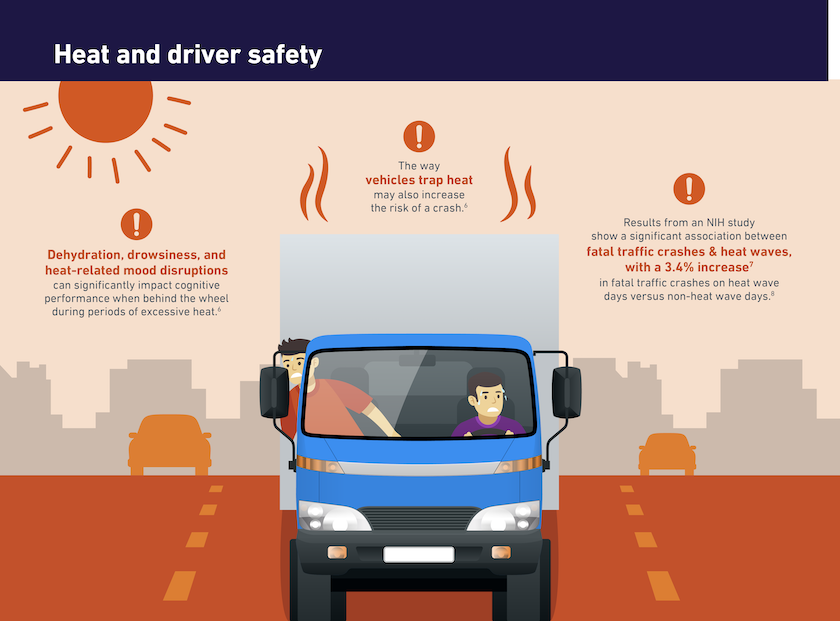
Weather plays a significant yet often overlooked role in vehicle performance, influencing everything from tire grip to engine efficiency. Extreme temperatures, heavy rain, snow, and humidity can alter how a car accelerates, brakes, and handles corners. Cold weather thickens fluids, reducing battery capacity and straining engines, while heat can cause overheating and tire blowouts.
Rain reduces traction, increasing stopping distances, and icy roads challenge even the best all-wheel-drive systems. Understanding these effects helps drivers anticipate changes in vehicle behavior, adjust driving techniques, and maintain their cars appropriately for safer, more reliable operation across diverse climates.
You might be interested in this content. Ford Maverick Fuel Economy L/100km: The Complete Guide to Real-World Efficiency
How Weather Affects Vehicle Performance
Weather conditions significantly influence how your vehicle operates, impacting everything from tire traction and engine efficiency to braking distances and battery life. Understanding these effects is crucial for maintaining safety and optimizing performance throughout the year.
Impact of Temperature on Engine and Battery Life
Extreme temperatures, both hot and cold, place substantial stress on your vehicle's engine and battery. In cold weather, engine oil thickens, making it harder for the engine to turn over and reducing lubrication efficiency, which can lead to increased wear during startup.
You might be interested in this content. Kia Rio Fuel Economy: Real-World MPG, Tips, and What to Expect
Meanwhile, car batteries lose up to 60% of their starting power at freezing temperatures, often causing failures. In hot weather, the engine cooling system must work harder to prevent overheating, and heat accelerates battery fluid evaporation, leading to a shorter battery lifespan and potential for sudden failure.
Effects of Rain and Humidity on Traction and Braking
Wet roads dramatically reduce tire traction because water creates a thin layer between the tire and the road, a phenomenon known as hydroplaning. This loss of grip increases braking distances by up to three times compared to dry conditions, making it essential to drive at reduced speeds and maintain greater following distances.
You might be interested in this content.Kia Rio Mileage Per Litre: Real-World Efficiency GuideAdditionally, high humidity can affect brake performance by causing moisture to accumulate on brake rotors, which temporarily reduces braking efficiency until the heat evaporates the water.
Influence of Snow, Ice, and Wind on Vehicle Stability
Snow and ice severely compromise vehicle stability by reducing tire friction to near-zero levels, making steering, accelerating, and braking extremely challenging. Winter tires with deeper treads and special rubber compounds are designed to maintain some grip in these conditions, while all-season tires become significantly less effective.
You might be interested in this content. Common Winter Vehicle Problems
Furthermore, strong crosswinds, common in storms or open highways, can push vehicles off course, particularly affecting tall vehicles like SUVs and vans, requiring constant steering corrections and reduced speeds to maintain control.
| Weather Condition | Primary Effect on Vehicle | Key Performance Factor |
|---|---|---|
| Extreme Cold | Reduced engine start | Battery power drops 60% |
| Extreme Heat | Engine overheating risk | Battery fluid evaporation |
| Rain/Humidity | Increased braking distance | Hydroplaning risk |
| Snow/Ice | Near-zero traction | Winter tire necessity |
| Strong Wind | Lane deviations | Stability control needed |
Frequently Asked Questions
How does extreme heat affect vehicle performance?
In extreme heat, engines can overheat more easily because cooling systems work harder to dissipate heat. The air becomes less dense, reducing oxygen for combustion, which lowers engine power. Tires may expand, increasing pressure and raising the risk of blowouts. Battery fluid can evaporate faster, weakening starting power. Additionally, air conditioning use places extra load on the engine and fuel system.
You might be interested in this content. Most Fuel-Efficient Vehicles in Canada
How does cold weather impact engine and battery function?
Cold weather thickens engine oil, making it harder to circulate and increasing wear during start-up. Batteries lose up to 60% of their capacity at freezing temperatures, making ignition difficult. Fuel efficiency drops because engines take longer to reach optimal temperature. Tires lose pressure, reducing traction, and belts and hoses become brittle, risking cracks or failure.
How does rain affect traction and braking?
Rain creates a layer of water between tires and the road, reducing friction and increasing braking distances. Hydroplaning occurs at speeds above 50 km/h when tires lose contact with the surface. Worn treads worsen this risk. Brake rotors may temporarily become less effective until water is cleared. Drivers should reduce speed and increase following distance significantly.
You might be interested in this content. Tire Rotation Guide for Canadian Drivers
Does snow or ice change tire grip and vehicle handling?
Snow and ice dramatically reduce tire grip, often increasing stopping distances four to ten times compared to dry roads. Without winter tires, traction control systems struggle to maintain stability. Steering becomes less responsive, and understeer or oversteer occurs easily. Vehicles may slide during acceleration, braking, or turning. Using proper tires, reducing speed, and gentle inputs are critical.
Leave a Reply