
How to Improve Fuel Economy While Driving
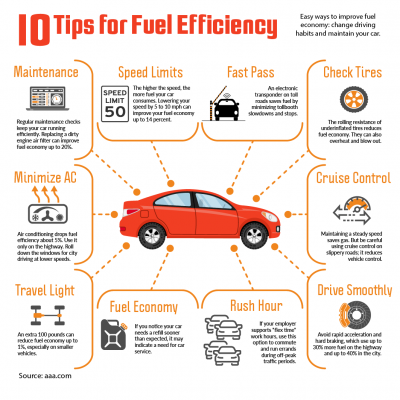
Improving fuel economy while driving is not only beneficial for your wallet but also for the environment, as it reduces carbon emissions and conserves natural resources. By adopting a few simple driving habits, you can significantly enhance your vehicle's efficiency without sacrificing performance.
Key strategies include maintaining a steady speed, avoiding sudden acceleration or hard braking, and ensuring proper tire inflation. Additionally, reducing excess weight, using cruise control on highways, and minimizing air conditioning use can make a noticeable difference. Understanding how your driving style impacts fuel consumption empowers you to make smarter choices on the road.
How to Improve Fuel Economy While Driving
Improving fuel economy while driving is a crucial practice for reducing both environmental impact and personal transportation costs. By adopting specific driving habits and vehicle maintenance routines, you can significantly increase the number of miles per gallon your car achieves.
You might be interested in this content. Safe Driving During Heavy Rain
This involves anticipating traffic flow to avoid unnecessary braking and acceleration, ensuring your vehicle is properly maintained, and reducing the load and aerodynamic drag your car experiences. Implementing these strategies not only saves money at the pump but also extends the lifespan of your vehicle’s engine and braking system.
Adopt Smooth and Anticipatory Driving Techniques
One of the most effective ways to improve fuel economy is to drive smoothly and anticipate the road ahead. This means avoiding aggressive acceleration and hard braking, which waste significant amounts of fuel. Instead, maintain a constant speed by looking far ahead and coasting to a stop when you see a red light or traffic slowing down.
Using cruise control on highways helps maintain a steady pace, and driving at or slightly below the speed limit can dramatically reduce fuel consumption, as wind resistance increases exponentially at higher speeds. This proactive approach can improve your gas mileage by up to 30% in city driving.
You might be interested in this content. Best Driving Habits for Vehicle Longevity
Minimize Vehicle Weight and Aerodynamic Drag
Reducing unnecessary weight and improving your car’s aerodynamics are direct ways to save fuel. Carrying excess weight in the trunk or cabin forces the engine to work harder, lowering fuel efficiency.
Remove heavy items like sports equipment or tools when not in use. Additionally, driving with windows down at high speeds creates significant drag, so it is better to use the car's ventilation system. Avoid using roof racks or cargo boxes unless absolutely necessary, as they disrupt the vehicle's airflow and can reduce fuel economy by 10% or more on the highway.
Ensure Proper Vehicle Maintenance
Regular vehicle maintenance is fundamental for optimal fuel efficiency. A well-maintained engine runs more cleanly and effectively. This includes keeping tires properly inflated to the recommended pressure, as under-inflated tires increase rolling resistance and require more fuel to move the car.
You might be interested in this content. Night Driving Safety Tips
Using the manufacturer's recommended grade of motor oil reduces friction within the engine, and replacing a dirty air filter ensures the engine can breathe easily. Keeping your engine tuned and replacing spark plugs as needed also ensures that fuel is burned efficiently, preventing waste.
| Driving Technique | Estimated Fuel Savings | Primary Benefit |
|---|---|---|
| Smooth Acceleration & Braking | Up to 30% in city driving | Reduces fuel waste from rapid changes |
| Using Cruise Control on Highways | 5% to 15% | Maintains constant speed and reduces drag |
| Removing Excess Weight | 1-2% per 100 lbs removed | Decreases engine workload |
| Keeping Tires Properly Inflated | Up to 3% | Reduces rolling resistance |
Frequently Asked Questions
How does maintaining proper tire pressure improve fuel economy?
Under-inflated tires create more rolling resistance, forcing your engine to work harder and burn more fuel. Check your tire pressure monthly, especially before long trips, and inflate them to the vehicle manufacturer’s recommended PSI, which is usually found on a sticker inside the driver’s door. Properly inflated tires can improve gas mileage by up to 3% and also extend tire life, ensuring safer driving.
Does driving at a consistent speed help save fuel?
Yes, maintaining a steady speed reduces fuel consumption because frequent acceleration and braking waste energy. Use cruise control on highways to keep a constant pace, which can improve fuel economy by up to 14%.
You might be interested in this content.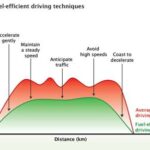 How to Drive More Efficiently
Avoid speeding, as gas mileage usually decreases rapidly above 50 mph. Anticipate traffic flow by looking ahead, allowing you to coast or glide rather than brake harshly.
How does excessive idling affect fuel efficiency?
Idling gets zero miles per gallon and wastes fuel unnecessarily. Modern engines need only about 30 seconds to warm up, even in cold weather, so avoid idling for more than a minute.
Turn off your engine if you expect to be stopped longer, such as at drive-throughs or while waiting for someone. Restarting uses less fuel than idling for extended periods, saving money and reducing emissions.
You might be interested in this content. City Driving Tips to Save Fuel
What role does reducing vehicle weight play in fuel economy?
Extra weight makes your engine work harder, increasing fuel consumption. Remove unnecessary items from your trunk or back seat, such as heavy tools, sports equipment, or cargo racks when not in use.
Every 100 pounds of excess weight can reduce fuel economy by about 1%, especially in smaller vehicles. Also, avoid carrying items on the roof as it increases aerodynamic drag, further lowering efficiency.
Leave a Reply