
Common Fuel System Problems
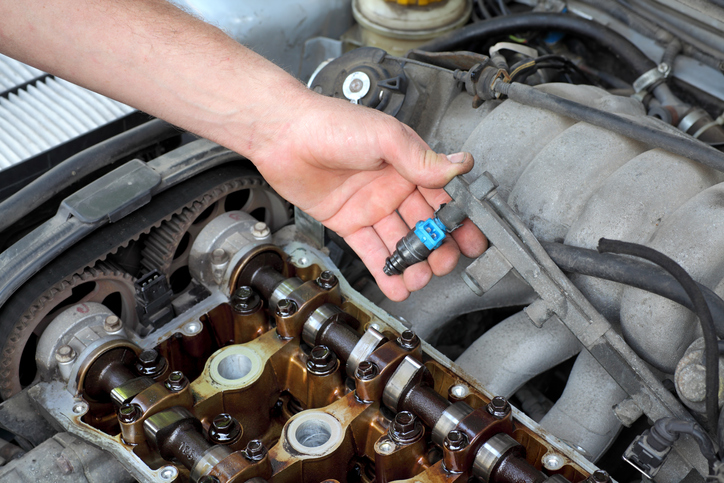
The fuel system is the lifeline of any internal combustion engine, yet it is often overlooked until performance suffers. From clogged filters and failing pumps to injector malfunctions and vapor lock, common fuel system problems can disrupt power delivery, reduce efficiency, and even prevent your vehicle from starting.
These issues typically arise from contamination, wear, or improper maintenance, leading to symptoms like rough idling, hesitation during acceleration, or reduced fuel economy. Understanding these frequent pitfalls is crucial for timely diagnostics and repairs. By recognizing early warning signs and knowing how each component functions, drivers can prevent minor hiccups from escalating into costly breakdowns, ensuring a smoother and more reliable driving experience.
Common Fuel System Problems and Their Impact on Engine Performance
The fuel system in a vehicle is responsible for storing, filtering, and delivering fuel to the engine in the correct ratio for combustion. Over time, several common issues can arise that directly affect engine efficiency, power output, and overall drivability.
Problems such as clogged fuel filters, failing fuel pumps, and contaminated fuel injectors are among the most frequent complaints from vehicle owners. These issues often manifest as hard starting, poor acceleration, stalling, or reduced fuel economy. Understanding these common fuel system problems can help drivers diagnose symptoms early and prevent costly repairs.
Clogged Fuel Filter Restricting Flow
A clogged fuel filter is one of the most common fuel system problems, as modern filters are designed to trap dirt, rust, and other contaminants from the fuel tank. When the filter becomes saturated, it restricts the flow of fuel to the engine, leading to symptoms like engine sputtering at high speeds, difficulty starting, and a noticeable loss of power under load.
Over time, a severely clogged filter can cause the fuel pump to work harder, potentially leading to premature pump failure. Regular replacement according to the manufacturer's schedule is the best preventive measure.
Failing Fuel Pump Causing Starting Issues
A failing fuel pump is notoriously difficult to diagnose because its symptoms often mimic other problems. Common signs include whining noises from the fuel tank, engine hesitation during acceleration, and the car stalling when driving uphill or under heavy load. When the pump completely fails, the engine will not start because fuel is unable to reach the injectors.
You might be interested in this content. Why Is My Vehicle Losing Power?
Causes range from running the vehicle on a low tank of fuel (which overheats the pump) to electrical issues or contamination from a dirty fuel tank.
Dirty or Leaking Fuel Injectors Affecting Combustion
Dirty or leaking fuel injectors can disrupt the precise fuel delivery required for optimal combustion. Clogged injectors result in a lean fuel mixture, causing rough idling, misfires, and failed emissions tests. Leaking injectors, on the other hand, create a rich condition that wastes fuel and can damage the catalytic converter.
Symptoms often include a strong gasoline smell, black smoke from the exhaust, and a noticeable drop in fuel economy. Professional cleaning or replacement is typically required, though using high-quality fuel and detergent additives can help prevent buildup.
| Problem | Common Symptom | Recommended Action |
|---|---|---|
| Clogged Fuel Filter | Engine sputters at high speeds; hard starting | Replace fuel filter per maintenance schedule |
| Failing Fuel Pump | Whining noise from tank; stalling under load | Inspect pump pressure; replace if faulty |
| Dirty Injectors | Rough idle; misfires; poor fuel economy | Professional cleaning or injector replacement |
Common Fuel System Problems: A Detailed Diagnostic Guide
What are the five most common fuel system failures?
The five most common fuel system failures are: clogged fuel filter, failing fuel pump, dirty or faulty fuel injectors, vapor lock, and fuel line leaks or blockages.
Clogged Fuel Filter
A clogged fuel filter prevents an adequate flow of fuel from the tank to the engine, leading to performance issues. This component traps debris and contaminants from the fuel, and over time it can become saturated or blocked.
- Engine misfires or hesitation during acceleration.
- Reduced fuel efficiency due to insufficient fuel delivery.
- Difficulty starting the engine, especially after it has been sitting.
Failing Fuel Pump
The fuel pump is responsible for delivering fuel from the tank to the engine at the correct pressure. A failing pump can cause inconsistent fuel flow, which often results from wear, electrical issues, or contamination.
- Whining or humming noise coming from the fuel tank area.
- Sudden loss of power when driving uphill or under load.
- Engine stalling or surging at high speeds.
Dirty or Faulty Fuel Injectors
Fuel injectors spray a precise amount of fuel into the combustion chamber. Over time, they can become clogged with carbon deposits or varnish, affecting the spray pattern and fuel atomization.
You might be interested in this content.
- Rough idling or frequent engine vibration when stopped.
- Poor acceleration and noticeable lag when pressing the gas pedal.
- Increased exhaust emissions and failed emissions tests.
Vapor Lock
Vapor lock occurs when fuel in the fuel line vaporizes due to excessive heat, creating bubbles that block liquid fuel flow. This is more common in older engines or during hot weather.
- Engine stalls shortly after starting, especially on hot days.
- Difficulty restarting the engine until it cools down.
- Loss of power and sputtering during operation in high temperatures.
Fuel Line Leaks or Blockages
Fuel lines can develop leaks from corrosion, physical damage, or loose connections, or they can become blocked by debris or kinks. This compromises fuel delivery and poses a safety risk.
- Visible fuel puddles or strong gasoline smell near the vehicle.
- Engine sputtering or stalling due to fuel starvation.
- Reduced fuel pressure readings during diagnostic testing.
Frequently Asked Questions
Why is my car struggling to start, even with a full tank?
This often points to a faulty fuel pump or a clogged fuel filter. The pump may not be delivering adequate pressure to the engine, or the filter is blocking fuel flow. A failing fuel pump relay can also prevent power from reaching the pump. Listen for a humming sound from the fuel tank when you turn the key—if absent, the pump is likely the culprit. Have a mechanic test the fuel pressure to verify.
What causes sputtering or hesitation during acceleration?
Sputtering usually indicates a lean fuel mixture, commonly from a clogged fuel filter restricting flow. Contaminated fuel injectors can also disrupt the spray pattern, causing misfires.
A failing fuel pressure regulator may deliver inconsistent pressure, starving the engine under load. Check for related trouble codes with an OBD-II scanner. Replacing the filter and cleaning the injectors often resolves this issue.
Why does my car have a strong gasoline smell inside the cabin?
A fuel system leak is the primary concern. This could be from a cracked fuel line, a leaking fuel injector, or a faulty fuel tank seal leaks vapors into the cabin. Loose connections at the fuel pump module are also common. This poses a serious fire risk, so park the vehicle outdoors immediately. Have a professional inspect all fuel lines and seals without delay. Never ignore this odor.
What does a loud, high-pitched whining noise from the fuel tank mean?
This noise typically indicates a failing fuel pump. The electric motor inside the pump creates a whine when it's overworked, often due to a restricted filter, low fuel level, or internal bearing wear.
You might be interested in this content. Why Does My Car Vibrate at Highway Speeds?
Running the tank very low frequently accelerates this damage. If you hear a constant whining, plan a replacement soon—complete pump failure will leave you stranded. Replacing the fuel filter alongside the pump is recommended for reliability.
Leave a Reply