
Common Driving Mistakes to Avoid
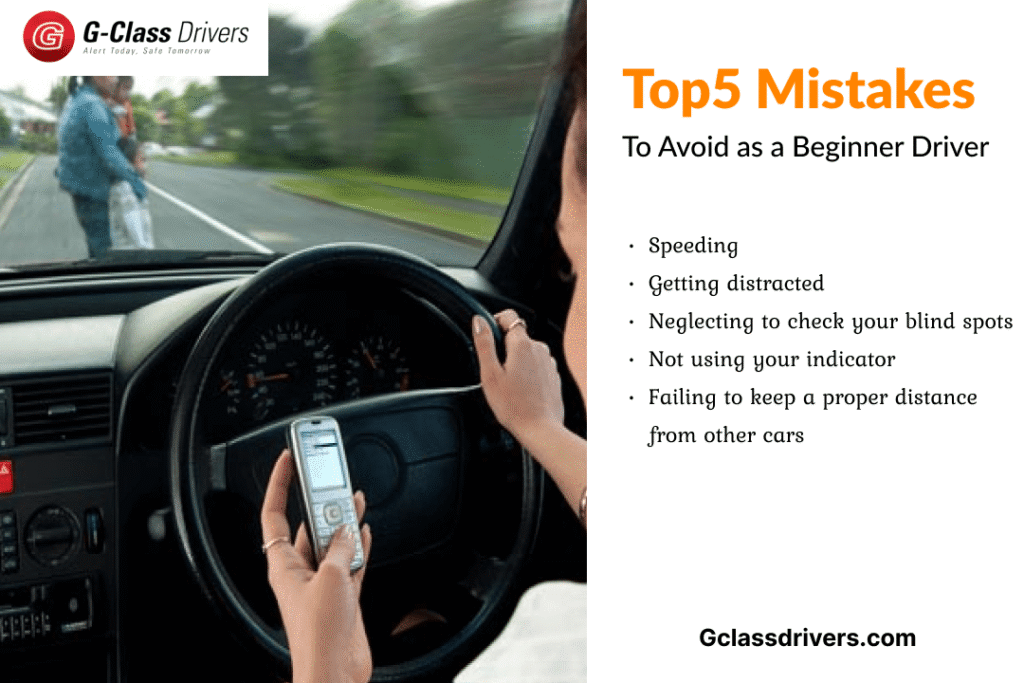
Driving is a daily necessity for millions, yet even experienced drivers fall into habits that compromise safety and efficiency. From distracted phone use to neglecting blind spots, common mistakes often stem from overconfidence or haste, leading to preventable accidents, fines, or vehicle wear. Understanding these errors is the first step toward responsible driving.
This article explores frequent pitfalls on the road—such as improper merging, speeding in adverse weather, and ignoring maintenance signs—offering practical tips to avoid them. By recognizing and correcting these missteps, you can protect yourself, passengers, and others, while ensuring a smoother, more reliable journey every time you get behind the wheel.
- Common Driving Mistakes to Avoid
- Common Driving Mistakes to Avoid for Safer Road Navigation
- Understanding Distracted Driving and Its Consequences
- Speed-Related Errors and Maintaining Safe Velocity
- Ignoring Traffic Controls and Right-of-Way Rules
- What are the most common mistakes new drivers make, and how can they be avoided?
- Improper Speed Management
- Poor Following Distance and Over-Braking
- Common Driving Errors Involving Speed and Distance
- Frequent Errors in Lane Discipline and Visibility
- Errors in Anticipation and Reaction
- Frequently Asked Questions
Common Driving Mistakes to Avoid
Driving requires constant attention and good judgment, yet even experienced drivers fall into routine errors that increase the risk of accidents. Recognizing and correcting these common mistakes—such as distracted driving, improper merging, and failing to check blind spots—is essential for road safety. Below, we break down three critical errors to watch out for.
Distracted Driving and Its Consequences
One of the most dangerous mistakes is driving while distracted, which includes using a smartphone, eating, or adjusting the radio. Even a two-second glance at a text message can lead to a serious collision because your reaction time is severely impaired. To avoid this, always keep your hands on the wheel and your mind on the road—if a call or message can't wait, pull over safely.
Improper Lane Changes and Merging
Many drivers fail to check blind spots properly or rely solely on mirrors when changing lanes, causing sideswipe crashes. The correct technique involves signaling early, checking both mirrors and your blind spot by turning your head, and maintaining a safe speed. Forgetting any of these steps can catch other drivers off guard and lead to preventable accidents.
Following Too Closely (Tailgating)
Tailgating—or driving too close to the vehicle ahead—reduces your stopping distance and is a major cause of rear-end collisions. A safe rule is to maintain a three-second following distance in good conditions, increasing it in rain or at night. If someone tailgates you, do not brake-check them; instead, gradually slow down and let them pass.
You might be interested in this content. Driving Tips for New Drivers
| Driving Mistake | Key Risk | Prevention Tip |
|---|---|---|
| Distracted Driving | Delayed reaction time | Stow your phone before driving |
| Improper Merging | Blind-spot collisions | Turn your head to check |
| Tailgating | Rear-end crashes | Keep a 3-second gap |
What are common examples of serious driving errors to avoid?
Common examples of serious driving errors to avoid include distracted driving, such as using a phone or eating while operating a vehicle, which significantly increases crash risk. Speeding, whether above the limit or too fast for conditions like rain or traffic, reduces reaction time and control. Failure to check blind spots before changing lanes can lead to collisions with unseen vehicles. Running red lights or stop signs disregards traffic control and causes intersection crashes.
Tailgating, or following too closely, leaves insufficient space to stop safely if the car ahead brakes suddenly. Impaired driving from alcohol, drugs, or fatigue impairs judgment and reflexes. Improper turning, such as cutting corners or failing to signal, confuses other drivers. Lastly, ignoring weather conditions, like not reducing speed on icy roads, makes the vehicle prone to skidding.
Understanding Distracted Driving and Its Consequences
Common Distractions and How They Impact Driving Performance
Distracted driving involves any activity that diverts attention from the road, including visual, manual, and cognitive distractions. Visual distractions occur when a driver looks away from the road, such as at a phone or navigation device. Manual distractions involve taking hands off the wheel, like adjusting the radio or eating. Cognitive distractions happen when the mind is not focused on driving, such as talking on the phone or daydreaming.
These distractions reduce awareness, slow reaction times, and increase the likelihood of missing critical cues like brake lights or pedestrians. Research shows that sending a text message takes eyes off the road for an average of five seconds, which at 55 mph is equivalent to driving the length of a football field blind. To avoid these errors, drivers should stow devices out of reach, pre-set navigation, and plan breaks for meals or calls.
- Using a handheld phone for calls, texts, or apps, which diverts visual and manual attention.
- Engaging in eating or drinking while driving, requiring one hand off the wheel and eyes on food.
- Adjusting car controls like radio, climate, or GPS while in motion, splitting focus.
The Dangers of Exceeding Limits and Adapting to Conditions
Speeding is a leading factor in fatal crashes and includes both exceeding posted speed limits and driving too fast for conditions such as rain, fog, or heavy traffic. Higher speeds increase stopping distance, reduce the driver's field of vision, and make the vehicle harder to control during emergency maneuvers.
For example, on a wet road, stopping distance nearly doubles compared to dry conditions. Additionally, speed amplifies the force of impact, raising injury severity. Tailgating, or following too closely, is often linked to speeding and reduces time to react to sudden stops. To avoid speed-related errors, drivers should adhere to posted limits, reduce speed in poor weather or when visibility is low, and maintain a following distance of at least three seconds in good conditions.
You might be interested in this content. How to Drive in Extreme Cold Weather
- Exceeding the posted speed limit, especially in school zones or residential areas where hazards are frequent.
- Driving too fast for road conditions, such as rain, snow, or curves, even if under the limit.
- Racing to beat traffic signals or changing lanes aggressively at high speeds.
Ignoring Traffic Controls and Right-of-Way Rules
Failing to Obey Signs, Signals, and Yield Requirements
Ignoring traffic controls like stop signs, red lights, or yield signs is a serious error that often leads to intersection collisions. Running a red light can cause T-bone crashes with cross traffic, while rolling through stop signs prevents proper observation of cross streets. Failure to yield the right-of-way at intersections, merge points, or pedestrian crosswalks disregards the order of traffic flow.
Similarly, not using turn signals to indicate lane changes or turns deprives other drivers of advance warning, increasing the risk of sideswipes or rear-end accidents. Drivers should always come to a full stop at stop signs, wait for green lights and clear intersections, use signals consistently, and follow right-of-way rules at four-way stops or during left turns.
- Running red lights or stop signs without a full stop, leading to intersection collisions.
- Failing to yield to pedestrians in crosswalks or to vehicles with the right-of-way at roundabouts.
- Not using turn signals when changing lanes or turning, causing confusion and crashes.
What are the most common mistakes new drivers make, and how can they be avoided?
Insufficient Scanning and Blind Spot Awareness
Failure to Check Blind Spots and Mirrors
New drivers often focus solely on the road ahead, neglecting to regularly scan their mirrors and check blind spots. This oversight is a primary cause of lane-change collisions and merging accidents. Developing a constant rhythm of mirror checks and physical head turns is essential for maintaining full situational awareness.
- Make a habit of checking your rearview and side mirrors every 5 to 8 seconds.
- Physically turn your head to check the blind spot over your shoulder before any lane change or merge.
- Avoid relying solely on side mirrors, as they do not cover the blind spot zone directly beside the car.
Improper Speed Management
Driving Too Fast or Too Slow for Conditions
Many new drivers either strictly adhere to the posted speed limit regardless of weather or road conditions, or they drive too slowly out of fear, which can frustrate others and create hazards. Understanding that the speed limit is a maximum for ideal conditions is crucial. Adjusting speed for rain, curves, heavy traffic, or construction is a critical safety skill.
- Always reduce speed by 5 to 10 miles per hour in rain, fog, or on poorly lit roads.
- When taking a sharp curve, brake to a safe speed before entering the turn, not during it.
- If you feel uncomfortable with the flow of traffic, stay in the right lane and drive at a steady, safe pace to allow faster vehicles to pass.
Poor Following Distance and Over-Braking
Tailgating and Erratic Braking Habits
New drivers frequently follow the car ahead too closely, which eliminates the reaction time needed to stop safely. Additionally, they tend to brake harshly or for no reason, confusing other drivers and wearing out brake components. Maintaining a proper following distance and braking smoothly are foundational skills for safe driving.
- Use the three-second rule: pick a fixed object ahead, then count three seconds after the car in front of you passes it. If you reach the object before you finish counting, you are following too closely.
- Scan far ahead to anticipate stops or slowdowns, allowing you to gently lift off the accelerator and brake gradually.
- Avoid unnecessary braking by coasting when possible and maintaining a consistent speed with traffic instead of constantly adjusting your speed.
One of the most frequent driving errors is distracted driving, which includes activities like using a mobile phone, eating, or adjusting the radio. This error significantly reduces reaction time and awareness of surroundings, leading to collisions. To correct this, drivers should prioritize focus by completing tasks before or after the trip.
You might be interested in this content. Mountain Driving Tips for Canadians
Common Driving Errors Involving Speed and Distance
Improper Speed Management
Driving at inappropriate speeds, whether exceeding limits or going too fast for conditions (e.g., rain or curves), reduces control and stopping distance. It is a primary cause of accidents. Corrective measures include adhering to posted signs and adjusting speed based on weather, traffic, and road design.
- Always reduce speed in adverse weather like rain, snow, or fog.
- Maintain a safe speed through curves and intersections to prevent skidding.
- Use cruise control only on dry, straight highways to avoid unintended acceleration.
Following Too Closely (Tailgating)
Tailgating reduces the space needed to stop safely, often resulting in rear-end collisions when the lead vehicle brakes suddenly. Proper correction involves applying the three-second rule, which increases with higher speeds or poor conditions.
- Choose a fixed point ahead, like a sign, and count seconds after the car in front passes it.
- Increase following distance to four or more seconds in rain, fog, or at night.
- Avoid aggressive lane changes that force you to close gaps abruptly.
Neglecting Speed Adjustments in Work Zones
Ignoring reduced speed limits in construction areas endangers workers and drivers. Fines are often doubled, but the real cost is safety. Corrections include slowing down well before signs and staying alert for sudden lane shifts.
- Reduce speed immediately upon seeing work zone warning signs.
- Watch for workers and equipment near the road edges.
- Avoid sudden braking or swerving to maintain control over uneven surfaces.
Frequent Errors in Lane Discipline and Visibility
Improper Lane Changes and Merging
Failing to signal, check mirrors, or look over the shoulder during lane changes leads to sideswipes and collisions. Correcting this requires a systematic approach to scanning and signaling. Drivers should complete checks and only move when space is clear.
- Activate turn signal at least three seconds before changing lanes.
- Check mirrors and blind spots by turning your head, not just relying on cameras.
- Merge at a speed matching traffic flow, not slower, to avoid disrupting others.
Failure to Use Mirrors Effectively
Drivers often rely solely on their rearview mirror, missing side traffic. This error causes issues when reversing or changing lanes. Correction involves adjusting mirrors to minimize blind spots and checking them every few seconds.
- Set side mirrors to see slightly to the rear, not just the sides of your car.
- Scan all three mirrors before any lateral movement.
- Use the rearview mirror frequently to monitor following vehicles and braking.
Neglecting Headlight Usage at Dawn and Dusk
Many drivers fail to use headlights during low-light conditions like dawn, dusk, or heavy rain, making vehicles less visible. This error can be corrected by turning on headlights whenever visibility is reduced, even during the day.
You might be interested in this content.
- Use low-beam headlights from sunset to sunrise, regardless of street lighting.
- Turn on headlights in rain, fog, or snow to increase visibility to others.
- Avoid high beams when following another car or in fog to prevent glare.
Errors in Anticipation and Reaction
Delayed Braking and Stopping
Waiting too long to brake, especially approaching traffic lights or stopped vehicles, reduces stopping distance and increases crash risk. Correcting this involves looking ahead and anticipating stops early.
- Scan the road far ahead for brake lights, obstacles, or changes in traffic flow.
- Begin braking gently early to signal intentions and allow smooth deceleration.
- Use engine braking on long downgrades to avoid overheating brakes.
Failure to Check Intersections
Rushing through intersections without scanning for pedestrians, cyclists, or cross-traffic is a common error. It can be corrected by stopping completely at signs and looking both ways before proceeding, even on a green light.
- Stop fully at stop signs; a rolling stop leaves no time to react.
- Look left, right, and left again before entering any intersection.
- Wait for green lights and still check for red-light runners before going.
Misjudging Gaps for Turning or Merging
Drivers often overestimate available space or speed of oncoming traffic when turning or merging, leading to close calls. Correction requires careful estimation of distance and speed, and waiting for larger gaps.
- Wait for a gap that is at least three seconds longer than you estimate.
- Look at the speed of approaching vehicles, not just distance, to judge safety.
- Turn only when you can complete the maneuver without forcing others to brake.
Frequently Asked Questions
What is the most common mistake drivers make at intersections?
Running red lights or failing to yield right-of-way is a frequent error that leads to severe crashes. Many drivers accelerate through yellow lights instead of stopping safely, increasing collision risk. To avoid this, always slow down as the light changes and come to a complete stop if it is safe. Checking cross-traffic before proceeding can prevent accidents, especially in unfamiliar areas with quick-changing signals.
Why is distracted driving considered a major mistake?
Distracted driving, such as using a phone, eating, or adjusting the radio, takes focus away from the road, causing delayed reactions. Even a two-second glance at a device can lead to rear-end collisions or missing traffic signs. To avoid this, keep your phone on silent or use hands-free features only when necessary, and pull over for tasks that require your attention. Staying alert saves lives.
How does speeding contribute to common driving errors?
Speeding reduces reaction time and increases stopping distance, making it harder to avoid obstacles or sudden stops. Drivers often underestimate how fast they are going, leading to loss of control on curves or in bad weather. Always adhere to posted limits and adjust speed based on road conditions, like rain or heavy traffic, to maintain safe braking and steering.
You might be interested in this content. City Driving Tips to Save Fuel
What mistake do drivers make with merging onto highways?
Failing to match highway speed before merging forces other cars to brake abruptly, causing congestion or crashes. Many drivers enter from ramps too slowly or fail to check blind spots for approaching vehicles. To merge safely, use your signal, accelerate to match traffic flow, and check mirrors and over your shoulder before entering. Smooth merging keeps the highway flow consistent and reduces accident risk.
Leave a Reply