
Defensive Driving Tips for Canadian Roads

Navigating Canada’s diverse landscapes from the icy highways of the Prairies to the bustling streets of Toronto demands more than just basic driving skills. Defensive driving is essential for adapting to unpredictable weather, wildlife crossings, and varying road conditions.
By staying alert, maintaining safe following distances, and anticipating hazards like black ice or moose encounters, you can significantly reduce accident risks. This guide offers practical strategies for mastering Canadian roads safely.
- Essential Defensive Driving Tips for Canadian Roads
- Essential Defensive Driving Practices for Navigating Canadian Road Conditions
- Understanding Winter Traction and Vehicle Control
- Essential Winter Emergency Preparedness on the Road
- Key Legal and Insurance Considerations for Winter Driving
- What are the best defensive driving tips for Canadian roads during winter?
- Techniques to Prevent Skids and Regain Control on Ice and Snow
- Steps to Stay Safe When Facing Blizzards, Black Ice, or Road Closures
- What are the 5 essential rules of defensive driving for Canadian roads?
- Expect the Unexpected from Other Drivers
- Adapt Speed to Road and Weather Conditions
Essential Defensive Driving Tips for Canadian Roads
Driving in Canada presents unique challenges due to diverse weather conditions, wildlife, and varying road laws across provinces. Defensive driving is crucial for staying safe, as it focuses on anticipating hazards rather than simply reacting to them. By maintaining a proactive mindset, you can significantly reduce your risk of collisions, even when other drivers make mistakes.
Key principles include adjusting your speed for conditions, maintaining a safe following distance, and always having an escape route planned. Whether you are navigating a snowy highway in Alberta or a busy city street in Ontario, these habits form the foundation of safe and responsible driving across Canada.
Adapt to Weather and Road Conditions
Canada’s climate demands constant vigilance, as conditions can change from clear to icy or foggy within minutes. Always reduce your speed when roads are wet, snow-covered, or icy, as posted speed limits are only for ideal conditions.
Ensure your vehicle is equipped with proper winter tires in provinces like Quebec, where they are mandatory, and increase your following distance to at least six to eight seconds on slick surfaces. Use your low-beam headlights in fog or heavy snow to improve visibility, and avoid sudden braking or sharp turns, which can cause a loss of control. Being aware of local weather forecasts and road advisories before you depart is also a key habit for defensive drivers.
Stay Alert to Wildlife Crossings
Collisions with large animals such as moose, deer, and elk are a serious risk, particularly in rural and forested areas of Canada, especially at dawn and dusk. Scan the road shoulders and treeline ahead for any movement or eye shine, and when you see a warning sign for wildlife, slow down immediately.
If an animal appears on the road, brake firmly and steer straight—never swerve sharply, as this can lead to a more dangerous crash into oncoming traffic or a ditch. In the event a collision is unavoidable, release the brakes just before impact to reduce the forward momentum of the vehicle. Remember that where there is one animal, there are often others following.
Practice Safe Following and Space Management
Maintaining a cushion of space around your vehicle is the cornerstone of defensive driving on Canadian roads. Use the three-second rule in good conditions, and extend it to four or more seconds in rain, snow, or on gravel roads. This constant buffer gives you ample time to react to sudden stops or debris.
Additionally, always position your vehicle so you have a clear escape path—avoid driving in another driver’s blind spot and do not tailgate large trucks, which have limited visibility and longer stopping distances. In heavy traffic, keep your eyes moving to check mirrors every few seconds and anticipate the actions of drivers around you, such as those merging from on-ramps or braking unexpectedly.
| Driving Condition | Key Defensive Action | Common Hazard |
|---|---|---|
| Snow or Ice | Reduce speed and increase following distance to 8 seconds | Loss of traction on curves |
| Wildlife Zones | Scan treelines and slow down at warning signs | Sudden animal crossing |
| Heavy Rain | Turn on low-beam lights and avoid cruise control | Hydroplaning on standing water |
| Construction Zones | Obey reduced speed limits and merge early | Narrow lanes and sudden stops |
Here are the top 12 defensive driving safety tips for navigating winter roads in Canada. 1. Thoroughly clear all snow and ice from your vehicle before driving, including the roof, hood, trunk, and all lights.
This ensures maximum visibility for you and prevents snow from sliding onto your windshield or the vehicle behind you. 2. Adjust your speed to match the road conditions, not the posted limit. In snow, ice, or slush, reduce your speed significantly to maintain control and increase your reaction time to unexpected hazards. 3. Increase your following distance to a minimum of eight to ten seconds behind the vehicle ahead.
You might be interested in this content. Highway Driving Tips for Beginners
Winter roads require much more space to stop safely compared to dry pavement. 4. Brake, accelerate, and steer smoothly and gradually. Abrupt actions can cause your tires to lose traction, leading to skids or loss of control. Anticipate stops and turns well in advance. 5. Look and steer where you want to go, not at the obstacle. If you begin to skid, remain calm, take your foot off the accelerator, and steer gently in the direction you want the front of the car to go.
Do not slam on the brakes. 6. Use your headlights at all times, even during the day. This makes your vehicle more visible to others in the reduced visibility conditions common during Canadian winters, such as snowfall, fog, and heavy overcast. 7. Be aware of black ice, which is a thin, transparent layer of ice on the road that looks like wet pavement.
It is most common on bridges, overpasses, shaded areas, and intersections. Reduce speed well in advance of these areas. 8. Give snowplows and salt trucks plenty of room. Stay at least 150 meters (about 5 car lengths) behind a working snowplow or salt spreader.
Never attempt to pass one on the right, as they can create sudden snow clouds and have wide blades. 9. Plan your route and check road conditions and weather forecasts before you leave. Avoid unnecessary travel during severe weather warnings. Allow extra time for your journey, even if conditions seem manageable. 10. Ensure your vehicle is winter-ready with proper winter tires that have sufficient tread depth.
Check your battery, antifreeze, windshield washer fluid (good to -40°C), and ensure all lights are working. 11. Keep a winter emergency kit in your vehicle. This should include items like a blanket, extra warm clothing, a first-aid kit, a flashlight, a shovel, an ice scraper, jumper cables, non-perishable snacks, and water. 12. Be extra cautious at intersections and on hills. Slush and ice can build up here, reducing traction. Assume that every intersection is slick and plan your stops and turns accordingly.
Understanding Winter Traction and Vehicle Control
How do different road surfaces affect your ability to maintain control?
Canada's winter roads present a variety of challenging surfaces, each requiring a distinct driving approach. On packed snow, your tires have only a fraction of the grip they would on dry asphalt. Ice, particularly black ice, offers the least traction, making even gentle maneuvers potentially treacherous.
Slush can cause hydroplaning, where your tires lose contact with the road entirely, especially at higher speeds. Salt-treated roads are often more manageable but can become wet and slippery again in very cold temperatures. Your primary control comes from your winter tires, which are designed to remain pliable in freezing temperatures and provide better grip on these diverse surfaces.
However, even the best tires have limits, so the key is to constantly assess the road surface beneath you and adjust your inputs to the steering wheel, brake pedal, and accelerator to be as smooth and gentle as possible. Always assume the road is slicker than it looks.
- Packed snow reduces traction by roughly 30-40 percent compared to dry pavement, requiring very gentle braking and acceleration.
- Black ice is nearly invisible and offers almost no traction; the only safe approach is to avoid sudden actions and reduce speed before you suspect it.
- Slush can cause your vehicle to pull to one side and can lead to hydroplaning if you are driving too fast.
- Salt-treated roads can appear clear but may be wet and icy in shaded spots or during the coldest parts of the day.
Essential Winter Emergency Preparedness on the Road
What should you do if you become stranded or encounter a hazard?
Even with the most careful planning, breakdowns or getting stuck can happen on Canadian winter roads. If your vehicle becomes disabled or stuck, your first priority is safety. If possible, try to steer your vehicle as far off the road as possible, away from traffic. Turn on your hazard lights immediately to alert other drivers.
If you have a high-visibility safety vest, put it on before exiting the vehicle. Once safely out of traffic, assess your situation. If you have a cell signal and are in an emergency, call 911 or the local non-emergency road assistance.
If you are in a remote area with poor cell service, stay with your vehicle, as it is your best shelter. Run the engine and heater for about 10 minutes every hour to stay warm while conserving fuel, and ensure the exhaust pipe is clear of snow to prevent carbon monoxide poisoning from backing up into the cabin.
- Move your vehicle as far from traffic as possible and activate your four-way hazard lights.
- If you must exit the vehicle, wear a high-visibility vest and watch for approaching traffic.
- Stay inside your vehicle for shelter; run the engine and heater briefly at intervals to conserve fuel and maintain warmth.
- Clear snow from the exhaust pipe periodically to prevent carbon monoxide from entering the passenger compartment.
Key Legal and Insurance Considerations for Winter Driving
What are the rules and requirements you must follow in Canada?
Canada has specific laws and insurance implications that can make winter driving a legal matter beyond just safety. Most provinces, including Quebec, British Columbia, and Ontario, have regulations that require winter tires during the winter months, though the specific dates and tire requirements vary. For example, in Quebec, winter tires are mandatory from December 1 to March 15.
You might be interested in this content.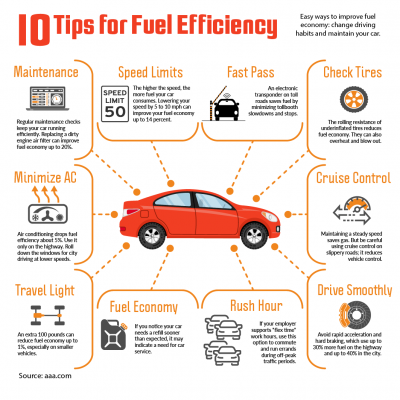 How to Improve Fuel Economy While Driving
While other provinces do not mandate them, insurance companies may offer discounts for using them, and not having them can affect your liability in the event of a claim if the road conditions clearly required them. It is also illegal in all provinces and territories to drive with a snow-covered vehicle; you must fully clear your windows, mirrors, lights, and roof. Failing to do so can result in a fine.
Familiarizing yourself with your specific province's highway traffic act concerning winter equipment, visibility, and speed in adverse conditions is a crucial part of responsible winter driving.
- Check your province's specific regulations regarding mandatory winter tire usage dates and required tread depth.
- Understand that failing to clear snow and ice from your entire vehicle, including the roof, is an offense that can result in a traffic ticket.
- Be aware that your insurance coverage could be affected if you
What are the best defensive driving tips for Canadian roads during winter?
Defensive driving on Canadian roads during winter requires proactive adjustments to vehicle handling, situational awareness, and route planning. The following tips prioritize safety by accounting for ice, snow, reduced visibility, and unpredictable weather patterns.
Adjusting Speed and Following Distance for Winter Conditions
How to Modify Speed and Distance to Compensate for Reduced TractionDriving at the posted speed limit is often unsafe on icy or snow-covered roads because traction is significantly diminished. Reducing speed by 10 to 20 kilometers per hour below the limit allows more time to react and reduces stopping distance.
To account for longer braking on slippery surfaces, increase the following distance behind the vehicle ahead to at least four to six seconds, instead of the standard two-second rule This extra space provides a buffer if you need to stop suddenly or if the vehicle in front loses control.
Avoid accelerating or braking abruptly, as sudden inputs can cause wheels to lock or slide. Use gentle, gradual pressure on the gas and brake pedals to maintain stability.
- Reduce speed by 10-20 km/h below the posted limit on snow or ice.
- Increase your following distance to 4-6 seconds to allow for longer stopping.
- Avoid sudden acceleration or braking by applying inputs smoothly.
- Check road conditions frequently and adjust speed based on visibility.
Managing Traction and Vehicle Control on Slick Surfaces
Techniques to Prevent Skids and Regain Control on Ice and Snow
Maintaining traction is essential for defensive driving in Canadian winters. Equip your vehicle with winter tires, which provide better grip below 7 degrees Celsius compared to all-season tires. When driving through slush or packed snow, steer smoothly and avoid overcorrecting if the car begins to skid.
If you enter a skid, look in the direction you want the vehicle to go, then gently steer into that direction without slamming the brakes. For front-wheel-drive vehicles, applying slight acceleration can help pull the car out of a skid; for rear-wheel-drive, ease off the gas.
Brake using a pulsing technique or allow the anti-lock braking system (ABS) to modulate automatically by applying firm, continuous pressure. On steep hills, reduce speed before descending and use engine braking by shifting to a lower gear to avoid relying solely on brakes.
- Install winter tires to improve grip on ice and snow.
- Steer smoothly into a skid and avoid sharp corrections.
- Use engine braking on hills by downshifting to a lower gear.
- Apply firm, steady pressure on brakes to activate ABS if available.
Preparing for Emergencies and Poor Visibility
Steps to Stay Safe When Facing Blizzards, Black Ice, or Road Closures
Winter conditions in Canada often include sudden whiteouts, black ice, and prolonged delays. Always clear all snow and ice from your vehicle, including the roof, hood, lights, and mirrors, before departing to ensure full visibility and prevent snow from sliding onto the windshield or other drivers.
Keep an emergency kit in your trunk containing items such as a shovel, ice scraper, blanket, flashlight, jumper cables, and non-perishable snacks. If you encounter black ice, which appears as a glossy patch on the road, do not brake or turn suddenly; instead, release the accelerator and coast over the patch.
You might be interested in this content. Safe Driving During Heavy Rain
When visibility drops due to heavy snow or blowing snow, slow down and use low-beam headlights or fog lights; high beams can reflect off snow and worsen visibility. If conditions become too severe, pull over safely to a parking lot or rest area and wait for improvement.
- Remove all snow and ice from the vehicle to maintain visibility.
- Carry an emergency kit with shovel, blanket, and flashlight.
- Coast over black ice without braking or turning abruptly.
- Use low-beam headlights and pull over if visibility becomes extremely poor.
What are the 5 essential rules of defensive driving for Canadian roads?
Defensive driving on Canadian roads requires you to continuously scan the environment for potential hazards. This means looking far ahead, checking side mirrors every 5 to 8 seconds, and monitoring your rearview mirror to identify vehicles approaching from behind.
In Canada, weather conditions like snow, ice, or fog can change rapidly, so you must also watch for reduced traction zones, black ice patches, or sudden whiteout conditions. Staying alert to wildlife crossings, particularly in rural areas with moose or deer, is critical for avoiding collisions.
- Scan 12 to 15 seconds ahead of your vehicle to spot slowing traffic, debris, or animals.
- Check all mirrors regularly to know the position of vehicles in adjacent lanes.
- Watch for environmental cues such as shade on the road (indicating possible ice), wet pavement, or fog banks.
Maintain a Safe Following Distance
Using the Three-Second Rule and Increasing It in Adverse Conditions
A fundamental rule of defensive driving in Canada is keeping a safe distance from the vehicle ahead to allow enough time to react. Under normal conditions, use the three-second rule: pick a fixed object like a sign or tree, and when the car in front passes it, count one-thousand-one, one-thousand-two, one-thousand-three.
If you reach the object before finishing, you are too close. In winter, rain, or construction zones, increase this to four or more seconds because stopping distances double or triple on icy or snow-covered roads. This buffer helps prevent rear-end collisions, a common accident type in Canadian provinces.
- Apply the three-second rule under ideal weather and road conditions.
- Extend following distance to six to eight seconds during heavy rain, snow, or fog.
Adjust following distance further when driving behind large trucks or buses, as they create spray and have longer stopping distances.
Expect the Unexpected from Other Drivers
Defensive driving in Canada means you must always anticipate that other motorists may make errors, such as sudden lane changes, failure to yield, or running red lights. In Canadian cities like Toronto or Vancouver, traffic congestion can lead to aggressive driving; in rural areas, drivers may be unfamiliar with local conditions.
Assume that a driver at an intersection might not stop, and that a cyclist or pedestrian may appear unexpectedly. By keeping your speed moderate, avoiding blind spots, and having an escape route planned, you reduce the risk of being caught off guard by another's actions.
- Assume other drivers will fail to signal before turning or changing lanes.
- Be prepared for vehicles to ignore stop signs or traffic lights, especially in busy intersections.
Watch for erratic behavior like speeding, tailgating, or drifting, and give such vehicles extra space.
Adapt Speed to Road and Weather Conditions
Canadian law requires you to drive at a speed that is safe for the existing conditions, which may be lower than the posted limit. In winter, driving at 50 km/h on a highway with black ice or heavy snowfall can be unsafe even if the limit is 100 km/h. Similarly, in summer, heavy rain or construction zones necessitate slower speeds to maintain control.
Defensive drivers adjust their speed early, especially when approaching curves, hills, or areas with reduced visibility. This rule is crucial for avoiding hydroplaning, skidding, or losing traction on gravel or unpaved roads common in northern regions.
You might be interested in this content. Winter Road Trip Driving Guide
- Reduce speed by at least 20-30% in rain, fog, or snow compared to clear conditions.
- Slow down well before curves, intersections, and railway crossings to maintain stability.
Never exceed a speed that allows you to stop within the visible range of your headlights at night or in poor visibility.
Minimize Distractions and Stay FocusedEliminating Interior and Exterior Distractions While DrivingDistracted driving is a leading cause of crashes in Canada, and defensive driving requires full attention on the task. This means putting away your phone, setting GPS before moving, and avoiding eating, grooming, or adjusting music while driving.
Leave a Reply