
Driving Safely in Canadian Winters
Canadian winters present a unique set of challenges for drivers, transforming familiar roads into unpredictable landscapes of ice, snow, and blinding squalls. Navigating these conditions safely requires more than just caution; it demands preparation, specialized skills, and a profound respect for the elements.
From understanding the critical importance of winter tires to mastering techniques for handling a skid, every journey becomes a test of resilience. This article explores essential strategies for maintaining control and peace of mind behind the wheel when the mercury drops, ensuring you reach your destination securely despite the season’s harshest trials.
- Mastering Winter Driving in Canada: Essential Safety Tips
- Essential Tips for Driving Safely in Canadian Winters
- Preparing Your Vehicle for Winter Conditions
- Adjusting Driving Techniques for Snow and Ice
- Planning for Safe Long-Distance Winter Travel
- Preparing Your Vehicle for Canadian Winter Driving
- Driving Techniques for Snow and Ice Conditions
- Handling Emergency Situations in Winter Weather
- Frequently Asked Questions
Mastering Winter Driving in Canada: Essential Safety Tips
Winter driving in Canada presents unique challenges due to ice, snow, and extreme cold. Ensuring your vehicle is prepared, adapting your driving techniques, and staying informed are crucial for navigating Canadian roads safely during this harsh season. From maintaining proper tire pressure to understanding the risks of black ice, proactive preparation can prevent accidents and keep you secure.
How to Prepare Your Vehicle for Canadian Winter Roads
Equipping your car with winter tires is the single most important step for safe winter driving, as they provide superior traction on snow and ice compared to all-season tires. Additionally, ensure your battery is in good condition, your antifreeze levels are adequate, and your windshield washer fluid is rated for -40°C. Always carry an emergency kit containing blankets, a flashlight, a shovel, and non-perishable snacks, in case you become stranded.
Essential Driving Techniques for Snow and Ice
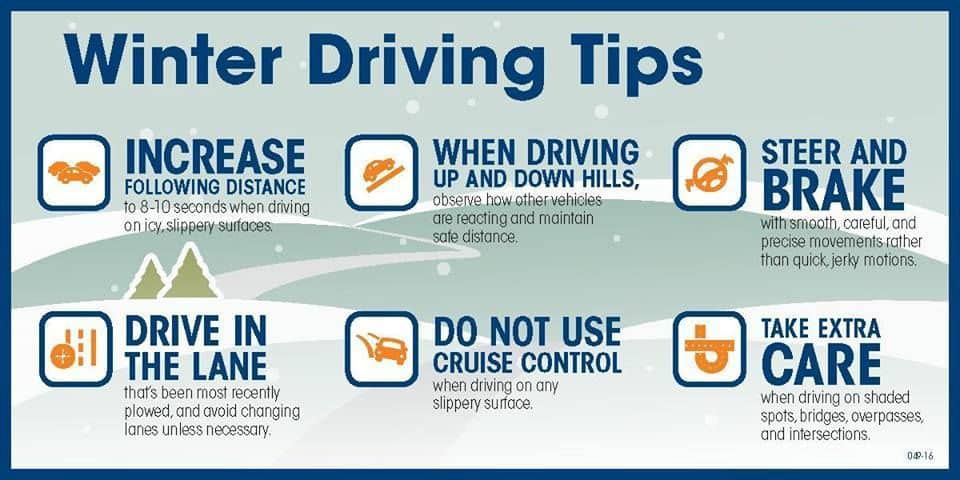
When driving on slippery surfaces, accelerate and brake gently to avoid losing traction, and increase your following distance to at least 8 seconds behind the vehicle ahead. If you encounter black ice, which often appears as a shiny patch on the road, avoid sudden steering or braking; instead, ease off the accelerator and steer straight until you regain control. Always reduce your speed in poor visibility conditions like blowing snow or heavy fog.
Staying Informed and Planning Your Winter Trips
Before heading out, check local weather forecasts and road conditions via apps or government websites like Environment Canada and provincial highways services. If a winter storm warning is issued, delay your trip if possible. When driving long distances, inform someone of your route and expected arrival time, and ensure your gas tank is at least half full to prevent fuel line freezing and provide emergency heat.
| Item | Importance | Winter Tip |
|---|---|---|
| Winter Tires | Critical for traction | Replace before first snowfall |
| Emergency Kit | Essential for survival | Include blanket, flashlight, shovel |
| Defensive Driving | Prevents accidents | Increase following distance, brake gently |
| Weather Check | Avoids dangerous trips | Use reliable apps before departure |
Essential Tips for Driving Safely in Canadian Winters
What are the key safety tips for driving in Canada during winter?
Key safety tips for driving in Canada during winter include ensuring your vehicle is properly equipped for cold and snowy conditions. Use winter tires for better traction on ice and snow, as they are mandatory in some provinces like Quebec. Keep a winter emergency kit in your car, containing items such as a blanket, flashlight, shovel, ice scraper, and non-perishable snacks. Drive at reduced speeds to maintain control on slippery roads, and increase following distance to at least four seconds behind the vehicle ahead.
Avoid sudden movements like hard braking or sharp turns, as these can cause skids. Check weather forecasts and road conditions before traveling, especially in remote areas where services may be sparse. Ensure your battery, antifreeze, and windshield washer fluid are rated for low temperatures, and keep your gas tank at least half full to prevent fuel line freezing. If you encounter a blizzard, pull over safely and wait for visibility to improve.
You might be interested in this content. How to Drive on Snow and Ice
Preparing Your Vehicle for Winter Conditions
Essential vehicle maintenance and equipment for winter driving
Before winter driving, conduct a thorough inspection of your vehicle to ensure it can handle harsh conditions. Check that your battery is fully charged and connections are clean, as cold weather drains battery power quickly. Winter tires with adequate tread depth provide essential grip on snow and ice, reducing stopping distances significantly.
Fill windshield washer fluid with a winter-grade solution to prevent freezing, and replace wiper blades if they leave streaks. Test all lights, including headlights and brakelights, which are crucial during shorter days and poor visibility. Keep an emergency kit in your car, stocked with items to sustain you if stranded.
- Inspect and replace worn wiper blades, ensuring they clear the windshield effectively in heavy snow or sleet
- Verify that your car's cooling system has proper antifreeze levels to prevent engine block freezing
- Install winter tires with the mountain snowflake symbol, and check tire pressure monthly as it drops in cold weather
Adjusting Driving Techniques for Snow and Ice
Practical maneuvers to maintain control on slippery roads
Adapting your driving style is critical to avoid accidents on ice-covered highways. Accelerate gently from a stop to prevent wheel spin, and brake early and smoothly to avoid locking the wheels, using gentle pressure on the pedal. When turning, reduce speed well before the curve and steer steadily without jerking the wheel.
If you start to skid, look where you want to go, steer in that direction, and avoid hitting the brakes. On steep hills, use a lower gear to manage speed and avoid losing traction. Always allow extra time for your journey, as winter driving tasks take longer due to reduced road friction.
- Increase your following distance to at least four seconds on snow-covered roads, and eight seconds on ice
- Avoid using cruise control on slippery surfaces, as it can cause unintended acceleration during loss of traction
- If you feel the vehicle sliding, gently steer into the direction of the skid without overcorrecting
Planning for Safe Long-Distance Winter Travel
Strategies to handle severe weather and remote routes
For trips across provinces or through rural areas, proactive planning can prevent dangerous situations. Check Environment Canada forecasts and road reports from local transportation authorities before departure, particularly for mountain passes or northern routes prone to sudden storms. Inform someone of your route and expected arrival time so they can alert authorities if you are overdue.
Keep your gas tank above half full to avoid condensation and fuel line issues, and carry extra supplies like a portable battery charger and warm clothing. If you must stop due to a whiteout, pull well off the road and turn on hazard lights to remain visible.
- Monitor weather alerts specifically for blizzard warnings and wind chill advisories that affect driving safety
- Pack a fully charged phone and a car charger to maintain communication when cell signals may be weak
- Choose daytime travel when possible, as visibility is better and wildlife like moose are less active
How to drive safely in Canadian winter conditions?
Driving safely in Canadian winter conditions requires careful preparation, cautious driving techniques, and an understanding of how weather affects vehicle handling. Check weather forecasts and road conditions before departing, and allow extra travel time.
Ensure your vehicle is equipped with winter tires, which provide better traction on snow and ice compared to all-season tires. Keep your gas tank at least half full to prevent fuel line freezing.
You might be interested in this content.
Clear all snow and ice from windows, mirrors, headlights, and roof before driving. Maintain a safe following distance of at least 8-10 seconds behind other vehicles, as stopping distances increase dramatically on slippery roads.
Accelerate and decelerate gently to avoid losing traction, and steer smoothly into turns at reduced speeds. Use lower gears on downhill slopes to manage speed without relying solely on brakes.
Be aware of black ice, which appears as a glossy sheen on the road, especially on bridges and shaded areas. In case of a skid, steer in the direction you want the front of the car to go without slamming the brakes. Keep an emergency kit with items like a blanket, flashlight, shovel, ice scraper, jumper cables, and snacks. Avoid using cruise control in wintry conditions, as it can reduce your ability to respond to sudden changes in traction.
Preparing Your Vehicle for Canadian Winter Driving
Essential Winter Vehicle Maintenance and Equipment
Proper vehicle preparation is critical for safe winter driving across Canada. Start by installing a set of four winter tires with the three-peak mountain snowflake symbol for maximum grip. Check tire pressure monthly, as it drops in cold temperatures. Replace windshield wiper blades with winter-specific ones and use winter-grade washer fluid with a lower freezing point. Ensure your battery is tested for cold cranking amps and replace it if weak.
Inspant brakes, including pads, rotors, and fluid levels, to guarantee reliable stopping power. Keep the cooling system filled with proper antifreeze mixture to prevent freezing. Test all lights, including headlights, taillights, and turn signals, for optimal visibility. Pack a dedicated winter emergency kit with items like a portable jumper battery pack, traction aids such as salt or cat litter, a small folding shovel, extra warm clothing, and chemical hand warmers. Consider adding a reflective safety vest and road flares for nighttime breakdowns.
Make sure your vehicle's heating and defrosting systems work effectively to keep windows clear and passengers warm. Store an extra ice scraper and snow brush inside the cabin for easy access. Regularly clear snow from the roof to prevent it from sliding onto the windshield or flying onto other vehicles. Check that all four doors and the trunk open easily and have working locks to prevent freezing issues.
- Install winter tires with three-peak mountain snowflake symbol on all four wheels
- Maintain proper tire pressure and check monthly
- Test battery and replace if cold cranking amps are low
- Use winter-grade washer fluid and replace wiper blades
- Assemble a winter emergency kit with blanket, shovel, traction aids, and flashlight
Driving Techniques for Snow and Ice Conditions
Mastering Smooth Control on Slippery Roads
Adjusting your driving style is essential when navigating snow and ice. Begin by reducing your speed significantly below posted limits, as even 5-10 km/h less can improve stopping distances and control.
Accelerate gently when starting from a stop to prevent wheel spin; if you get stuck, rock the car gently by alternating between forward and reverse gears. Brake gradually by applying pressure early and easing off before coming to a complete stop.
You might be interested in this content. Highway Driving Tips for Beginners
Pump the brakes lightly if you do not have anti-lock brakes, but with ABS, press and hold firmly to let the system do the work. Increase following distance to at least 8-10 seconds behind other vehicles to account for longer stopping distances on slick surfaces.
Steer into turns at slower speeds and avoid sudden steering inputs that could cause the car to slide. Handle hills by maintaining momentum on the ascent—avoid stopping on an uphill if possible—and use engine braking by shifting to a lower gear on descents. Be especially cautious on intersections, curves, and unplowed roads where traction loss is common. When encountering a skid, stay calm, look the way you want to turn the car, and steer smoothly without overcorrecting.
Do not use cruise control, as it can accelerate unexpectedly on icy patches. If visibility drops during snowstorms or whiteouts, pull over safely away from traffic and turn on hazard lights until conditions improve. Keep both hands on the steering wheel at the 9 and 3 positions for better control during sudden movements.
- Reduce speed and increase following distance to at least 8 seconds
- Brake early, gently, and use engine braking on hills
- Steer smoothly into curves and avoid sudden inputs
- Handle skids by steering in the intended direction without braking hard
- Never use cruise control on winter roads
Handling Emergency Situations in Winter Weather
Strategies for Breakdowns, Crashes, and Stranded Conditions
Knowing how to respond to winter emergencies can save lives. If your vehicle breaks down, pull off the road as far as possible, turn on hazard lights, and stay inside unless a safe exit is assured. Call for roadside assistance and inform someone of your location and situation. If stranded in a snowstorm, run the engine sparingly—only for 10 minutes per hour—to conserve fuel while maintaining warmth, and ensure the exhaust pipe is clear of snow to prevent carbon monoxide poisoning.
Move your arms and legs periodically to maintain circulation but avoid sweating from overexertion. Signal for help by tying a bright cloth to the antenna or door handle, and use the dome light at night sparingly to avoid draining the battery.
In case of a minor crash, move vehicles to the shoulder if possible; if not, stay in the car with seatbelts on until help arrives. For collisions on highways, do not stand between cars or directly on the road. Always keep a charged mobile phone with emergency numbers pre-programmed.
Carry a high-visibility vest and flares or reflective triangles to mark your location. If you must walk for help, do so only in daylight with proper clothing and inform someone of your plan. After being assisted, have your vehicle thoroughly inspected by a mechanic before continuing to drive. Learn basic first aid for cold-related injuries like frostbite and hypothermia, and keep a simple first aid kit in the car.
- Stay in the vehicle during breakdowns unless a safe exit is possible
- Run the engine briefly with a clear exhaust and conserve fuel
- Signal for help with bright cloths and hazard lights
- Keep a charged phone and emergency contact numbers
- Carry a winter first aid kit with supplies for cold injuries
Frequently Asked Questions
What is the most important preparation for driving in Canadian winters?
The most crucial preparation is installing winter tires. They provide better traction on snow and ice due to specialized rubber compounds and tread patterns. Always check tire pressure monthly as it drops in cold weather. Additionally, ensure your car’s battery, antifreeze levels, and windshield washer fluid are winter-grade. A winter emergency kit including blankets, a shovel, and a flashlight is also essential for safety.
You might be interested in this content. Mountain Driving Tips for Canadians
How should I adjust my driving speed on icy roads?
Reduce your speed significantly on icy roads to maintain control, as stopping distances increase by up to ten times. Drive at a pace that lets you react to hazards without braking hard. Avoid sudden acceleration or sharp turns, and use gentle, steady inputs. A good rule is to drive at half the posted speed limit or slower if conditions are poor, especially on highways and curves.
What should I do if my car starts to skid on black ice?
If your car skids on black ice, stay calm and avoid slamming the brakes. Instead, take your foot off the accelerator and steer gently in the direction you want to go. Don’t overcorrect, as it can cause a spinout. For front-wheel drive, lightly accelerate to regain traction; for rear-wheel drive, ease off the gas. Let the car slow naturally until grip returns, then proceed cautiously.
How can I prevent my car from freezing overnight during extreme cold?
To prevent freezing, plug in your engine block heater for at least 4 hours before driving in temperatures below -15°C. Use a winter-grade oil with lower viscosity for easier starts. Park in a garage if possible, or use a car cover to reduce heat loss. Keep the fuel tank over half full to avoid condensation in the lines. Also, test your battery’s charge, as cold drains it quickly.
Leave a Reply