
Kia Rio Won’t Start: Causes, Quick Checks, and Smart Fixes

When a Kia Rio won’t start, it can turn a normal morning into a tiny roadside drama. One minute we’re grabbing coffee, thinking about traffic, and the next we’re staring at the dashboard like it owes us an explanation. The good news? A no-start Kia Rio usually follows a pattern. It may feel mysterious, but the car is often giving us clues through sounds, lights, smells, and behavior.
Sometimes the issue is as simple as a weak battery. Other times, it could be a faulty starter, bad ignition switch, fuel delivery issue, immobilizer problem, blown fuse, or sensor failure. The trick is not to panic and not to replace parts blindly. We want to diagnose the problem like a mechanic with a flashlight, not like someone throwing darts in the dark.
In this guide, we’ll walk through the most common reasons a Kia Rio won’t start, how to read the symptoms, what we can check at home, and when it’s smarter to call a professional. We’ll keep it practical, relaxed, and clear—because nobody needs a mechanic’s dictionary when the car is already testing their patience.
- Why Your Kia Rio Won’t Start
- Kia Rio Won’t Start Symptoms: What the Car Is Telling Us
- Most Common Reasons a Kia Rio Won’t Start
- Kia Rio Cranks but Won’t Start
- Kia Rio Won’t Start After Sitting
- Kia Rio Won’t Start in Cold Weather
- Kia Rio Won’t Start but Battery Is Good
- Kia Rio Push Button Start Problems
- Kia Rio Immobilizer or Key Problems
- Kia Rio Ignition Switch Problems
- Kia Rio Starts Then Dies
- Kia Rio Won’t Start After Driving
- Kia Rio Won’t Start After Battery Replacement
- Kia Rio Won’t Start After Refueling
- Kia Rio Won’t Start and Check Engine Light Is On
- DIY Checklist: What to Do When a Kia Rio Won’t Start
- When to Call a Mechanic
- Estimated Repair Difficulty
- How to Prevent Kia Rio Starting Problems
- Kia Rio Won’t Start: Quick Symptom Table
- Final Thoughts: Don’t Guess—Follow the Clues
- FAQs About Kia Rio Won’t Start
Why Your Kia Rio Won’t Start
A Kia Rio needs several things to start correctly: electrical power, fuel, air, compression, spark, and proper communication between the key, immobilizer, sensors, and engine control module. If one link in that chain breaks, the engine may crank without starting—or it may not crank at all.
That distinction matters.
If your Rio does not crank, we’re usually looking at battery, starter, ignition, fuse, relay, neutral safety switch, or security-related issues.
If your Rio cranks but won’t start, the starter is doing its job, but the engine is missing fuel, spark, air, timing, or correct sensor information.
Think of it like trying to light a campfire. If we don’t have a match, nothing happens. If we have a match but wet wood, the fire still refuses to catch. A car works in a similar chain reaction.
Kia Rio Won’t Start Symptoms: What the Car Is Telling Us
Before grabbing tools, listen and observe. The sound your Kia Rio makes when you turn the key or press the start button can narrow the problem quickly.
No Sound When Turning the Key
If there is silence when you try to start the car, the issue may be:
- Dead battery
- Loose battery terminals
- Bad ignition switch
- Blown main fuse
- Faulty starter relay
- Immobilizer issue
- Gear selector not fully in Park or Neutral
Silence is not always expensive, but it does mean the starting circuit is not waking up properly.
Clicking Sound but Engine Won’t Crank
A clicking noise often points toward weak battery power. The starter solenoid may be trying to engage, but the battery does not have enough strength to spin the engine.
Common causes include:
- Weak battery
- Corroded terminals
- Bad ground connection
- Failing starter motor
- Loose battery cables
If the dashboard lights dim heavily when you try to start, battery power should be our first suspect.
Engine Cranks but Does Not Start
This means the starter is spinning the engine, but combustion is not happening. Possible causes include:
- Empty or contaminated fuel
- Bad fuel pump
- Failed crankshaft position sensor
- Faulty camshaft position sensor
- Ignition coil issue
- Spark plug problems
- Immobilizer fault
- Timing chain or belt issue
- Flooded engine
This symptom often needs a little deeper diagnosis.
Dashboard Lights Come On but Car Won’t Start
If the lights work but the Rio still won’t start, the battery may not be fully healthy. Accessories can work even when the battery is too weak to crank the engine. It’s like having enough energy to whisper, but not enough to shout.
Also check whether a security light, key warning light, check engine light, or battery light stays on.
Most Common Reasons a Kia Rio Won’t Start
Let’s break down the usual suspects. Some are simple driveway fixes. Others need a scan tool, multimeter, or mechanic.
1. Weak or Dead Battery
The battery is the first place we should look when a Kia Rio won’t start. It powers the starter motor, fuel pump, ignition system, lights, sensors, and onboard computers. If the battery is weak, everything else becomes questionable.
A battery problem is more likely if:
- The car makes rapid clicking sounds
- Interior lights are dim
- Dashboard lights flicker
- The car starts after a jump-start
- The battery is older than 3–5 years
- The problem is worse in cold weather
- The car sat unused for several days
Quick Battery Checks
We can start with simple visual checks:
- Make sure the battery terminals are tight
- Look for white, blue, or green corrosion
- Check for swollen battery casing
- Inspect the cables for looseness or damage
- Try turning on headlights and watching brightness
If the headlights are very dim before starting, the battery may be drained. If they dim dramatically while trying to start, the battery may be too weak or the starter may be drawing too much current.
You might be interested in this content. Problems With Kia Rio: What We Should Know Before Buying or Keeping One
Can a Kia Rio Battery Be Too Weak Even If Lights Work?
Yes. This catches many drivers off guard. Lights, radio, and dashboard displays use much less power than the starter motor. So, a weak battery can still run small electronics while failing to crank the engine.
2. Loose or Corroded Battery Terminals
Sometimes the battery itself is fine, but the connection is poor. Corrosion acts like a traffic jam for electricity. The power is there, but it can’t flow properly.
Signs of terminal trouble include:
- Intermittent starting
- Clicking noise
- Flickering dashboard lights
- Starting after wiggling the cable
- Visible powdery corrosion on terminals
Cleaning the terminals can make a dramatic difference. We should disconnect the negative terminal first, then the positive, clean the corrosion carefully, and reconnect everything tightly.
3. Bad Starter Motor
The starter motor is responsible for physically turning the engine when we start the car. When it fails, the battery may be strong, but the engine still refuses to crank.
A bad starter may cause:
- One loud click
- No crank
- Grinding noise
- Intermittent starting
- Smoke or burning smell in severe cases
- Starting after tapping the starter lightly
If the battery tests good and connections are clean, the starter becomes a serious suspect.
4. Faulty Starter Relay or Fuse
The starter relay is like a tiny gatekeeper. When we turn the key or press the start button, the relay sends power to the starter circuit. If the relay fails, power may never reach the starter.
A blown fuse can do the same thing.
What to Check
Look in the fuse box for:
- Starter fuse
- Ignition fuse
- ECU fuse
- Fuel pump fuse
- Main relay
- Starter relay
Replacing a fuse is cheap, but if the new fuse blows again, there is a deeper electrical problem. That’s when we should stop guessing and get the wiring checked.
Kia Rio Cranks but Won’t Start
When the Kia Rio cranks but won’t start, the starter is turning the engine, but something is missing. Usually, we’re dealing with fuel, spark, air, compression, or timing.
5. Empty Fuel Tank or Bad Fuel Level Reading
It sounds too simple, but it happens. Sometimes the fuel gauge lies due to a faulty sending unit. Other times, we’re just running lower than we thought.
If the car cranks normally but won’t start, add a small amount of fuel if there’s any doubt. A Rio can’t run on optimism.
6. Failing Fuel Pump
The fuel pump sends gasoline from the tank to the engine. If it fails, the engine may crank all day and never start.
Signs of fuel pump trouble include:
- Cranking but no start
- Whining noise from the rear before failure
- Engine sputtering before it died
- Loss of power while driving
- Hard starts after sitting
- No fuel pump sound when ignition is turned on
Usually, when we turn the key to the “ON” position, we may hear a soft hum from the rear of the car for a second or two. That’s the fuel pump priming. If there is no sound, it could be the pump, relay, fuse, wiring, or immobilizer.
7. Clogged Fuel Filter or Fuel Line Issue
A restricted fuel filter or fuel line can prevent enough fuel from reaching the engine. This is less common than battery or starter problems, but it can happen, especially in older vehicles or cars with contaminated fuel.
Symptoms may include:
- Long cranking
- Poor acceleration before no-start
- Stalling under load
- Rough idle
- Engine starts then dies
8. Bad Crankshaft Position Sensor
The crankshaft position sensor tells the engine computer where the crankshaft is. Without that signal, the computer may not know when to fire spark or inject fuel.
This can cause:
- Crank but no start
- Sudden stalling
- No RPM movement while cranking
- Intermittent starting when hot
- Check engine light
This is one of those sneaky problems that can feel random. The car may start cold, refuse when hot, then start again after cooling down.
9. Bad Camshaft Position Sensor
The camshaft position sensor helps the computer manage ignition and fuel timing. If it fails, the Kia Rio may crank longer than usual, run poorly, or not start at all.
You might be interested in this content. Hyundai Palisade Problems: What We Should Know Before Buying or Owning One
Possible symptoms:
- Extended crank
- Rough idle
- Poor fuel economy
- Stalling
- Check engine light
- Crank but no start
A diagnostic scan is helpful here because sensor-related problems often leave fault codes.
Kia Rio Won’t Start After Sitting
If your Kia Rio won’t start after sitting overnight, for a week, or for several months, the cause may be different from a sudden no-start after driving.
10. Parasitic Battery Drain
A parasitic drain happens when something keeps using electricity after the car is off. It could be a glovebox light, faulty module, aftermarket alarm, dashcam, radio issue, or trunk light.
Signs include:
- Battery dies repeatedly
- Car starts after a jump but dies again later
- New battery goes flat
- Problem worse after sitting
If we replace the battery without fixing the drain, the new battery becomes the next victim.
11. Old Fuel
If the Kia Rio sat for months, stale fuel can make starting difficult. Gasoline degrades over time, and old fuel may cause rough running, long cranking, or no start.
This is more likely if:
- The car sat for several months
- Fuel smells sour or varnish-like
- Engine starts then runs badly
- Fuel system components are clogged
12. Moisture and Corrosion
Cars dislike sitting. Moisture can creep into connectors, grounds, ignition parts, and fuse boxes. Corrosion may create intermittent electrical faults that appear only when conditions are damp.
Kia Rio Won’t Start in Cold Weather
Cold weather makes weak parts reveal themselves. A battery that barely works in summer may quit completely in winter.
Why Cold Weather Makes Starting Harder
Cold temperatures:
- Reduce battery power
- Thicken engine oil
- Make the starter work harder
- Affect fuel vaporization
- Increase electrical resistance in poor connections
A Kia Rio that struggles only in cold weather usually points us toward the battery, terminals, starter, or oil condition.
Cold Weather Starting Tips
Try these steps:
- Turn off lights, radio, heater, and accessories.
- Make sure the gear selector is in Park.
- Press the brake firmly.
- Try starting for a few seconds, then pause.
- Avoid repeated long cranking.
- If needed, jump-start the car safely.
If it starts with a jump, test the battery and charging system.
Kia Rio Won’t Start but Battery Is Good
This is where things get interesting. If the battery is confirmed healthy, we should move to the starter circuit, ignition system, fuel system, and immobilizer.
Possible Causes When Battery Tests Good
A good battery does not rule out:
- Bad starter
- Faulty starter relay
- Loose ground strap
- Bad ignition switch
- Neutral safety switch problem
- Faulty brake pedal switch
- Immobilizer issue
- Bad fuel pump
- Failed sensor
Check the Ground Connections
A bad ground can mimic a dead battery or bad starter. The engine and body need solid ground connections for current to flow.
Symptoms may include:
- Clicking
- No crank
- Flickering lights
- Strange electrical behavior
- Intermittent starting
Ground problems are often overlooked because they hide in plain sight.
Some Kia Rio models may use a push-button start system. In that case, the no-start issue may involve the key fob, brake switch, start button, immobilizer, or smart key system.
13. Weak Key Fob Battery
If the key fob battery is weak, the car may not detect the key properly.
Signs include:
- “Key not detected” message
- Intermittent starting
- Need to hold the fob close to the start button
- Door lock/unlock range becomes poor
Replacing the key fob battery is simple and inexpensive, so it’s a smart early check.
You might be interested in this content.Hyundai Palisade Engine Problems: What We Should Know Before Buying or Owning One14. Brake Pedal Switch Failure
Push-button start vehicles usually require the brake pedal to be pressed before the engine starts. If the brake pedal switch fails, the car may not recognize that we’re pressing the brake.
Symptoms include:
- No start with push button
- Brake lights not working
- Gear selector issues
- Start button changes mode but engine does not crank
Check whether the brake lights turn on when pressing the pedal. If not, the brake switch may be the culprit.
Kia Rio Immobilizer or Key Problems
The immobilizer is a security system that prevents the engine from starting without the correct key signal. It’s useful—until it gets confused.
15. Immobilizer Not Recognizing the Key
If the immobilizer does not recognize the key, the engine may crank and not start, or it may not crank at all depending on the system.
Possible signs:
- Security light flashing
- Key warning light
- Engine starts then shuts off
- No response from starter
- Spare key works but main key does not
Try using the spare key if available. If the spare works, the original key may be damaged or losing its transponder signal.
What Causes Immobilizer Issues?
Common causes include:
- Weak key fob battery
- Damaged key chip
- Faulty antenna ring
- Low car battery voltage
- ECU communication issue
- Aftermarket alarm interference
Immobilizer problems can be tricky, so a scan tool that reads body/security codes may be needed.
Kia Rio Ignition Switch Problems
The ignition switch sends power to the car’s starting and electrical systems. If it fails, turning the key may do nothing—or the car may behave unpredictably.
Symptoms of a Bad Ignition Switch
Look for:
- No crank
- Dashboard lights not turning on correctly
- Car starts only when key is wiggled
- Accessories cutting in and out
- Engine stalls suddenly
- Key feels loose or sticky
If moving the key slightly changes the car’s behavior, the ignition switch deserves attention.
Kia Rio Starts Then Dies
A Kia Rio that starts briefly and then dies is different from one that never starts. It means combustion begins but cannot continue.
Possible Causes
This may be caused by:
- Immobilizer cutting fuel or spark
- Bad fuel pump
- Dirty throttle body
- Faulty idle air control system
- Vacuum leak
- Bad mass airflow sensor
- Contaminated fuel
- Failing crankshaft sensor
If the engine fires for one second and immediately shuts off, pay close attention to the security light and fuel delivery.
Kia Rio Won’t Start After Driving
When a car starts fine cold but refuses after being driven, heat may be part of the problem.
Possible causes include:
- Failing crankshaft position sensor
- Weak starter motor
- Bad ignition coil
- Fuel pump overheating
- Relay failure when hot
- Vapor lock-like fuel delivery issue
A hot no-start can be frustrating because the car may behave normally again after cooling down. That makes diagnosis harder unless we test it while the fault is happening.
Kia Rio Won’t Start After Battery Replacement
If your Kia Rio won’t start after replacing the battery, don’t assume the new battery is bad immediately.
What to Check First
Check the basics:
- Are terminals tight?
- Are positive and negative cables connected correctly?
- Is there corrosion inside the cable clamps?
- Did a main fuse blow during replacement?
- Does the key fob need re-syncing?
- Is the immobilizer light flashing?
- Was the battery fully charged before installation?
A loose terminal after battery replacement is more common than we’d like to admit.
Kia Rio Won’t Start After Refueling
If the car struggles to start after filling up, the issue may involve the evaporative emissions system.
Potential causes include:
You might be interested in this content.Kia Rio Ignition Switch Problems: What We Should Know Before Turning the Key- Faulty purge valve
- Fuel vapor issue
- Overfilled fuel tank
- Bad fuel cap seal
- EVAP system fault
A stuck-open purge valve can allow too much vapor into the engine, creating a hard-start condition after refueling. If the Rio cranks longer after gas station stops, this is worth checking.
Kia Rio Won’t Start and Check Engine Light Is On
The check engine light can be a useful breadcrumb. It does not tell us the exact part to replace, but it tells us the computer noticed something wrong.
A scan tool may reveal codes related to:
- Crankshaft position sensor
- Camshaft position sensor
- Misfires
- Fuel pressure
- Immobilizer communication
- Throttle position
- Mass airflow sensor
- EVAP purge valve
Scanning for codes is one of the fastest ways to avoid guesswork.
DIY Checklist: What to Do When a Kia Rio Won’t Start
Before calling a tow truck, we can run through a simple checklist.
Step-by-Step Quick Diagnosis
Try this order:
- Confirm the gear selector is in Park or Neutral.
- Check whether the brake pedal is being recognized.
- Look at dashboard warning lights.
- Listen for clicking, cranking, or silence.
- Check battery terminals.
- Turn on headlights and watch brightness.
- Try a jump-start.
- Listen for the fuel pump hum.
- Try the spare key.
- Check obvious fuses.
- Scan for trouble codes if possible.
This sequence helps us move from easy and cheap checks to more advanced ones.
What Not to Do
Avoid these mistakes:
- Don’t crank the engine endlessly.
- Don’t keep jump-starting without testing the battery.
- Don’t replace random parts based on guesses.
- Don’t ignore burning smells.
- Don’t bypass security systems carelessly.
- Don’t drive away after a jump-start without checking the charging system.
A no-start problem is annoying, but rushing can make it more expensive.
When to Call a Mechanic
Some fixes are simple. Others are not worth fighting in the driveway.
Call a mechanic if:
- The car cranks but will not start after basic checks
- The battery and starter test good
- The immobilizer light stays on
- The car starts then dies repeatedly
- There is no fuel pressure
- Trouble codes point to sensors or ECU communication
- Fuses keep blowing
- There is smoke, burning smell, or melted wiring
A professional can test battery load, starter draw, fuel pressure, spark, compression, and computer communication.
Estimated Repair Difficulty
Not every no-start repair is equal. Some are beginner-friendly, while others need tools and experience.
Easy Checks
These include:
- Replacing key fob battery
- Cleaning battery terminals
- Jump-starting safely
- Checking fuel level
- Inspecting fuses
- Trying the spare key
Moderate Repairs
These may include:
- Replacing the battery
- Replacing starter relay
- Replacing brake switch
- Replacing ignition coils
- Cleaning throttle body
Advanced Repairs
These often require professional help:
- Starter replacement
- Fuel pump replacement
- Crankshaft sensor replacement
- Immobilizer diagnosis
- Wiring repair
- ECU diagnosis
- Timing issue diagnosis
How to Prevent Kia Rio Starting Problems
We can’t prevent every failure, but we can reduce the odds.
Simple Preventive Habits
A few habits go a long way:
- Test the battery every year after it reaches three years old.
- Keep terminals clean and tight.
- Replace the key fob battery before it dies completely.
- Avoid letting the car sit unused for long periods.
- Use quality fuel.
- Don’t ignore slow cranking.
- Fix warning lights early.
- Service the car on schedule.
- Keep a basic jump starter in the trunk.
A car usually whispers before it screams. Slow starts, flickering lights, and occasional hesitation are early warnings.
Kia Rio Won’t Start: Quick Symptom Table
| Symptom | Likely Cause | First Check |
|---|---|---|
| No sound at all | Battery, ignition switch, relay, immobilizer | Battery terminals and dashboard lights |
| Rapid clicking | Weak battery or bad connection | Jump-start and terminal inspection |
| One loud click | Starter or starter relay | Battery test and starter circuit |
| Cranks but won’t start | Fuel, spark, sensor, immobilizer | Fuel pump sound and scan codes |
| Starts then dies | Immobilizer, fuel delivery, throttle issue | Security light and fuel pressure |
| Won’t start after refueling | EVAP purge valve | Scan for EVAP codes |
| Won’t start when hot | Sensor, starter, relay, fuel pump | Test during failure |
| Push button no start | Key fob, brake switch, smart key system | Key battery and brake lights |
Final Thoughts: Don’t Guess—Follow the Clues
When a Kia Rio won’t start, the problem can feel bigger than it is. But once we separate “no crank” from “cranks but won’t start,” the mystery becomes much easier to handle. A weak battery, dirty terminals, bad starter, fuel pump issue, key fob problem, or failed sensor can all stop the car from waking up.
The smartest move is to follow the symptoms. Listen for clicks. Watch the lights. Try the spare key. Check the battery connections. Scan for codes when possible. We don’t need to replace half the car just because it had one bad morning.
A no-start Kia Rio is like a locked door. The key is figuring out which lock we’re dealing with—battery, fuel, spark, starter, sensor, or security. Once we know that, the fix becomes much less stressful.
FAQs About Kia Rio Won’t Start
Why won’t my Kia Rio start but the lights come on?
Your Kia Rio may still have a weak battery even if the lights come on. Lights and dashboard electronics need much less power than the starter motor. Loose battery terminals, a bad starter, faulty relay, or immobilizer issue can also cause this problem.
You might be interested in this content.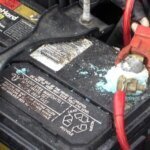 Signs of a Failing Car Battery
Why does my Kia Rio click but not start?
Clicking usually points to a weak battery, poor battery connection, bad ground, or failing starter. Rapid clicking often suggests low voltage, while one loud click may indicate a starter or starter relay issue.
Why does my Kia Rio crank but not start?
If the engine cranks but does not start, the starter is working, but the engine may not be getting fuel, spark, or correct sensor signals. Common causes include a bad fuel pump, crankshaft position sensor, camshaft sensor, ignition coil issue, immobilizer fault, or empty fuel tank.
Can a bad key fob stop a Kia Rio from starting?
Yes. On models with push-button start or immobilizer systems, a weak key fob battery or damaged transponder can prevent the car from recognizing the key. Try replacing the key fob battery or using the spare key.
What should I check first when my Kia Rio won’t start?
Start with the basics: battery condition, battery terminals, gear selector position, brake pedal recognition, dashboard warning lights, fuel level, and key fob battery. These checks are simple and can save time before moving to starter, fuel, or sensor diagnosis.
Leave a Reply