
New Car vs Used Car in Canada
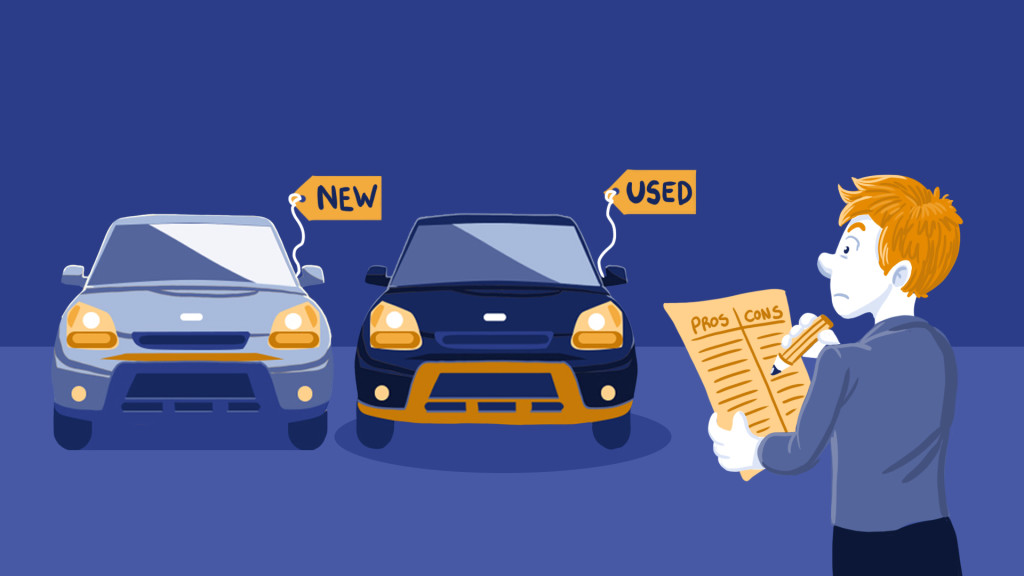
Deciding between a new car and a used car in Canada involves balancing immediate costs against long-term value. New vehicles offer the latest safety features, full warranties, and the latest technology, but come with higher purchase prices and rapid depreciation.
In contrast, used cars provide more affordable entry points and slower depreciation, though they may require more maintenance and lack modern amenities. Canadian climate factors, like harsh winters, can also influence reliability and rust resistance. Understanding these trade-offs is essential for making an informed choice that aligns with your budget, driving needs, and lifestyle in Canada’s unique market.
New Car vs Used Car in Canada: Key Factors to Consider Before Your Purchase
Choosing between a new car and a used car in Canada involves weighing significant financial and practical differences. While new vehicles offer the latest technology, full warranties, and peace of mind, they come with higher upfront costs and rapid depreciation.
In contrast, used cars provide lower purchase prices and slower depreciation, but may require more maintenance and lack modern safety features. Understanding how each option aligns with your budget, insurance costs, and long-term driving needs across provinces is essential for making an informed decision.
Financial Impact and Depreciation Rates
The most critical difference between buying a new car and a used car in Canada is the depreciation curve. A new vehicle typically loses 20% to 30% of its value within the first year, and about 60% within five years. This means that buying a used car that is 2 to 3 years old allows you to avoid the steepest drop, often saving you thousands of dollars.
You might be interested in this content. Best Compact SUVs in Canada
For example, a $40,000 new car might be worth only $28,000 after two years, while a three-year-old used version of the same model could be priced around $26,000, offering nearly identical reliability but with significantly lower monthly payments and insurance costs.
Warranty Coverage and Maintenance Costs
A new car in Canada typically comes with a comprehensive manufacturer’s warranty that covers major repairs for three to five years or up to 100,000 km, greatly reducing unexpected expenses. In contrast, a used car may have a limited or expired warranty, meaning you could face out-of-pocket costs for common issues like transmission repairs or battery replacements.
However, Certified Pre-Owned (CPO) programs from Canadian dealerships offer extended warranties and rigorous inspections, which can bridge this gap. It is essential to factor in the cost of routine maintenance, as used cars often require more frequent servicing, especially after 80,000 km.
Insurance costs vary widely between new and used cars in Canada. Newer vehicles generally have higher comprehensive and collision insurance premiums due to their higher replacement value and costlier repair parts, whereas a used car with a lower market value will often qualify for cheaper basic coverage.
Additionally, some Canadian provinces like Ontario and British Columbia charge registration fees based on the vehicle’s age and value; a new car will incur higher initial registration fees than a used one. For instance, insuring a brand-new sedan in Ontario can be up to 30% more expensive than insuring the same model that is four years old.
You might be interested in this content. Best Vehicles for First-Time Buyers
| Factor | New Car | Used Car |
|---|---|---|
| Depreciation | High (20-30% first year) | Lower (5-12% annually after 3 years) |
| Warranty | Full factory warranty (3-5 years) | Limited or expired; CPO options available |
| Maintenance costs | Low (covered under warranty) | Moderate to high (after 5+ years) |
| Insurance premium | Higher (due to value and parts) | Lower (based on lower appraisal) |
| Registration fees | Higher initial fees | Lower fees overall |
| Monthly payments | Higher (principal + interest) | Lower (often 40-50% less) |
New Car vs Used Car in Canada: Comprehensive Cost and Value Comparison
Is Buying a New or Used Car More Affordable in Canada?
When comparing the affordability of new versus used cars in Canada, several financial factors come into play, including initial purchase price, depreciation, insurance costs, maintenance, and financing rates. A new car typically has a higher upfront cost, often ranging from $25,000 to over $60,000 depending on the model, but it comes with manufacturer warranties, lower maintenance expenses, and the latest safety and fuel-efficiency features. A used car, generally priced between $10,000 and $30,000, can save thousands upfront, but may incur higher repair costs, less predictable reliability, and potentially higher interest rates on loans.
Additionally, new cars depreciate rapidly, losing 20-30% of their value in the first year, while used cars experience slower depreciation. Insurance for new cars tends to be higher due to their greater value, while used cars often cost less to insure but may lack modern safety features that reduce premiums. Financing for new cars often offers lower interest rates (e.g., 0-3% from dealerships) compared to used car loans (e.g., 5-10% from banks).
Overall, used cars are generally more affordable for buyers with limited budgets, but new cars can be more cost-effective in the long run if kept for many years, due to lower maintenance and better fuel economy. The decision also depends on individual factors like driving habits, warranty preferences, and total cost of ownership calculations.
Depreciation and Resale Value
How Depreciation Affects Long-Term Costs
Depreciation is the single largest expense for car owners, especially for new vehicles. In Canada, a new car loses about 20% of its value as soon as it is driven off the lot, and up to 50% after three years. This means a $40,000 vehicle could be worth only $20,000 within that period. Used cars, however, have already undergone this steep depreciation, so their value declines more slowly, making them a better choice for buyers who want to minimize loss over time.
For example, a three-year-old used car might only depreciate 10-15% annually. Resale value also varies by brand; models like Toyota and Honda hold value well, while luxury brands may drop faster. Buyers should consider how long they plan to keep the car; if selling after a few years, a used car often results in less financial loss.
You might be interested in this content. Most Comfortable Cars for Daily Driving
- New cars lose 20-30% of value in the first year, while used cars depreciate 10-15% annually.
- Buying a used car avoids the steepest depreciation, saving thousands in potential loss.
- High-resale-value brands (e.g., Toyota, Subaru) make used cars even more cost-effective.
Financing and Interest Rates
Comparing Loan Costs for New and Used Vehicles
Financing a car in Canada involves significant differences in interest rates between new and used vehicles. Dealerships often offer promotional rates for new cars, such as 0% to 2.9% APR, especially on popular models, making monthly payments lower despite the higher purchase price.
In contrast, used car loans from banks or credit unions typically carry higher rates, ranging from 5% to 10% APR, due to the increased risk for lenders. For example, financing a $30,000 new car at 2% over 5 years results in total interest of about $1,550, while a $20,000 used car at 7% over the same term costs around $3,750 in interest. However, the lower principal of a used car can offset higher rates; a $15,000 used car financed at 8% may still have lower total payments than a $35,000 new car at 0%.
Buyers should also factor in down payment requirements; new cars often need less upfront (e.g., $0 down promotions), while used cars may require 10-20% down. Credit scores heavily influence rates, with new cars typically easier to finance at favorable terms.
- New car loans average 0-3% APR, while used car loans average 5-10% APR.
- Higher used car interest rates can increase total loan cost, even with a lower purchase price.
- Promotional financing on new cars often requires excellent credit, while used loans are more accessible but costlier.
Maintenance, Repairs, and Warranties
Long-Term Ownership Expenses
Maintenance and repair costs differ greatly between new and used cars. A new car comes with a manufacturer warranty, typically covering 3-5 years or 60,000-100,000 km, which means no out-of-pocket expenses for major repairs during that period.
Routine maintenance like oil changes and tire rotations may still be required but are predictable. Used cars, especially those older than 5 years, often lack warranties, so buyers face potential costs for engine repairs, transmission issues, or electrical problems, which can range from $500 to $5,000 annually. However, pre-owned vehicles with certified pre-owned (CPO) status include limited warranties, reducing risk.
You might be interested in this content. OEM vs Aftermarket Auto Parts
Insurance is another factor; new cars cost more to insure due to higher value and repair costs, often 10-20% more than used equivalents. Fuel efficiency tends to be better in newer models, saving money over time, while used cars may have outdated technology with lower MPG. Ultimately, new cars offer lower maintenance uncertainty, while used cars require a higher emergency repair fund.
- New cars include full warranties for 3-5 years, eliminating major repair costs.
- Used cars often require immediate repairs, with average annual costs of $500-$1,500.
- Certified pre-owned used cars provide limited warranties, reducing but not eliminating repair risks.
Frequently Asked Questions
What are the main cost differences between a new car and a used car in Canada?
New cars have a higher purchase price but come with lower immediate maintenance costs, covered warranties, and the latest safety features. Used cars are cheaper upfront but may incur higher repair expenses, interest rates on financing, and potential hidden issues. Depreciation hits new cars hardest in the first few years, while used cars offer better value retention. Overall, new cars cost more initially, but used cars can be more economical if bought wisely and maintained properly.
How does insurance differ for new versus used cars in Canada?
Insurance for new cars is typically higher because their value is greater, leading to higher comprehensive and collision premiums. Used cars often cost less to insure due to lower replacement costs, particularly for older models. However, full coverage may still be recommended for financed used cars. Rates also depend on the car’s safety ratings, theft risk, and driving history. In Canada, shifting to a used vehicle can lower your insurance payments significantly.
What financing options are available for new and used cars in Canada?
New cars often qualify for manufacturer incentives, low-interest loans, or lease deals from dealerships. Used cars generally have higher interest rates, especially from private sellers, but banks and credit unions offer competitive rates for pre-owned vehicles. The term length might be shorter for used cars to match their lower value. In Canada, your credit score heavily influences rates, making new car financing more accessible for those with excellent credit.
Which option offers better long-term value, a new or used car in Canada?
A used car typically offers better long-term value because it has already taken the biggest depreciation hit, allowing you to save thousands. Though new cars have zero miles and full warranties, their value drops significantly within the first few years.
You might be interested in this content. Best Cars for Students in Canada
Used cars can still be reliable if well-maintained, with lower registration fees and taxes in some provinces. However, depending on your driving needs, a new car might offer peace of mind due to fewer repairs in the long run.
Leave a Reply