
OEM vs Aftermarket Auto Parts
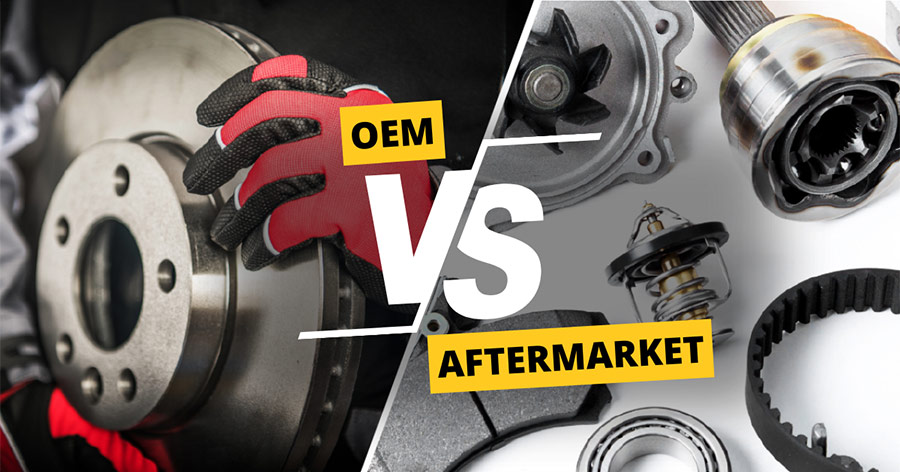
When a vehicle needs repairs, owners and mechanics face a crucial decision: choose OEM (Original Equipment Manufacturer) parts or aftermarket alternatives. OEM parts are produced by the automaker or its authorized suppliers, ensuring exact specifications and brand consistency, but often at a higher cost.
Aftermarket parts, manufactured by third-party companies, offer a wider range of prices and performance options, from budget-friendly to high-performance upgrades. However, quality and fit can vary significantly between brands. This article explores the key differences in cost, quality, warranty coverage, and availability, helping you make an informed choice that balances budget with vehicle reliability.
Decoding the Debate: OEM vs Aftermarket Auto Parts
The choice between Original Equipment Manufacturer (OEM) and aftermarket auto parts is a critical decision for vehicle repair and maintenance, directly impacting cost, quality, and performance. OEM parts are made by the vehicle's original manufacturer or under their specification, offering a guaranteed fit and function identical to the original part.
Aftermarket parts, conversely, are produced by third-party companies and are designed to replace OEM components, often providing a wider range of options regarding price, quality, and performance levels. Understanding the specific trade-offs is essential to making an informed choice that aligns with your budget, vehicle age, and desired outcome for repairs.
You might be interested in this content.
Quality and Fitment Guarantees
The most significant advantage of OEM parts is their guaranteed perfect fit and factory-level quality. Because they are built to the exact specifications of the vehicle manufacturer, they will install seamlessly without modifications, ensuring that all systems, from safety sensors to engine management, function precisely as engineered.
However, aftermarket parts can vary wildly in quality. Premium aftermarket brands often match or even exceed OEM standards using more durable materials, while budget brands may use inferior materials that lead to poor fitment and premature failure. For critical safety components like brake calipers or steering linkages, the reliability of a known OEM part is persuasive, while for cosmetic items like a side mirror, a high-quality aftermarket alternative can be perfectly adequate.
Cost Implications and Warranty Coverage
The price difference between the two categories is often the primary deciding factor for many car owners. OEM parts typically carry a substantial premium due to brand licensing and dealer markups, costing 60% to 100% more than their aftermarket counterparts. Conversely, aftermarket parts are generally more budget-friendly, offering significant savings, especially on older vehicles where repair costs can quickly exceed the car's value.
While OEM parts usually come with a manufacturer's warranty (often 12 months or longer), many reputable aftermarket brands offer comparable or even longer warranties on their products. It is crucial to understand that using aftermarket parts can sometimes void a new car's factory warranty if the part is directly responsible for a failure, a condition protected under the Magnuson-Moss Warranty Act.
You might be interested in this content.Availability and Performance Customization
For older or less common vehicles, the availability of OEM parts can be a major hurdle, sometimes requiring extended wait times for parts to be shipped from a factory. The aftermarket excels in this regard, with a vast network of suppliers and manufacturers ensuring that parts for nearly any vehicle are readily available, often from local auto parts stores.
Furthermore, the aftermarket is the primary source for performance customization. Enthusiasts can choose from high-flow air filters, sport-tuned exhaust systems, or upgraded suspension components that are simply not offered from the original manufacturer. In this context, aftermarket parts are not just a replacement but an upgrade, providing a path to tailor the vehicle's performance and aesthetic to specific preferences, a capability OEM parts inherently lack.
| Factor | OEM Parts | Aftermarket Parts |
|---|---|---|
| Fitment | Perfect, guaranteed by original design | Variable; may require modification |
| Quality | Consistent, factory-standard | Ranges from economy to premium |
| Price | Highest cost | Typically lower cost |
| Availability | May have delays for older models | Widely available and in stock |
| Warranty | Standard dealer warranty | Varies by brand, often generous |
| Customization | No performance upgrade options | Extensive performance options |
OEM vs Aftermarket Auto Parts: Comprehensive Comparison Guide
What key benefit do OEM parts offer compared to aftermarket alternatives for vehicle repairs?
The primary key benefit OEM parts offer compared to aftermarket alternatives for vehicle repairs is guaranteed compatibility and precise fitment. Engineered by the original vehicle manufacturer, OEM parts are designed to match the exact specifications of the vehicle, ensuring seamless integration without the need for modifications or adjustments.
This reduces the risk of improper installation, component failure, or secondary damage to the vehicle, providing a reliable and safe repair solution that aftermarket parts, which are often generic or produced to meet average standards, cannot consistently deliver.
You might be interested in this content.
Ensuring Vehicle Safety and Reliability
Stringent quality control and testing processes
OEM parts undergo rigorous quality control and testing protocols set by the vehicle manufacturer to meet strict safety and durability standards. This ensures each component performs as intended under varying conditions, minimizing the likelihood of premature wear or failure.
- OEM parts are tested specifically for the vehicle model, including stress, temperature, and vibration simulations.
- The materials used in OEM parts are selected to match the original component, ensuring consistent structural integrity.
- Aftermarket parts may lack this level of testing, leading to unpredictable performance or safety hazards over time.
Preserving Factory Warranty and Vehicle Value
Compliance with warranty terms and resale considerations
Using OEM parts helps maintain the vehicle's factory warranty, as many manufacturers require original components for covered repairs. This also supports higher resale value by demonstrating adherence to manufacturer standards.
- Repairs with OEM parts are documented as authorized, preventing warranty voidance due to non-compliant aftermarket parts.
- Vehicle history records showing OEM parts usage can increase buyer confidence and market price.
- Aftermarket parts may cause compatibility issues that lead to costly repairs not covered under warranty.
Optimizing Performance and Longevity
Precise engineering and durability over time
OEM parts are engineered to replicate the original component's function, offering consistent performance such as accurate fit, proper sealing, and correct electrical specifications. This contributes to the vehicle's longevity by reducing stress on connected systems.
- OEM parts ensure correct tolerances, reducing friction, leaks, or misalignment that can accelerate wear.
- The lifespan of OEM parts often matches or exceeds that of the original component, avoiding premature replacement.
- Aftermarket alternatives may cut corners on materials or design, leading to shorter service life or inefficient operation.
Frequently Asked Questions
What is the main difference between OEM and aftermarket auto parts?
OEM (Original Equipment Manufacturer) parts are made by the same company that produced the original components for your vehicle, ensuring exact fit and performance.
You might be interested in this content.
Aftermarket parts are made by third-party companies, often offering more variety and lower prices. While OEM parts maintain factory standards, aftermarket parts can vary in quality but may provide enhanced features or budget-friendly options.
Are aftermarket auto parts reliable compared to OEM parts?
Reliability depends on the brand and type of aftermarket part. High-quality aftermarket parts from reputable manufacturers can match or sometimes exceed OEM reliability.
However, cheaper, unbranded options may have shorter lifespans or inconsistent performance. OEM parts guarantee original specifications, making them a safe choice for critical systems, while aftermarket parts are often reliable for non-essential components like trim or accessories.
Do aftermarket parts void my vehicle's warranty?
In many countries, including the US under the Magnuson-Moss Warranty Act, using aftermarket parts cannot automatically void your entire warranty. However, a warranty claim can be denied if the aftermarket part directly caused the damage or failed to meet required standards. To stay protected, use certified aftermarket parts and keep receipts of installations, ensuring they don't compromise factory-specified repairs.
You might be interested in this content. Auto Repair Costs in Canada Explained
Which is more cost-effective: OEM or aftermarket auto parts?
Aftermarket parts are generally more cost-effective due to lower prices and competition among manufacturers. They can save you 30-50% compared to OEM parts, making them ideal for older vehicles or budget repairs. OEM parts, while pricier, offer guaranteed fit and durability, potentially reducing long-term replacement costs. For non-critical repairs, aftermarket is cheaper; for essential systems, OEM may prevent future expenses from poor fits.
Leave a Reply