
How to Extend the Life of Your Vehicle
Your vehicle is a significant investment, and with proper care, it can serve you reliably for many years. Beyond routine oil changes, extending its lifespan requires a proactive approach to maintenance and driving habits.
From monitoring fluid levels and tire pressure to addressing minor issues before they escalate, small efforts can prevent costly repairs and preserve your car’s value. This guide explores practical, actionable strategies to maximize your vehicle’s longevity, ensuring safety, performance, and efficiency over the long haul, ultimately saving you time and money while reducing environmental waste.
Proven Strategies for Extending the Lifespan of Your Vehicle
The longevity of your vehicle is not solely determined by its brand or model; rather, it is significantly influenced by your consistent maintenance habits and driving style.
By adopting a proactive approach, you can avoid costly repairs and ensure your car remains reliable for many years, ultimately saving you money and reducing waste. The key is to focus on the fundamental systems that wear down over time, from the engine and transmission to the suspension and bodywork.
You might be interested in this content. Engine Maintenance Tips for Beginners
1. Mastering the Art of Routine Fluid Maintenance
The lifeblood of your vehicle is its fluids, and regularly checking and replacing engine oil, coolant, transmission fluid, and brake fluid is the single most impactful step you can take. Engine oil lubricates moving parts, reducing friction and heat; if it becomes dirty or low, it accelerates engine wear, leading to premature failure.
Beyond oil changes, you should never neglect the coolant, as it prevents your engine from overheating in summer and freezing in winter. Similarly, using the manufacturer-recommended fluid for your transmission and brakes ensures these critical systems operate under optimal pressure and temperature, preventing sludge buildup and component seizure.
2. Preserving the Integrity of the Drivetrain and Rubber Components
Your car's drivetrain—including the transmission, axles, and differentials—relies on proper lubrication and alignment to function smoothly. Timely transmission fluid changes and differential service are often overlooked but are essential for avoiding gear grinding and total transmission failure.
Equally important are the rubber components, such as belts, hoses, and tires. Inspecting your serpentine belt for cracks and your tires for proper inflation and tread depth prevents breakdowns and improves fuel efficiency. Under-inflated tires generate excessive heat, which degrades the rubber and increases the risk of a blowout, while worn belts can snap and damage the engine.
You might be interested in this content.
3. Protecting the Body and Electrical System from Environmental Damage
External elements like salt, moisture, and UV rays can silently destroy your vehicle’s body and electrical system. Regularly washing and waxing your car, especially during winter months, removes corrosive road salt and prevents rust from forming on the undercarriage and paint.
Furthermore, the electrical system is vulnerable to corrosion; you should clean battery terminals to prevent acid buildup and check for loose connections. Protecting your car from sun damage by using a sunshade or parking in a garage preserves the dashboard and upholstery, preventing cracks and interior fading that can significantly lower resale value.
| Maintenance Task | Frequency | Primary Benefit |
|---|---|---|
| Engine Oil & Filter Change | Every 3,000–7,500 miles | Reduces engine friction and wear |
| Tire Rotation & Pressure Check | Every 5,000–6,000 miles | Ensures even tread wear and safety |
| Brake Fluid Flush | Every 2 years or 30,000 miles | Prevents brake system corrosion |
| Coolant Flush | Every 30,000–50,000 miles | Prevents engine overheating |
| Transmission Fluid Service | Every 30,000–60,000 miles | Extends transmission lifespan |
| Battery Terminal Cleaning | Annually | Ensures reliable electrical starts |
How to Extend the Life of Your Vehicle with Regular Maintenance
What are the most effective ways to maximize your vehicle's lifespan?
The most effective ways to maximize your vehicle's lifespan involve a combination of consistent maintenance, mindful driving habits, and proactive care. Following the manufacturer's recommended service schedule is critical, as it addresses fluid changes, belt replacements, and inspections at specific intervals.
Regular oil changes, typically every 5,000 to 7,500 miles, prevent engine wear by reducing friction. Keeping tires properly inflated and rotated enhances suspension longevity and fuel efficiency. Additionally, avoiding excessive idling, accelerating gently, and braking smoothly minimize stress on mechanical components like the transmission and brakes.
You might be interested in this content. How Often Should You Replace Filters?
Addressing minor issues, such as strange noises or warning lights, promptly prevents them from escalating into costly repairs. Lastly, storing the vehicle in a garage or using a cover shields it from weather extremes, preserving the paint, battery, and interior from premature deterioration.
Routine Mechanical Maintenance Practices
Fluid Management and Component Inspections
Consistent attention to fluids and mechanical parts is fundamental to extending a vehicle's life. Engine oil should be checked monthly and changed according to the owner's manual, using the correct viscosity grade. Coolant, transmission fluid, brake fluid, and power steering fluid require periodic replacement to prevent corrosion and overheating.
Belts, hoses, and spark plugs must be inspected for cracks or wear, as failures can cause sudden breakdowns. Regular battery testing and cleaning of terminals prevent electrical issues. Following these steps ensures that critical systems operate efficiently and avoid premature failure.
- Change engine oil and filter at manufacturer-recommended intervals, typically every 3,000 to 7,500 miles depending on vehicle type.
- Inspect and replace coolant, transmission fluid, brake fluid, and power steering fluid every 30,000 to 60,000 miles.
- Check serpentine belts, radiator hoses, and spark plugs annually or as specified, replacing any that show signs of degradation.
Driving Techniques for Reduced Wear
Smooth Operation and Load Management
How you drive directly impacts the longevity of your vehicle. Aggressive acceleration and hard braking strain the engine, drivetrain, and brakes, leading to faster wear. Maintaining a steady speed and using cruise control on highways reduces engine load and improves fuel efficiency.
You might be interested in this content.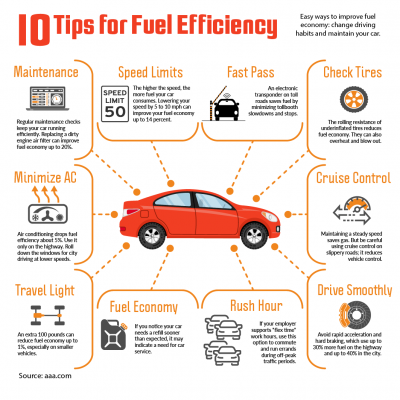 How to Improve Fuel Economy While Driving
Avoiding overloading the vehicle prevents suspension and tire damage, while parking on even surfaces reduces stress on the transmission and chassis. Letting the engine warm up for a minute before driving in cold weather ensures proper oil circulation. These habits collectively extend the functional life of major components.
- Accelerate gradually and anticipate stops to minimize brake and transmission stress.
- Use cruise control on flat highways to maintain constant engine RPM and reduce fuel consumption.
- Keep the vehicle weight within factory limits to protect suspension, brakes, and tires from excessive strain.
Environmental Protection and Storage Strategies
Climate Control and Shelter Solutions
Environmental factors like extreme temperatures, humidity, and sunlight can accelerate vehicle degradation. Parking in a garage or under a carport shields the paint, interior, and rubber seals from UV rays and temperature swings. Using a high-quality car cover provides added protection against dust, bird droppings, and tree sap.
Regularly washing and waxing the exterior prevents rust, while cleaning the undercarriage in winter removes corrosive road salt. Maintaining a consistent interior temperature reduces wear on upholstery and electronics. These practices preserve the vehicle's appearance and structural integrity over years of use.
- Park in a garage or shaded area to minimize UV damage and interior fading.
- Apply a protective wax coating twice a year and wash the vehicle monthly, including the undercarriage after snow or rain.
- Use a breathable car cover when storing for long periods to prevent moisture buildup and protect the finish.
Frequently Asked Questions
How often should I change my vehicle's oil?
To maximize engine life, change the oil every 5,000 to 7,500 miles for conventional oil, or up to 10,000 miles for synthetic oil. Always follow your manufacturer's specific recommendations in the owner's manual. Regular oil changes remove contaminants and provide fresh lubrication, preventing metal-on-metal wear that can cause severe engine damage over time.
You might be interested in this content. How to Drive More Efficiently
What is the most important routine maintenance for a car?
Regular fluid checks are the most critical maintenance task. This includes engine oil, coolant, brake fluid, transmission fluid, and power steering fluid. Low or dirty fluids can lead to overheating, brake failure, or transmission problems. Check these levels at least once a month and top off or replace them according to your vehicle's service schedule for reliable operation.
How can driving habits affect vehicle longevity?
Smooth driving significantly extends vehicle life. Avoid aggressive acceleration, hard braking, and rapid cornering, which stress the engine, transmission, brakes, and suspension.
Also, avoid short trips that prevent the engine from reaching full operating temperature, as this causes moisture buildup and sludge formation. Consistent, gentle driving reduces wear on all mechanical components.
Why is tire maintenance important for vehicle lifespan?
Proper tire care reduces strain on the drivetrain and suspension. Maintain correct tire pressure as specified in your owner's manual, rotate tires every 5,000 to 8,000 miles, and check tread depth regularly.
You might be interested in this content. Why Does My Car Leak Fluids?
Underinflated tires cause excessive heat buildup, leading to blowouts and poor fuel economy. Balanced and aligned tires also prevent uneven wear on bearings and steering components.
Leave a Reply