
How Often Should You Replace Filters?
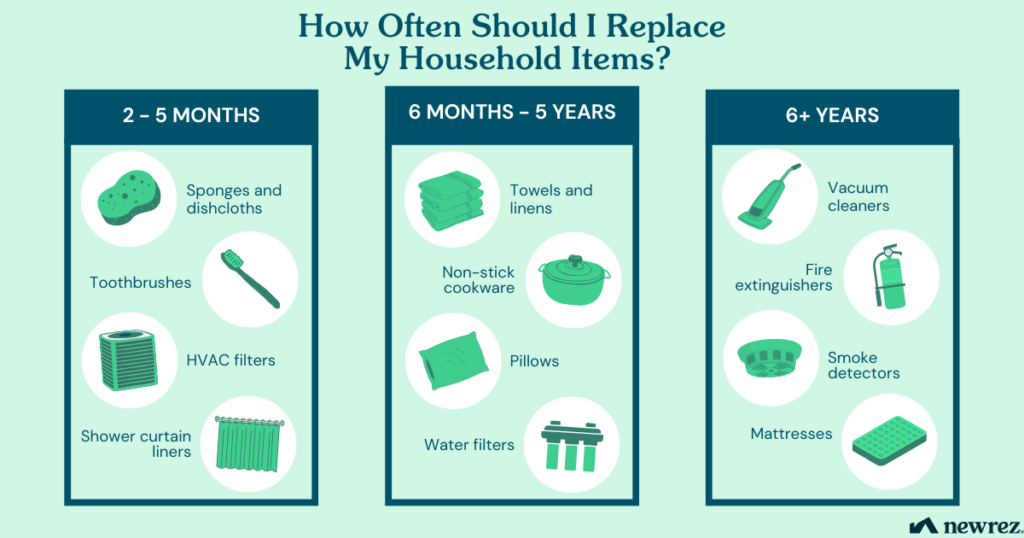
When it comes to maintaining a healthy home, filter replacement often gets overlooked. Yet, the frequency for changing filters—in your HVAC system, air purifier, refrigerator, or vacuum—can significantly impact air quality, energy efficiency, and appliance longevity.
Common advice suggests swapping standard 1- to 3-inch air filters every 90 days, but factors like pets, allergy season, or heavy usage can demand monthly changes. Similarly, water filters typically need replacement every two to six months, depending on usage and water quality. Ignoring these intervals allows pollutants to recirculate or strain your systems, increasing costs over time. Understanding the right schedule for each filter ensures optimal performance and the cleanest environment.
How Often Should You Replace Filters?
Determining the right schedule for replacing filters is crucial for maintaining optimal performance in appliances like HVAC systems, air purifiers, and water filters. The frequency depends on several factors, including the type of filter, usage patterns, and the environment where it operates. Generally, standard furnace or AC filters should be replaced every 90 days, but this can vary. For instance, homes with pets or high dust levels may require changes every 30 to 60 days.
You might be interested in this content.
For water filters, the replacement interval is often based on the manufacturer’s recommended gallons or months, while car engine filters typically need attention every 12,000 to 15,000 miles. Ignoring these intervals can lead to reduced efficiency, higher energy costs, and even damage to equipment. It is always best to consult your specific product manual for exact guidelines, but a good rule of thumb is to check filters monthly and replace them when they appear dirty or clogged.
What Are the Signs That a Filter Needs to Be Replaced?
Even with a recommended schedule, visual and performance cues can indicate it is time for a replacement. Common signs include a noticeable decrease in airflow from vents, which can strain the system, or a sudden spike in energy bills due to the motor working harder. For air filters, a layer of visible dust or debris buildup, or a dark, clogged appearance, are clear indicators.
You might also detect unusual odors, such as a musty or dirty smell, when the system runs, or an increase in dust settling on furniture after cleaning. For water filters, a drop in water pressure or a change in taste, odor, or color of the water suggests the filter is exhausted. If you notice any of these symptoms, it is better to replace the filter immediately rather than waiting for the scheduled date.
You might be interested in this content. Common Maintenance Mistakes to Avoid
How Does the Environment Affect Filter Replacement Frequency?
The surrounding environment plays a significant role in how quickly a filter becomes saturated. Households with pets often need more frequent replacements because pet dander and fur quickly clog the filter material. Similarly, living in areas with high air pollution, smoke, or pollen levels can accelerate the need for new filters.
Seasonal factors also matter; in summer or winter, when HVAC systems run continuously, filters may need changing every 30 to 60 days. Additionally, if you are undertaking home renovations that generate dust from sanding or construction, replacing filters monthly during the project is wise. Conversely, a home with few occupants, no pets, and a cleaner environment might extend the standard 90-day interval slightly, but never exceed the manufacturer's maximum recommendation to avoid harming the equipment.
How Do Different Filter Types Influence Replacement Schedules?
The material and design of a filter directly determine its lifespan. Disposable fiberglass filters are the least efficient and usually require replacement every 30 days because they only capture large particles.
You might be interested in this content. Vehicle Maintenance Costs in Canada
Pleated filters, often with a MERV (Minimum Efficiency Reporting Value) rating between 8 and 13, offer better particle capture but can last up to 90 days under normal conditions. High-efficiency filters (MERV 14 or HEPA) can trap very fine particles but may require more frequent changes (every 60 to 90 days) because they restrict airflow if they become dirty.
For reusable or washable filters, such as those in some HVAC systems or refrigerators, the schedule is about cleaning rather than replacing—typically every 1 to 3 months—though they do need replacement after about 3 to 5 uses or when the material degrades. Always follow the filter manufacturer’s classification and recommendations to balance air quality and system efficiency.
| Filter Type | Recommended Replacement Interval | Key Factors Affecting Lifespan |
|---|---|---|
| Fiberglass | Every 30 days | Low dust levels, basic particle capture |
| Pleated (MERV 8-13) | Every 60-90 days | Pets, allergies, high-pollution zones |
| HEPA | Every 6-12 months | Usage hours, pre-filter condition |
| Washable | Clean every 1-3 months, replace every 3-5 years | Washing frequency, material wear |
| Carbon | Every 6-12 months | Odor or chemical levels in the air |
Frequently Asked Questions
How Often Should You Replace Your HVAC Air Filter?
For standard 1-3 inch fiberglass or pleated filters, replacement every 90 days is a good baseline. However, if you have pets, allergies, or smoke indoors, consider replacing every 30-60 days. During high-use seasons like summer or winter, check the filter monthly and replace it when visibly dirty to maintain system efficiency and indoor air quality.
You might be interested in this content.
How Often Should You Replace a Water Filter Pitcher?
Most standard pitcher filters should be replaced every 2 months (approximately 40 gallons). This timeline ensures effective reduction of contaminants like chlorine and sediment. Mark your calendar or use the filter's indicator if available. Using a filter beyond its capacity can lead to reduced performance and potential bacterial buildup in the cartridge.
How Often Should You Replace a Refrigerator Water Filter?
Manufacturers typically recommend replacing your refrigerator water filter every 6 months. This schedule maintains optimal water and ice quality, reducing contaminants. A noticeable drop in water flow or a bad taste indicates it's time for a change, even if earlier than six months. Regular replacement also prevents strain on the refrigerator's water line.
How Often Should You Replace a Car Cabin Air Filter?
Replace your car's cabin air filter every 12,000 to 15,000 miles, which is roughly once a year. If you frequently drive in dusty, polluted, or heavy traffic conditions, replace it every 6 to 12 months. A clogged filter reduces HVAC airflow and can trap odors, so changing it on schedule ensures cleaner air inside the vehicle.
Leave a Reply