
Battery Maintenance for Cold Weather
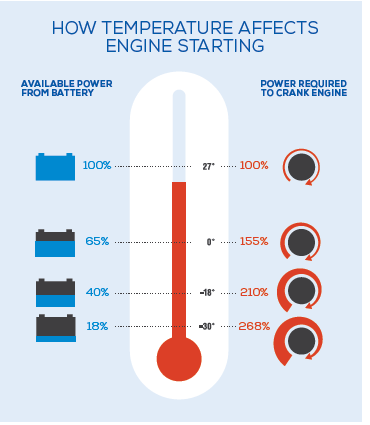
As temperatures plummet, the strain on vehicle and device batteries intensifies, transforming routine maintenance into a critical winter practice. Cold weather reduces a battery's chemical reaction efficiency, often slashing its starting power by up to 60%. This creates a perfect storm for failures just when reliability is most needed.
Understanding how low temperatures affect charge retention and internal resistance is the first step toward prevention. This guide explores key strategies, from insulation and careful charging to terminal checks and storage tips, ensuring your battery withstands freezing conditions. Proper preparation not only extends battery life but also prevents inconvenient breakdowns during the harshest months of the year.
- Essential Battery Maintenance for Cold Weather Performance
- Optimizing Battery Care for Cold Weather Performance
- Charging strategies for cold weather batteries
- Storage and insulation techniques for cold weather batteries
- Operating practices to maximize cold weather battery performance
- Frequently Asked Questions
Essential Battery Maintenance for Cold Weather Performance
Cold weather significantly impacts battery performance, as low temperatures slow down the chemical reactions inside the battery, reducing its capacity and ability to deliver power. For lead-acid batteries, the usable capacity can drop by up to 50% at freezing temperatures, while lithium-ion batteries also experience voltage drops and increased internal resistance.
To ensure reliable starting and operation during winter, it is crucial to focus on keeping the battery fully charged, as a discharged battery is far more susceptible to freezing. Regular cleaning of terminals to prevent corrosion and ensuring the battery is properly secured and insulated can also mitigate cold-weather failures.
Monitoring and Maintaining Optimal Charge Levels
In cold climates, a battery's available amperage diminishes, making a full charge essential for cranking an engine. You should test the battery's voltage weekly with a multimeter; a reading below 12.4 volts indicates it needs charging immediately to prevent sulfation and freezing damage.
You might be interested in this content. How to Maintain Your Vehicle Year-Round
If the vehicle is not driven frequently, use a smart trickle charger or battery maintainer to keep the charge at near 100% without overcharging. For electric vehicles (EVs), pre-conditioning the battery while plugged in—warming it while drawing power from the grid—helps restore driving range and performance before departure.
Protecting Battery Terminals and Connections
Cold weather can cause metal components to contract, potentially loosening battery cable connections and impeding electron flow. Inspect the terminals for white or bluish corrosion buildup, which acts as an insulator and impedes conductivity.
Clean them with a mixture of baking soda and water or a dedicated terminal cleaner, then apply a thin layer of dielectric grease or anti-corrosion spray to seal the connections against moisture and road salt. Ensure the hold-down bracket is tight, as excessive vibration from rough winter roads can damage internal plates.
Insulating and Storing the Battery
Extreme cold can drain a battery faster than normal usage, so providing insulation is key. Use a thermal battery blanket or insulated jacket specifically designed for your battery size; these wraps retain heat from the engine and the chemical reaction within the battery during operation.
For seasonal equipment like lawnmowers or motorcycles, remove the battery and store it in a cool but non-freezing environment (ideally above 40°F or 4°C), and keep it on a maintainer. Even for daily drivers, parking in a garage or using an engine block heater can significantly reduce the thermal stress on the battery.
You might be interested in this content.
| Maintenance Task | Recommended Frequency | Key Benefit |
|---|---|---|
| Voltage check (multimeter) | Weekly | Prevents freezing by ensuring charge > 12.4V |
| Terminal cleaning & lubrication | Monthly | Reduces corrosion from road salt & moisture |
| Insulation blanket check | At start of winter | Retains critical battery heat in sub-zero temps |
| Trickle charging | Every 2 weeks if idle | Maintains full charge and prevents sulfation |
Optimizing Battery Care for Cold Weather Performance
What are the best practices for maintaining batteries in cold weather?
Best practices for maintaining batteries in cold weather focus on preserving capacity, preventing damage, and ensuring reliable performance when temperatures drop significantly. Cold temperatures slow down the chemical reactions inside batteries, reducing their ability to deliver power and increasing the risk of sulfation in lead-acid types or capacity loss in lithium-ion types.
Insulation, charging adjustments, and storage strategies are key to mitigating these effects. For instance, keeping batteries at a moderate charge level before exposure to cold can help maintain their health, as fully discharging a cold battery may cause permanent harm. Similarly, using thermal blankets or heated enclosures for stationary batteries can stabilize their temperature. It is also crucial to avoid charging a frozen battery, as this can lead to internal short circuits or rupture.
Regular monitoring of voltage and temperature, along with proper terminal maintenance to prevent corrosion, further supports longevity. Additionally, allowing the battery to warm up naturally before use or charging can reduce stress on its components. These practices apply across various battery types, from automotive starter batteries to portable electronics and renewable energy storage systems.
Charging strategies for cold weather batteries
Adjusting charge voltage and current to prevent damage
Cold temperatures increase internal resistance in batteries, which can cause improper charging behavior if standard settings are used. Charging a cold battery with a high voltage may lead to overvoltage stress, while high current rates can generate excessive heat unevenly, risking thermal shock or plate damage in lead-acid batteries.
For lithium-ion batteries, charging below freezing temperatures can cause lithium plating, a dangerous condition that reduces capacity and raises safety concerns. To address this, smart chargers with temperature compensation are recommended, as they automatically reduce voltage and current when the battery is cold. In lead-acid systems, charging at a lower voltage for longer durations helps avoid gassing and water loss.
You might be interested in this content.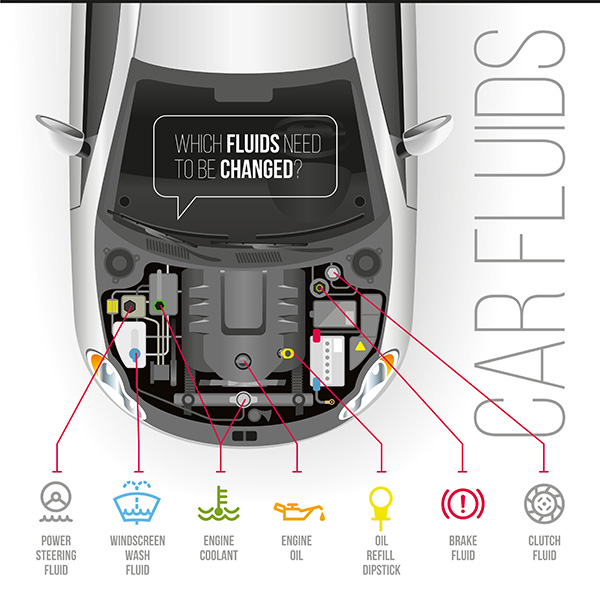 Vehicle Fluids You Should Check Regularly
For lithium-ion based devices, the battery management system often prevents charging at all if the temperature is below 0°C, so bringing the battery indoors to warm up first is essential. Manual adjustments to charge parameters, if available, should follow manufacturer guidelines for cold weather operation.
- Use a smart charger with temperature compensation to adjust voltage and current automatically.
- For lead-acid batteries, set charge voltage lower than standard to prevent overcharging and gassing.
- Avoid charging any battery type when its temperature is below the manufacturer's specified minimum threshold, typically 0°C for lithium-ion.
Storage and insulation techniques for cold weather batteries
Maintaining optimal temperature and charge level during storage
Storing batteries in unheated garages, sheds, or vehicles during winter exposes them to freezing temperatures that accelerate self-discharge and sulfation in lead-acid types, or cause irreversible capacity loss in lithium-ion types.
The best practice is to keep batteries at a moderate temperature, ideally between 10°C and 25°C, using insulated enclosures or passive thermal wraps that buffer against extreme cold. For portable batteries, removing them from the device and storing them indoors in a dry, cool place is effective. Before storage, charging lead-acid batteries to 100% helps prevent sulfation, while lithium-ion batteries should be stored at around 50% state of charge to minimize stress.
Periodic topping up charges may be needed for lead-acid batteries during prolonged cold storage, as self-discharge increases. Additionally, cleaning terminals and applying anti-corrosion grease can prevent conductivity issues caused by condensation and temperature swings. Using a battery maintainer or trickle charger for stationary systems ensures readiness without overcharging.
- Store batteries in insulated containers or heated compartments to maintain temperature above freezing point.
- Charge lead-acid batteries fully and lithium-ion batteries to 50% before placing them in cold storage.
- Periodically check voltage and apply a maintenance charge for lead-acid batteries every few weeks to counteract self-discharge.
Operating practices to maximize cold weather battery performance
Reducing load and warming batteries before use
When using batteries in cold weather, their effective capacity drops, often by 20% to 50% compared to room temperature performance.
You might be interested in this content. Common Winter Vehicle Problems
To maximize output, it is advisable to reduce electrical loads by turning off unnecessary accessories or using power-saving modes on devices. For vehicle starter batteries, pre-warming the engine or using block heaters reduces the cranking current demand, sparing the battery from deep discharges.
In portable electronics, keeping the device close to the body can transfer heat to the battery, improving its chemistry. Before drawing high current, allowing the battery to gradually warm up through natural heat loss or gentle use helps prevent voltage sag and sudden failure.
For renewable energy systems, scheduling heavy loads during warmer parts of the day or using battery heaters that activate when temperatures dip can sustain performance. Regular monitoring of state of charge and temperature via a battery management system provides real-time data to adjust usage patterns accordingly.
- Minimize electrical load during cold starts by turning off lights, heaters, and other non-essential systems.
- Allow batteries to warm up gradually, such as by running devices at low power first, before demanding high current.
- Use external battery heaters or insulated wraps for stationary systems to maintain active temperature during discharge cycles.
Frequently Asked Questions
Why does cold weather affect my car battery's performance?
Cold weather slows down the chemical reactions inside a car battery, reducing its capacity to deliver power. At 32°F, a battery loses about 35% of its strength, and at 0°F, it can lose up to 60%. The engine oil thickens, making it harder to crank, placing additional strain on a weaker battery. This combined effect often leads to starting failures during winter months.
How can I prevent my battery from dying in freezing temperatures?
To prevent battery failure, keep it fully charged, as a full charge resists freezing better than a depleted one. Park your car in a garage or use a battery blanket to maintain warmth. Regularly clean corrosion from terminals, and limit short trips to allow the alternator to recharge the battery. If possible, test the battery's charge level and health before winter starts.
You might be interested in this content. How to Prepare Your Car for Winter
Should I use a battery tender or charger during winter?
Yes, using a battery tender or smart charger is highly recommended for vehicles not driven daily. These devices maintain an optimal charge level without overcharging, preventing sulfation and capacity loss. For batteries that sit for weeks, connect the tender when parked. For frequent drivers, a full recharge after long periods of inactivity is sufficient. Always follow manufacturer instructions for your specific battery type.
Does cold weather permanently damage a car battery?
Cold weather itself does not permanently damage a healthy battery, but it accelerates wear if the battery is weak or partially discharged. Freezing can crack the case or damage internal plates if the battery is discharged to below 75% capacity. The real threat is the increased demand on an aging battery, which can shorten its lifespan significantly. Regularly test your battery to avoid permanent failure in winter.
Leave a Reply