
How to Drive More Efficiently
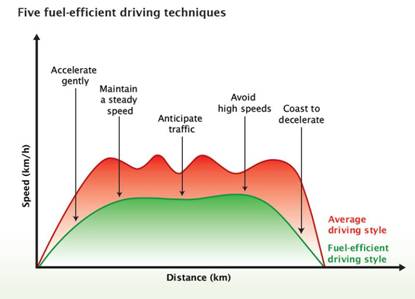
Driving efficiently is not only about saving money on fuel but also reducing your vehicle's environmental impact. Whether you're commuting daily or taking a long road trip, small adjustments to your driving habits can significantly improve fuel economy. From accelerating smoothly to maintaining a steady speed, these techniques minimize energy waste and wear on your car.
Understanding how factors like tire pressure, gear usage, and route planning contribute to efficiency empowers you to make smarter choices. This guide explores practical strategies to transform your driving style, helping you get the most out of every mile while promoting a greener, more cost-effective journey.
- Smart Driving Habits for Maximum Fuel Efficiency
- Reducing Unnecessary Weight and Drag
- Adopting Smooth Driving and Braking Techniques
- Optimizing Tire Pressure and Vehicle Maintenance
- Smooth Acceleration and Braking Techniques
- Maintaining Optimal Tire Pressure and Aerodynamics
- Smart Route Planning and Speed Management
- Smooth Acceleration and Deceleration
- Optimal Speed Management
- Proactive Trip Planning and Vehicle Maintenance
- Frequently Asked Questions
Smart Driving Habits for Maximum Fuel Efficiency
To drive more efficiently, focus on smooth acceleration and deceleration. Avoid rapid starts and hard braking, as these waste fuel. Instead, anticipate traffic flow by looking ahead, allowing you to maintain a steady speed. Use cruise control on highways to avoid unnecessary speed fluctuations.
Additionally, reducing your vehicle's weight by removing excess cargo and avoiding roof racks when not in use can significantly improve mileage. Proper tire pressure is also critical, as under-inflated tires create more rolling resistance, forcing the engine to work harder.
Optimize Your Speed and Gear Usage
Driving at moderate speeds is one of the most effective ways to save fuel. Most vehicles achieve peak fuel efficiency between 45 and 65 mph (72-105 km/h). For every 5 mph over 50 mph, you can expect to pay an additional $0.30 per gallon of gas. In manual vehicles, shift to higher gears as soon as possible without straining the engine, as lower gears consume more fuel. In automatics, use the overdrive gear when available to reduce engine RPMs on highways.
Minimize Idling and Unnecessary Engine Use
Idling can consume 0.5 to 1 gallon of fuel per hour, depending on engine size. Turn off your engine if you will be stopped for more than 30 seconds, especially in drive-through lines or while waiting for passengers.
Modern engines do not need warming up in cold weather for more than 30 seconds; driving gently is the fastest way to warm the engine. Additionally, avoid using the air conditioner at highway speeds if possible, as it increases engine load, but rolling down windows at high speeds creates drag, so balance your comfort with efficiency.
You might be interested in this content. City Driving Tips to Save Fuel
Plan Routes and Reduce Aerodynamic Drag
Combine errands into one trip to avoid cold starts, as a warm engine runs more efficiently. Use GPS apps that show real-time traffic to avoid congestion, which causes stop-and-go driving and fuel waste. At highway speeds, close windows and remove roof racks or cargo boxes to reduce aerodynamic drag. A loaded roof rack can reduce fuel economy by up to 25%. Also, avoid driving with open windows at speeds above 50 mph, as the drag effect can reduce efficiency more than using the AC.
| Driving Factor | Action to Save Fuel | Estimated Improvement |
|---|---|---|
| Smooth driving | Avoid rapid acceleration and hard braking | Up to 30% improvement in city driving |
| Tire pressure | Keep tires inflated to recommended PSI | 3% or more fuel savings |
| Weight reduction | Remove unnecessary items from trunk | 1-2% per 100 lbs (45 kg) |
| Speed reduction | Drive below 60 mph (96 km/h) | 7-14% savings at highway speeds |
Reducing Unnecessary Weight and Drag
How Cargo and Aerodynamics Influence Fuel Use
Excess weight directly forces your engine to work harder, consuming more fuel for each acceleration. Similarly, aerodynamic drag increases sharply at higher speeds. By minimizing these factors, you can see a measurable improvement in fuel economy. Begin by removing any heavy items from your trunk or back seat that you do not need for the trip. Also, avoid storing items on a roof rack or inside a cargo box unless absolutely necessary, as these create wind resistance.
- Remove roof racks or cargo carriers when they are not in use, as they can reduce fuel economy by up to 10% on highways.
- Clear out your vehicle of unnecessary heavy objects, such as tools, sports equipment, or old debris, to reduce overall weight.
- Keep windows closed when driving at highway speeds, as open windows increase drag and require more engine power.
Adopting Smooth Driving and Braking Techniques
The Effect of Acceleration and Deceleration Habits
Aggressive driving, including rapid acceleration and hard braking, can lower your fuel economy by 15% to 30% at highway speeds and 10% to 40% in stop-and-go traffic. Smooth driving allows your engine to operate at a more efficient RPM range. Anticipating traffic flow and adjusting your speed early can drastically reduce the need for sudden braking. Plan your route to avoid congested areas where you might be forced to repeatedly stop.
- Accelerate gently and steadily from a stop, aiming to reach your target speed without rapid throttle changes.
- Anticipate stops well in advance by looking ahead and coasting to a halt instead of braking suddenly.
- Maintain a constant speed whenever possible using cruise control on flat terrain, but avoid it on hilly roads where it may over-accelerate.
Optimizing Tire Pressure and Vehicle Maintenance
How Proper Upkeep Enhances Fuel Efficiency
Under-inflated tires increase rolling resistance, requiring more energy to move the vehicle. Regularly checking tire pressure ensures they are at the manufacturer-recommended level, which can improve gas mileage by up to 3%. Beyond tires, other mechanical factors like dirty air filters, old spark plugs, or incorrect oil viscosity can hinder engine efficiency. Following a routine maintenance schedule keeps your car running at its peak.
- Check tire pressure at least once a month and before long trips, adjusting to the levels listed in your owner's manual.
- Replace engine air filters as recommended by the manufacturer, typically every 12,000 to 15,000 miles, to ensure proper airflow.
- Use the manufacturer-recommended grade of motor oil, as it reduces internal engine friction, which directly improves fuel economy.
What are the best techniques for improving fuel efficiency while driving?
Smooth Acceleration and Braking Techniques
Minimizing Rapid Changes in Speed
The most effective way to improve fuel efficiency is to drive with a light touch on the pedals. Aggressive acceleration forces the engine to work harder, consuming more fuel, while hard braking wastes the kinetic energy that was just generated. By anticipating traffic flow and road conditions, you can maintain a more constant speed.
- Accelerate gently from a stop, taking about five seconds to reach your desired speed from a standstill.
- Look far ahead to anticipate stops, such as red lights or slowing traffic, and begin coasting early to avoid using the brakes.
- Use engine braking by easing off the accelerator instead of braking abruptly, which helps maintain momentum.
Maintaining Optimal Tire Pressure and Aerodynamics
Reducing Rolling Resistance and Drag
Underinflated tires increase rolling resistance, which makes the engine work harder and reduces fuel economy. Similarly, external accessories like roof racks or open windows at high speeds create aerodynamic drag. Keeping tires properly inflated and minimizing drag are simple, low-cost ways to save fuel.
- Check tire pressure monthly, especially before long trips, and inflate to the manufacturer’s recommended level found in the owner’s manual or on the driver’s side door jamb.
- Remove roof boxes, bike racks, or cargo carriers when not in use, as they can reduce fuel efficiency by up to 25% at highway speeds.
- Keep windows closed when driving above 55 mph, as open windows create significant drag and increase fuel consumption.
Smart Route Planning and Speed Management
Optimizing Driving Conditions for Efficiency
Driving at high speeds, particularly above 50 mph, causes fuel economy to drop rapidly due to increased air resistance. Additionally, stop-and-go traffic in congested areas wastes fuel through constant idling and acceleration. Planning your route and controlling your speed can significantly reduce fuel usage.
You might be interested in this content.
- Use cruise control on highways to maintain a steady speed, which is typically most fuel-efficient between 45 and 55 mph.
- Avoid peak traffic hours by using navigation apps that suggest routes with fewer stops and smoother traffic flow.
- Combine multiple short trips into one longer trip, as a warm engine runs more efficiently than a cold one, and starting a cold engine can use extra fuel for the first few miles.
What are the top 5 fuel-efficient driving techniques for maximizing gas mileage?
Here are the top 5 fuel-efficient driving techniques for maximizing gas mileage, followed by three related sections with H3 subtitles, lists, and paragraphs in English.
Smooth Acceleration and Deceleration
Avoiding Aggressive Inputs
Driving smoothly is the cornerstone of fuel efficiency. Rapid acceleration and hard braking waste significant energy by forcing the engine to work harder and then dissipating that energy as heat. By anticipating traffic flow and road conditions, you can maintain a steady speed.
- Accelerate gently from a stop, taking about 5 seconds to reach 15 mph.
- Coast to decelerate rather than braking hard when approaching a red light or stop sign.
- Maintain a constant speed on highways using cruise control when possible.
Optimal Speed Management
Staying in the Sweet Spot
Gas mileage drops significantly at high speeds due to increased aerodynamic drag. Most vehicles achieve peak fuel efficiency between 45 and 60 mph. Exceeding this range, especially above 60 mph, causes the engine to burn more fuel per mile traveled.
- Drive at or slightly below the speed limit, targeting 55-60 mph on highways.
- Use cruise control to prevent unintentional speed creep on long trips.
- Avoid high-speed driving in strong headwinds, as drag increases dramatically.
Proactive Trip Planning and Vehicle Maintenance
Reducing Idle and Weight
Idling wastes fuel and adds zero miles to your trip, while excess weight makes the engine work harder. Planning your route to avoid traffic and heavy loads directly improves mileage. Proper maintenance, like tire inflation, also reduces rolling resistance.
- Turn off the engine if you will be stopped for more than 60 seconds.
- Remove unnecessary items from the trunk and roof racks to reduce weight and drag.
- Keep tires inflated to the manufacturer’s recommended pressure to minimize rolling resistance.
Frequently Asked Questions
What is the most effective way to accelerate for better fuel economy?
The most effective technique is gentle and gradual acceleration. Avoid rapid, hard pressing on the gas pedal. By slowly increasing speed, you reduce the amount of fuel the engine consumes. Aim to take about 20 seconds to reach your cruising speed from a stop. This minimizes the engine's load and prevents wasteful fuel enrichment, leading to significant savings over time.
How does maintaining a steady speed improve fuel efficiency?
Maintaining a constant, steady speed prevents unnecessary fuel consumption caused by braking and re-accelerating. Frequent speed changes force the engine to work harder. Using cruise control on highways is a primary method to achieve this. It helps your car burn fuel at a consistent, optimal rate, avoiding the spikes in usage that come with varying your pace.
What is the role of tire pressure in driving efficiency?
Proper tire pressure is crucial for fuel efficiency. Under-inflated tires create more rolling resistance, meaning your engine must work harder to move the car, thus burning more fuel. Check your tire pressure monthly. Keeping them inflated to the manufacturer's recommended PSI can improve your gas mileage by up to 3% and ensures a safer, more efficient ride.
You might be interested in this content. How Weather Affects Vehicle Performance
Why should you avoid idling to save fuel?
Idling gets zero miles per gallon. If you are stopped for more than 60 seconds, it is more fuel-efficient to turn off the engine. Modern engines require very little extra fuel to restart compared to the amount burned while idling. Minimizing idle time, like in drive-throughs or when waiting to pick someone up, is a simple action that directly reduces wasted fuel and emissions.
Leave a Reply