
Why Buy a Mazda 3 in Canada? 12 Reasons It's Worth Considering

Buying a compact car in Canada involves more than choosing something affordable and fuel-efficient. We also need to consider winter performance, long-term reliability, comfort, safety, and how enjoyable the vehicle will be to drive every day.
That's where the Mazda 3 becomes particularly interesting.
While many compact cars concentrate primarily on practicality and fuel savings, the Mazda 3 offers a combination of premium interior quality, responsive handling, attractive styling, and available all-wheel drive that makes it stand out in the Canadian market.
Whether we're commuting through Toronto, navigating snowy streets in Montreal, driving around Vancouver, or travelling across Alberta's highways, the Mazda 3 has several qualities that make it worth considering.
However, it isn't perfect. Rear-seat space, cargo capacity, and fuel economy may be important disadvantages depending on what we need from our next vehicle.
In this guide, we'll explore 12 reasons to buy a Mazda 3 in Canada, examine its ownership costs, compare the available configurations, and determine whether it's a smart purchase.
- 1. The Mazda 3 Offers a Premium Interior Without a Luxury-Car Price
- 2. Available All-Wheel Drive Is a Major Advantage for Canadian Winters
- 3. The Mazda 3 Is One of the More Enjoyable Compact Cars to Drive
- 4. Strong Engine Performance for a Compact Car
- 5. The Mazda 3 Has Attractive Exterior Styling
- 6. Good Fuel Economy for Everyday Canadian Driving
- 7. Strong Safety Features Make the Mazda 3 Appealing
- 8. Mazda 3 Reliability Makes It Worth Considering Long-Term
- 9. Mazda Offers an Attractive Warranty in Canada
- 10. The Mazda 3 Offers Useful Technology Without Being Overcomplicated
- 11. Competitive Pricing and Several Canadian Trim Levels
- 12. The Mazda 3 Can Be an Excellent Alternative to a Compact SUV
- Mazda 3 Disadvantages: Reasons You Might Not Want to Buy One
- Mazda 3 vs Toyota Corolla vs Honda Civic in Canada
- Is the Mazda 3 Good for Canadian Winters?
- Mazda 3 Maintenance and Ownership Costs in Canada
- Should You Buy a New or Used Mazda 3 in Canada?
- Who Should Buy a Mazda 3 in Canada?
- Frequently Asked Questions About Buying a Mazda 3 in Canada
- Conclusion: Why Buy a Mazda 3 in Canada?
One of the strongest reasons to buy a Mazda 3 is its interior quality.
When we step inside, the cabin feels more sophisticated than we might expect from a mainstream compact car.
Mazda has focused on a clean dashboard layout, carefully positioned controls, and materials that create a more upscale atmosphere.
Depending on the trim level, we can find:
- Soft-touch dashboard and door materials.
- Comfortable, supportive front seats.
- Leatherette or leather upholstery.
- A leather-wrapped steering wheel.
- Heated front seats.
- Heated steering wheel.
- Dual-zone automatic climate control.
- A premium Bose sound system.
- An available head-up display, which Mazda calls the Active Driving Display.
The dashboard avoids unnecessary visual clutter, and the controls are designed to be relatively easy to operate while driving.
Why Interior Quality Matters in Canada
Canadian drivers can spend considerable time in their vehicles, especially when commuting through heavy traffic or making longer highway journeys.
A comfortable cabin becomes particularly valuable during winter, when we may be wearing bulky jackets and spending additional time warming up the vehicle.
The Mazda 3's refined interior helps make these everyday journeys more pleasant.
Although it cannot match every feature of a luxury sedan, it offers an appealing alternative for buyers who want an upscale experience without moving into a more expensive vehicle category.
2. Available All-Wheel Drive Is a Major Advantage for Canadian Winters
Perhaps the most compelling reason to consider a Mazda 3 in Canada is its available all-wheel-drive system.
Unlike many traditional compact sedans, the Mazda 3 offers Mazda's i-Activ AWD technology on selected versions.
This system monitors driving conditions and adjusts how engine power is distributed between the front and rear wheels.
How Does Mazda 3 AWD Work?
The system uses information from multiple sensors to anticipate changing traction conditions.
When additional grip is needed, it can distribute torque to the rear wheels.
This can be particularly helpful when:
- Accelerating from a stop on snowy roads.
- Driving through slushy intersections.
- Climbing slippery hills.
- Pulling away on icy surfaces.
- Travelling along wet or uneven roads.
For drivers living in Ottawa, Quebec City, Edmonton, or other areas where winter driving is unavoidable, this additional traction can be appealing.
Is AWD Necessary on a Mazda 3 in Canada?
Not necessarily.
A front-wheel-drive Mazda 3 with proper winter tires can perform very well in many winter conditions.
In fact, winter tires are often more important than AWD for braking and cornering on snow and ice.
AWD helps primarily with acceleration and traction. It does not eliminate the risks associated with slippery roads, nor does it significantly improve emergency stopping distances on its own.
Nevertheless, for Canadians who regularly encounter steep hills, deep snow, or poorly cleared roads, choosing the AWD version may provide additional confidence.
3. The Mazda 3 Is One of the More Enjoyable Compact Cars to Drive
Some compact cars are designed almost entirely around comfort and efficiency.
The Mazda 3 takes a slightly different approach.
Mazda emphasizes steering response, body control, and the connection between the driver and the vehicle.
As a result, the Mazda 3 tends to feel more engaging than many ordinary commuter cars.
Responsive Steering and Handling
One of the things we appreciate about the Mazda 3 is how naturally it responds to steering inputs.
The car feels composed around corners, and its suspension provides a balance between road comfort and controlled handling.
This makes it enjoyable on winding roads without becoming excessively uncomfortable during everyday driving.
For Canadians who regularly travel along scenic routes in British Columbia, Ontario, or Quebec, these driving characteristics can be a significant advantage.
A Conventional Automatic Transmission
The Mazda 3 uses a six-speed automatic transmission rather than the continuously variable transmission found in several competing compact cars.
For drivers who prefer conventional gear changes and a more traditional acceleration feel, this can be another reason to choose Mazda.
The transmission generally complements the engine's power delivery and helps create a predictable driving experience.
4. Strong Engine Performance for a Compact Car
Another reason to buy a Mazda 3 in Canada is its engine performance.
The 2026 Canadian lineup offers a naturally aspirated 2.5-litre four-cylinder engine and an available turbocharged version.
Both provide useful performance, although they serve different types of drivers.
Mazda 3 2.5L Naturally Aspirated Engine
The standard 2.5-litre Skyactiv-G engine produces:
- 186 horsepower
- 186 lb-ft of torque
- Six-speed automatic transmission on most versions.
This engine is more than adequate for normal city driving, highway merging, and everyday commuting.
We don't need the turbocharged version to enjoy the Mazda 3's handling or overall driving experience.
The standard engine also avoids some of the additional mechanical complexity associated with turbocharging.
Mazda 3 2.5L Turbo Engine
For buyers wanting more performance, the GT Turbo offers a substantial increase in torque.
With premium gasoline, the engine produces up to:
- 250 horsepower
- 320 lb-ft of torque
With regular 87-octane gasoline, output is approximately 227 horsepower and 310 lb-ft of torque.
The turbocharged version comes with AWD and delivers noticeably stronger acceleration, particularly when passing or merging onto highways.
However, it also costs more to purchase and generally consumes more fuel.
For most Canadian commuters, the naturally aspirated engine is the more sensible choice. Drivers prioritizing performance may prefer the GT Turbo.
5. The Mazda 3 Has Attractive Exterior Styling
We can't ignore appearance when choosing a car we'll potentially own for many years.
The Mazda 3 is one of the more distinctive designs in the compact segment.
Its flowing body lines, relatively clean surfaces, and carefully shaped headlights give it an appearance that many buyers associate with more expensive vehicles.
You might be interested in this content.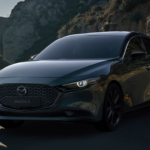 What Mazda 3 Do I Have? Complete Identification Guide for Canada
Mazda calls its design philosophy Kodo, emphasizing elegant proportions and the impression of movement.
Mazda 3 Sedan vs Mazda 3 Sport Hatchback
Canadian buyers can choose between two body styles.
Mazda 3 Sedan
The sedan has a traditional four-door design with a separate trunk.
Its proportions are elegant, and it may appeal more to buyers looking for a conventional family or commuter car.
Mazda 3 Sport Hatchback
The Mazda 3 Sport features a hatchback design with a large rear liftgate.
It provides a more versatile cargo opening, which can make loading certain bulky objects easier.
The hatchback also offers a sportier visual identity, although its thick rear pillars can restrict outward visibility.
Both models share many mechanical components and interior features.
Choosing between them largely depends on styling preferences and cargo requirements.
6. Good Fuel Economy for Everyday Canadian Driving
Fuel economy remains an important factor when buying a vehicle in Canada.
Gasoline prices can vary considerably between provinces, and commuting long distances can make fuel expenses a significant part of monthly ownership costs.
The Mazda 3 offers reasonable fuel consumption, especially in front-wheel-drive configurations.
Mazda 3 Fuel Consumption in Canada
Approximate official combined fuel-consumption ratings for selected 2026 models are:
| Mazda 3 Version | Combined Fuel Consumption |
|---|---|
| Sedan 2.5L FWD | 7.8 L/100 km |
| Sedan 2.5L AWD | 8.1 L/100 km |
| Sport 2.5L FWD automatic | 7.9 L/100 km |
| Sport 2.5L AWD | 8.3 L/100 km |
| Sedan 2.5L Turbo AWD | 8.8 L/100 km |
| Sport 2.5L Turbo AWD | 8.9 L/100 km |
These are Canadian test-cycle ratings. Actual fuel consumption depends on driving conditions, temperature, traffic, tires, and driving habits.
How Much Fuel Does a Mazda 3 Use Annually?
Let's consider a Canadian driver travelling approximately 20,000 kilometres per year.
If the vehicle averages 7.8 L/100 km, annual gasoline consumption would be approximately 1,560 litres.
At an illustrative gasoline price of $1.60 per litre, that represents roughly $2,496 in annual fuel expenses.
Of course, actual spending will vary.
Canadian winters can increase fuel consumption because of cold starts, winter tires, idling, and reduced engine efficiency during short trips.
Is the Mazda 3 More Fuel-Efficient Than a Hybrid?
Generally, no.
Hybrid versions of the Toyota Corolla and Honda Civic can achieve considerably lower fuel consumption, especially in urban traffic.
If minimizing gasoline expenses is our highest priority, those alternatives deserve serious consideration.
The Mazda 3 is better suited to buyers who want a balance of fuel economy and driving enjoyment.
7. Strong Safety Features Make the Mazda 3 Appealing
Safety should be a priority when choosing a compact car, particularly in a country with challenging seasonal driving conditions.
The Mazda 3 offers several driver-assistance technologies designed to help prevent collisions or reduce their severity.
For the 2026 Canadian lineup, important standard safety technologies include:
- Mazda Radar Cruise Control with Stop & Go.
- Smart Brake Support Front.
- Lane Departure Warning.
- Lane-Keep Assist.
- Driver Attention Alert.
- Blind Spot Monitoring.
- Rear Cross Traffic Alert.
- High Beam Control.
More expensive trims offer additional driver-assistance features.
Why These Features Matter
Blind Spot Monitoring can be particularly helpful during busy highway driving.
Rear Cross Traffic Alert can warn us about approaching vehicles when reversing from parking spaces.
Automatic emergency braking may help reduce certain collision risks, although its effectiveness depends on road conditions and other factors.
Adaptive cruise control can also reduce the workload during longer highway trips.
These technologies cannot replace attentive driving, but they can provide valuable assistance.
8. Mazda 3 Reliability Makes It Worth Considering Long-Term
Reliability is one of the most important factors when deciding whether to buy a vehicle.
The Mazda 3 has an established history in Canada, and its conventional engine and transmission options are attractive from a long-term ownership perspective.
The naturally aspirated 2.5-litre engine is especially interesting for buyers who prefer relatively straightforward mechanical components.
What Makes the Mazda 3 a Sensible Long-Term Choice?
Several characteristics work in its favour:
- An established four-cylinder engine design.
- A conventional six-speed automatic transmission.
- A widely used Mazda platform.
- Availability of maintenance and replacement parts.
- A network of Mazda dealerships across Canada.
These factors make the Mazda 3 a reasonable candidate for long-term ownership.
However, reliability is never guaranteed.
Maintenance history, manufacturing variations, driving conditions, and how a vehicle is treated all affect its durability.
Can a Mazda 3 Last 200,000 Kilometres?
Yes, reaching 200,000 kilometres is a realistic possibility for a well-maintained Mazda 3.
Some examples may exceed that distance considerably.
Regular engine-oil changes, cooling-system maintenance, brake inspections, fluid servicing, and prompt attention to mechanical problems are important.
For Canadian vehicles, preventing corrosion is another major consideration.
Road salt, moisture, and winter debris can accelerate deterioration of exposed components, making underbody cleaning and regular inspections worthwhile.
9. Mazda Offers an Attractive Warranty in Canada
Warranty coverage is another reason to consider purchasing a new Mazda 3.
Mazda Canada's warranty program includes unlimited-kilometre coverage within specified time periods.
For eligible new Canadian vehicles, the major warranty terms include:
| Warranty Coverage | Duration |
|---|---|
| New Vehicle Limited Warranty | 3 years, unlimited kilometres |
| Powertrain Warranty | 5 years, unlimited kilometres |
| Roadside Assistance | 3 years, unlimited kilometres |
| Anti-Perforation Warranty | 7 years, unlimited kilometres |
Coverage is subject to warranty terms, exclusions, and eligibility conditions.
Why Unlimited Kilometres Matter
Some competing warranty programs impose distance limits.
Mazda's unlimited-kilometre approach can be particularly attractive for drivers who travel extensively.
For example, someone commuting long distances between cities may accumulate substantially more mileage than the average driver.
Knowing that the applicable warranty does not end simply because a kilometre limit has been reached can offer reassurance.
You might be interested in this content.Do Mazda 3 Last Long in Canada? Complete Lifespan and Reliability GuideHowever, unlimited kilometres do not mean unlimited coverage for wear items, damage, neglect, or maintenance-related problems.
10. The Mazda 3 Offers Useful Technology Without Being Overcomplicated
Modern vehicles increasingly rely on large touchscreen interfaces for almost every function.
Mazda takes a somewhat different approach.
The Mazda 3 combines digital displays with conventional buttons, knobs, and a rotary control interface.
This makes it possible to adjust many functions without navigating through multiple touchscreen menus.
Technology Features Available in Canada
Depending on the selected trim, equipment may include:
- Mazda Connect infotainment.
- Apple CarPlay and Android Auto.
- Wireless smartphone connectivity.
- Wireless phone charging.
- USB-C connections.
- A 10.25-inch centre display.
- Premium Bose audio.
- Head-up display.
- A 360-degree camera system.
- Front and rear parking sensors.
One of the strengths of this arrangement is that it keeps the cabin relatively uncluttered.
We may also appreciate having physical climate controls rather than relying entirely on touchscreen menus.
However, some drivers may prefer a fully touchscreen-based interface, so it is worth trying Mazda Connect during a test drive.
11. Competitive Pricing and Several Canadian Trim Levels
The Mazda 3 offers multiple configurations, allowing buyers to prioritize affordability, luxury features, performance, or winter traction.
2026 Mazda 3 Prices in Canada
The following are the announced Canadian manufacturer suggested retail prices for selected 2026 models.
| Trim | Mazda 3 Sedan | Mazda 3 Sport |
|---|---|---|
| GX FWD | $25,250 | $26,000 |
| GS FWD | $27,850 | $28,600 |
| GS Luxury FWD | $30,050 | $30,800 |
| GS Luxury AWD | $32,050 | $32,800 |
| GT FWD | $34,050 | $34,800 |
| GT AWD | $36,050 | $36,800 |
| GT Turbo AWD | $38,450 | $39,200 |
The Mazda 3 Sport GT is also offered with a six-speed manual transmission and front-wheel drive.
Prices are in Canadian dollars and exclude freight and pre-delivery expenses, applicable taxes, registration, and additional charges. Dealer pricing and availability can vary.
Which Mazda 3 Trim Offers the Best Value?
GX: A sensible entry-level choice for buyers who want the basic Mazda 3 experience without spending heavily on optional equipment.
GS: An appealing middle-ground option with additional convenience and comfort features.
GS Luxury AWD: Particularly attractive for drivers who want all-wheel drive without paying for the most expensive trim.
GT: Best suited to buyers who prioritize luxury appointments, upgraded technology, and additional convenience features.
GT Turbo: The performance-oriented choice, offering considerably more torque and standard AWD.
For many Canadian drivers, we believe the GS and GS Luxury configurations represent particularly interesting choices.
They provide a strong balance between equipment, purchase price, and everyday usability.
12. The Mazda 3 Can Be an Excellent Alternative to a Compact SUV
Compact SUVs have become extremely popular in Canada.
However, not every driver needs the additional ride height or cargo space of an SUV.
The Mazda 3 offers several characteristics that make it a compelling alternative.
Advantages of Choosing the Mazda 3 Over an SUV
A compact car can offer:
- A lower seating position that some drivers prefer.
- Responsive handling.
- Easier parking in certain urban environments.
- Competitive purchase pricing.
- Potentially lower fuel consumption compared with similarly powered, larger SUVs.
- A more traditional passenger-car driving experience.
For a single driver, couple, or small household, the Mazda 3 may provide all the space required.
Its available AWD also means buyers do not necessarily need to purchase an SUV solely to obtain power distribution to all four wheels.
However, buyers who regularly transport bulky equipment, need more ground clearance, or frequently carry adults in the rear seats may prefer a crossover.
Mazda 3 Disadvantages: Reasons You Might Not Want to Buy One
Although there are many reasons to buy a Mazda 3 in Canada, we should also discuss its weaknesses.
Limited Rear Passenger Space
The Mazda 3 prioritizes front-seat comfort and design over maximum rear-seat room.
Adults can fit in the back, but taller passengers may find the legroom less generous than in certain competing compact cars.
This could be a disadvantage for families with older children or drivers who regularly carry several adults.
Rear Visibility in the Hatchback
The Mazda 3 Sport has thick rear roof pillars and a relatively small rear window.
While the design looks distinctive, outward visibility can be limited.
A reversing camera, parking sensors, and blind spot monitoring help, but they cannot completely replace direct visibility.
No Hybrid Powertrain
The Mazda 3 does not offer a hybrid option in the 2026 Canadian lineup.
This is an important limitation for drivers who prioritize fuel efficiency above everything else.
Buyers comparing it with the Toyota Corolla Hybrid or Honda Civic Hybrid may find the Mazda less economical to operate.
Higher Operating Costs on Turbo Models
The GT Turbo provides excellent performance for a compact car, but its advantages come with additional costs.
Potential disadvantages include higher gasoline consumption, more expensive insurance, and greater complexity compared with naturally aspirated versions.
Although the engine can run on regular gasoline, premium fuel is required to achieve its maximum advertised performance.
Limited Ground Clearance
The Mazda 3 is a passenger car, not an SUV.
Deep snow, unplowed streets, steep driveway entrances, and rough rural roads may present challenges because of its relatively low ground clearance.
AWD improves traction but does not increase the vehicle's clearance underneath.
Mazda 3 vs Toyota Corolla vs Honda Civic in Canada
The Mazda 3 competes with two highly established compact cars: the Toyota Corolla and Honda Civic.
All three have different strengths.
| Category | Mazda 3 | Toyota Corolla | Honda Civic |
|---|---|---|---|
| Interior atmosphere | Upscale and driver-focused | Practical and straightforward | Modern and spacious |
| Driving experience | Engaging and responsive | Comfortable and predictable | Refined and balanced |
| AWD availability | Yes, selected trims | Available on hybrid versions | Not generally offered |
| Hybrid option | No | Yes | Yes |
| Rear-seat practicality | Moderate | Competitive | Generally spacious |
| Performance option | 2.5L Turbo | Limited performance choices | Stronger versions vary by model |
| Best suited for | Driving enjoyment and refinement | Efficiency and everyday value | Comfort, space, and versatility |
Why Choose the Mazda 3 Instead of the Toyota Corolla?
We would choose the Mazda 3 if we value interior design, steering feel, and a more engaging driving experience.
The available turbocharged engine is another advantage for performance-oriented buyers.
However, the Corolla Hybrid has a meaningful advantage in fuel economy.
Why Choose the Mazda 3 Instead of the Honda Civic?
The Mazda 3 may appeal more to buyers who prefer a premium-feeling interior, conventional automatic transmission, or available AWD.
The Civic can be more attractive for drivers who need additional rear-passenger space and value hybrid efficiency.
There is no universal winner. The right choice depends on our priorities.
Is the Mazda 3 Good for Canadian Winters?
Yes, the Mazda 3 can be a capable winter vehicle when properly equipped.
Its available AWD system is useful, but winter preparation remains essential for every configuration.
Winter Tires Are Important
A quality set of winter tires can make a substantial difference to traction, braking, and cornering performance.
You might be interested in this content.Is the Mazda3 a Good Car in Canada? Reliability, Pros, Cons and Buying GuideIn Quebec, winter tires are legally required for most passenger vehicles during the prescribed winter period.
Elsewhere, provincial requirements and local conditions vary.
Even where they are not mandatory, dedicated winter tires are worth considering in areas with significant snow or freezing temperatures.
Prepare the Vehicle for Cold Weather
We also recommend checking:
- Battery condition before winter.
- Tire pressure as temperatures drop.
- Washer fluid rated for freezing conditions.
- Windshield wiper condition.
- Engine coolant protection.
- Exterior lighting.
- Brake condition.
Regular underbody washing can help reduce the accumulation of road salt.
Overall, a front-wheel-drive Mazda 3 with good winter tires may be sufficient for many urban Canadian drivers, while AWD offers additional traction for those frequently encountering challenging conditions.
Mazda 3 Maintenance and Ownership Costs in Canada
Purchase price is only one part of owning a vehicle.
Before buying a Mazda 3, we should consider insurance, servicing, fuel, tires, and depreciation.
Routine Maintenance
Typical maintenance needs include:
- Engine oil and filter changes.
- Tire rotation.
- Brake inspection and servicing.
- Engine and cabin air filter replacement.
- Spark plug replacement according to the maintenance schedule.
- Fluid inspections and replacement where required.
- Battery testing and replacement when necessary.
Canadian driving conditions can qualify as severe service, particularly when journeys involve frequent short trips, freezing temperatures, heavy traffic, or extensive road-salt exposure.
For that reason, we should follow the maintenance schedule appropriate to our particular vehicle and operating conditions.
Mazda 3 Insurance Costs
Insurance premiums in Canada vary significantly.
Factors affecting the price include the province, postal code, driver's age, claims history, annual distance, coverage limits, and selected trim level.
A turbocharged or higher-value configuration may cost more to insure than an entry-level Mazda 3.
Before purchasing, we recommend obtaining insurance quotes for the specific vehicle configuration rather than assuming every Mazda 3 costs the same to insure.
Are Mazda 3 Repairs Expensive?
Routine maintenance is generally in line with what we might expect from a modern mainstream compact car, although prices vary by repair and location.
Some premium features, advanced sensors, AWD components, and turbocharged engine parts can increase repair costs if problems occur.
The naturally aspirated front-wheel-drive versions may therefore appeal to cost-conscious drivers seeking a simpler configuration.
Should You Buy a New or Used Mazda 3 in Canada?
Both options deserve consideration.
Advantages of Buying a New Mazda 3
A new Mazda 3 offers:
- Full applicable new-vehicle warranty coverage.
- The latest available equipment.
- A known ownership and maintenance history.
- The opportunity to choose a specific trim and colour.
- Potential manufacturer financing or leasing offers.
The main disadvantage is the higher initial purchase price and associated depreciation.
Advantages of Buying a Used Mazda 3
A used Mazda 3 can deliver much of the same driving experience at a lower purchase price.
This can make it an attractive option for buyers working with a limited budget.
However, condition matters more than model year alone.
Before purchasing a used example, we recommend reviewing its maintenance records, checking for accident damage, inspecting the underbody for corrosion, and arranging an independent mechanical inspection.
Vehicles previously operated in regions with heavy winter road-salt use deserve particular attention.
We should also verify outstanding recalls and whether any remaining warranty coverage applies.
Who Should Buy a Mazda 3 in Canada?
The Mazda 3 is especially appealing to several types of buyers.
Daily commuters: Drivers who want a comfortable, refined, and enjoyable car for regular travel.
Young professionals: Buyers who appreciate premium interior styling but do not want the expense of a luxury brand.
Drivers in snowy regions: Canadians who want a compact car with available AWD.
Driving enthusiasts: People who value responsive handling, a conventional automatic transmission, or the available manual hatchback.
Couples and small households: Buyers who do not require large rear seats or extensive cargo capacity.
Long-distance drivers: Owners who may benefit from the unlimited-kilometre warranty structure.
On the other hand, families requiring substantial rear-seat space, drivers who regularly encounter deep snow, and buyers wanting maximum fuel savings may find other vehicles more suitable.
Frequently Asked Questions About Buying a Mazda 3 in Canada
1. Is the Mazda 3 worth buying in Canada?
Yes, the Mazda 3 is worth considering in Canada because it combines attractive styling, a premium-feeling cabin, enjoyable handling, good safety equipment, and available AWD.
It is particularly appealing to buyers who want more driving enjoyment than a typical economy car offers. However, drivers who prioritize fuel economy or maximum interior space should also consider hybrid and larger alternatives.
2. Is the Mazda 3 reliable in Canadian weather?
The Mazda 3 can be a reliable vehicle in Canadian conditions when properly maintained.
Winter tires, regular servicing, corrosion prevention, and attention to the battery and braking system are particularly important. Its lower ground clearance can be a limitation in deep snow, even when equipped with AWD.
3. Which Mazda 3 is best to buy in Canada?
For buyers seeking good overall value, the GS is an appealing choice.
The GS Luxury AWD is worth considering for drivers who want additional winter traction and comfort features.
Those seeking maximum performance may prefer the GT Turbo, while budget-conscious buyers may find the GX sufficient.
4. Is a Mazda 3 better than a Toyota Corolla in Canada?
It depends on our priorities.
The Mazda 3 generally emphasizes driving enjoyment, design, and interior refinement. The Toyota Corolla, particularly its hybrid versions, is an attractive option for buyers focused on low fuel consumption and practical transportation.
Both deserve a test drive before making a decision.
5. How long can a Mazda 3 last in Canada?
A well-maintained Mazda 3 can potentially exceed 200,000 kilometres, although longevity varies between individual vehicles.
Maintenance history, driving conditions, corrosion prevention, and timely repairs have a major influence on how long the vehicle remains dependable and economical to operate.
Conclusion: Why Buy a Mazda 3 in Canada?
There are several convincing reasons to buy a Mazda 3 in Canada.
Its premium-feeling interior, attractive design, capable engines, engaging handling, and available all-wheel drive make it stand out in a competitive segment.
We particularly appreciate that Mazda offers a compact car that feels thoughtfully designed rather than treating driving enjoyment as an afterthought.
For Canadian buyers who spend considerable time behind the wheel, that distinction can make everyday commuting more satisfying.
The Mazda 3 also offers useful safety technologies, a choice between sedan and hatchback body styles, and an appealing unlimited-kilometre warranty program.
However, we should recognize its limitations.
Rear-seat space is not especially generous, the hatchback's outward visibility could be better, and the absence of a hybrid powertrain means some competitors are considerably more fuel-efficient.
You might be interested in this content.Mazda3 vs Mazda CX-30 Canada: Which One Should You Buy in 2026?Our verdict: The Mazda 3 is an excellent choice for Canadian drivers who value quality, comfort, handling, and design. For most buyers, the naturally aspirated GS offers a sensible balance of price and equipment, while the GS Luxury AWD is especially attractive for those who regularly face challenging winter conditions.
If we want a compact car that feels more refined and enjoyable than basic transportation, the Mazda 3 deserves a place near the top of our shortlist.
Leave a Reply