
Ford F-150 or Chevy Silverado: Which Truck Is Better?

Choosing between the Ford F-150 or Chevy Silverado 1500 is not simply a matter of comparing horsepower figures and picking the truck with the biggest number. These two American pickups have spent decades competing for the same driveways, construction sites, campsites, and towing jobs. Each one arrives with a broad engine range, several cab and bed configurations, serious towing capability, and enough trim levels to make a dealership brochure feel like a restaurant menu.
So, which truck should we buy?
The Ford F-150 generally stands out for its broad powertrain selection, innovative work features, available hybrid system, comfortable road manners, and mobile-generator capability. Meanwhile, the Chevrolet Silverado 1500 fights back with strong diesel performance, a practical cargo bed, straightforward controls, distinctive styling, and excellent towing technology.
There is no universal winner. The better truck depends on how we plan to use it.
In this detailed comparison, we will examine performance, towing, fuel economy, interiors, technology, bed utility, comfort, off-road ability, reliability, ownership costs, and everyday practicality. By the end, we should have a much clearer answer to the classic question: Ford F-150 or Chevy Silverado?
- Ford F-150 or Chevy Silverado at a Glance
- Design and Exterior Styling
- Engines and Performance
- Acceleration and Everyday Driving
- Ford F-150 vs Chevy Silverado Towing Capacity
- Payload and Hauling
- Truck Bed Features and Tailgates
- Interior Design and Material Quality
- Passenger Space and Family Use
- Ride Comfort and Handling
- Fuel Economy
- Technology and Infotainment
- Safety and Driver Assistance
- Off-Road Capability
- Reliability and Long-Term Ownership
- Maintenance and Operating Costs
- Trim Levels and Value
- Ford F-150 or Chevy Silverado for Daily Driving?
- Ford F-150 or Chevy Silverado for Work?
- Ford F-150 or Chevy Silverado for Towing?
- The Final Verdict: Ford F-150 or Chevy Silverado?
- Frequently Asked Questions
Ford F-150 or Chevy Silverado at a Glance
Before crawling beneath the sheet metal, let us look at the personalities of these trucks.
The Ford F-150 feels like the technological all-rounder. It offers traditional gasoline engines, a V8, turbocharged EcoBoost options, a full-hybrid PowerBoost powertrain, and high-performance versions. Ford also fills the truck with clever touches such as an available interior work surface, fold-flat front seats, onboard electrical power, integrated bed steps, and advanced towing aids.
The Chevy Silverado 1500 feels more traditional but no less capable. Its strengths include a spacious cargo box, an available six-function Multi-Flex Tailgate, strong V8 choices, and the torque-rich Duramax diesel. It often appeals to buyers who want substantial capability without turning every basic task into a digital experiment.
Here is the simplest possible summary:
- Choose the Ford F-150 for engine variety, hybrid availability, mobile power, polished driving manners, and clever work features.
- Choose the Chevy Silverado for diesel torque, bed functionality, bold styling, familiar controls, and strong highway towing.
- Compare individual configurations carefully, because engines, axle ratios, drivetrains, beds, and option packages can dramatically change capability.
A fully equipped F-150 and a basic Silverado may share the same general shape, but they can serve very different purposes.
Design and Exterior Styling
The Ford F-150 Takes a Refined Approach
The F-150 looks strong without shouting across the parking lot. Its shape is familiar, square, and clean, while different grille designs help separate work-focused models from premium and off-road variants.
One of the F-150’s advantages is visual flexibility. An XL work truck can appear simple and purposeful, while a Platinum, King Ranch, Tremor, or Raptor can look like an entirely different vehicle. Ford uses wheels, lighting, grilles, bumpers, and exterior trim to give each version its own character.
The overall design resembles a well-tailored work jacket: tough enough for the jobsite but presentable enough for dinner.
The Silverado Looks Bigger and Bolder
The Silverado takes a more aggressive route. Its tall front end, divided lighting elements, wide grille, and sculpted body make it look imposing. Some buyers love that muscular presence. Others may find particular grille designs too busy.
Trim level changes also affect the Silverado dramatically. A basic Work Truck appears simple and functional, while the High Country introduces premium chrome and upscale details. The Trail Boss and ZR2 models bring black trim, lifted suspension components, skid plates, and a more adventurous stance.
Which Truck Looks Better?
Styling is subjective, but there is a noticeable difference in character:
- The F-150 appears cleaner and more conservative.
- The Silverado looks more dramatic and industrial.
- The Ford may age more gracefully.
- The Chevy may attract buyers who want their truck to make a stronger visual statement.
Neither design is shy. The Silverado simply enters the room wearing heavier boots.
Engines and Performance
Engine choice is where this rivalry becomes especially interesting. Both manufacturers offer several powertrains, but they follow different strategies.
Ford F-150 Engine Options
The F-150 lineup may include turbocharged V6 engines, a naturally aspirated V8, a full-hybrid V6, and specialized high-output engines depending on the chosen trim.
The available choices commonly include:
- A 2.7-liter EcoBoost V6
- A 3.5-liter EcoBoost V6
- A 5.0-liter V8
- A 3.5-liter PowerBoost full-hybrid V6
- High-output engines in performance-oriented models
Ford’s 2.7-liter EcoBoost is often one of the lineup’s hidden gems. It delivers strong low-speed torque, feels responsive in daily driving, and can be more economical than a larger V8 when driven sensibly.
The 3.5-liter EcoBoost is the heavy hitter for many towing configurations. Its turbocharged torque arrives early, making the truck feel muscular without demanding high engine speeds.
Then there is the 5.0-liter V8. It may not be the most technologically unusual choice, but it provides the sound and linear response many traditional truck owners still want. Press the accelerator, hear the engine breathe, and the appeal becomes easy to understand.
The PowerBoost hybrid combines strong performance with electrical utility. Ford says the 2026 version can produce up to 578 pound-feet of torque and tow as much as 11,600 pounds when properly equipped.
Chevy Silverado Engine Options
The Silverado generally offers:
- A turbocharged 2.7-liter four-cylinder engine
- A 5.3-liter V8
- A 6.2-liter V8
- A 3.0-liter Duramax turbo-diesel inline-six
The turbocharged four-cylinder may sound small for a full-size truck, but we should not judge it by cylinder count alone. It produces substantial torque and can handle commuting, light towing, hauling, and general work surprisingly well.
The 5.3-liter V8 remains the familiar middle-ground option. It provides traditional V8 character without the higher performance and potential fuel cost of the larger 6.2-liter engine.
The 6.2-liter V8 is the emotional choice. It delivers immediate acceleration, a satisfying exhaust note, and effortless passing power. An unloaded Silverado with this engine can feel far quicker than its size suggests.
The 3.0-liter Duramax diesel is the distinctive option. It delivers abundant low-end torque, relaxed highway performance, and potentially excellent cruising range. For buyers who regularly tow long distances, it may be the most appealing engine in either truck.
Which Truck Has the Better Engine Lineup?
The F-150 wins for variety. Ford covers more bases with multiple turbocharged engines, a V8, a hybrid, and specialized performance choices.
The Silverado wins for diesel buyers. Ford no longer offers a light-duty diesel F-150, leaving Chevrolet’s smooth inline-six Duramax with little direct competition in this matchup.
Our choice depends on priorities:
- Best everyday balance: Ford 2.7-liter EcoBoost
- Best gasoline towing character: Ford 3.5-liter EcoBoost
- Best traditional V8 experience: Chevy 6.2-liter or Ford 5.0-liter
- Best long-distance diesel option: Chevy 3.0-liter Duramax
- Best hybrid utility: Ford PowerBoost
Acceleration and Everyday Driving
A truck does not need sports-car acceleration, but confident power matters when merging, passing, climbing grades, or towing.
The F-150 usually feels light on its feet. Steering is manageable, turbocharged engines respond strongly, and the truck often seems smaller from behind the wheel than it looks from outside. The aluminum-intensive body construction also helps Ford manage weight, although actual curb weight varies significantly by configuration.
The Silverado feels substantial and planted. It does not always disguise its dimensions as effectively, but that sense of mass can be reassuring on the highway. The 6.2-liter V8 supplies immediate power, while the diesel delivers a steady wave of torque.
In urban traffic, both trucks require attention. Their long bodies, wide mirrors, and broad turning circles are not ideal for cramped parking garages. Surround-view cameras and parking sensors are worth considering, especially with crew-cab and long-bed configurations.
Ford F-150 vs Chevy Silverado Towing Capacity
Towing numbers often dominate pickup advertising, but maximum ratings only tell part of the story.
The 2026 F-150 can offer up to 12,800 pounds of maximum towing capacity in the correct configuration. Ford also advertises maximum payload figures exceeding 2,200 pounds, although the exact rating depends on engine, cab, bed, drivetrain, axle, and equipment.
The 2026 Silverado 1500 can also reach serious maximum trailering figures when equipped with the appropriate engine, drivetrain, wheels, axle ratio, and Max Trailering Package. Chevrolet publishes configuration-specific trailering tables because capability varies considerably across the lineup.
Maximum Towing Is Not Your Personal Towing Limit
This point deserves emphasis. A truck advertised to tow a certain maximum does not automatically retain that rating in every trim.
A luxury crew cab with four-wheel drive, larger wheels, a panoramic roof, and heavy options may have a lower payload rating than a simpler work-oriented configuration. Payload matters because trailer tongue weight presses directly against the truck’s available carrying capacity.
Before towing, we should check:
- The certification label inside the driver’s door
- The truck’s specific payload rating
- Gross vehicle weight rating
- Gross combined weight rating
- Maximum tongue weight
- Hitch classification
- Trailer brake requirements
- The weight of passengers, tools, cargo, and accessories
A maximum towing figure is a headline. The door-jamb label is the truth for the truck sitting in front of us.
Which Truck Is Better for Towing?
The F-150 is an excellent choice when maximum gasoline towing, integrated towing aids, and broad configuration flexibility matter.
The Silverado becomes especially compelling with the Duramax diesel. Its low-end torque and relaxed highway behavior can make long towing journeys feel less stressful. Chevrolet also offers advanced trailering camera views and trailer-management features that simplify hitching and monitoring.
You might be interested in this content.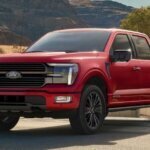 Ford F-150 vs Raptor: Which Truck Should We Buy?
For occasional towing, either truck will perform well when properly configured. For weekly heavy towing, we should test-drive the exact engine and suspension combination rather than buying from a specification sheet alone.
Payload and Hauling
Payload includes everything placed in or on the truck: passengers, cargo, accessories, hitch weight, tools, and equipment.
Ford traditionally competes strongly in maximum payload. For 2026, Ford lists maximum payload ratings above 2,200 pounds in selected configurations.
Chevrolet counters with the Durabed, which emphasizes cargo volume, high-strength steel construction, and numerous tie-down points. Chevrolet states that the bed provides 12 standard tie-downs, each corner-rated at 500 pounds, along with up to 89.1 cubic feet of standard cargo volume in the appropriate bed configuration.
The F-150 may take the numerical payload crown in selected builds, while the Silverado offers one of the most practical bed designs in the segment.
Truck Bed Features and Tailgates
Ford’s Bed Is a Mobile Workshop
Ford approaches the cargo bed like a toolbox. Depending on configuration, useful features may include:
- Integrated electrical outlets
- Box lighting
- Tailgate work surfaces
- Measuring guides
- Clamp pockets
- Bed steps
- Tie-down points
- Pro Access Tailgate availability
- Pro Power Onboard
Pro Power Onboard is one of the F-150’s strongest advantages. It turns the truck into a mobile power source capable of running tools, campsite equipment, electronics, and other devices, with output depending on the chosen powertrain and system.
For contractors, campers, event crews, and homeowners dealing with power interruptions, this feature can be more useful than another 20 horsepower.
Chevrolet’s Durabed Is Spacious and Practical
Chevrolet focuses on bed volume, accessible tie-downs, and tailgate versatility. The available Multi-Flex Tailgate provides six configurations designed to assist with loading, unloading, cargo retention, bed access, and work-surface duties.
Its functions can include:
- A full-width primary gate
- An inner gate
- A bed step
- A load stop
- A work surface
- Easier access to cargo
Which Bed Is Better?
The Silverado may be better for buyers who prioritize pure cargo volume and tailgate flexibility.
The F-150 may be better for people who use the truck as a powered workstation.
Think of the Silverado bed as a large, well-organized warehouse. Think of the F-150 bed as a workshop with an extension cord already plugged in.
Interior Design and Material Quality
Ford F-150 Interior
The F-150 cabin blends traditional truck practicality with modern technology. Physical controls remain available for many frequently used functions, while large displays handle navigation, media, cameras, and vehicle settings.
Storage is excellent. The center console can swallow laptops, documents, charging cables, tools, and enough snacks to survive a cross-country drive. Available fold-flat front seats can create a surprisingly useful resting area.
Ford’s available interior work surface is another clever touch. The gear selector folds down, allowing the center area to become a relatively flat platform for a laptop, paperwork, or lunch.
Material quality depends heavily on trim. An XL is built for durability, while premium models add leather, wood-like accents, metal trim, upgraded audio, ambient lighting, and more sophisticated seating.
Chevy Silverado Interior
The Silverado’s updated cabin is a major improvement over older versions. Higher trims feature a broad digital display arrangement, better materials, improved infotainment, and more attractive dashboard design.
The layout remains relatively straightforward. Important controls are generally easy to locate, and the column-mounted shifter on many versions preserves console space.
Lower trims can still feel plain, but that is not necessarily a disadvantage for work use. Vinyl flooring and durable surfaces are easier to clean than delicate luxury materials after a muddy day.
Which Interior Is Better?
The F-150 usually feels more inventive and flexible. Its work surface, available fold-flat seats, storage solutions, and power features give it an edge for people who treat their truck as an office.
The Silverado’s cabin may appeal more to buyers who prefer a conventional layout. Its upper trims are comfortable and modern, but the Ford often feels one step ahead in functional creativity.
Passenger Space and Family Use
Crew-cab versions of both trucks offer generous rear-seat space. Adults can sit comfortably, children have plenty of room, and the flat or nearly flat rear floor makes it easier to carry bags, pets, toolboxes, or groceries.
The F-150 SuperCrew is especially family-friendly. Wide-opening doors and a spacious rear compartment make child-seat installation relatively easy.
The Silverado Crew Cab also provides excellent room, although seat shape, door openings, and storage details may influence personal preference.
For family use, the smartest approach is simple: bring the child seats, sit in every row, and test the exact truck. A five-minute dealership inspection can reveal more than an hour spent comparing dimensions online.
Ride Comfort and Handling
Empty pickup trucks can feel stiff because their suspensions must support substantial payloads. Neither truck rides like a luxury crossover, but both have become much more civilized.
The F-150 generally offers lighter steering and a composed ride. It handles broken pavement confidently, although certain wheel-and-tire combinations can create more impact harshness.
The Silverado feels stable and secure, particularly on the highway. Some versions may transmit more road movement into the cabin, while off-road trims can feel softer or busier depending on tires and suspension tuning.
Wheel size matters. Huge wheels look dramatic, but smaller wheels with taller tire sidewalls often provide better comfort, lower replacement costs, and greater resistance to pothole damage.
For daily driving, we would avoid choosing wheels based on appearance alone. Chrome does not absorb bumps.
Fuel Economy
Fuel consumption depends on engine, drivetrain, axle ratio, tires, weather, speed, payload, and driving style.
The F-150 PowerBoost hybrid can improve efficiency in certain driving conditions, particularly where frequent braking allows the system to recover energy. However, highway towing can reduce the advantage because the gasoline engine must work continuously against aerodynamic drag.
The Silverado Duramax diesel may be attractive for long-distance drivers. Diesel engines often perform efficiently at steady highway speeds, and the Duramax’s torque allows relaxed cruising. However, diesel fuel prices, emissions-system maintenance, and the initial purchase premium should be included in the calculation.
The turbocharged gasoline engines in both trucks can return reasonable results when lightly loaded. Push them hard, tow frequently, or accelerate aggressively, and fuel consumption can rise quickly.
A turbocharged truck engine is like a powerful faucet: it can sip gently, but it can also pour.
Technology and Infotainment
Both pickups offer large touchscreens, smartphone integration, digital instrument displays, connected services, voice controls, premium audio systems, and numerous camera views.
Ford Technology Advantages
Depending on trim and equipment, Ford may offer:
- SYNC infotainment
- Wireless Apple CarPlay and Android Auto
- Digital gauge displays
- Trailer backup assistance
- Multiple towing cameras
- Onboard scales
- Smart hitch assistance
- BlueCruise hands-free highway driving
- Pro Power Onboard controls
The towing-related systems can be genuinely useful. They help drivers estimate load distribution, align a hitch, reverse with a trailer, and monitor important information.
Chevrolet Technology Advantages
Silverado features may include:
- Google-based infotainment services
- Wireless smartphone integration
- Large digital displays
- Multiple trailering camera views
- Trailer profiles
- Tire-pressure monitoring for compatible trailers
- Super Cruise hands-free driving on compatible roads
- Available trailering support
Chevrolet’s camera technology is especially valuable for towing. Properly configured views can reduce blind spots and make hitching far less frustrating.
Neither truck is automatically superior in every technology category. Ford often leads in work-related innovation, while Chevrolet provides an excellent towing-camera ecosystem and a clean interface in higher trims.
Safety and Driver Assistance
Modern versions can be equipped with features such as:
- Automatic emergency braking
- Lane-keeping assistance
- Blind-spot monitoring
- Rear cross-traffic alert
- Adaptive cruise control
- Surround-view cameras
- Parking sensors
- Trailer coverage for blind-spot monitoring
- Hands-free highway assistance
We should remember that driver-assistance systems support the driver; they do not replace attention. Cameras become dirty, lane markings disappear, sensors can be blocked, and weather can affect performance.
For anyone towing regularly, trailer-aware blind-spot monitoring and high-quality camera systems are among the most worthwhile options.
You might be interested in this content.Ford F-150 vs GMC Sierra 1500: Which Full-Size Truck Is Better?Off-Road Capability
Ford Tremor and Raptor
Ford offers several levels of off-road ability. The Tremor balances everyday usability with upgraded tires, suspension, protection, and terrain-focused equipment.
The Raptor moves into a different category. It is designed for high-speed off-road performance, with wide bodywork, specialized suspension, powerful engines, and substantial ground clearance. It is less a normal pickup with off-road accessories and more a desert-running machine that happens to have a cargo bed.
Chevy Trail Boss and ZR2
The Silverado Trail Boss provides lifted suspension, all-terrain tires, four-wheel drive, and a more rugged appearance.
The ZR2 is the serious off-road flagship. It adds advanced dampers, locking differentials, protective components, and improved approach characteristics. It is designed for technical terrain while remaining manageable on normal roads.
Which Off-Road Truck Wins?
For extreme high-speed off-road performance, the F-150 Raptor remains difficult to beat.
For technical trail use in a narrower, less theatrical package, the Silverado ZR2 is highly appealing.
For moderate off-road driving without extreme pricing, compare the F-150 Tremor and Silverado Trail Boss.
Reliability and Long-Term Ownership
Reliability cannot be reduced to a brand slogan. Both trucks have used numerous engines, transmissions, electronics, suspension systems, and emissions components across different model years.
Potential trouble areas can vary by configuration and may include:
- Turbocharger-related components
- Transmission behavior
- Cylinder-deactivation systems
- Diesel emissions equipment
- Infotainment glitches
- Electrical accessories
- Cooling-system components
- Sensors and software
A simple engine is not automatically reliable, and a complex engine is not automatically troublesome. Maintenance history, operating conditions, production year, and previous use matter enormously.
When buying used, we should:
- Review maintenance records.
- Check for open recalls.
- Scan the truck for stored diagnostic codes.
- Inspect for leaks and corrosion.
- Test the transmission when cold and warm.
- Confirm that every electronic feature works.
- Inspect the hitch and bed for signs of heavy commercial use.
- Arrange an independent pre-purchase inspection.
The badge on the grille matters less than the life the truck has already lived.
Maintenance and Operating Costs
Ownership costs go far beyond the monthly payment.
We should budget for:
- Fuel
- Oil and filters
- Tires
- Brakes
- Insurance
- Registration
- Scheduled servicing
- Batteries
- Four-wheel-drive maintenance
- Differential and transmission fluids
- Unexpected repairs
Diesel engines may provide strong efficiency and towing performance, but their fuel systems and emissions components can be expensive to repair. Turbocharged gasoline engines offer impressive torque, but they also introduce additional components compared with a basic naturally aspirated engine.
Large off-road tires, premium wheels, adaptive suspension, and advanced lighting can also raise replacement costs.
Before buying, obtain insurance quotes for the exact trim and engine. A high-performance or luxury truck may cost considerably more to insure than a basic work model.
Trim Levels and Value
Both manufacturers offer everything from basic work trucks to luxury models that compete with premium SUVs.
F-150 Value Strategy
The F-150 lineup typically includes work-focused trims, mainstream versions, luxury models, and specialized off-road trucks. The XLT often represents a practical middle ground, while Lariat adds comfort and technology without necessarily reaching the price of the highest trims.
The PowerBoost hybrid can be worthwhile when its electrical capability and torque will be used regularly. Paying extra merely to say we own a hybrid makes less sense if our driving pattern provides little benefit.
Silverado Value Strategy
The Silverado Work Truck and Custom trims appeal to cost-conscious buyers, while LT versions add desirable comfort and technology. LTZ and High Country models move toward luxury, while Trail Boss and ZR2 trims focus on off-road capability.
The Duramax diesel can offer excellent value for high-mileage drivers and frequent towers. For short urban trips, however, a gasoline engine may be easier to justify.
The best-value truck is rarely the cheapest one. It is the configuration that includes the features we will use without charging us for dozens we will ignore.
Ford F-150 or Chevy Silverado for Daily Driving?
For commuting and family duty, the F-150 has a slight edge. It generally feels nimble for its size, offers an inventive cabin, and provides a broad selection of efficient or performance-focused engines.
The Silverado remains comfortable and capable, especially in crew-cab form. Drivers who prefer its seating position, controls, diesel option, or exterior styling may happily choose it instead.
Test-drive both over rough pavement, at highway speed, and in a tight parking area. Dealership loops are often too smooth and too short to reveal meaningful differences.
Ford F-150 or Chevy Silverado for Work?
For powering tools, using a laptop inside the cab, and turning the vehicle into a mobile workstation, the F-150 is difficult to beat. Pro Power Onboard can transform how contractors, mobile technicians, and outdoor professionals use their truck.
For carrying bulky materials, securing cargo, and gaining convenient bed access, the Silverado’s Durabed and Multi-Flex Tailgate are excellent. Chevrolet’s 12 standard tie-downs and large available cargo volume strengthen its work credentials.
Our decision should follow the job:
- Buy the Ford when electrical power and cabin flexibility matter.
- Buy the Chevy when bed volume and diesel towing matter.
- Buy the configuration with the correct payload, not merely the most attractive trim.
Ford F-150 or Chevy Silverado for Towing?
For maximum gasoline capability and sophisticated load-related tools, choose the F-150.
For long highway trips with a heavy trailer, the Silverado Duramax deserves serious consideration.
However, neither truck should be selected using maximum towing figures alone. A properly equipped mid-level truck may tow more safely than a heavily optioned luxury model with less available payload.
We should also consider trailer size. A tall travel trailer creates considerable aerodynamic drag even when its actual weight sits below the truck’s maximum rating. Wheelbase, tire capacity, hitch setup, brake controller adjustment, and weight distribution all affect stability.
The Final Verdict: Ford F-150 or Chevy Silverado?
The Ford F-150 is the better all-rounder for most buyers. It offers a wider range of powertrains, an available hybrid, excellent onboard electrical power, useful work features, strong towing technology, and refined everyday driving.
The Chevy Silverado is the smarter choice for certain specialists. Its available Duramax diesel is excellent for long-distance towing, its bed is spacious and practical, and the Multi-Flex Tailgate adds genuine versatility. Buyers who prefer traditional truck character may also find the Silverado more appealing.
Choose the Ford F-150 when you prioritize:
- Engine variety
- Hybrid capability
- Mobile electrical power
- Interior work features
- Light and manageable road manners
- High-performance off-road options
Choose the Chevy Silverado when you prioritize:
- Diesel torque and highway range
- Cargo-bed volume
- Multi-Flex Tailgate functionality
- Strong V8 performance
- A bold, traditional truck personality
- Advanced trailering camera views
Ultimately, this contest does not end with one truck crushing the other. It ends with two highly capable machines taking different roads toward the same destination.
The F-150 is the Swiss Army knife: adaptable, inventive, and filled with hidden tools.
The Silverado is the steel toolbox: spacious, sturdy, direct, and ready for hard work.
The winner is the one whose strengths match our life.
Frequently Asked Questions
1. Is the Ford F-150 better than the Chevy Silverado?
The Ford F-150 is generally better for buyers who want broad engine choice, hybrid availability, onboard electrical power, clever interior features, and refined everyday driving. The Silverado may be better for diesel towing, cargo-bed usefulness, and buyers who prefer Chevrolet’s design and controls.
2. Which lasts longer, the F-150 or Silverado?
Either truck can last for many years when maintained properly. Longevity depends on engine choice, model year, service history, towing frequency, corrosion exposure, and driving conditions. A well-maintained Silverado can outlast a neglected F-150, and the reverse is equally true.
3. Which truck is better for towing a travel trailer?
Both can tow travel trailers effectively when correctly equipped. The F-150 offers strong gasoline towing capability and useful towing technologies. The Silverado’s available Duramax diesel is especially attractive for frequent long-distance towing. Always verify the specific truck’s payload and towing labels.
4. Which has the better truck bed?
The Silverado has an advantage in cargo volume and offers the six-function Multi-Flex Tailgate. The F-150 counters with valuable work features, including available onboard power, tailgate work surfaces, lighting, steps, and specialized access solutions. The better bed depends on whether we prioritize cargo space or powered utility.
You might be interested in this content.Ford F-150 vs Toyota Tundra: Which Full-Size Truck Wins?5. Is the Ford F-150 or Chevy Silverado cheaper to own?
Ownership cost varies by engine, trim, insurance, fuel prices, maintenance, and driving habits. A basic gasoline version of either truck will usually cost less to own than a luxury, diesel, hybrid, or high-performance model. Comparing local insurance quotes and projected fuel use provides a more accurate answer than comparing sticker prices alone.
Leave a Reply