
Common Winter Vehicle Problems
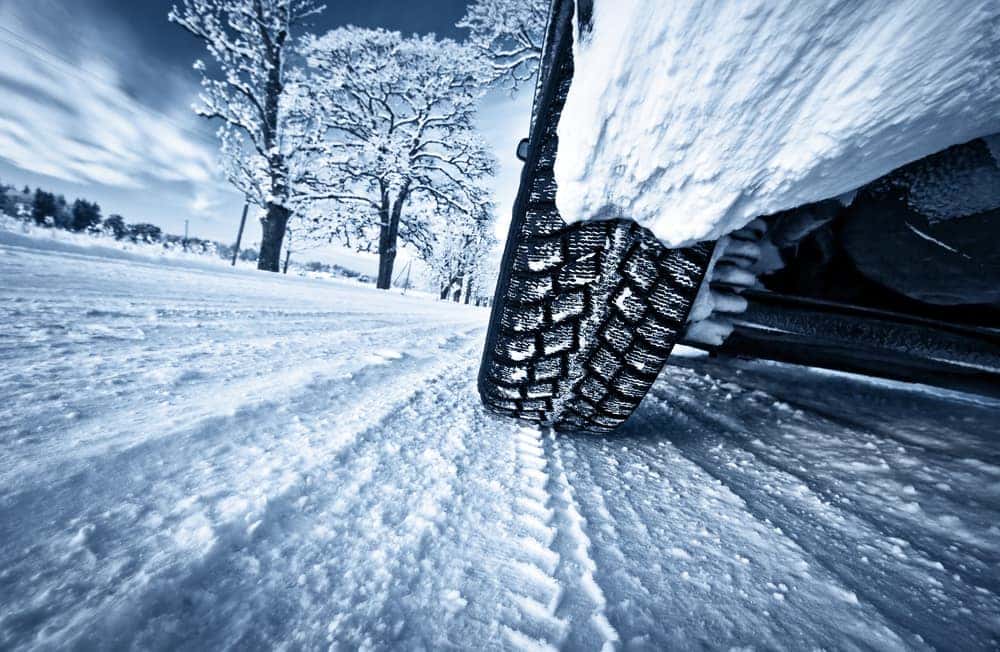
Winter presents unique challenges for vehicle owners, as plummeting temperatures and harsh conditions can lead to a host of common problems. From dead batteries struggling to deliver cold cranking amps to frozen fluids like windshield washer solution, drivers often face unexpected stalls and safety risks.
You might be interested in this content. Most Expensive Car Repairs to Avoid
Tire pressure drops significantly, reducing traction on icy roads, while moisture in fuel lines can cause blockages. Understanding these issues helps motorists prepare and prevent costly breakdowns during the coldest months.
You might be interested in this content. Signs Your Transmission Is Failing
Common Winter Vehicle Problems and How to Address Them
Winter weather can be harsh on vehicles, leading to a range of issues that can compromise safety and performance. From dead batteries to frozen fluids, understanding these common problems is essential for prevention and timely repairs. Below are three key areas of concern, followed by a practical comparison of symptoms and solutions.
You might be interested in this content. Why Does My Car Leak Fluids?
Battery Failure and Electrical System Strain
Cold temperatures significantly reduce a battery's cranking power, making winter the most common time for battery failure. The chemical reactions inside the battery slow down, and the engine oil thickens, requiring more power to start. Additionally, increased use of heaters, defrosters, and lights puts extra strain on the electrical system. To mitigate this, have your battery tested before winter and clean any corrosion from terminals.
You might be interested in this content. Kia Rio Tire Pressure: The Complete Guide to Optimal Performance and Safety
Frozen Fuel Lines and Diesel Gelling
In freezing conditions, moisture in the fuel system can form ice crystals that block fuel lines, starving the engine. For diesel vehicles, the fuel itself can wax or gel at low temperatures, turning into a semi-solid substance that won't flow. This is often signaled by hard starting or stalling. Using a winter-blend fuel, keeping your tank at least half full to reduce condensation, and adding fuel-line antifreeze are effective precautions.
You might be interested in this content.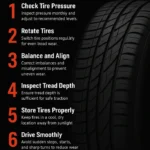
Reduced Tire Traction and Air Pressure Loss
Cold air contracts, causing tire pressure to drop by about 1 psi for every 10°F decrease. Underinflated tires not only reduce fuel economy but also significantly impair traction on snow and ice. Furthermore, the rubber compounds in tires harden in low temperatures, reducing grip. Drivers should check tire pressure regularly and consider switching to winter or all-weather tires for better cold-weather performance.
You might be interested in this content.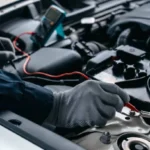
| Vehicle Problem | Primary Cause | Key Symptom | Quick Solution |
|---|---|---|---|
| Battery Failure | Chemical slowdown & thick oil | Slow cranking or click sound | Test and replace if weak |
| Frozen Fuel Lines | Ice crystals or diesel gelling | Engine cranks but won't start | Use fuel additive or warm vehicle |
| Tire Pressure Loss | Cold air contraction | Low TPMS warning or poor handling | Inflate to door placard specification |
Frequently Asked Questions
What causes a car battery to die more often in winter?
Cold temperatures slow down the chemical reactions inside a car battery, reducing its ability to hold a charge effectively. At freezing or below, the battery's cranking power can drop by up to 60%. Additionally, winter demands more from the battery due to increased use of headlights, heaters, and defrosters, which drain power faster. Older or weak batteries are especially vulnerable and may fail to start the engine.
Why do tires lose pressure in cold weather?
Tire pressure decreases in cold weather because air contracts as temperatures drop, typically losing 1-2 PSI for every 10°F decrease. This pressure loss can cause underinflated tires, leading to reduced traction, uneven wear, and decreased fuel efficiency. It also increases the risk of blowouts. Regular pressure checks during winter are essential to maintain safety and performance, especially when driving on snow or ice.
How does winter affect engine oil and car startup?
Engine oil thickens in cold temperatures, making it harder to flow through the engine during startup. This increases friction and strain on the engine's components, which can delay ignition or cause rough idling. Using the wrong oil viscosity for winter conditions exacerbates this problem. Switching to a lower-viscosity oil, like 5W-30, as recommended by the manufacturer, helps ensure smoother startups and better lubrication in freezing weather.
Why do fuel lines freeze in winter and how to prevent it?
Fuel lines freeze when moisture in the fuel system condenses and freezes in low temperatures, blocking the flow of gasoline or diesel. This can cause starting issues or engine stalling. To prevent freezing, keep the fuel tank at least half full to reduce condensation buildup. Adding fuel system antifreeze or using winter-grade diesel also helps. Regular maintenance and replacing old fuel filters further protect against ice-related blockages.
Leave a Reply