
Brake Parts Buying Guide

When it comes to vehicle safety, few components are as critical as the braking system. Selecting the right brake parts can be overwhelming, given the myriad of options from OEM to aftermarket brands. This guide simplifies the process by covering key factors like compatibility, material types such as ceramic versus semi-metallic pads and rotors, calipers, and hardware essentials.
Whether you prioritize performance, durability, or budget, understanding wear indicators, pad hardness, and rotor ventilation ensures informed decisions. Avoid common pitfalls such as mismatched parts or ignoring driving habits, which can compromise stopping power. Prioritize quality from reputable manufacturers to guarantee reliable braking under various conditions.
- How to Choose the Right Brake Parts for Your Vehicle
- Complete Brake Parts Buying Guide: Types, Compatibility, and Selection Tips
- Evaluating Brake Pad Materials and Performance
- Selecting the Right Rotors for Your Vehicle
- Assessing Brake Fluid and Hydraulic System Compatibility
- How to Measure Brake Caliper Size for Your Vehicle
- Common Brake Caliper Sizes by Vehicle Type
- Factors That Determine Brake Caliper Size Selection
- Key Considerations for Choosing Brake Rotors
- Understanding Brake Pad Compounds and Wear Patterns
- Role of Caliper Type in Braking Systems
- Frequently Asked Questions
How to Choose the Right Brake Parts for Your Vehicle
When buying brake parts, focus on your vehicle’s specific make, model, and year to ensure compatibility with the braking system. Key factors include the type of driving you do such as city, highway, or off-road which influences whether you need performance, ceramic, or semi-metallic pads and rotors.
Also, consider the quality of materials; original equipment manufacturer (OEM) parts offer reliable fit and performance, while aftermarket options may provide enhanced durability or lower cost. Always check for warranty coverage and certified standards to avoid safety risks.
Understanding Brake Pad Types: Ceramic, Semi-Metallic, and Organic
Brake pads are primarily categorized into ceramic, semi-metallic, and organic materials. Ceramic pads produce less dust and noise, making them ideal for everyday commuting, while semi-metallic pads offer superior heat dissipation and are better for heavy-duty or performance vehicles.
Organic pads are softer and quieter but wear faster, suitable for light driving conditions. The choice depends on factors like driving habits, vehicle weight, and climate—ceramic pads excel in moderate use, but semi-metallic may be necessary for towing or track driving.
When to Replace Brake Rotors: Signs and Selection Tips
Brake rotors should be replaced if you notice vibration in the steering wheel, squealing, or warping during braking. Typically, rotors are replaced every 50,000 to 70,000 miles, but this varies based on usage.
When purchasing, consider drilled or slotted rotors for improved heat dissipation and performance, though they may wear pads faster. Standard solid rotors are cost-effective for daily driving. Measure rotor thickness and check for scoring or cracks before buying to ensure optimal braking power.
Essential Brake System Components: Calipers, Lines, and Fluid
Beyond pads and rotors, the braking system relies on calipers, brake lines, and fluid. Calipers apply pressure to the pads; a stuck caliper can cause uneven wear and should be replaced if leaking or seized. Brake lines—often made of rubber or braided steel—must be inspected for cracks or swelling.
You might be interested in this content.
Brake fluid, typically DOT 3 or DOT 4, absorbs moisture over time, reducing braking efficiency, so flush it every two years. Always use the fluid type specified by your vehicle manufacturer to maintain pressure and safety.
| Component | Material | Best For | Lifespan |
|---|---|---|---|
| Brake Pads | Ceramic | Daily commuting | 30,000-70,000 miles |
| Brake Pads | Semi-Metallic | Performance/towing | 25,000-50,000 miles |
| Brake Pads | Organic | Light duty | 20,000-40,000 miles |
| Brake Rotors | Drilled/Slotted | High-performance | 30,000-60,000 miles |
| Brake Rotors | Solid | Standard use | 50,000-70,000 miles |
| Brake Calipers | Steel/Aluminum | All types | 100,000+ miles |
| Brake Lines | Rubber | Cost-effective | 50,000 miles |
| Brake Lines | Braided Steel | Performance/off-road | 100,000+ miles |
| Brake Fluid | DOT 3/DOT 4 | All systems | 2 years |
Complete Brake Parts Buying Guide: Types, Compatibility, and Selection Tips
What are the key factors to consider when purchasing brake parts?
Key factors to consider when purchasing brake parts include compatibility with your vehicle's make and model, the type of driving you do (e.g., daily commuting vs. heavy towing), the material composition of components like rotors and pads, and the quality and brand reputation.
Additionally, consider whether you need original equipment manufacturer (OEM) parts or aftermarket options, as well as the warranty and price point. Proper installation and maintenance requirements also play a role, as some parts may require specialized tools or professional servicing.
Evaluating Brake Pad Materials and Performance
Understanding the impact of organic, semi-metallic, and ceramic pads on braking efficiency
The material of brake pads directly affects stopping power, noise levels, dust production, and longevity. Organic pads are made from fibers and fillers, offering quiet operation and low rotor wear but tend to fade under high heat. Semi-metallic pads contain metal shavings, providing excellent heat dissipation and durability, but they can be noisier and generate more dust.
Ceramic pads use ceramic fibers and copper, delivering balanced performance with low dust and noise, though they are often more expensive. Your choice should align with driving conditions, such as heavy traffic requiring consistent performance or track use demanding heat resistance.
- Assess your typical driving environment—city driving versus highway or racing.
- Compare dust and noise levels based on reviews or manufacturer data for each material type.
- Check compatibility with your rotor material, as some pads may cause accelerated wear on softer rotors.
Selecting the Right Rotors for Your Vehicle
Key differences between solid, drilled, slotted, and vented rotors
Rotors affect heat dissipation and braking feel. Solid rotors are standard for everyday use, offering cost-effectiveness and reliable performance. Drilled rotors have holes for better heat and gas venting, but they can crack under extreme stress. Slotted rotors feature grooves that wipe pad residue and improve wet braking, ideal for performance applications.
Vented rotors have internal vanes to cool more efficiently, common in heavier vehicles. The rotor material cast iron, carbon ceramic, or hybrid also influences weight, heat capacity, and cost. Consider your vehicle's weight and intended use to avoid overheating or warping.
- Determine your vehicle's weight and typical braking load to choose between vented and solid rotors.
- Evaluate the trade-offs of drilled or slotted designs for aesthetics versus durability.
- Match rotor size and thickness with your calipers and wheel clearance specifications.
Assessing Brake Fluid and Hydraulic System Compatibility
How DOT ratings and fluid types affect brake system reliability
Brake fluid transmits force from the pedal to the calipers, and its boiling point is critical. DOT 3, DOT 4, and DOT 5.1 are glycol-based with varying wet and dry boiling points, while DOT 5 is silicone-based and non-hygroscopic. Using the wrong fluid can cause vapor lock or seal damage.
Also, verify that the fluid is compatible with your vehicle's anti-lock braking system (ABS), as some fluids can degrade electronic components. Check the manufacturer's recommendations for fluid change intervals to maintain performance and prevent moisture absorption.
You might be interested in this content.
- Consult your owner's manual for the required DOT rating and avoid mixing incompatible fluids.
- Consider upgrading to a higher DOT rating if you tow heavy loads or drive in mountainous terrain.
- Inspect all hydraulic lines and calipers for leaks before installing new fluid or parts.
What are the standard brake caliper sizes for different vehicles in a brake parts buying guide?
When selecting brake calipers for a vehicle, the sizes are not universal and depend on factors such as the vehicle's weight, braking performance requirements, and manufacturer specifications. Standard brake caliper sizes are typically categorized by the piston diameter or the type of caliper design, such as single-piston, dual-piston, or multi-piston configurations.
For example, many compact cars like the Honda Civic use a single-piston floating caliper with a 51mm piston diameter, while mid-size sedans like the Toyota Camry often feature a 54mm piston. SUVs and trucks, such as the Ford F-150, may require larger calipers with dual pistons measuring 60mm or more.
Performance vehicles like the BMW M3 might use fixed calipers with four pistons, each around 40mm to 44mm. Other key dimensions include the caliper mounting bolt spacing, rotor thickness compatibility, and the pad contact area. Always consult the vehicle's service manual or a brake parts catalog to verify exact specifications, as aftermarket options may vary.
How to Measure Brake Caliper Size for Your Vehicle
Measuring brake caliper size involves specific tools and techniques to ensure compatibility with rotors and pads.
- Use a caliper gauge or micrometer to measure the piston diameter by exposing the piston through the brake pad opening or removing the caliper.
- Measure the caliper mounting bolt spacing in millimeters from the center of one bolt hole to the center of the other, typically ranging from 106mm to 140mm for common vehicles.
- Check the rotor thickness specification, as calipers are designed to accommodate a minimum and maximum rotor thickness, often between 20mm and 32mm for passenger cars.
Common Brake Caliper Sizes by Vehicle Type
Different vehicle categories have standardized caliper sizes based on their braking demands and engineering designs.
- Passenger compact cars, such as the Mazda3 or Toyota Corolla, typically use single-piston calipers with piston diameters from 48mm to 54mm.
- Mid-size sedans and crossovers, including the Honda Accord or Nissan Rogue, often have single or dual-piston calipers with sizes ranging from 54mm to 60mm.
- Full-size trucks and heavy SUVs, like the Chevrolet Silverado or Ford Expedition, usually require dual or four-piston calipers with pistons measuring 60mm to 70mm or larger.
Factors That Determine Brake Caliper Size Selection
Several performance and design factors influence the appropriate caliper size for a specific vehicle application.
- Vehicle weight and braking force requirements affect piston area, with heavier vehicles needing larger or multiple pistons to maintain stopping power.
- Rotor diameter and thickness compatibility are critical, as calipers must align with the rotor's swept area and handle thermal expansion during braking.
- Aftermarket upgrade options, such as performance brake kits, often offer fixed multi-piston calipers with custom piston sizes, but these must match the vehicle's original master cylinder and brake fluid pressure specs.
What are the key disc brake components and their functions in a brake parts buying guide?
The key disc brake components in a brake parts buying guide include the brake rotor, brake caliper, brake pads, and brake fluid. The brake rotor is a metal disc that the brake pads clamp onto to create friction and slow the vehicle. The brake caliper houses the brake pads and pistons, and it applies pressure to the pads against the rotor when the brake pedal is engaged.
The brake pads are friction materials that press against the rotor to generate stopping power. Brake fluid transmits hydraulic pressure from the master cylinder to the caliper's pistons, enabling the clamping action.
Other essential components include the brake lines, which carry fluid, and the master cylinder, which initiates the hydraulic pressure. Understanding these parts ensures proper selection during a purchase.
Key Considerations for Choosing Brake Rotors
Factors Affecting Rotor Performance and Compatibility
When selecting brake rotors, their material, design, and size directly impact stopping power, heat dissipation, and durability. Common materials include cast iron for standard use, carbon-ceramic for high-performance vehicles, and drilled or slotted designs for improved heat and gas venting.
Rotor diameter and thickness must match the vehicle's specifications to ensure proper caliper fitment.
- Select rotors with a vented design for better cooling in high-stress driving conditions.
- Ensure the rotor's bolt pattern and center bore align with the vehicle's hub.
- Consider rotors with anti-corrosion coatings for longer lifespan in harsh climates.
Understanding Brake Pad Compounds and Wear Patterns
How Pad Material Affects Stopping Efficiency and Noise
Brake pad compounds range from organic (resin-based) for quiet operation, semi-metallic for durability and heat resistance, to ceramic for low dust and stable performance.
You might be interested in this content.
Pad wear can vary with driving habits, causing uneven surfaces or grooves on the rotor. Matching pad compound to driving style, such as commuting or track use, is crucial.
- Choose organic pads for daily city driving to minimize noise and rotor wear.
- Opt for semi-metallic pads if towing or driving in mountainous areas for better heat management.
- Use ceramic pads for luxury vehicles to reduce brake dust and extend pad life.
Role of Caliper Type in Braking Systems
Fixed vs. Floating Calipers and Their Maintenance Needs
Calipers come in fixed (multi-piston) designs for even pressure distribution and floating (single-piston) designs for simpler installation and lower cost.
Caliper material, such as aluminum or steel, affects weight and heat transfer. Proper caliper function relies on lubricated slide pins and non-seized pistons to prevent uneven pad wear.
- Choose fixed calipers for high-performance or racing applications where consistent clamping is essential.
- Use floating calipers for standard vehicles to simplify replacement and reduce expense.
- Inspect caliper guide pins regularly and apply high-temperature grease to prevent sticking.
Frequently Asked Questions
How do I know which brake pads are compatible with my vehicle?
To find compatible brake pads, refer to your vehicle owner's manual for specifications, or use online fitment tools from auto parts retailers. Key factors include your car's make, model, and year. Additionally, check the brake pad shape, size, and mounting style; some vehicles require specific performance or ceramic pads.
Always verify compatibility to ensure proper fit, performance, and safety. Mismatched pads can lead to noise, poor braking, or damage to the rotors.
What is the difference between ceramic and semi-metallic brake pads?
Ceramic brake pads are quieter, produce less dust, and offer smooth braking, making them ideal for daily driving. They handle heat well but may be less effective in extreme conditions.
Semi-metallic pads contain metal fibers for better heat dissipation and durability, performing well under heavy loads or high performance, but they can be noisier and generate more dust. The choice depends on your driving habits and vehicle needs.
How often should I replace my brake pads?
Brake pads typically need replacement every 30,000 to 70,000 miles, but this varies. Listen for squealing or grinding noises, and check pad thickness visually; a standard is less than 1/4 inch.
Aggressive driving, heavy towing, or frequent stop-and-go traffic can accelerate wear. Many modern pads have built-in wear indicators that create a high-pitched sound when replacement is due. Inspect them during oil changes or every 6 months.
You might be interested in this content.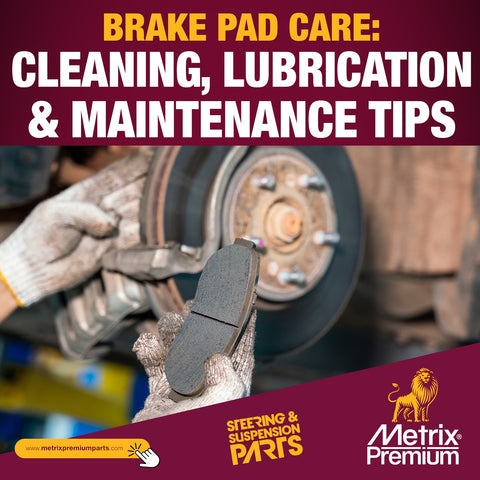 Brake Maintenance Tips
Can I install brake pads myself, or should I hire a professional?
Installing brake pads yourself is possible if you have mechanical experience and proper tools like a jack, lug wrench, and C-clamp. It requires securely lifting the car, removing the caliper, and compressing the piston.
However, mistakes can compromise safety, so beginners should hire a professional mechanic who can also inspect rotors and ensure correct installation. professional costs range $150-$300 per axle, while DIY saves money but demands care.
Leave a Reply