
Why Is My Car Shaking While Driving?

Experiencing your car shaking while driving can be unsettling and often signals an underlying issue that demands attention. This vibration may stem from various sources, ranging from simple tire imbalances to more complex mechanical failures. Common culprits include uneven tire wear, misaligned wheels, or damaged brake components.
In some cases, worn-out suspension parts or engine problems, such as misfiring cylinders, could be the cause. Understanding these potential reasons is crucial for ensuring your safety and preventing further damage. By identifying the root of the shaking, you can take appropriate steps to address it, restoring a smooth and reliable driving experience.
- Common Causes of a Car Shaking While Driving
- Common Causes of Car Shaking While Driving
- Engine Performance Issues Causing Low-Speed Shaking
- Wheel and Tire Imbalances at Low Speeds
- Drivetrain and Suspension Component Wear
- Tire and Wheel Imbalance
- Worn or Damaged Suspension Components
- Drivetrain Issues Such as Drive Shaft or CV Joint Problems
- Worn or Damaged Engine Mounts
- Dirty or Faulty Idle Air Control System
- Frequently Asked Questions
Common Causes of a Car Shaking While Driving
A car shaking while driving is often a sign of underlying mechanical issues that range from minor imbalances to serious safety concerns. The most frequent culprits include tire problems, such as uneven wear or improper balancing, which create a vibration felt through the steering wheel or the entire vehicle.
Other causes can involve worn suspension components, brake system defects, or engine misfires. Identifying the specific type of shake—whether it occurs at certain speeds, during braking, or only when accelerating—is crucial for diagnosing the root cause and preventing costly repairs or accidents.
Wheel and Tire Imbalance
The most common reason for a car shaking while driving, especially at highway speeds, is wheel and tire imbalance. When tires are not properly weighted, they spin with uneven distribution of mass, causing a wobble that translates into a vibration felt through the steering wheel.
This often arises from worn or lost balance weights, or after installing new tires. Regular tire balancing every 5,000 to 6,000 miles can prevent this issue, and if ignored, it may accelerate tire wear and damage suspension components.
Worn or Faulty Brake Components
If the shaking intensifies primarily when you press the brake pedal, the issue likely stems from worn or warped brake rotors. Over time, rotors can become uneven from heat buildup and friction, causing them to pulse against the brake pads. This creates a rhythmic shudder through the brake pedal and steering wheel.
Additionally, stuck or corroded calipers can prevent even braking pressure, further contributing to the vibration. Addressing this promptly is vital as it compromises braking efficiency and safety.
You might be interested in this content.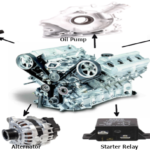 Common Engine Problems and Their Causes
Engine or Drivetrain Misfires
A shaking sensation that occurs during acceleration or at idle often indicates engine misfires or drivetrain problems. Misfires happen when fuel or spark is improperly delivered to a cylinder, often due to worn spark plugs, faulty ignition coils, or clogged fuel injectors. On the drivetrain side, a failing CV joint or damaged driveshaft can cause vibrations proportional to vehicle speed. Regular engine maintenance and immediate attention to rough running can prevent more extensive damage and restore smooth operation.
| Symptom | Probable Cause | Typical Speed Range |
|---|---|---|
| Vibration through steering wheel | Wheel imbalance or bent rim | 50–70 mph |
| Shudder during braking | Warped brake rotors | All speeds |
| Shaking under acceleration | Engine misfire or CV joint wear | 20–60 mph |
Common Causes of Car Shaking While Driving
What causes car shaking at low speeds while driving?
Car shaking at low speeds while driving, typically between idling and around 30 mph, is often caused by issues related to the engine, drivetrain, or wheels, as these components operate under different stresses compared to high-speed driving. Low-speed vibrations are more noticeable because the frequency of the shaking aligns with the natural resonance of the vehicle's structure, making even minor faults feel prominent.
Common culprits include problems with spark plugs, fuel delivery, worn engine mounts, unbalanced wheels, or issues in the transmission and drive shafts. These factors disrupt the smooth rotation or combustion process, leading to a tactile shudder that intensifies during acceleration or coasting at lower speeds.
Engine Performance Issues Causing Low-Speed Shaking
Misfiring Cylinders and Fuel Delivery Problems
When the engine struggles to maintain a consistent combustion cycle at low speeds, it can produce a shaking sensation that is often felt through the steering wheel or seat. This is commonly due to misfiring cylinders, where one or more spark plugs fail to ignite the air-fuel mixture properly, or fuel injectors that clog, causing uneven power delivery.
Other factors include a dirty throttle body or idle air control valve, which disrupts the engine's idle stability and low-end torque. To address these issues, consider the following steps:
- Inspect spark plugs for wear, carbon buildup, or incorrect gap settings, replacing them if necessary with manufacturer-approved parts.
- Check fuel injectors for clogs by performing a fuel system cleaning or using a diagnostic tool to measure spray patterns.
- Clean the throttle body and idle air control valve using a specialized solvent to remove deposits that hinder airflow.
Wheel and Tire Imbalances at Low Speeds
Bent Rims and Uneven Tire Wear
Even at low speeds, imbalances in the wheel and tire assembly can cause noticeable shaking, particularly if the wheels are not properly balanced or if the tires have suffered damage.
A bent rim from hitting a pothole or curb, or uneven tire wear due to misalignment, can create a wobble that becomes apparent as the vehicle moves slowly. Additionally, a separated tire belt or a bulge in the sidewall can amplify vibrations. Regular inspections and maintenance are key. Here are actions to take:
- Have the wheel balance checked professionally, as small weight differences can cause vibrations at various speeds.
- Inspect tires for visible defects like bulges, cracks, or uneven tread wear, and replace any damaged tires.
- Verify wheel alignment, as improper toe or camber settings can lead to uneven tire contact and shaking at low speeds.
Drivetrain and Suspension Component Wear
Worn CV Joints and Axle Shafts
The drivetrain, including constant velocity (CV) joints, axle shafts, and suspension components, can cause low-speed shaking when they wear out or sustain damage.
You might be interested in this content. Why Does My Check Engine Light Come On?
When CV joint boots tear, dirt and moisture enter, accelerating wear and resulting in a clicking or shuddering sensation during turns or acceleration. Similarly, a worn or unbalanced driveshaft in rear-wheel-drive vehicles, or damaged suspension bushings and ball joints, can transmit vibrations through the chassis. To diagnose and fix these, follow these steps:
- Examine CV joint boots for tears or grease leaks, and replace the entire joint assembly if play is detected.
- Inspect axle shafts for bends or excessive play, as even slight damage can cause low-speed wobbling.
- Check suspension components like control arm bushings and tie rod ends for looseness, replacing any worn parts to restore stability.
Why Does My Car Vibrate When Driving at High Speeds?
When your car vibrates at high speeds, it typically indicates an issue with one or more components related to the wheels, tires, suspension, or drivetrain. The most common cause is tire imbalance, where uneven weight distribution in the tire assembly causes it to wobble as speed increases.
Other factors include misaligned wheels, worn suspension parts, damaged tires, or problems with the braking system. The vibration may be felt through the steering wheel, seat, or floorboard, depending on the source. Diagnosing the exact cause involves inspecting tires, wheels, suspension components, and drivetrain elements like drive shafts or CV joints. Below are detailed subtitles exploring specific reasons and solutions for this issue.
Tire and Wheel Imbalance
How Imbalance Creates Vibration at High Speeds
Tire imbalance occurs when the weight of the tire and wheel assembly is not evenly distributed around the axis of rotation. At higher speeds, this imbalance generates centrifugal forces that cause the wheel to bounce or wobble, transmitting vibrations to the vehicle. This is the most frequent cause of high-speed vibration, often felt through the steering wheel if the front tires are involved. Professional balancing using a spin balancer can correct this by adding small weights to the rim.
- Perform a visual inspection of tires for bulges, uneven wear, or missing wheel weights.
- Have a technician spin-balance each tire and wheel assembly on a dynamic balancing machine.
- Request rebalancing if weights become dislodged or if vibration persists after balancing.
Worn or Damaged Suspension Components
The Role of Control Arms, Ball Joints, and Bushings in Vibration
Suspension parts like control arm bushings, ball joints, tie rod ends, and struts are designed to absorb road impact and maintain wheel alignment. When these components wear out, they can introduce excessive play, allowing the wheel to move erratically at high speeds. This manifests as a vibration that may be felt in the steering wheel or the entire vehicle, especially during turns or over uneven road surfaces. Inspecting and replacing worn parts is essential to restore stability.
- Inspect control arm bushings for cracks, tearing, or excessive flexibility by prying with a bar.
- Check ball joints and tie rod ends for looseness by lifting the vehicle and shaking wheels side to side.
- Replace any worn suspension components and perform a wheel alignment afterward to ensure proper geometry.
Drivetrain Issues Such as Drive Shaft or CV Joint Problems
How Failed CV Joints or Unbalanced Drive Shafts Cause Vibration
In front-wheel or all-wheel drive vehicles, constant velocity (CV) joints connect the transmission to the wheels, while rear-wheel drive vehicles use drive shafts. A damaged CV joint with torn boots or dried grease can wear unevenly and cause a clicking noise along with vibration during acceleration at high speeds. Similarly, a bent or unbalanced drive shaft can generate a rhythmic vibration, often felt in the floorboard or seat. Balancing or replacing these drivetrain components resolves the issue.
- Inspect CV joint boots for tears, leaks, or grease splatter on the undercarriage.
- Listen for clicking sounds while turning sharply at low speed, indicating a worn CV joint.
- Check drive shaft balance and replace any bent or worn universal joints or shaft sections.
Why Does My Car Shake While Idling or Parked?
Experiencing a shaking or vibrating sensation from your car while it is stationary and idling can indicate several underlying mechanical issues. The engine, transmission, and various supporting systems are designed to operate smoothly when at rest. When vibrations become noticeable, it often points to an imbalance, misfire, or worn component that needs attention.
Common causes range from simple maintenance oversights like dirty fuel injectors to more serious problems such as failing engine mounts. Identifying the source of the vibration is key to preventing further damage and ensuring a comfortable ride.
You might be interested in this content. Most Common Transmission Problems
Engine Misfires Causing Idle Vibration
An engine misfire occurs when one or more cylinders fail to ignite the air-fuel mixture properly. This imbalance in combustion causes the engine to run roughly, resulting in noticeable shaking, especially when idling with no load on the engine. Misfires are often intermittent but become more pronounced as the problem worsens.
- Faulty spark plugs or ignition coils: Worn or damaged spark plugs cannot produce a strong enough spark, while failing coils cut power to specific cylinders, both leading to incomplete combustion.
- Clogged or leaking fuel injectors: Injectors that are dirty or damaged may not deliver the correct amount of fuel, creating a lean or rich mixture that disrupts cylinder firing.
- Vacuum leaks: Cracks or loose hoses in the intake system allow unmetered air to enter the engine, upsetting the air-fuel ratio and causing erratic idling and shaking.
Worn or Damaged Engine Mounts
Engine mounts are rubber and metal components designed to secure the engine to the vehicle's frame while absorbing vibrations. Over time, the rubber can deteriorate, crack, or separate, and hydraulic mounts may leak fluid. When mounts fail, the engine loses its dampening support and transmits excessive vibration from its normal operation directly into the cabin, particularly at idle when engine movement is more pronounced.
Signs of Failing Engine Mounts
With worn mounts, the shaking is often felt more intensely in the steering wheel, floorboard, or seat, and may change when shifting from park to drive or reverse due to torque load. A visual inspection might reveal sagging or cracked rubber.
- Increased vibration when the air conditioning compressor engages, as the added load stresses the mounts further.
- A thud or clunk noise when accelerating or decelerating, indicating the engine is shifting excessively.
- Visible misalignment of the engine, such as a fan hitting the shroud or belts rubbing against guards.
Dirty or Faulty Idle Air Control System
The idle air control valve or idle speed control system regulates engine idle speed by managing the amount of air bypassing the throttle plate. If the valve becomes clogged with carbon deposits or fails, it cannot maintain a stable idle speed. An erratic idle, which can dip too low or surge, causes the engine to shake because the rotational force becomes uneven and insufficient to run smoothly.
Common Issues with the Idle Air Control System
A dirty idle air control valve is a frequent cause of rough idling, especially in vehicles that have not had routine throttle body cleaning. The problem may be temperature-dependent or only occur after extended idling.
- Carbon buildup on the idle air control valve pintle or passageways restricts airflow, forcing the computer to compensate incorrectly.
- A dying coolant temperature sensor can send incorrect readings to the engine control unit, leading to improper idle adjustments during warm-up.
- Electrical faults like a broken wire or corroded connector to the idle air control valve prevent it from moving as commanded, freezing idle at an unstable speed.
Frequently Asked Questions
What are the most common reasons for my car shaking while driving?
The most frequent causes are unbalanced tires, misaligned wheels, or worn-out suspension components. Unbalanced tires create a vibration felt through the steering wheel, especially at highway speeds. Warped brake rotors can cause shaking when braking, while damaged CV joints or axle issues often produce vibrations during turns. Low tire pressure or uneven tread wear also contribute to this problem by disrupting smooth rotation.
Can engine problems cause my car to shake while I'm driving?
Yes, engine issues frequently cause shaking. Malfunctioning spark plugs, faulty ignition coils, or clogged fuel injectors disrupt the combustion process, creating misfires that produce vibrations. A failing engine mount allows the engine to move excessively, transmitting shudders to the cabin. Dirty air filters or vacuum leaks also affect engine performance. If the shaking worsens when accelerating, an engine-related problem is highly likely.
How can I tell if my shaking car has a suspension issue?
Suspension-related shaking often feels more pronounced when driving over bumps or rough roads. You may notice a wobbling sensation in the steering wheel or the entire vehicle. Worn shock absorbers, struts, or ball joints cause instability and vibration. Listen for clunking or knocking sounds. Inspect tires for uneven wear patterns, a clear sign of suspension misalignment. A professional inspection is recommended for accurate diagnosis and safe repairs.
You might be interested in this content. Why Does My Car Vibrate at Highway Speeds?
Is it safe to drive when my car is shaking while driving?
It depends on the cause, but generally, it is not safe to drive for extended periods. Shaking signals potential mechanical failure, such as a detached tire weight, worn brake component, or damaged axle. These issues can worsen suddenly, leading to loss of control or a breakdown. If the shaking is severe or accompanied by unusual noises, stop immediately and call for towing. Always prioritize safety by having a mechanic inspect your vehicle promptly.
Leave a Reply