
Is the Hyundai Tucson a Good Car in Canada? Complete Review

The Hyundai Tucson is a good car for Canadian drivers looking for a comfortable, practical and well-equipped compact SUV. It offers a spacious interior, advanced safety technology, all-wheel drive and several powertrain options, including conventional gasoline, hybrid and plug-in hybrid versions.
Whether you need a vehicle for commuting in Toronto, driving through snowy roads in Alberta or taking family road trips across British Columbia, the Tucson offers an attractive combination of practicality and comfort.
However, not every Hyundai Tucson model year delivers the same level of reliability. Some older models have experienced engine and transmission problems, making it important to choose carefully when buying a used vehicle.
In this guide, we examine Hyundai Tucson reliability, fuel economy, winter performance, maintenance costs, advantages, disadvantages and whether this popular SUV is worth buying in Canada.
- Is the Hyundai Tucson Worth Buying in Canada?
- Is the Hyundai Tucson Reliable in Canada?
- Hyundai Tucson Engine Performance
- Is the Hyundai Tucson Fuel Efficient?
- Is the Hyundai Tucson Good in Canadian Winters?
- Hyundai Tucson Interior Quality and Comfort
- Is the Hyundai Tucson a Safe Car?
- Common Hyundai Tucson Problems in Canada
- Hyundai Tucson Maintenance Costs in Canada
- Hyundai Tucson Warranty in Canada
- How Long Does a Hyundai Tucson Last?
- Hyundai Tucson Pros and Cons
- Hyundai Tucson vs Other SUVs in Canada
- Is the Hyundai Tucson Hybrid Worth Buying in Canada?
- Is a Used Hyundai Tucson a Good Purchase?
- Which Hyundai Tucson Trim Is Best in Canada?
- Who Should Buy a Hyundai Tucson?
- Frequently Asked Questions
- Conclusion: Is the Hyundai Tucson a Good Car in Canada?
Is the Hyundai Tucson Worth Buying in Canada?
Yes, the Hyundai Tucson is worth considering in Canada, particularly if you prioritize interior space, comfort, technology and winter driving capability.
The Tucson competes directly with popular compact SUVs such as the Toyota RAV4, Honda CR-V, Mazda CX-5, Nissan Rogue and Kia Sportage.
Its main appeal is the balance between everyday practicality and modern equipment. Canadian buyers can choose between relatively straightforward gasoline models and more powerful electrified versions.
| Category | Hyundai Tucson evaluation |
|---|---|
| Reliability | Varies by model year and engine |
| Fuel economy | Good, particularly hybrid models |
| Interior comfort | Very good |
| Winter performance | Very good with winter tires |
| Cargo space | Very good |
| Safety technology | Very good |
| Maintenance costs | Generally reasonable |
| Engine performance | Better in hybrid versions |
| Warranty coverage | Excellent |
| Overall value | Very good |
These evaluations reflect the vehicle's general strengths and weaknesses rather than official reliability scores.
Is the Hyundai Tucson Reliable in Canada?
The Hyundai Tucson can be a reliable SUV when properly maintained. However, reliability depends significantly on the engine, model year, mileage and previous maintenance history.
Newer Tucson models benefit from updated powertrains, improved technology and comprehensive warranty coverage.
The fourth-generation Hyundai Tucson, introduced for the 2022 model year in Canada, represents a significant improvement in interior space, refinement and available technology compared with previous generations.
Nevertheless, newer vehicles are not completely free from mechanical problems or recalls.
Hyundai Tucson reliability by model year
| Model years | Buying recommendation |
|---|---|
| 2010–2015 | Inspect carefully due to age and potential mechanical issues |
| 2016–2018 | Exercise additional caution regarding engine and transmission problems |
| 2019–2021 | Consider vehicles with complete maintenance records |
| 2022–2023 | Check fuel injector concerns and recall history |
| 2024 | Attractive used option with a thorough inspection |
| 2025–2026 | Modern equipment and potentially remaining factory warranty |
No model year guarantees trouble-free ownership. We recommend prioritizing maintenance history and mechanical condition over mileage alone.
Hyundai Tucson Engine Performance
The Hyundai Tucson offers several engine configurations in Canada, making it suitable for different driving requirements and budgets.
2.5-litre gasoline engine
The conventional gasoline Tucson features a naturally aspirated 2.5-litre four-cylinder engine paired with an eight-speed automatic transmission.
Its main characteristics include:
- Approximately 187 horsepower.
- Smooth power delivery.
- No turbocharger.
- Conventional automatic transmission.
- Adequate performance for everyday driving.
- HTRAC all-wheel drive on current Canadian models.
The gasoline engine is suitable for commuting, family transportation and highway driving.
However, acceleration can feel modest when carrying several passengers, climbing steep hills or overtaking at highway speeds.
1.6-litre turbocharged hybrid engine
The Hyundai Tucson Hybrid combines a turbocharged gasoline engine with an electric motor.
Recent Canadian hybrid models produce approximately 231 combined horsepower, delivering stronger acceleration than the conventional gasoline version.
The hybrid is particularly attractive for drivers who spend considerable time in urban traffic and want better fuel efficiency without having to charge their vehicle.
Hyundai Tucson Plug-in Hybrid
The Tucson Plug-in Hybrid combines a gasoline engine with a larger rechargeable battery.
The 2026 Canadian version offers an estimated electric-only driving range of up to 51 kilometres under manufacturer test conditions.
This configuration is particularly appealing for drivers who can charge at home and complete most daily journeys using electricity.
However, its higher purchase price and additional mechanical complexity should be considered.
Is the Hyundai Tucson Fuel Efficient?
Fuel economy is one of the most important considerations for Canadian SUV buyers.
The Hyundai Tucson delivers reasonable fuel consumption in gasoline form, while the hybrid provides greater efficiency.
You might be interested in this content.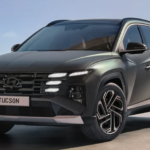 25 Hyundai Tucson Tips and Tricks Every Owner Should Know
Hyundai Tucson fuel consumption in Canada
| 2026 powertrain | Combined fuel consumption |
|---|---|
| 2.5L gasoline AWD | 8.8 L/100 km |
| 1.6L turbo hybrid AWD | 6.7 L/100 km |
| Plug-in hybrid AWD | Depends significantly on charging frequency |
Actual consumption depends on driving habits, outdoor temperature, traffic, tire pressure and vehicle load.
Canadian winters can significantly increase fuel consumption, especially during short journeys when the engine has insufficient time to reach its normal operating temperature.
Annual Hyundai Tucson fuel costs
Assuming an annual driving distance of 20,000 kilometres and a gasoline price of $1.60 CAD per litre, estimated fuel expenses are:
| Vehicle | Annual fuel cost |
|---|---|
| Hyundai Tucson gasoline | $2,816 CAD |
| Hyundai Tucson Hybrid | $2,144 CAD |
| Potential annual savings | $672 CAD |
Over five years, the hybrid could save approximately $3,360 CAD in gasoline expenses under these assumptions.
However, buyers should compare these potential savings against the additional purchase price of the hybrid.
Is the Hyundai Tucson Good in Canadian Winters?
Yes, the Hyundai Tucson is well suited to Canadian winter conditions, particularly when equipped with quality winter tires.
Its elevated driving position, all-wheel-drive system and cold-weather comfort features make it a practical choice for drivers living in Ontario, Quebec, Alberta, Manitoba and other provinces that experience significant snowfall.
Hyundai Tucson HTRAC all-wheel drive
Hyundai's HTRAC AWD system manages power distribution between the front and rear wheels to improve traction under changing road conditions.
It can be particularly useful when accelerating on snowy roads, navigating slippery hills or driving through slush.
All-wheel drive does not, however, replace winter tires or significantly shorten braking distances on ice.
Winter comfort features
Depending on the model year and trim, the Hyundai Tucson offers heated front seats, a heated steering wheel, heated exterior mirrors, remote engine start and heated rear seats.
These features make winter commuting considerably more comfortable, particularly when temperatures fall below freezing.
Is the Tucson good in heavy snow?
The Tucson performs well in ordinary snowy conditions, but it is not a dedicated off-road SUV.
For deep snow, unmaintained roads or severe winter conditions, appropriate tires, sufficient ground clearance and careful driving remain essential.
Hyundai Tucson Interior Quality and Comfort
Interior comfort is one of the Tucson's strongest selling points.
Recent models feature an attractive dashboard, comfortable seating and a spacious passenger compartment.
Compared with some compact SUV competitors, the Tucson feels particularly accommodating in the rear seats.
Passenger space
The Hyundai Tucson provides seating for five passengers, making it suitable for families with children, couples and drivers who regularly carry adult passengers.
Rear-seat legroom is generous, while the relatively upright seating position contributes to passenger comfort.
Technology and infotainment
Depending on the trim and model year, available technology includes touchscreen infotainment, Apple CarPlay, Android Auto, digital instruments, wireless smartphone charging, premium audio and a surround-view camera.
Higher trims deliver a more premium experience without entering the luxury SUV segment.
Cargo space
The Hyundai Tucson offers a practical cargo area suitable for groceries, suitcases, camping equipment, sports gear and everyday family activities.
Folding the rear seats increases cargo capacity considerably.
Plug-in hybrid versions generally offer less cargo space because of their larger battery and associated components.
Is the Hyundai Tucson a Safe Car?
The Hyundai Tucson offers a comprehensive selection of active and passive safety technologies.
Depending on the model year and trim, these may include:
- Forward collision avoidance assistance.
- Blind-spot monitoring.
- Lane keeping assistance.
- Adaptive cruise control.
- Rear cross-traffic assistance.
- Driver attention monitoring.
- Automatic emergency braking.
- Rear occupant alerts.
- Parking assistance.
These technologies can help reduce the risk of accidents and make highway driving more comfortable.
You might be interested in this content. Best Cars for Canadian Winters
However, safety ratings and equipment vary by model year. Drivers should also remember that snow, ice and dirt can interfere with cameras and sensors.
Common Hyundai Tucson Problems in Canada
Although the Hyundai Tucson offers many advantages, buyers should be aware of several potential problems.
1. Engine problems
Certain older Hyundai Tucson models have experienced excessive oil consumption, engine knocking, premature engine wear and engine failure.
These concerns make regular oil changes and a documented maintenance history especially important when purchasing a used Tucson.
2. Transmission problems
Some older Tucson models equipped with a seven-speed dual-clutch transmission have experienced hesitation, delayed acceleration and rough operation at low speeds.
Certain 2016 models were recalled in Canada because of potential transmission engagement problems.
The conventional eight-speed automatic used in newer gasoline versions is a different transmission design.
3. Fuel injector problems
Certain 2022 and 2023 Hyundai Tucson models equipped with the 2.5-litre engine are included in a Transport Canada investigation involving potential fuel injector failure and engine stalling.
An investigation does not establish that every affected vehicle is defective, but buyers should check the vehicle's service history and current investigation status.
4. Electrical and infotainment issues
Modern Tucson models contain numerous electronic systems that can occasionally experience software or connectivity problems.
Potential symptoms include unresponsive displays, smartphone connectivity problems and unexpected warning messages.
Certain 2025 and 2026 models were also recalled in Canada for instrument cluster software issues and unexpected braking associated with front camera software.
5. ABS module problems
Certain 2016–2021 Hyundai Tucson vehicles were recalled because an electrical fault within the ABS control module could create a fire risk.
Before purchasing an older Tucson, confirm that all applicable safety recall repairs have been completed.
Hyundai Tucson Maintenance Costs in Canada
The Hyundai Tucson generally has reasonable routine maintenance requirements compared with other mainstream compact SUVs.
However, labour rates, replacement parts and vehicle condition can influence total ownership expenses.
Estimated maintenance costs
| Maintenance service | Estimated cost in Canada |
|---|---|
| Engine oil and filter change | $80–$150 CAD |
| Engine air filter replacement | $40–$100 CAD |
| Cabin air filter replacement | $40–$100 CAD |
| Tire rotation | $40–$80 CAD |
| Brake fluid replacement | $120–$200 CAD |
| Brake pads and rotors per axle | $400–$850 CAD |
| 12-volt battery replacement, where applicable | $180–$350 CAD |
| Set of four winter tires | $700–$1,400 CAD |
These are illustrative budgeting estimates rather than official Hyundai service prices. Actual costs vary by province, workshop, powertrain and replacement parts.
Is the Hyundai Tucson expensive to maintain?
Routine servicing is generally manageable, but unexpected engine, transmission or hybrid system repairs outside warranty coverage can be expensive.
Following Hyundai's recommended maintenance schedule is particularly important for vehicles regularly exposed to severe winter temperatures, short journeys and heavy traffic.
Hyundai Tucson Warranty in Canada
Warranty coverage is one of Hyundai's most attractive selling points.
| Warranty type | Coverage |
|---|---|
| Comprehensive limited warranty | 5 years or 100,000 km |
| Powertrain warranty | 5 years or 100,000 km |
| Hybrid system warranty | 8 years or 160,000 km |
| Roadside assistance | 5 years |
Warranty conditions, exclusions and applicable component coverage should always be reviewed before purchasing.
Hyundai's comprehensive warranty is longer than the standard three-year basic warranty offered by many competing manufacturers in Canada.
How Long Does a Hyundai Tucson Last?
A properly maintained Hyundai Tucson may reach 200,000 kilometres or more, although there is no guaranteed lifespan.
Some vehicles can exceed 250,000 kilometres, while others may require significant mechanical repairs much earlier.
The most important factors influencing longevity include regular oil changes, timely transmission servicing where required, cooling system maintenance, responsible driving and corrosion prevention.
Canadian drivers should pay particular attention to underbody corrosion because road salt can accelerate deterioration.
Hyundai Tucson Pros and Cons
Hyundai Tucson advantages
- Spacious and comfortable interior.
- Good cargo capacity.
- Attractive exterior design.
- Available hybrid and plug-in hybrid engines.
- Excellent factory warranty coverage.
- Good winter driving capability.
- Comprehensive safety technology.
- Comfortable suspension.
- Competitive equipment levels.
- Suitable for family transportation.
Hyundai Tucson disadvantages
- Some older models have significant engine problems.
- Certain older dual-clutch transmissions can be problematic.
- Gasoline engine acceleration is relatively modest.
- Hybrid versions have a higher purchase price.
- Newer models have experienced software-related recalls.
- Resale value may be lower than some Japanese competitors.
- Winter fuel consumption can increase considerably.
Hyundai Tucson vs Other SUVs in Canada
The Hyundai Tucson competes in one of Canada's most competitive automotive segments.
You might be interested in this content. Most Reliable Vehicles in Canada
| SUV | Main advantage |
|---|---|
| Hyundai Tucson | Equipment, comfort and warranty |
| Toyota RAV4 | Resale value and hybrid efficiency |
| Honda CR-V | Practicality and refinement |
| Mazda CX-5 | Driving dynamics and interior quality |
| Kia Sportage | Technology and spacious interior |
| Nissan Rogue | Everyday comfort and fuel efficiency |
| Subaru Forester | Visibility and all-wheel-drive capability |
| Ford Escape | Available electrified powertrains |
Hyundai Tucson vs Toyota RAV4
The Toyota RAV4 is an attractive alternative for buyers prioritizing resale value and hybrid efficiency.
The Hyundai Tucson counters with a comfortable cabin, generous equipment levels and longer comprehensive warranty coverage.
Hyundai Tucson vs Honda CR-V
Both vehicles offer excellent family practicality.
The Tucson is particularly competitive in terms of available equipment and warranty protection, while the CR-V offers a refined driving experience and a spacious interior.
Hyundai Tucson vs Mazda CX-5
The Mazda CX-5 is more appealing to drivers who prioritize responsive handling and premium interior materials.
The Tucson is generally better suited to buyers seeking additional passenger space and electrified powertrain options.
Is the Hyundai Tucson Hybrid Worth Buying in Canada?
The Hyundai Tucson Hybrid is arguably one of the most attractive versions of the Tucson for Canadian buyers who drive frequently.
It combines stronger acceleration with lower fuel consumption and does not require an external charging station.
Its advantages are particularly noticeable during urban driving, where the electric motor can reduce gasoline consumption.
However, if you drive relatively few kilometres each year, the conventional gasoline Tucson may represent better overall value because of its lower purchase price.
Is a Used Hyundai Tucson a Good Purchase?
A used Hyundai Tucson can offer excellent value, provided that it has been properly maintained.
Before purchasing, we recommend checking the engine oil level, transmission behaviour, service records, accident history, underbody corrosion and outstanding safety recalls.
An independent pre-purchase mechanical inspection is especially valuable when considering older Tucson models that are no longer covered by the original factory warranty.
A well-maintained vehicle with higher mileage may be a better purchase than a lower-mileage Tucson with an uncertain maintenance history.
Which Hyundai Tucson Trim Is Best in Canada?
The best Hyundai Tucson trim depends on your budget and driving requirements.
| Trim | Best suited for |
|---|---|
| Preferred | Buyers seeking everyday value |
| Preferred with Trend Package | Drivers wanting additional comfort and technology |
| Hybrid Night Edition | Drivers wanting hybrid efficiency and distinctive styling |
| N Line Hybrid | Buyers seeking sportier styling and stronger performance |
| Ultimate Hybrid | Drivers prioritizing premium equipment |
| Ultimate Plug-in Hybrid | Buyers with convenient charging access |
For most budget-conscious Canadian drivers, the Preferred AWD offers an attractive balance between equipment and purchase price.
The hybrid versions are worth considering for buyers who regularly drive long distances or spend considerable time in city traffic.
Who Should Buy a Hyundai Tucson?
The Hyundai Tucson is particularly suitable for families, daily commuters, drivers living in snowy regions, buyers upgrading from a sedan and motorists who appreciate modern technology.
It is also an attractive option for drivers who want a hybrid SUV without sacrificing passenger comfort or everyday practicality.
However, buyers prioritizing maximum resale value or an established long-term reliability record should also compare alternatives from Toyota, Honda and Mazda.
Frequently Asked Questions
1. Is the Hyundai Tucson a reliable car in Canada?
The Hyundai Tucson can be reliable when properly maintained. However, certain older models have experienced engine and transmission problems. Checking maintenance records, completing applicable recalls and choosing the right engine are essential.
2. Is the Hyundai Tucson good in snow?
Yes. The Hyundai Tucson performs well in typical Canadian winter conditions thanks to its available all-wheel-drive technology and cold-weather features. Quality winter tires remain essential for safe driving.
3. Is the Hyundai Tucson expensive to repair?
Routine maintenance costs are generally comparable to other compact SUVs. However, major engine, transmission and hybrid system repairs can become expensive outside the warranty period.
4. What are the best Hyundai Tucson years to buy?
The 2024, 2025 and 2026 models are attractive options for buyers seeking modern technology and potentially remaining warranty coverage. Nevertheless, their long-term reliability is still developing, and applicable recalls should be checked.
5. Is the Hyundai Tucson better than the Toyota RAV4?
The Hyundai Tucson can offer better value for buyers prioritizing interior comfort, equipment and warranty coverage. The Toyota RAV4 is particularly attractive for buyers who value resale prices, hybrid efficiency and long-term reliability reputation.
Conclusion: Is the Hyundai Tucson a Good Car in Canada?
The Hyundai Tucson is a very good compact SUV for Canadian drivers seeking comfort, practicality, modern technology and strong winter driving capability.
Its spacious interior, comprehensive warranty, available hybrid powertrains and extensive safety equipment make it a competitive alternative to the Toyota RAV4, Honda CR-V, Mazda CX-5 and Nissan Rogue.
You might be interested in this content.Why Not to Buy a Hyundai Tucson in Canada: 12 Reasons to Think TwiceAlthough certain older models have experienced engine and transmission problems, carefully selecting a well-maintained vehicle can reduce the risks associated with used ownership.
We recommend the Hyundai Tucson Preferred AWD for buyers seeking good overall value and the Tucson Hybrid for drivers prioritizing fuel efficiency and stronger performance.
Overall, the Hyundai Tucson is worth buying in Canada, especially for families and commuters looking for a comfortable, versatile and well-equipped compact SUV.
Leave a Reply