
Best Parts for Winter Driving Conditions
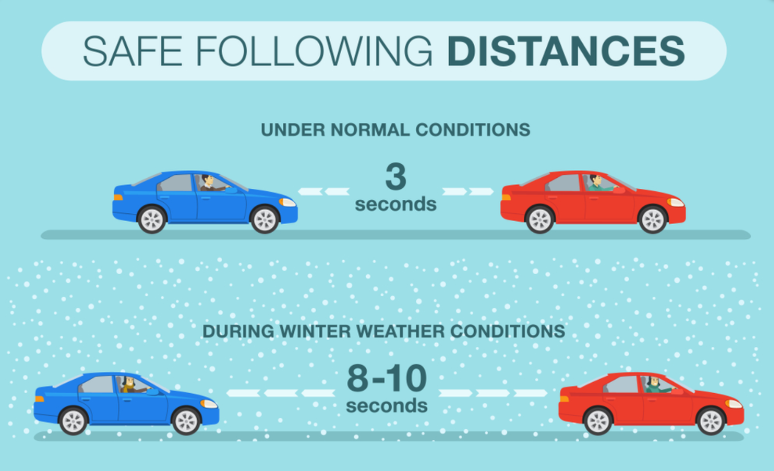
Winter driving presents unique challenges that demand more from your vehicle than fair-weather commuting. Slippery roads, reduced visibility, and freezing temperatures can turn a routine trip into a hazardous endeavor. Equipping your car with the right parts is essential for safety, control, and reliability.
From specialized tires that bite into ice and snow to powerful battery systems designed for cold starts, each component plays a critical role.
This guide explores the best aftermarket and OEM parts including winter tires, engine blocks, wiper blades, and heating systems to ensure your vehicle handles harsh conditions with confidence, keeping you secure and mobile throughout the coldest months.
- Essential Car Parts for Optimal Performance in Winter Driving Conditions
- Essential Vehicle Components for Optimal Winter Driving Performance
- Winter Tires for Enhanced Traction
- High-Performance Battery for Reliable Cold Starts
- Anti-Lock Braking System Components for Controlled Stopping
- Best Tires for Winter Driving
- Critical Vehicle Systems for Cold Weather
- Electrical and Visibility Enhancements
- Essential Tire Upgrades for Snow and Ice
- Critical Engine and Battery Enhancements for Cold Starts
- Visibility and Wiper System Upgrades for Snowy Conditions
- Frequently Asked Questions
Essential Car Parts for Optimal Performance in Winter Driving Conditions
Winter driving presents unique challenges that can strain your vehicle's components. To ensure safety, reliability, and control on snow-covered or icy roads, it is critical to upgrade or inspect specific parts.
The most crucial elements revolve around maintaining traction, ensuring clear visibility, and preserving the mechanical integrity of your car under freezing temperatures. Below, we break down the key components that will keep you safe and your vehicle running smoothly during the harshest winter months.
Winter Tires: The Foundation of Traction and Control
The single most important upgrade for winter driving is a set of dedicated winter tires. Unlike all-season tires, winter tires are made from a specialized rubber compound that remains flexible in freezing temperatures, allowing the tread to grip the road.
They also feature deeper tread patterns with numerous sipes (tiny slits) that bite into snow and ice, significantly reducing stopping distances. For the best results, install them on all four wheels to maintain balanced handling and prevent oversteer or understeer on slick surfaces.
You might be interested in this content.
Advanced Battery and Charging System for Reliable Starts
Cold weather is the enemy of a car battery, as it can reduce its cranking power by up to 60%. A weak battery is the leading cause of winter breakdowns. To avoid being stranded, ensure your battery is less than three to four years old or has a high Cold Cranking Amps (CCA) rating.
Equally important is a robust alternator and clean, tight battery terminals. A professional load test before winter can confirm if your electrical system can handle the extra demand of heated seats, defrosters, and headlights.
Heater Core and Cooling System Integrity
While the engine needs to stay cool, your cabin and defroster rely on a perfect heating system. The heater core, a small radiator inside the dashboard, uses engine coolant to warm the air. For it to function, the cooling system must be filled with a 50/50 mix of antifreeze and water to prevent freezing.
A blocked heater core or a low coolant level will result in a cold cabin and foggy windows. Regularly flushing the system and checking for leaks ensures you can maintain clear visibility and comfort during a blizzard.
| Component | Primary Winter Function | Key Feature to Look For |
|---|---|---|
| Winter Tires | Maximize grip on snow and ice | Severe Service Emblem (3PMSF) |
| Battery | Provide reliable engine starts in freezing temps | High Cold Cranking Amps (CCA) |
| Heater Core | Generate cabin heat and defrost windows | Proper coolant flow and antifreeze mix |
Essential Vehicle Components for Optimal Winter Driving Performance
What are the best car parts for safe winter driving conditions?
The best car parts for safe winter driving conditions include winter tires, a high-performance battery, and anti-lock braking system (ABS) components. Winter tires provide superior traction on snow and ice, while a robust battery ensures reliable starts in cold temperatures. ABS components help maintain steering control during hard braking on slick surfaces.
Winter Tires for Enhanced Traction
Importance of Tire Composition and Tread Design
Winter tires are engineered with specialized rubber compounds that remain flexible in freezing temperatures, allowing them to grip icy roads effectively. Their deeper tread patterns and sipes (tiny slits) channel slush and snow away from the contact patch, reducing hydroplaning risk.
- Select tires with the mountain snowflake symbol, indicating they meet severe snow service standards.
- Ensure tread depth is at least 6/32 of an inch for adequate snow compression and grip.
- Use a complete set of four winter tires to maintain balanced handling and traction.
High-Performance Battery for Reliable Cold Starts
Cold Cranking Amps and Battery Maintenance
Car batteries lose up to 60% of their starting power at 0°F, making a high cold cranking amps (CCA) rating critical for winter. A battery with a CCA rating matching or exceeding your vehicle’s requirement ensures enough power to start the engine in extreme cold.
You might be interested in this content.
- Choose a battery with a CCA rating of at least 700 for standard vehicles in harsh winters.
- Inspect battery terminals for corrosion and clean them with a wire brush to ensure proper connections.
- Test the battery voltage monthly and replace it if it drops below 12.4 volts when fully charged.
Anti-Lock Braking System Components for Controlled Stopping
Sensor and Pump Maintenance for ABS Effectiveness
The ABS prevents wheel lockup during hard braking, allowing drivers to steer while stopping on icy surfaces. Properly functioning wheel speed sensors and hydraulic pump components are essential for the system to modulate brake pressure correctly.
- Check ABS warning lights on the dashboard before winter and address any fault codes immediately.
- Have a mechanic inspect wheel speed sensors for dirt or damage that could cause false readings.
- Flush brake fluid every two years to maintain optimal hydraulic pressure and prevent pump corrosion.
What are the best vehicle components for ensuring safe winter driving conditions?
The best vehicle components for ensuring safe winter driving conditions include dedicated winter tires, a robust battery, and a reliable all-wheel-drive or four-wheel-drive system. Winter tires provide superior traction on snow and ice by using specialized rubber compounds and deeper tread patterns.
A battery with high cold cranking amps ensures reliable starting in freezing temperatures. An all-wheel-drive system distributes power to all wheels, improving grip on slippery surfaces. Additionally, functioning anti-lock brakes, traction control, and a heated windshield or defroster are critical for visibility and control. Regular maintenance of these components, such as checking tire pressure and battery health, further enhances safety.
Best Tires for Winter Driving
Winter Tires vs. All-Season Tires
Winter tires are specifically engineered for cold weather, offering rubber compounds that remain flexible at low temperatures for better grip. All-season tires harden in freezing conditions, reducing traction. Studies show winter tires can reduce stopping distances on ice by up to 30%. For optimal safety, consider tires with the three-peak mountain snowflake symbol, indicating severe snow service capability.
- Bridgestone Blizzak WS90 offers exceptional ice braking and snow traction through its nano-pro technology.
- Michelin X-Ice Snow provides long-lasting performance and superior hydroplaning resistance.
- Nokian Hakkapeliitta R5 features advanced sipe design for enhanced grip on packed snow.
Critical Vehicle Systems for Cold Weather
Heating and Defrosting Systems
The heating system must efficiently warm the cabin and prevent window fogging. A defective heater core or thermostat can lead to inadequate defrosting, compromising visibility. The rear defroster and heated mirrors are equally important for clearing ice quickly. The system relies on proper coolant levels and a functioning blower motor to circulate hot air effectively.
- Coolant mixture should be 50% antifreeze and 50% water to prevent freezing down to -34°F.
- Test the defroster vents for even airflow to ensure all windows clear rapidly.
- Replace cabin air filters annually to maintain efficient heating and air circulation.
Electrical and Visibility Enhancements
Battery and Lighting Upgrades
A weak battery is a leading cause of winter breakdowns. High cold cranking amps, typically above 600 for most vehicles, ensure reliable starts at subzero temperatures. Upgrading to LED headlights provides brighter, whiter light that cuts through snow and fog better than halogen bulbs. Fog lights, if aimed correctly, reduce glare and illuminate the road immediately ahead.
- Use a battery tender or maintainer if the vehicle sits idle for extended periods.
- Inspect battery terminals for corrosion, which can impede current flow.
- Install winter-rated windshield washer fluid with antifreeze properties down to -20°F.
What are the best vehicle parts for safe winter driving in snowy conditions?
When preparing a vehicle for safe winter driving in snowy conditions, the best parts include winter tires, a high-performance battery, and all-weather wiper blades with winter-grade washer fluid. Winter tires provide superior traction on snow and ice due to their specialized rubber compounds and deeper tread patterns.
You might be interested in this content. How Much Do Common Car Repairs Cost?
A battery with high cold-cranking amps (CCA) ensures reliable engine starts in freezing temperatures, while winter wiper blades are designed to prevent ice buildup and maintain clear visibility. Additionally, using washer fluid rated for temperatures below freezing prevents nozzle freeze-ups and ensures effective cleaning of salt or slush from the windshield.
Essential Tire Upgrades for Snow and Ice
Understanding Winter Tire Technology and Performance
Winter tires are the most critical component for safe driving in snowy conditions because they are specifically engineered to maintain flexibility and grip below 45 degrees Fahrenheit. Unlike all-season tires, which harden in cold weather, winter tires use softer rubber compounds and deeper sipes that bite into snow and ice for better traction.
They also feature a higher void ratio to channel slush away from the contact patch. For maximum safety, consider studded winter tires in regions with persistent ice, though noise and road wear may be factors. Always install winter tires on all four wheels to maintain balanced handling, and check tread depth regularly—4/32 of an inch or more is recommended for optimal performance.
- Choose certified winter tires with the three-peak mountain snowflake (3PMSF) symbol for proven snow traction.
- Opt for narrower tire widths if possible, as they concentrate weight for better snow penetration and grip.
- Install winter tires at least one month before the first snowfall to avoid cold-weather cracks in all-season tires.
Critical Engine and Battery Enhancements for Cold Starts
Selecting a Battery and Starting System for Subzero Temperatures
A weak battery is a common failure point in winter, as cold temperatures can reduce its capacity by up to 50%. To ensure reliable starts, replace an older battery with one that has a high cold-cranking amps (CCA) rating, ideally exceeding the vehicle manufacturer’s recommendation by 20%.
Also, inspect the alternator and starter motor for wear, as they must work harder in cold conditions. Adding a battery blanket or thermal wrap can help retain heat during overnight parking, while trickle chargers are useful for vehicles left unused. For diesel engines, install a block heater or battery heater to avoid gel formation in fuel and ensure starting in extreme cold.
- Test your battery’s CCA rating with a multimeter and replace it if below factory spec for your climate.
- Use a dielectric grease on battery terminals to prevent corrosion from road salt.
- Consider a lithium-ion battery option, as they perform better in cold than traditional lead-acid types.
Visibility and Wiper System Upgrades for Snowy Conditions
Implementing Heavy-Duty Wipers and Proper Washer Fluid
Visibility is paramount for winter safety, and standard wiper blades can freeze or leave streaks on snow-covered windshields. Install winter-specific wiper blades with a rubber boot or frame cover that prevents ice accumulation. These blades are often thicker and more durable, clearing snow and slush more effectively.
Pair them with a washer fluid rated to at least -20 degrees Fahrenheit, which resists freezing and contains chemicals to dissolve ice and road grime. Replace worn blades every three months during winter, and check the washer fluid reservoir frequently. Additionally, apply a hydrophobic coating to the windshield to help snow slide off.
You might be interested in this content. Winter Vehicle Maintenance Checklist
- Select beam-style winter blades, as they have fewer joints that can freeze compared to conventional frames.
- Use a washer fluid with de-icer additives, not just water or summer fluid, to prevent nozzle clogging.
- Carry an extra bottle of washer fluid in the trunk, as usage increases significantly during snowstorms.
Frequently Asked Questions
What are the best tires for winter driving conditions?
The best tires for winter driving are dedicated winter tires, such as the Bridgestone Blizzak WS90 or Michelin X-Ice Snow. They use special rubber compounds that remain flexible in freezing temperatures, providing superior traction on snow and ice.
Their deeper tread patterns with biting edges grip slippery surfaces effectively. For severe conditions, studded winter tires offer extra grip on ice, though they may be restricted in some areas. All-season tires are not recommended as they harden in cold weather, significantly reducing grip.
How important is a car battery in winter driving conditions?
A car battery is critical for winter driving because cold temperatures reduce its cranking power by up to 60%. Weak batteries often fail when starting a vehicle in subzero conditions.
The best choice is a battery with high cold cranking amps (CCA), such as an AGM battery. Ensure terminals are clean and connections tight. Regular load testing before winter can prevent unexpected failures. Installing a battery warmer or parking in a garage extends battery life and ensures reliable starts in harsh conditions.
What type of wiper fluid and blades are best for winter driving conditions?
For winter driving, use winter-specific wiper fluid rated to at least -20°F (-29°C) to prevent freezing on the windshield. Avoid summer blends that can freeze and damage the system.
For blades, choose winter silicone or rubber beam blades like the Bosch Icon or Rain-X Latitude, which are designed to resist ice buildup and remain flexible in cold weather. Heated wiper blades are optional but effective for melting ice directly. Replace blades every six months to ensure clear visibility.
Are all-wheel drive or four-wheel drive systems better for winter driving conditions?
Both all-wheel drive (AWD) and four-wheel drive (4WD) improve winter traction, but AWD is generally better for everyday winter driving on paved roads. It automatically distributes power to wheels with grip, aiding stability on snow or ice.
You might be interested in this content. How to Prepare Your Car for Winter
4WD is ideal for deep snow or off-road conditions but requires manual engagement and can be less fuel-efficient. However, remember that no drivetrain eliminates the need for winter tires; they assist in acceleration but do not improve braking or cornering on slippery surfaces.
Leave a Reply