
Tire Replacement Guide for Canadian Roads

Navigating Canada’s diverse and often harsh road conditions makes tire replacement a critical safety priority. From icy highways in the Prairie provinces to rain-soaked streets in British Columbia, the right tires ensure traction, stability, and control.
This guide explores essential factors for Canadian drivers, including seasonal tire types winter, all-season, and all-weather as well as tread depth requirements, load ratings, and regional legal mandates. Understanding when and how to replace tires can prevent accidents, improve fuel efficiency, and extend vehicle lifespan.
Whether facing deep snow or sudden black ice, informed tire selection and timely replacement enhance driving confidence across Canada’s unpredictable terrain, helping you stay safe year-round.
- Expert Tire Replacement Guide for Canadian Roads
- How to Choose and Replace Tires for Safe Driving on Canadian Roads
- Selecting the Right Tire Type for Canadian Winters
- Determining When to Replace Tires Based on Wear Patterns
- Understanding Seasonal Tire Changeover and Storage Practices
- Canadian Winter Tire Regulations and Commercial Truck Requirements
- Optimal Tread Depth for Traction and Safety on Canadian Winter Roads
- Maintenance and Inspection Tips for Commercial Truck Tires in Winter
- Legal Requirements for Winter Tires in Canada
- Difference Between Alpine Symbol and M+S Marking
- Selecting the Right Winter Tires for Canadian Roads
- Frequently Asked Questions
Expert Tire Replacement Guide for Canadian Roads
Navigating tire replacement in Canada requires understanding unique factors like harsh winters, varying climates, and long driving distances.
This guide provides essential insights to help you choose, maintain, and replace your tires for optimal safety and performance on Canadian roads.
Understanding Tire Life Expectancy in Canada's Climate
In Canada, tires typically last between 40,000 to 80,000 kilometers, but this range is heavily influenced by local conditions. The extreme cold in winter can cause tire rubber to harden and crack, while summer heat accelerates tread wear.
You might be interested in this content.
Additionally, the use of winter tires for several months each year effectively gives your all-season tires a break, potentially extending their life. Regularly checking for tread depth using the loonie test (inserting a loonie into the tread grooves; if the gold ring is visible, it's time to replace) is crucial for maintaining safe traction.
Choosing Between All-Season, Winter, and All-Weather Tires
For Canadian drivers, the tire selection is a critical safety decision. All-season tires are a common compromise, but they lose effectiveness below 7°C. Winter tires are legally required in provinces like Quebec and are highly recommended nationwide for their superior grip on snow and ice.
All-weather tires (marked with the 3-Peak Mountain Snowflake symbol) offer a balanced option, providing legal winter traction without the need for seasonal swapping. Your choice should be based on your driving habits and local climate severity.
Key Signs and Measurements for Timely Tire Replacement
Beyond regular wear, other indicators necessitate immediate replacement. Look for bulges, cracks, or cuts in the sidewall, which signal potential blowout risks. Vibration while driving can indicate internal damage or uneven wear.
For winter tires, many experts recommend replacing them when tread depth reaches 6/32nd of an inch (around 5 mm) , rather than the standard 2/32nds (1.6 mm) for all-season tires, to maintain adequate snow traction. Always replace tires in sets of at least two on the same axle, with the new ones on the rear for better stability.
| Tire Type | Optimal Condition | Temperature Range | Canadian Suitability |
|---|---|---|---|
| All-Season | Mild climate, light snow | Above 7°C | Moderate (urban areas only) |
| Winter | Snow, ice, cold temperatures | Below 7°C | High (recommended for most) |
| All-Weather | Year-round, moderate winter | Below 7°C to warm | High (good alternative to swapping) |
How to Choose and Replace Tires for Safe Driving on Canadian Roads
What is the best tire replacement guide for driving on Canadian roads?
The best tire replacement guide for driving on Canadian roads begins with understanding the specific demands of the country's climate and road conditions. Canada experiences extreme weather variations, from icy winters to hot summers, and roads can range from well-maintained highways to gravel or snow-covered rural paths.
You might be interested in this content.
For optimal safety and performance, replace tires when tread depth reaches 4/32 of an inch (3.2 mm) for winter tires and 2/32 of an inch (1.6 mm) for all-season tires, but earlier replacement is recommended if you notice uneven wear, cracks, or bulges. Always choose tires that meet the severe service temperature standard for winter conditions, such as those with the three-peak mountain snowflake symbol, and consider switching to dedicated winter tires from November to April in most provinces.
Regularly inspect tire pressure monthly, as cold temperatures can reduce it, and rotate tires every 8,000 to 10,000 kilometers to ensure even wear. Additionally, consult your vehicle owner's manual for manufacturer-recommended tire sizes and load ratings, and purchase from reputable dealers offering installation and balancing services.
Selecting the Right Tire Type for Canadian Winters
Understanding Winter Tire Requirements and Benefits
For Canadian roads, winter tires are not just optional but often mandatory in provinces like Quebec and British Columbia on certain routes. These tires use specialized rubber compounds that remain flexible at temperatures below 7 degrees Celsius, providing superior traction on snow and ice.
All-season tires lose grip in cold conditions, increasing stopping distances significantly. When selecting winter tires, prioritize those with the three-peak mountain snowflake symbol, as they meet severe snow traction standards.
- Check the DOT code on tire sidewalls to ensure they are less than six years old, as rubber degrades over time.
- Opt for narrower tires if possible, as they cut through snow more effectively than wider ones.
- Verify load index ratings to match your vehicle's weight, especially for SUVs and trucks used in heavy snow.
Determining When to Replace Tires Based on Wear Patterns
Inspecting Tread Depth and Irregular Wear Signs
Canada's varied road surfaces, from salt-treated highways to unpaved rural tracks, accelerate tire wear differently. Use the penny test or a tread depth gauge to measure grooves: for winter tires, replace at 4/32 inch depth or earlier, while all-season tires can go down to 2/32 inch but may struggle on wet or icy roads.
Look for uneven wear patterns like cupping or feathering, which indicate alignment issues, underinflation, or suspension problems that require immediate attention.
You might be interested in this content.
- Measure tread depth at multiple points across the tire, focusing on inner, center, and outer edges.
- Inspect sidewalls for cracks, bulges, or blisters caused by potholes common on Canadian roads.
- Check for vibration or pulling while driving, which can signal internal tire damage or imbalance.
Understanding Seasonal Tire Changeover and Storage Practices
Proper Procedures for Mounting, Balancing, and Storage
Switching between winter and summer or all-season tires is a routine necessity in Canada to maximize performance and lifespan. Install winter tires before the first frost, typically by late October, and remove them when temperatures consistently exceed 7 degrees Celsius in spring.
Proper storage involves cleaning tires, keeping them in a cool, dry place away from direct sunlight, and storing them upright or stacked based on whether they are mounted on rims.
- Have tires balanced and aligned when mounting to prevent premature wear and steering issues.
- Use a torque wrench to tighten lug nuts to manufacturer specifications, as undertightening can cause loosening.
- Store unmounted tires vertically to avoid deformation, and maintain inflation at 50% of max pressure during storage.
What is the recommended commercial truck tire tread depth for safe winter driving on Canadian roads?
The recommended commercial truck tread depth for safe winter driving on Canadian roads is a minimum of 6/32 of an inch (4.8 mm) for steer tires and drive tires, with 10/32 of an inch (7.9 mm) or more being optimal for maximum traction on snow and ice.
Canadian regulations, such as those in British Columbia and Ontario, require at least 5/32 of an inch (4 mm) for most commercial tires during winter months, but industry experts advise deeper tread to handle severe conditions.
Canadian Winter Tire Regulations and Commercial Truck Requirements
Legal Minimum Tread Depths Across Provinces and Territories
In Canada, winter tire regulations vary by province, but all mandate a minimum tread depth for commercial vehicles to ensure safety on icy and snow-covered roads. British Columbia requires a minimum tread depth of 5 mm (6/32 inches) for all tires on commercial trucks when winter tires are mandatory from October 1 to March 31, while Ontario enforces a similar standard of 5 mm for tires designated as winter-rated.
Quebec follows the same 5 mm threshold for commercial vehicles, with fines for non-compliance. Other provinces like Alberta and Manitoba do not have specific winter tire laws but still adhere to the National Safety Code, which recommends 5/32 inches for steer tires. Below are the key points for commercial truck drivers:
You might be interested in this content.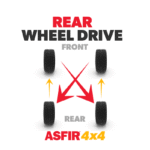 Tire Rotation Guide for Canadian Drivers
- British Columbia mandates 5 mm for all tires during winter months for commercial vehicles.
- Ontario requires a minimum of 5 mm for winter-rated tires on commercial trucks.
- Quebec enforces a 5 mm minimum for all commercial vehicles from December 1 to March 15.
Optimal Tread Depth for Traction and Safety on Canadian Winter Roads
Why 6/32 Inches or More is Recommended for Commercial Trucks
For safe winter driving, commercial truck drivers should aim for a tread depth of at least 6/32 inches (4.8 mm) on steer and drive tires, with 10/32 inches (7.9 mm) providing superior grip on fresh snow and ice.
This recommendation stems from research showing that deeper treads evacuate slush and snow more effectively, reducing hydroplaning risk and improving braking distances.
In Canada, where roads can quickly become covered in black ice or heavy snowfall, a tread depth below 4/32 inches significantly increases stopping distances by up to 30%. Here are practical steps for maintaining optimal depth:
- Measure tread depth monthly using a gauge, focusing on the center of the tire where wear is most even.
- Replace tires when tread reaches 6/32 inches on steer axles to avoid reduced steering control.
- For drive axles, consider 10/32 inches or more for heavy loads on steep, snowy grades.
Maintenance and Inspection Tips for Commercial Truck Tires in Winter
Best Practices for Ensuring Tire Readiness in Severe Canadian Winters
Regular maintenance and inspection are critical for commercial trucks operating in Canadian winter conditions, as improper tire care can lead to blowouts or loss of traction. Drivers should check for uneven wear, cracks, or embedded debris that can compromise tread depth, especially after long hauls on treated roads.
The Canadian Trucking Alliance advises inspecting tires before each trip and logging measurements to comply with safety audits. Key actions include verifying pressure weekly because underinflation accelerates tread wear, and rotating tires every 50,000 kilometers to maintain uniform depth. The following list outlines essential practices:
- Inspect tire sidewalls and tread for cuts or bulges that worsen in freezing temperatures.
- Use a tread depth gauge to check all four positions on each tire, not just the outer edges.
- Adjust tire pressure to manufacturer specifications, as cold weather can drop psi by 1-2% per 10 degrees Fahrenheit.
What is the winter tire symbol required for driving in Canada?
The winter tire symbol required for driving in Canada is the Alpine symbol, which features a mountain with a snowflake inside. This symbol, either alone or combined with the letters M+S (Mud and Snow), indicates that the tire meets specific performance standards for snow traction.
You might be interested in this content.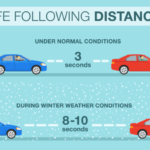 Best Parts for Winter Driving Conditions
While Quebec legally mandates the use of winter tires with the Alpine symbol, other provinces like British Columbia also require this symbol for travel on designated routes during winter months. The Alpine symbol is distinct from the M+S marking alone, as it represents higher snow traction capabilities.
Legal Requirements for Winter Tires in Canada
Provinces and Territories with Mandatory Winter Tire Laws
In Canada, winter tire regulations vary by province, with Quebec being the only province where winter tires are mandatory for all passenger vehicles from December 1 to March 15.
Other regions, such as British Columbia, require winter tires with the Alpine symbol on specific highways, like the Sea to Sky Highway or the Coquihalla, during designated periods. Failure to comply can result in fines or being denied access to certain roads.
- Quebec mandates the Alpine symbol on all four tires during winter months for all vehicles registered in the province.
- British Columbia requires the Alpine symbol or M+S tires on designated winter routes from October 1 to March 31.
- Other provinces, like Ontario and Alberta, do not currently have a province-wide mandatory winter tire law but may have specific regional requirements.
Difference Between Alpine Symbol and M+S Marking
Understanding Tire Performance Standards
The Alpine symbol (a mountain with a snowflake) indicates a tire has passed specific snow traction tests, while the M+S marking only suggests the tire is designed for mud and snow without a standardized test. Winter tires with the Alpine symbol generally offer superior grip on ice and snow compared to all-season or M+S tires.
However, some M+S tires may still be legally acceptable in provinces without strict Alpine requirements, but safety experts recommend the Alpine symbol for Canadian winters.
- The Alpine symbol requires the tire to achieve at least 110% of the traction of a reference tire in snow testing.
- M+S tires are not necessarily tested for snow performance and may use different rubber compounds that harden in cold temperatures.
- In Quebec, only tires bearing the Alpine symbol are considered legal winter tires, while M+S alone is not accepted.
Selecting the Right Winter Tires for Canadian Roads
Factors to Consider for Optimal Performance
Choosing winter tires with the Alpine symbol involves evaluating tread depth, rubber compound, and driving conditions. Tires should have at least 6/32 inch of tread for effective snow traction, and softer rubber compounds remain flexible in temperatures below 7 degrees Celsius.
You might be interested in this content.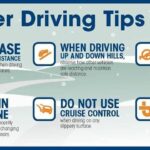 Driving Safely in Canadian Winters
Installing the Alpine symbol tires on all four wheels is crucial for balanced handling, and driving without them on icy roads increases stopping distances by up to 30%.
- Check for the Alpine symbol on the sidewall to ensure the tire meets Canadian winter standards.
- Look for tires with a tread pattern designed to channel snow and slush, such as directional or symmetric tread designs.
- Consider third-party ratings, like those from user reviews or tire tests, to verify real-world performance on Canadian roads.
Frequently Asked Questions
When should I replace my tires in Canada?
You should replace tires when tread depth reaches 4/32 inches for winter tires or 2/32 inches for all-season tires, as required by Canadian law for safety on snowy and icy roads. Check tread wear bars or use the penny test. Additionally, replace tires older than six years, regardless of tread condition, due to rubber degradation from temperature fluctuations common across Canada.
What type of tires are best for Canadian roads?
For Canadian roads, winter tires are essential for temperatures below 7°C, offering superior grip on snow and ice. All-season tires work for milder regions like British Columbia, but they lack winter traction. All-terrain tires suit off-road driving but perform poorly on ice. Choose tires with the Three-Peak Mountain Snowflake symbol for severe winter conditions, especially in provinces like Quebec or Ontario.
How do I choose the right tire size for my vehicle in Canada?
Check your vehicle's owner manual or the sticker inside the driver's door jamb for recommended tire size, such as P215/65R15. The size affects handling, fuel efficiency, and safety. Avoid upsizing or downsizing without professional advice, as it can impact speedometer accuracy and clearance. In Canada, tire size must also align with provincial regulations for winter tires, particularly in Quebec, which mandates specific sizes.
Should I replace all four tires at once on my vehicle?
Yes, replace all four tires simultaneously for optimal performance, even if your vehicle is front-wheel drive. Mismatched tread depths or brands can cause uneven traction, especially on slippery Canadian roads, leading to poor handling and increased accident risk. If you replace only two, install new tires on the rear axle to maintain stability. However, for all-wheel-drive vehicles, replacing all four is critical to protect the drivetrain from stress.
Leave a Reply